sUnderstanding the core components of industrial manufacturing often leads back to a single, remarkably versatile material: 304 stainless steel strip. As the most widely used austenitic stainless steel in the world, this alloy serves as the backbone for everything from delicate medical instruments to massive chemical processing tanks. Its unique chemical profile, often referred to as “18/8” due to its 18% chromium and 8% nickel content, provides a perfect equilibrium of durability, corrosion resistance, and ease of fabrication.
For engineers and procurement specialists, selecting the right material isn’t just about strength; it is about performance over time. The 304 stainless steel strip stands out because it retains its structural integrity in environments that would cause lesser metals to fail. Whether you are browsing various stainless steel products or looking for a specific solution for home appliances, understanding the technical nuances of 304-grade steel is essential for long-term project success.
What Is 304 Stainless Steel Strip?
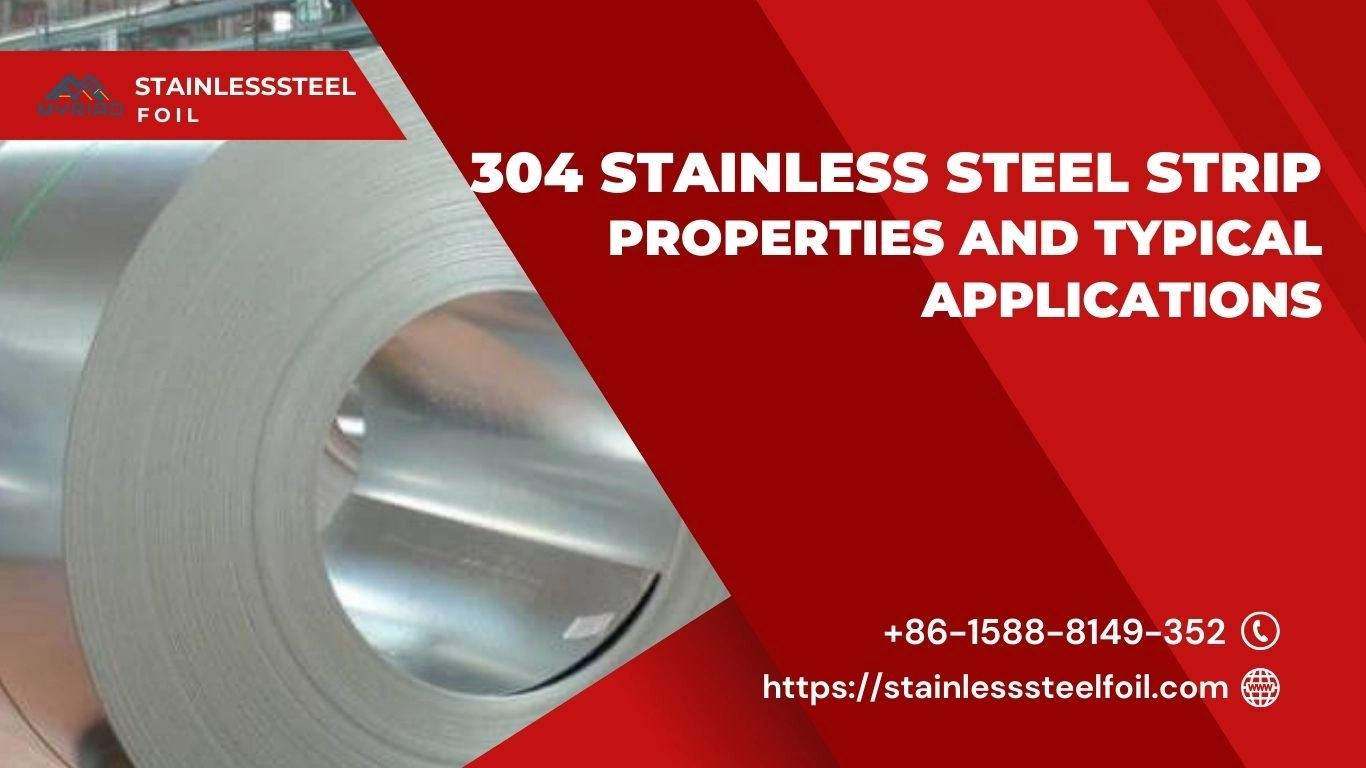
At its core, 304 Stainless Steel Strip is a flat-rolled stainless steel product with a relatively narrow width compared to coils or sheets. It belongs to the austenitic stainless steel family, which is known for excellent corrosion resistance and formability.
Grade 304 is the most widely used stainless steel globally. According to general material classifications explained in this stainless steel overview, austenitic grades account for more than 70% of total stainless steel production worldwide, with 304 leading the category.
Strip form is typically supplied in precision thicknesses and controlled widths, making it ideal for stamped parts, formed components, and continuous manufacturing lines.
Chemical Composition of 304 Stainless Steel Strip
The performance of 304 stainless steel strip starts with its chemistry. The alloy primarily consists of iron, chromium, and nickel, with small amounts of carbon and manganese.
Chromium content, usually around 18%, forms a passive oxide layer on the surface. This layer protects the steel from rust and corrosion. Nickel, typically around 8%, stabilizes the austenitic structure and improves toughness and ductility.
Because of this balanced composition, 304 stainless steel strip resists oxidation in most atmospheric environments and performs well in mildly corrosive settings such as kitchens, food plants, and indoor industrial spaces.
Mechanical Properties That Drive Performance
One reason manufacturers rely so heavily on 304 Stainless Steel Strip is its predictable mechanical behavior. The material offers a strong combination of tensile strength and elongation, which allows it to be formed without cracking.
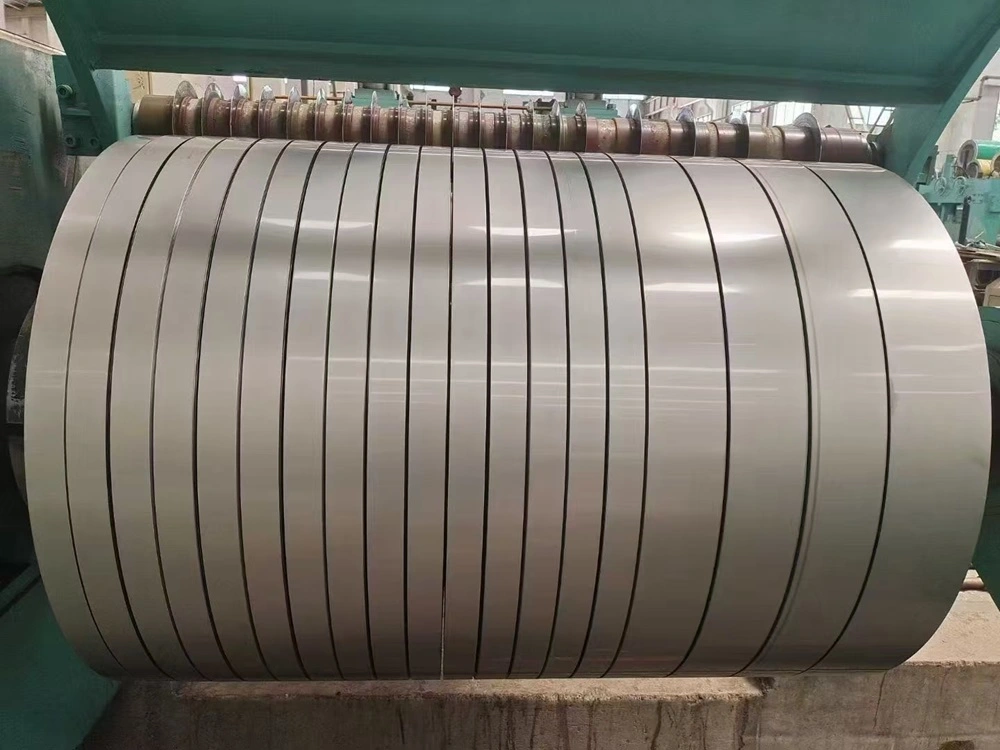
In annealed condition, 304 stainless steel strip typically provides tensile strength in the range of 515–720 MPa, with elongation values often exceeding 40%. This makes it suitable for deep drawing, bending, and roll forming.
Another advantage is its non-magnetic nature in the annealed state. While cold working can induce slight magnetism, the base material remains essentially non-magnetic, which is important in electrical and electronic applications.
Corrosion Resistance in Real-World Conditions
Corrosion resistance is where 304 Stainless Steel Strip truly shines. In everyday environments—such as indoor humidity, food processing areas, and fresh water exposure—it performs exceptionally well.
The chromium-rich passive layer self-repairs when scratched, as long as oxygen is present. This property significantly extends service life and reduces maintenance requirements.
However, it is important to understand limitations. In chloride-rich environments, such as coastal areas or chemical processing plants, 304 may show pitting over time. In those cases, materials like 316 stainless steel coil are often recommended due to their added molybdenum content.
Manufacturing Process of Stainless Steel Strip
Understanding how 304 stainless steel strip is made helps explain its consistency and performance. Production begins with melting raw materials in an electric arc furnace, followed by refining to achieve precise chemical composition.
The steel is then hot rolled into coils and subsequently cold rolled to achieve thinner gauges and tighter tolerances. This cold rolling stage improves surface finish and dimensional accuracy.
For a more detailed breakdown of these steps, this stainless steel coil production process guide explains how rolling, annealing, and pickling work together to produce high-quality strip products.
After rolling, coils are slit into narrower widths to create stainless steel strip suitable for specific applications.
Surface Finishes and Their Practical Impact
Surface finish plays a major role in how 304 Stainless Steel Strip is used. Common finishes include 2B, BA, and brushed finishes.
A 2B finish offers a smooth, matte appearance and is widely used for industrial and consumer goods. BA finishes provide a brighter, reflective surface suitable for decorative components. Brushed finishes add texture and reduce visible fingerprints, making them popular in appliances.
The choice of finish affects not only aesthetics but also cleaning ease and surface friction during forming operations.
Why 304 Stainless Steel Strip Is Easy to Fabricate
Fabrication flexibility is one of the strongest advantages of 304 Stainless Steel Strip. The material responds well to cutting, stamping, welding, and forming processes.
It can be laser cut with clean edges, stamped into complex shapes, and welded using standard techniques without special heat treatments. Its stable austenitic structure minimizes cracking during forming, even in tight radii.
This fabrication friendliness is a key reason manufacturers choose 304 stainless steel strip for high-volume production runs where consistency matters.
Typical Applications of 304 Stainless Steel Strip
The real value of 304 Stainless Steel Strip becomes clear when examining where it is used.
In the home appliance industry, stainless steel strip forms internal brackets, panels, trims, and structural components. This detailed article on stainless steel strips in home appliances explains how corrosion resistance and hygiene standards drive material selection.
In consumer goods manufacturing, 304 stainless steel strip is used for cookware components, kitchen tools, and household hardware. Its clean appearance and food-safe properties make it ideal for direct contact applications. This is further explored in how stainless steel coil is used in consumer goods.
Industrial applications include clamps, springs, fasteners, and enclosures. In these uses, mechanical strength and dimensional stability are more important than appearance.
304 Stainless Steel Strip vs Other Stainless Grades
Material selection often involves comparison. While 304 Stainless Steel Strip is the default choice, it is not always the best option.
Compared to 201 stainless steel, 304 offers significantly better corrosion resistance and formability, though at a higher cost. Against 316 stainless steel, 304 is more affordable but less resistant to chlorides.
Understanding these trade-offs helps buyers avoid over-specifying materials, which can inflate costs without real performance gains.
Quality Standards and Certifications
Reliable suppliers of 304 Stainless Steel Strip adhere to international standards such as ASTM A240, EN 10088, and JIS G4305. These standards define chemical composition, mechanical properties, and dimensional tolerances.
When sourcing material, buyers should always request mill test certificates. These documents confirm compliance and ensure traceability throughout the supply chain.
You can explore certified product options through the products section or the dedicated strip product category for more detailed specifications.
Sustainability and Recycling Advantages
Sustainability is increasingly important in material selection. 304 Stainless Steel Strip is 100% recyclable without loss of quality. In fact, a significant portion of new stainless steel production uses recycled material.
Its long service life also reduces replacement frequency, lowering overall environmental impact. For manufacturers seeking to align with sustainability goals, stainless steel remains one of the most responsible choices available.
How to Choose the Right Supplier
Selecting the right supplier is just as important as choosing the right material. Consistent thickness, clean edges, and reliable delivery schedules are critical for downstream manufacturing.
Suppliers that invest in precision slitting equipment and quality control systems deliver better results. Educational resources, such as those found on the stainless steel blog, also indicate a supplier’s commitment to transparency and customer support.
If you need technical guidance or custom specifications, reaching out through the contact page is often the fastest way to clarify requirements.
Future Outlook for 304 Stainless Steel Strip
Demand for 304 Stainless Steel Strip is expected to remain strong over the coming decade. Growth in home appliances, electric vehicles, and consumer goods continues to drive consumption.
While newer alloys may emerge, the balance of performance, availability, and cost ensures that 304 remains a cornerstone material for manufacturers worldwide.
Summary
In summary, the 304 stainless steel strip remains the most versatile and reliable alloy in the modern industrial landscape. Its balanced chemical composition provides the necessary corrosion resistance for everything from household appliances to medical devices, while its mechanical properties allow for unparalleled ease of fabrication. By understanding how to select and maintain this material, businesses can ensure their products are built to last. Whether you are seeking precision strips for a new project or looking to understand the manufacturing process, the stainless steel foil team is ready to help. Please feel free to contact us for more technical guidance.
FAQs
What makes 304 stainless steel strip different from other grades? 304 stainless steel strip offers a balance of corrosion resistance, strength, and affordability, making it the most widely used grade.
Can 304 stainless steel strip be used outdoors? Yes, 304 stainless steel strip resists corrosion in outdoor environments, though 316 may be better for coastal areas.
Is 304 stainless steel strip safe for food contact? Absolutely. Its non-reactive surface makes it ideal for food processing and kitchenware.
How is 304 stainless steel_strip maintained? Regular cleaning with mild detergents preserves its shine and prevents surface contamination.
Can 304 stainless steel_strip be welded easily? Yes, its low carbon content ensures excellent weldability without carbide precipitation.