The manufacturing and construction industries rely heavily on versatile materials that deliver exceptional performance across diverse applications. Among these materials, 304 stainless steel strip stands out as one of the most widely used alloys in modern industrial processes. This comprehensive guide explores everything you need to know about this remarkable material, from its fundamental composition to practical purchasing considerations.
What is 304 Stainless Steel Strip?
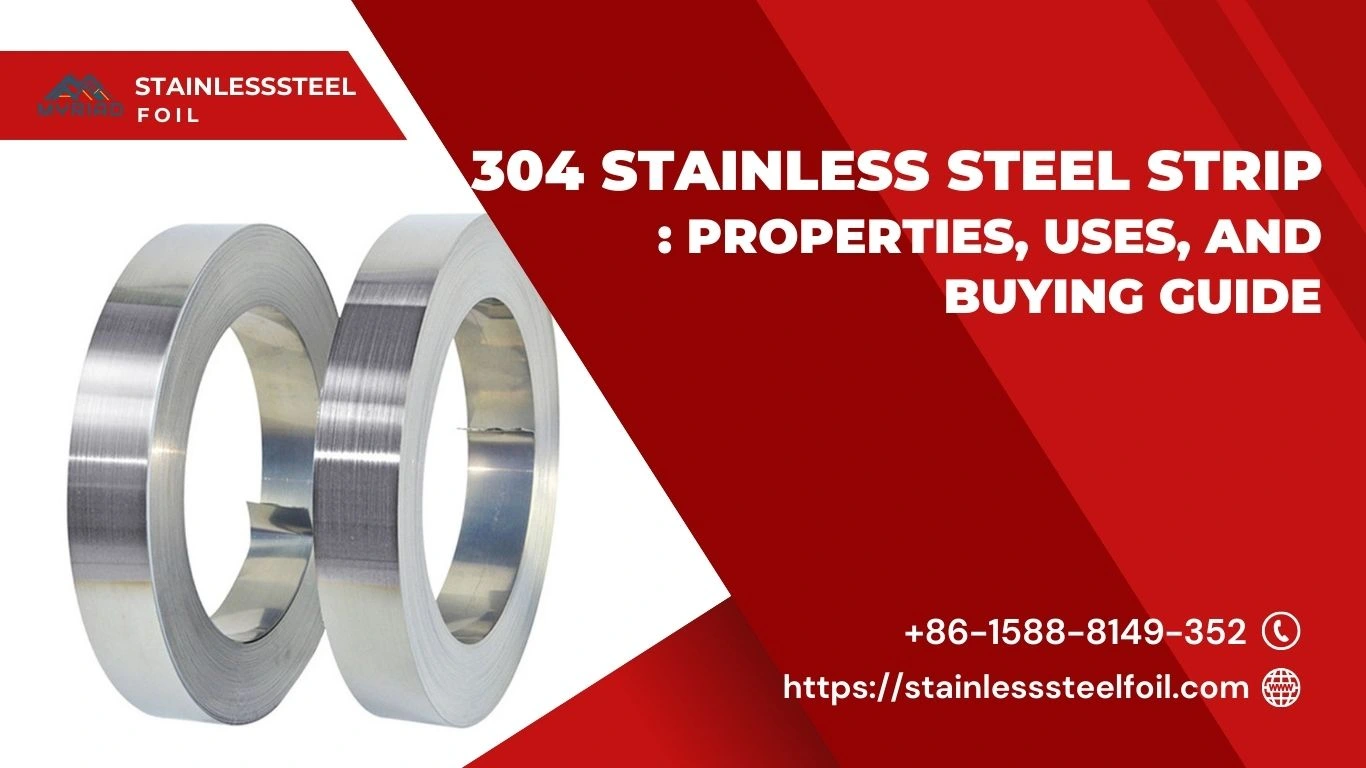
304 stainless steel strip represents a flat-rolled product manufactured from the most common austenitic chromium-nickel alloy in the stainless steel family. Manufacturers produce this material through precision rolling processes that create thin, flat sheets with consistent thickness and width specifications. The designation “304” refers to the specific chemical composition established by industry standards, primarily containing 18-20% chromium and 8-10.5% nickel.
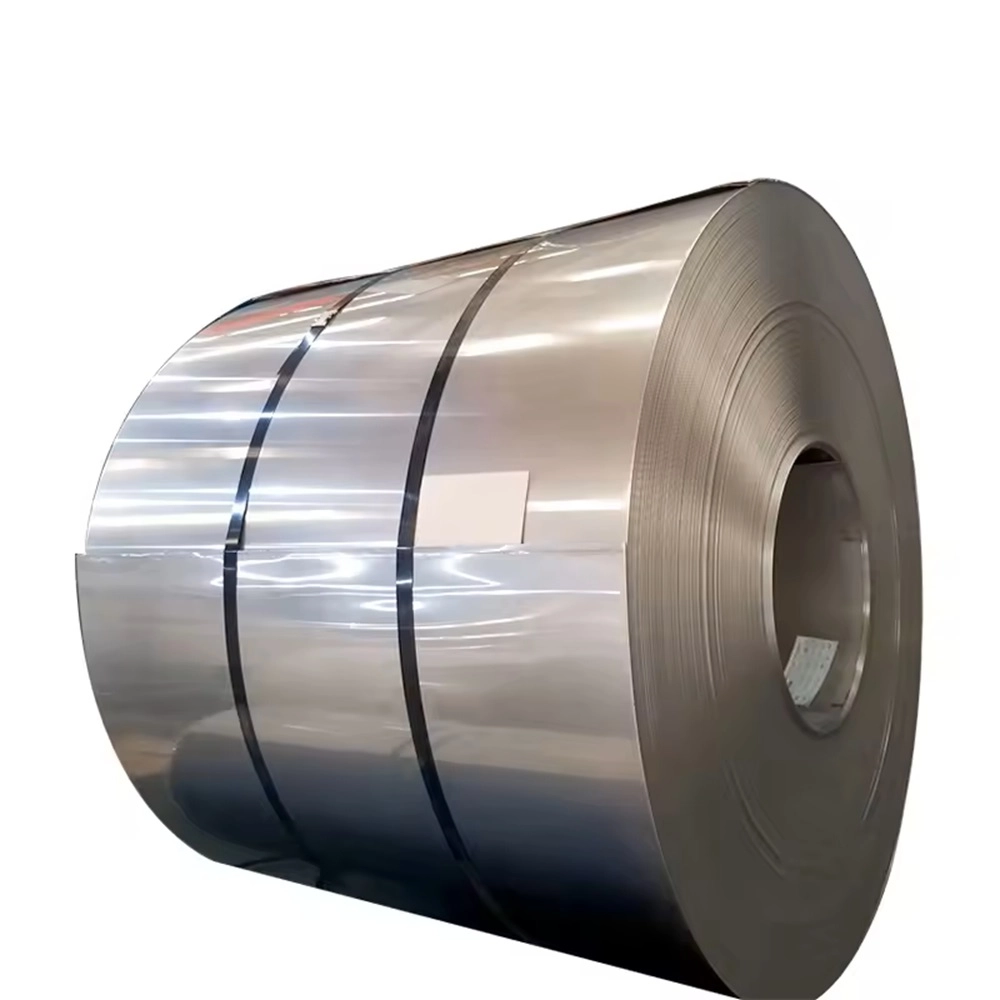
The production process transforms raw stainless steel through hot rolling and cold rolling operations, followed by annealing treatments that optimize the material’s mechanical properties. These strips typically range from 0.005 inches to 0.125 inches in thickness, though custom specifications accommodate various industrial requirements. Stainless steel manufacturing facilities worldwide produce millions of tons annually to meet global demand across multiple sectors.
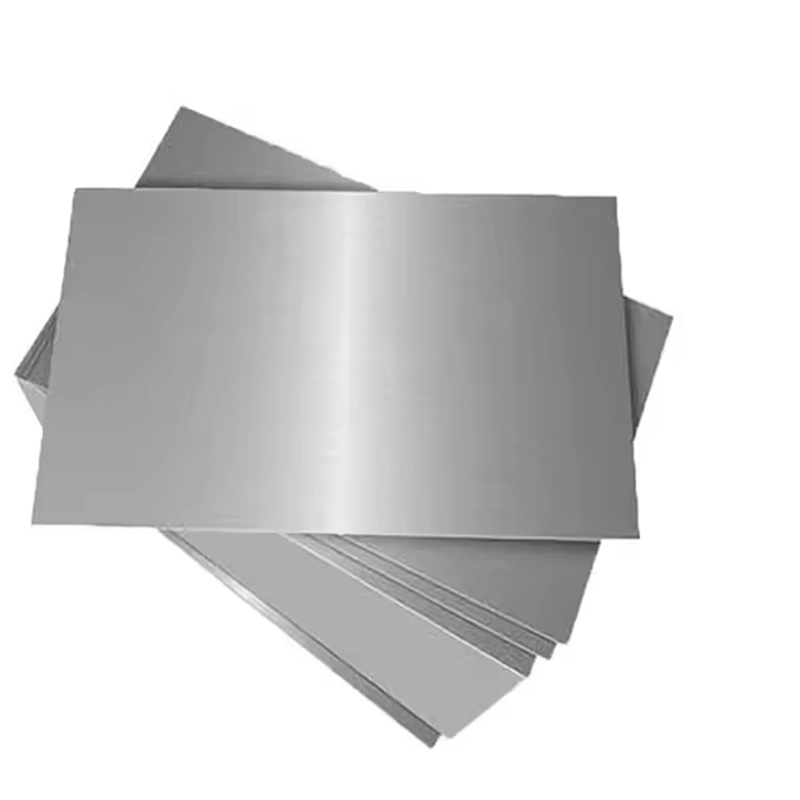
Unlike thicker plate or sheet forms, strips offer superior formability and precise dimensional control. The narrow width configuration makes them ideal for applications requiring exact measurements and minimal material waste. Engineers and designers prefer this form factor when projects demand specific width-to-thickness ratios that standard sheets cannot efficiently provide.
Chemical Composition Breakdown
The alloy contains iron as its base element, complemented by carefully balanced proportions of chromium, nickel, and other elements. Chromium content provides the characteristic corrosion resistance, creating a passive oxide layer that self-heals when scratched or damaged. Nickel enhances ductility and maintains the austenitic structure even at low temperatures.
Additional elements include manganese (up to 2%), silicon (up to 1%), carbon (maximum 0.08%), phosphorus, and sulfur in trace amounts. This precise chemistry creates synergistic effects that deliver the material’s renowned performance characteristics. Metallurgists have refined this composition over decades to achieve optimal balance between workability, strength, and environmental resistance.
304 Stainless Steel Strip Properties
Understanding the physical and mechanical properties helps engineers select appropriate materials for specific applications. The diverse product range available today stems from these fundamental characteristics.
Corrosion Resistance Excellence
The passive chromium oxide film forms spontaneously when exposed to oxygen, creating an invisible protective barrier approximately 1-5 nanometers thick. This layer prevents further oxidation and resists attack from numerous corrosive agents. The material withstands exposure to atmospheric conditions, fresh water, mild acids, and alkaline solutions without degrading.
Marine environments present moderate challenges, though 304 performs adequately in many coastal applications. The alloy resists pitting and crevice corrosion better than carbon steel alternatives. However, chloride-rich environments may compromise performance over extended periods. For such demanding conditions, 316 stainless steel alternatives offer enhanced resistance.
Mechanical Strength Characteristics
Tensile strength typically ranges from 515 to 720 MPa (75,000 to 105,000 psi) depending on temper condition and processing history. Yield strength varies between 205 to 515 MPa (30,000 to 75,000 psi), providing substantial load-bearing capacity. The material exhibits excellent ductility with elongation percentages often exceeding 40% in standard tensile tests.
Work hardening occurs during cold forming operations, increasing strength while reducing ductility. Manufacturers exploit this property to create strips with varying hardness levels designated by temper grades. Full hard temper offers maximum strength, while annealed temper provides optimal formability for complex shaping operations.
Thermal Performance Parameters
The alloy maintains structural integrity across temperatures from cryogenic levels to approximately 870°C (1,600°F). Thermal conductivity measures around 16.2 W/m·K at room temperature, lower than carbon steel but sufficient for most heat transfer applications. The coefficient of thermal expansion stands at approximately 17.3 μm/m·°C between 0-100°C.
These thermal characteristics influence stainless steel coil production processes and determine suitable applications. The material resists scaling and maintains oxidation resistance at elevated temperatures, though prolonged exposure above 425°C may cause carbide precipitation affecting corrosion resistance.
Surface Finish Variations
Multiple surface finish options accommodate aesthetic and functional requirements. The 2B finish provides a smooth, reflective appearance suitable for general-purpose applications. Bright annealed finishes deliver mirror-like surfaces ideal for decorative purposes and cleanroom environments.
Matte finishes reduce glare and hide minor scratches, making them popular in architectural applications. Brushed or directional finishes create distinctive linear patterns that enhance visual appeal. Each finish type results from specific processing techniques including polishing, grinding, or controlled oxidation treatments.
Magnetic Properties
Austenitic stainless steels typically exhibit non-magnetic behavior in annealed condition. However, cold working induces transformation of some austenite to martensite, creating slight magnetic response. This phenomenon becomes more pronounced with increased deformation levels. Designers account for this characteristic when applications require specific magnetic properties.
Formability and Weldability
The austenitic structure provides exceptional formability, allowing complex bending, drawing, and stamping operations without cracking. The material accepts deep draws and tight radius bends that would fracture less ductile alloys. This workability enables manufacturers to create intricate components efficiently.
Welding presents few difficulties when proper techniques and filler materials match base metal composition. Common methods include TIG, MIG, and resistance welding. Post-weld annealing may benefit applications requiring maximum corrosion resistance, though many installations perform adequately without additional heat treatment.
304 Stainless Steel Strip Uses
The versatility of this material extends across numerous industries and applications. Consumer goods production represents just one sector benefiting from these properties.
Food Processing and Kitchen Equipment
Commercial kitchens and food manufacturing facilities depend on 304 strips for countertops, sinks, preparation surfaces, and equipment housings. The non-porous surface prevents bacterial growth and resists staining from acidic foods. Easy cleaning and sanitization meet stringent health department regulations.
Appliance manufacturers incorporate strips into refrigerator panels, dishwasher tubs, and oven components. The material tolerates repeated temperature cycling and chemical exposure from cleaning agents. Restaurant equipment builders fashion work tables, shelving units, and storage containers from this corrosion-resistant alloy.
Automotive and Transportation Applications
Automotive trim components, exhaust systems, and decorative accents utilize 304 strips extensively. The material withstands road salt exposure and maintains appearance despite harsh environmental conditions. Manufacturers form complex shapes for grilles, moldings, and emblems through stamping and bending operations.
Transportation vehicles including buses, trains, and aircraft incorporate stainless strips for interior panels, handrails, and structural reinforcements. The strength-to-weight ratio benefits fuel efficiency while delivering long-term durability. Marine vessels employ these strips for railings, fittings, and deck hardware where saltwater exposure occurs.
Architectural and Construction Uses
Building facades, roof flashing, gutters, and downspouts frequently feature 304 stainless steel strips. Architects appreciate the modern aesthetic and minimal maintenance requirements. The material resists weathering and maintains structural integrity through decades of exposure.
Interior applications include elevator panels, handrails, door frames, and decorative wall cladding. The hygienic properties suit hospitals and pharmaceutical facilities where cleanliness remains paramount. Commercial buildings utilize strips for window frames, column covers, and artistic installations.
Electronics and Electrical Components
Electronics manufacturers rely on narrow strips for contact springs, terminals, and shielding components. The material’s conductivity and corrosion resistance ensure reliable electrical connections throughout product lifespans. Precision slitting operations produce exact widths meeting tight tolerances.
Battery casings, heat sinks, and chassis components benefit from the alloy’s thermal properties and formability. The electronics industry demands consistent material quality and surface cleanliness, specifications that reputable suppliers readily meet.
Medical and Pharmaceutical Equipment
Surgical instruments, medical device housings, and pharmaceutical processing equipment require materials meeting biocompatibility standards. The 304 alloy offers excellent sterilization resistance, withstanding autoclaving and chemical disinfection cycles. Hospital bed frames, IV poles, and examination tables incorporate these strips.
Laboratory equipment including work surfaces, storage cabinets, and instrument trays utilize stainless strips for chemical resistance and ease of decontamination. The FDA approves 304 stainless steel for direct food contact, extending applications to medical nutrition products.
Industrial Manufacturing Applications
Chemical processing plants install 304 strips in tank construction, piping systems, and reactor vessels handling moderate corrosives. The material resists many industrial chemicals while providing adequate structural strength. Conveyor systems, fasteners, and machine guards commonly feature this versatile alloy.
Spring manufacturing operations transform strips into compression springs, extension springs, and torsion springs for countless applications. The material’s fatigue resistance and consistent mechanical properties ensure reliable performance under cyclic loading conditions.
Buying Guide for 304 Stainless Steel Strip
Selecting appropriate materials requires understanding specifications, supplier capabilities, and application requirements. This section guides purchasing decisions to ensure optimal outcomes.
Understanding Specifications and Standards
International standards organizations including ASTM, EN, and JIS establish composition requirements, mechanical property ranges, and testing protocols. ASTM A240 covers plate, sheet, and strip for pressure vessels and general applications. Buyers should reference specific standard numbers when requesting quotations.
Width specifications typically range from 6mm to 600mm, though custom widths accommodate specialized needs. Thickness measurements use decimal inches or millimeters depending on regional preferences. Length options include random coil lengths, specific cut lengths, or precision-cut pieces.
Temper designations indicate mechanical properties and hardness levels. Annealed temper (designated as soft or dead soft) provides maximum formability. Quarter hard, half hard, and full hard tempers offer progressively higher strength with reduced ductility. Applications determine appropriate temper selection.
Evaluating Supplier Qualifications
Reputable suppliers maintain quality management systems certified to ISO 9001 standards, demonstrating commitment to consistent product quality. Mill test certificates document chemical composition and mechanical properties for each production lot. Buyers should request these certificates to verify conformance with specifications.
Experience serving specific industries indicates supplier familiarity with particular application requirements. Manufacturers supporting various finishing options demonstrate processing capabilities and technical expertise. Customer references and industry reputation provide insights into reliability and service quality.
Quantity Considerations and Pricing
Minimum order quantities vary among suppliers, with some accommodating small purchases while others require full coil quantities. Volume discounts typically apply to larger orders, reducing per-unit costs. Establishing long-term relationships with suppliers often yields preferential pricing and priority service.
Market prices fluctuate based on nickel and chromium commodity values, manufacturing capacity, and demand cycles. Obtaining multiple quotations helps establish fair market value. However, lowest price shouldn’t override quality considerations and supplier reliability factors.
Surface Finish Selection
Application requirements dictate appropriate finish selection. Food service equipment benefits from bright annealed finishes offering superior cleanability. Architectural projects may specify brushed finishes providing aesthetic appeal and scratch resistance. Industrial applications often utilize mill finish or 2B finish balancing cost and performance.
Special finishes including embossed patterns, perforated sheets, or custom textures increase costs but deliver unique functional or decorative benefits. Discussing application details with suppliers helps identify optimal finish types.
Dimensional Tolerances and Edge Conditions
Precision applications require tight dimensional tolerances on width, thickness, and flatness. Standard commercial tolerances suit general-purpose uses, while precision-slit edges meet exacting requirements. Edge conditions include mill edge, slit edge, and deburred edge depending on application needs.
Coil set and crossbow (curvature) specifications affect formability and flatness after processing. Applications involving precision stamping or forming operations benefit from materials meeting tighter flatness tolerances. Clearly communicating tolerance requirements prevents processing difficulties and rejected parts.
Certification and Traceability
Critical applications in aerospace, medical devices, or pressure vessels may require full material traceability and additional certifications. Suppliers should provide documentation tracking materials from primary mill through distribution channels. Third-party testing services verify composition and properties when applications demand extra assurance.
Packaging and Delivery
Proper packaging protects material during shipping and storage. Coils typically ship on reels or in eye-to-sky orientation wrapped with moisture barriers. Cut lengths bundle together with edge protection preventing damage. Discussing packaging requirements ensures materials arrive in usable condition.
Delivery timeframes vary based on stock availability and custom processing requirements. Stocked items ship quickly, while special sizes or finishes may require several weeks production time. Planning ahead prevents project delays and rush charges.
Working with Reliable Suppliers
Establishing relationships with qualified stainless steel strip suppliers provides access to technical support, consistent quality, and reliable delivery. Suppliers offering comprehensive product portfolios can address evolving project needs through single-source convenience.
Technical expertise helps optimize material selection, processing methods, and cost efficiency. Knowledgeable suppliers guide customers through specification development and problem-solving. Accessing industry resources and information through supplier websites enhances understanding and decision-making.
Quality Inspection Upon Receipt
Incoming material inspection verifies conformance to purchase specifications. Visual examination detects surface defects, improper packaging, or shipping damage. Dimensional measurements confirm width, thickness, and length accuracy. Comparing mill test certificates against specifications ensures chemical and mechanical properties meet requirements.
Documenting any discrepancies immediately facilitates resolution with suppliers. Establishing clear acceptance criteria and inspection procedures prevents disputes and ensures consistent material quality.
Technical Support Resources
Contacting knowledgeable suppliers provides access to technical expertise and application engineering support. Experienced professionals help troubleshoot processing challenges and optimize material selection. Many suppliers maintain technical libraries and reference materials supporting customer success.
Industry associations and educational resources offer additional information on material properties, standards, and best practices. Staying informed about developments in stainless steel technology enables continuous improvement and competitive advantages.
Summary
304 stainless steel strip is a highly versatile material known for its corrosion resistance, strength, and formability. Its applications span across industries such as automotive, construction, medical, and food processing. When purchasing, consider factors like dimensions, surface finish, certifications, and supplier reputation to ensure you get the best product for your needs.
For more information on stainless steel products and applications, explore Stainless Steel Foil
FAQs
What is the difference between 304 and 316 stainless steel strip?
304 stainless steel contains 18% chromium and 8% nickel, while 316 stainless steel includes molybdenum, enhancing its corrosion resistance, especially in marine environments.
Can 304 stainless steel strip be welded?
Yes, 304 stainless steel strip can be easily welded using standard welding techniques.
Is 304 stainless steel strip magnetic?
In its annealed state, 304 stainless steel strip is non-magnetic. However, it can become slightly magnetic after cold working.
What are the common surface finishes for 304 stainless steel strip?
Common finishes include 2B (smooth, cold-rolled), BA (bright annealed), and No. 4 (brushed).
Where can I buy 304 stainless steel strip?
You can purchase high-quality 304 stainless steel strip from trusted suppliers like Stainless Steel Foil.
For further inquiries, feel free to Contact Us.