Ultra-thin materials rarely get the spotlight, yet they quietly power some of the most advanced technologies in the world. From aerospace heat shielding to medical devices and precision electronics, 316L Stainless Steel Foil UltraThin products play a crucial role where strength, corrosion resistance, and dimensional accuracy must coexist at microscopic levels.
In this in-depth guide, we explore 316L Stainless Steel Foil UltraThin 0.01mm in practical, real-world terms. You will learn how it is manufactured, why 316L outperforms many alternatives, where it is used, and how to choose the right foil for demanding applications. This article is written for engineers, buyers, and decision-makers who need clarity—not marketing noise.
For manufacturing capabilities and product sourcing, visit stainless steel foil or browse the complete product range.
316L Stainless Steel Foil UltraThin
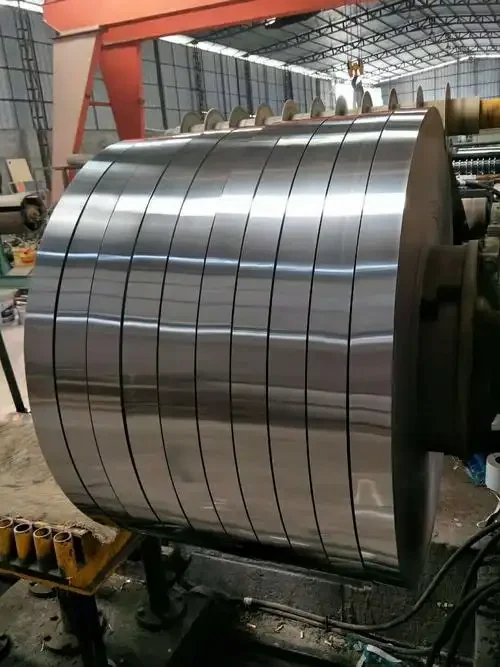
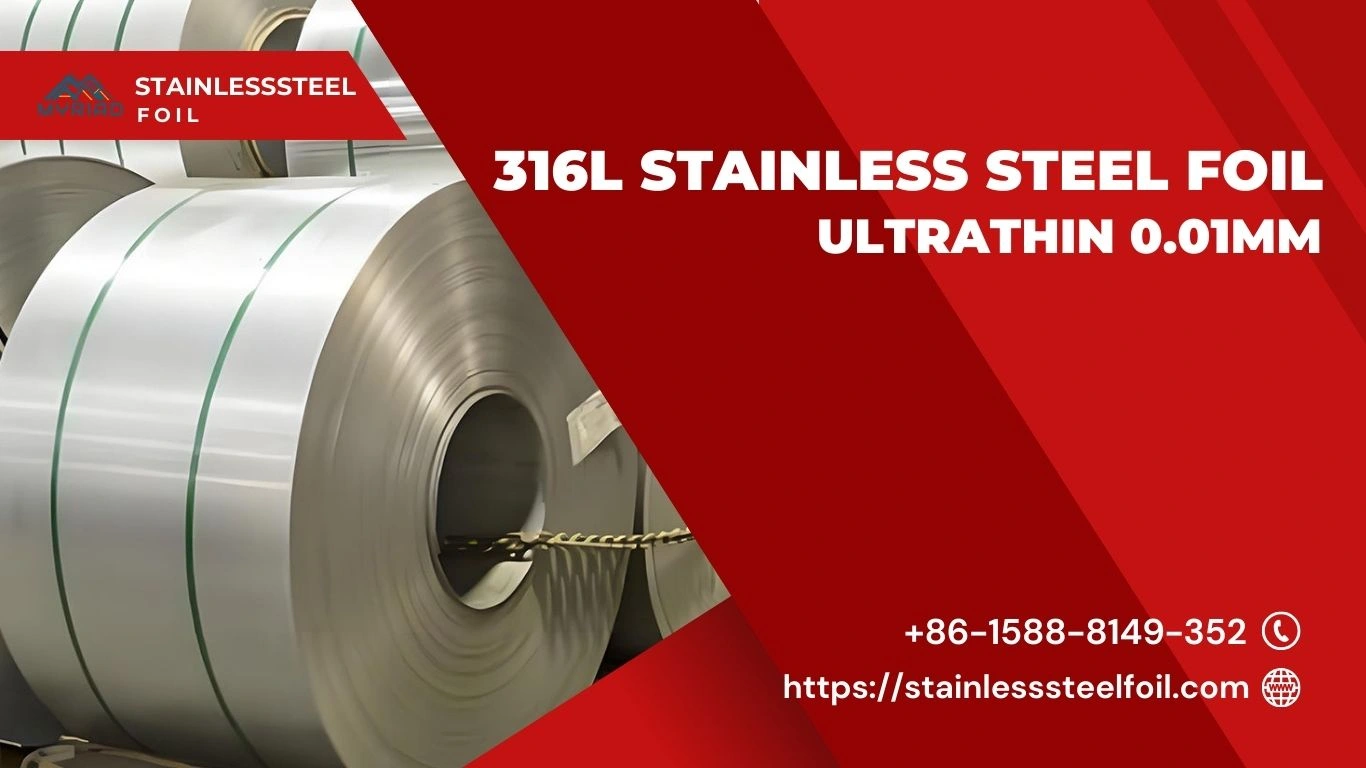
316L Stainless Steel Foil UltraThin refers to stainless steel foil manufactured to extremely low thicknesses, often as thin as 0.01mm. At this scale, the material behaves very differently from standard sheet or strip. Precision control becomes essential, and even minor variations in chemistry or rolling conditions can affect performance.
Grade 316L belongs to the austenitic stainless steel family. It contains chromium, nickel, and a small but critical addition of molybdenum. This combination delivers superior resistance to corrosion, especially in chloride-rich or chemically aggressive environments. The “L” designation indicates low carbon content, which improves weldability and minimizes carbide precipitation.
According to material science references such as Wikipedia’s stainless steel overview, low-carbon austenitic grades are preferred when both corrosion resistance and fabrication reliability matter.
Why UltraThin 0.01mm Thickness Matters
A thickness of 0.01mm places stainless steel foil in a category where traditional metalworking rules no longer apply. At this level, flexibility increases dramatically while strength remains surprisingly high. This balance makes 316L Stainless Steel Foil UltraThin ideal for applications requiring tight bends, layered assemblies, or thermal barriers.
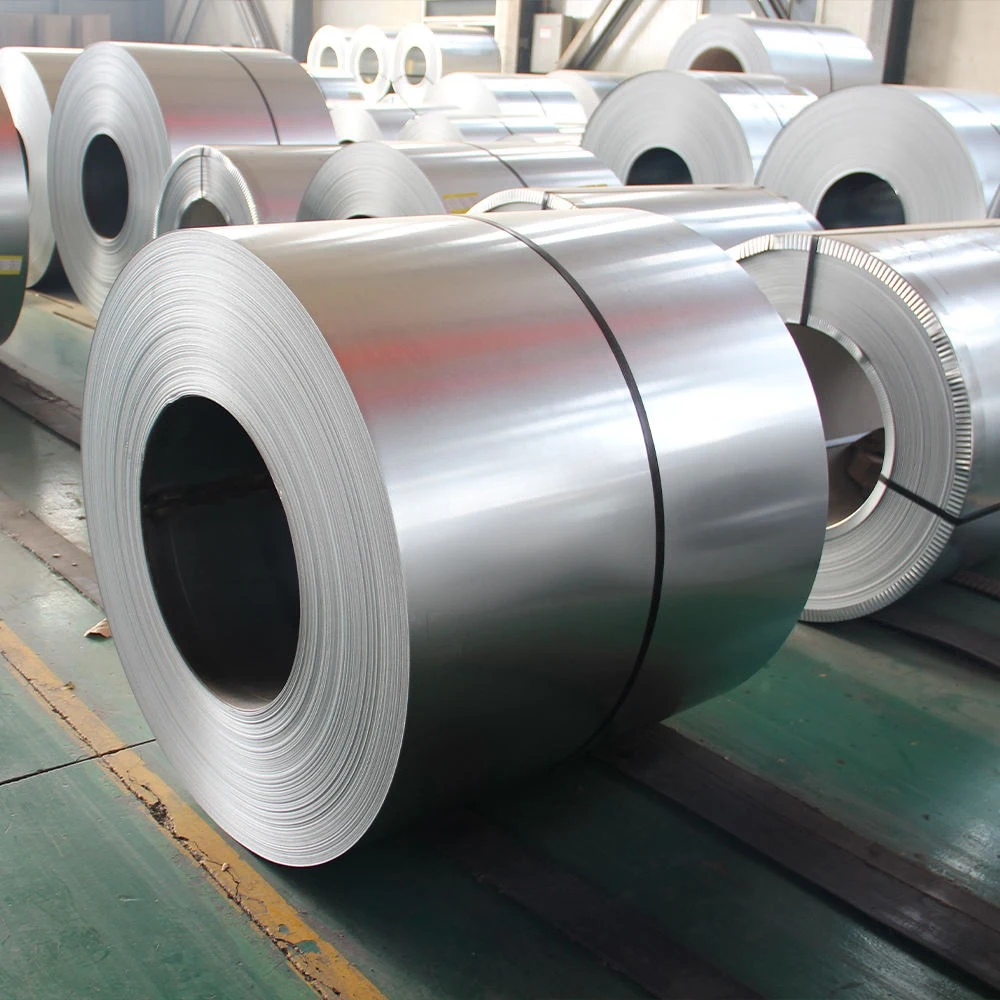
Ultra-thin foil also offers excellent heat transfer properties. Because the material is so thin, it responds quickly to temperature changes. This characteristic explains its popularity in heat-treating processes and precision thermal insulation.
Manufacturers that specialize in this niche, such as those described in Manufacture UltraThin 316L Stainless Steel Foil for Heat Treating, invest heavily in rolling accuracy and surface control.
Chemical Composition of 316L Stainless Steel
The performance of 316L Stainless Steel Foil UltraThin begins at the atomic level. Typical chemical composition includes approximately 16–18% chromium, 10–14% nickel, and 2–3% molybdenum, with carbon limited to a maximum of 0.03%.
Chromium forms a passive oxide layer that protects the steel from corrosion. Nickel stabilizes the austenitic structure, improving ductility and toughness. Molybdenum enhances resistance to pitting and crevice corrosion, particularly in salt-rich environments.
This carefully balanced chemistry explains why 316L foil performs better than many alternatives when thickness is reduced to extreme levels.
Mechanical Properties at UltraThin Scale
Mechanical properties behave differently in ultra-thin materials. While bulk 316L stainless steel offers excellent tensile strength and elongation, 316L Stainless Steel Foil UltraThin exhibits enhanced flexibility without losing structural integrity.
Tensile strength typically remains above 480 MPa, even at 0.01mm thickness. Elongation values are lower than thicker sheet, yet still sufficient for forming and bending operations. These characteristics allow ultra-thin foil to maintain shape under stress while conforming to complex geometries.
This balance makes it suitable for layered laminations, micro-fabrication, and precision sealing.
316L vs 316 Stainless Steel in UltraThin Foil
The difference between 316 and 316L becomes more important as thickness decreases. Standard 316 stainless steel contains higher carbon levels, which can lead to carbide precipitation during heat exposure.
In ultra-thin foil, this risk increases because the material heats and cools rapidly. 316L Stainless Steel Foil avoids this problem by minimizing carbon content, ensuring consistent corrosion resistance even after welding or heat treating.
A detailed comparison can be found in 316 vs 316L Stainless Steel Strip, which explains how low-carbon grades improve long-term performance.
Manufacturing Process of 316L Stainless Steel Foil UltraThin
Producing 316L Stainless Steel Foil UltraThin is a precision-driven process. It begins with melting raw materials in an electric arc furnace, followed by refining to achieve exact chemical composition.
The steel is cast into slabs, hot rolled, and then cold rolled through multiple stages. Each rolling pass reduces thickness incrementally while maintaining flatness and surface quality. Intermediate annealing restores ductility and relieves internal stress.
At thicknesses near 0.01mm, even microscopic defects can render the foil unusable. For this reason, advanced inspection systems monitor thickness variation, surface finish, and edge condition throughout production.
Surface Finish and Cleanliness
Surface finish matters greatly in ultra-thin foil applications. A smooth, clean surface improves corrosion resistance and reduces the risk of contamination, especially in medical or electronic environments.
Most 316L Stainless Steel Foil products are supplied with bright annealed or precision-rolled finishes. These finishes support applications where reflectivity, cleanliness, or controlled friction is required.
Heat Treating Applications
One of the most common uses of 316L Stainless Steel Foil UltraThin is in heat treating. The foil acts as a protective wrap, shielding components from oxidation and contamination during high-temperature processes.
Because 316L resists scaling and maintains integrity under heat, it performs better than carbon steel or lower-grade stainless foils. This application is discussed in depth in ultrathin foil for heat treating.
Industrial and High-Tech Applications
Beyond heat treating, 316L Stainless Steel Foil UltraThin supports a wide range of advanced applications. In aerospace, it serves as insulation layers and flexible shielding. In medical technology, it appears in implants, surgical tools, and diagnostic equipment.
Electronics manufacturers use ultra-thin foil for EMI shielding, battery components, and precision contacts. Chemical processing industries rely on its corrosion resistance in aggressive environments.
These applications demand reliability, consistency, and traceable quality—qualities that 316L delivers when manufactured correctly.
Comparison with Other Stainless Steel Foils
While 304 stainless steel foil is more economical, it lacks the molybdenum that gives 316L superior corrosion resistance. A comparison with 304 properties is available at 304 Stainless Steel Strip Properties & Applications.
For environments involving chlorides, acids, or elevated temperatures, 316L Stainless Steel Foil UltraThin consistently outperforms alternatives. This performance advantage often offsets its higher initial cost through longer service life and reduced maintenance.
Quality Standards and Tolerances
Ultra-thin foil production adheres to strict standards such as ASTM A240 and EN 10088. Thickness tolerances are often measured in microns, and surface defects are tightly controlled.
Reputable suppliers provide full material traceability, mill test certificates, and compliance documentation. Buyers should prioritize these factors when sourcing 316L Stainless Steel Foil UltraThin for critical applications.
Sustainability and Lifecycle Value
Stainless steel is fully recyclable, and 316L maintains its properties through multiple recycling cycles. This sustainability factor matters increasingly in modern supply chains.
Studies referenced in stainless steel material lifecycle data show that stainless steel often delivers lower environmental impact over its lifespan compared to coated or disposable materials.
Choosing the Right Supplier
Selecting the right supplier ensures consistent quality and technical support. A trusted manufacturer will offer customized thickness, controlled surface finishes, and reliable logistics.
For industry insights, technical articles, and updates, explore the stainless steel foil blog or contact specialists directly through the contact page.
Summary
316L stainless steel foil ultrathin at 0.01mm thickness is a remarkable material that combines strength, durability, and corrosion resistance. Its wide range of applications across various industries makes it an invaluable resource. Whether you are in aerospace, medical, or electronics, understanding the benefits and properties of this material will help you make informed choices for your projects for more information visit stainless steel foil and also contact us.
FAQs
What is the thickness of 316L stainless steel foil?
316L stainless steel foil ultrathin typically comes in thicknesses as low as 0.01mm, making it suitable for various applications where lightweight materials are required.
How does 316L stainless steel compare to other stainless steels?
316L stainless steel offers superior corrosion resistance compared to other stainless steels, particularly in chloride environments. Its low carbon content also enhances its weldability.
Can 316L stainless steel foil be used in medical applications?
Yes, 316L stainless steel is biocompatible and is widely used in medical devices and implants due to its corrosion resistance and durability.
What are the advantages of using ultrathin stainless steel foil?
The primary advantages include reduced weight, flexibility in applications, and enhanced corrosion resistance, making it ideal for aerospace, medical, and electronic applications.
Where can I purchase 316L stainless steel foil?
You can purchase 316L stainless steel foil directly from Stainless Steel Foil where we offer a wide range of products tailored to your needs.
What is the recycling process for stainless steel?
Stainless steel is 100% recyclable. The recycling process involves melting down scrap metal and reusing it to create new products, significantly reducing environmental impact.