Choosing the correct stainless steel coil for your specific application is a foundational decision that affects the performance, durability, and overall success of your project. While stainless steel is renowned for its corrosion resistance and strength, its properties are not universal. The specific grade, finish, thickness, and width of the coil you select must align precisely with the environmental conditions and mechanical demands it will face. This guide provides a detailed framework for making that selection with confidence, drawing on material science and practical industry knowledge.
Understanding Stainless Steel Coil
Stainless Steel Coil is a highly versatile material used across multiple industries, including construction, aerospace, automotive, consumer electronics, medical devices, and industrial manufacturing. Its popularity stems from its durability, corrosion resistance, thermal stability, and strength, all of which make it ideal for long-lasting and high-performance applications.
Choosing the right stainless steel coil for a project is not just about thickness or price. Material grade, composition, and intended application play a major role in determining performance, longevity, and safety. Selecting the wrong coil can lead to premature wear, corrosion issues, or structural failure in critical applications.
Manufacturers such as StainlessSteelfoil.com provide a wide range of stainless steel coils, including precision-engineered coils suitable for ultra-thin or high-strength applications. For readers who want foundational information on stainless steel, a comprehensive source is available at Stainless Steel – Wikipedia.
This guide explores all aspects of stainless steel coils, from composition, grades, and carbon content to applications and industry-specific requirements. Tables, research-based data, and expert insights are included to help engineers, fabricators, and buyers make informed decisions.
What is Stainless Steel Coil?
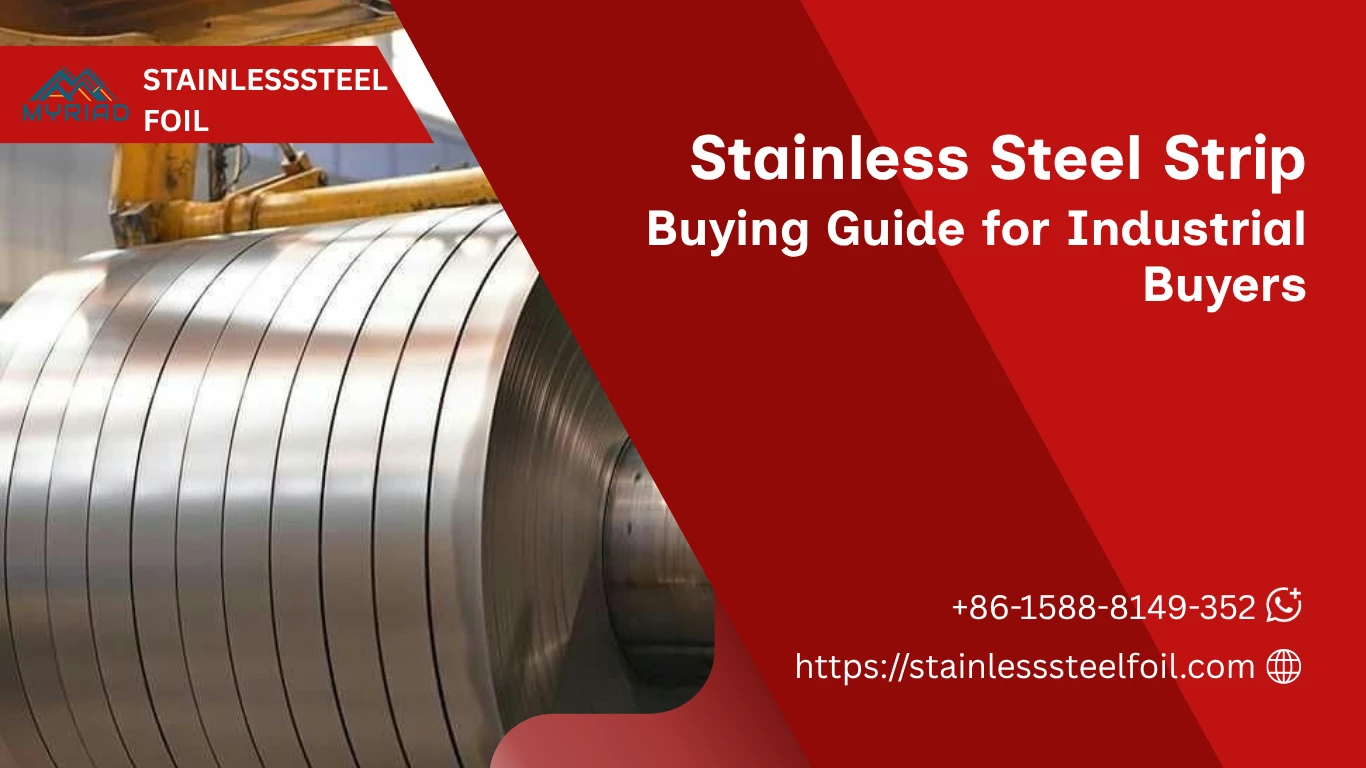
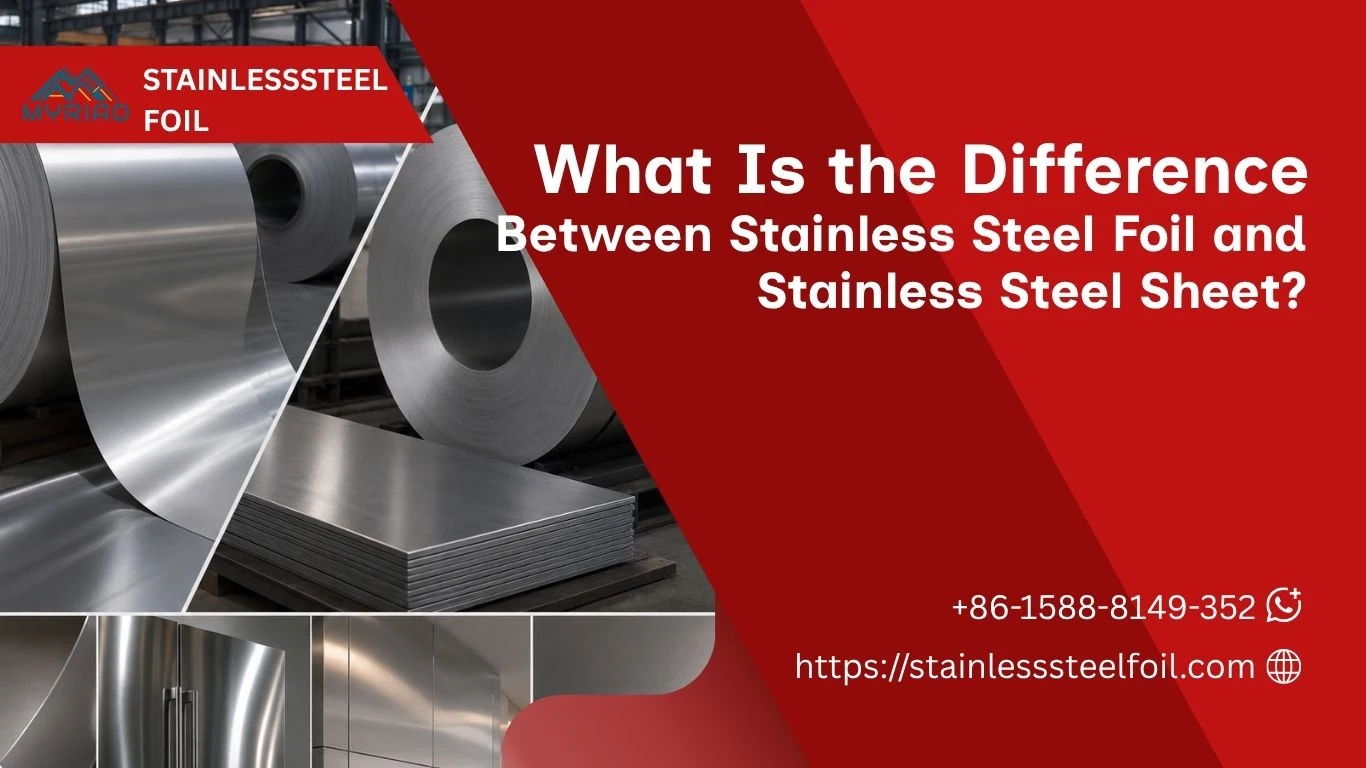
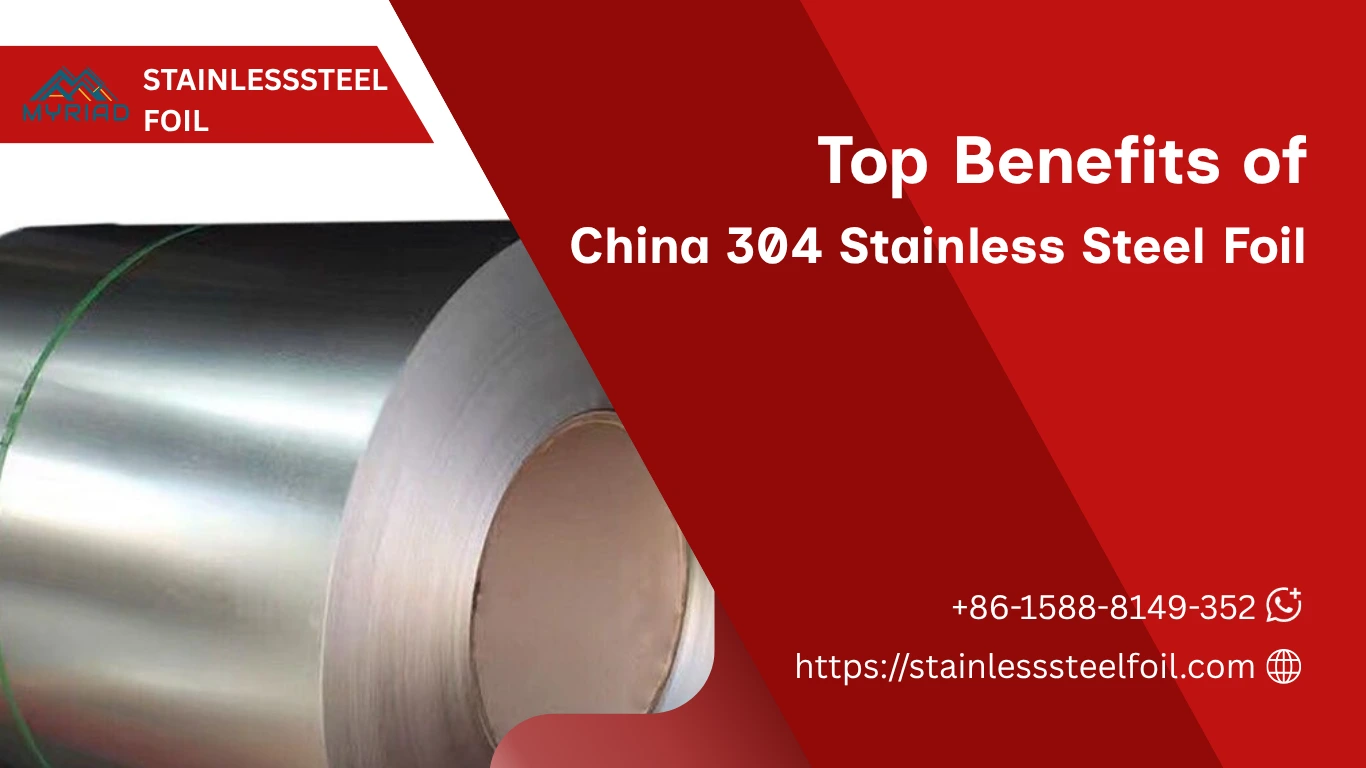
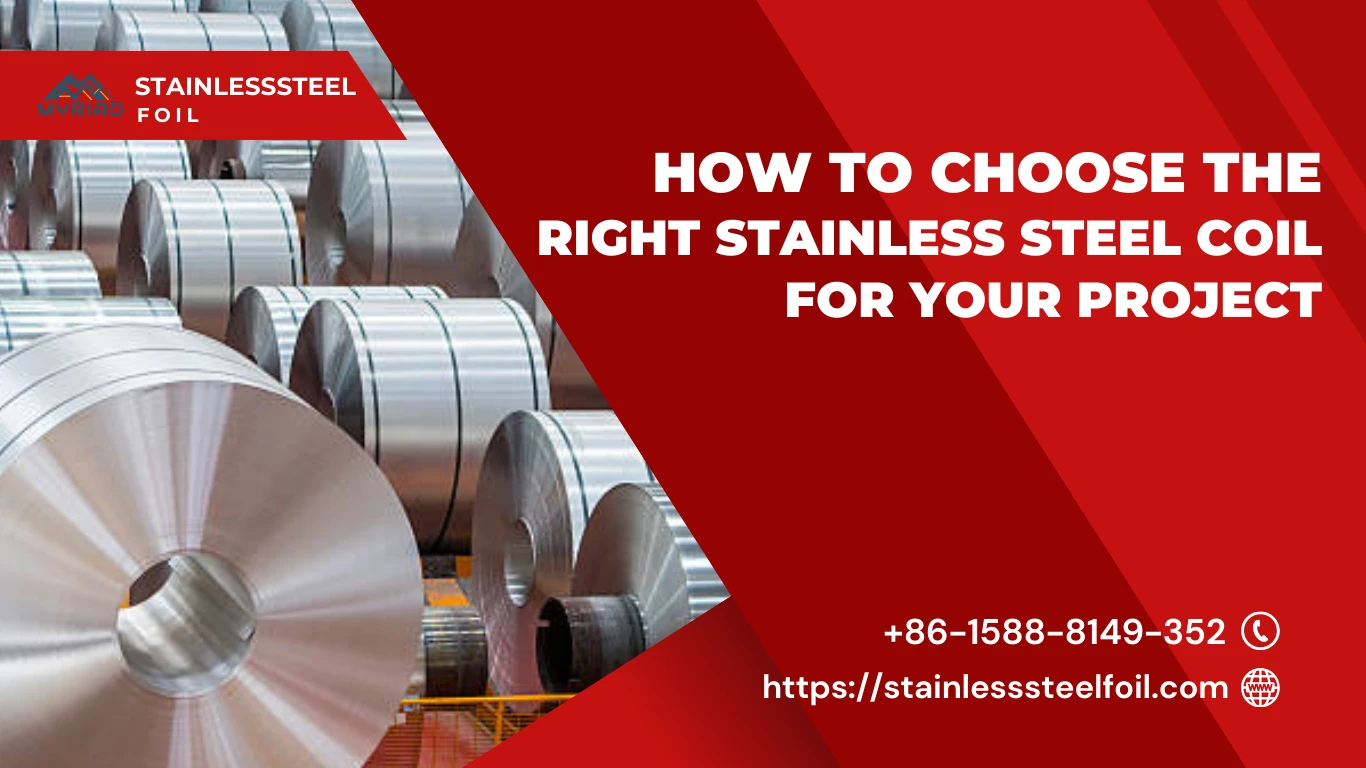
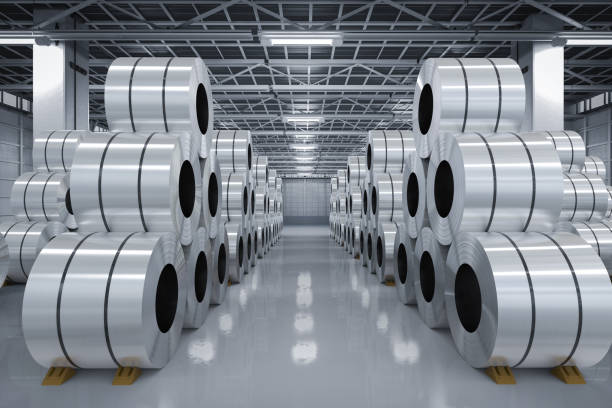
Stainless steel coil is a continuous rolled strip of stainless steel that comes in coiled form for easier handling, transportation, and storage. These coils are available in various thicknesses, widths, and grades, depending on the intended application. Coils can be either hot-rolled or cold-rolled, and each type has unique mechanical and metallurgical properties.

Hot-rolled stainless steel coils are typically thicker and have a rougher surface, making them suitable for construction and structural applications.
Cold-rolled stainless steel coils are thinner, smoother, and more precise, making them ideal for industrial machinery, kitchen appliances, and decorative purposes.
The process of transforming raw stainless steel into precise coils is intricate. You can explore detailed manufacturing steps here: How Stainless Steel Foil Is Made — From Hot Rolled Coil to Ultra-Thin Precision.
Composition of Stainless Steel Coil and the Effect of Carbon in Steel
The performance of stainless steel coil depends on its chemical composition, particularly carbon content. Carbon is a key element that affects strength, hardness, ductility, and corrosion resistance. Understanding the effect of carbon in steel helps in selecting the right coil for your project.
Key elements in stainless steel coils include:
| Element | Function |
|---|---|
| Iron (Fe) | Base metal providing structure and bulk strength |
| Chromium (Cr) | Offers corrosion resistance and forms a passive oxide layer |
| Nickel (Ni) | Enhances ductility and toughness |
| Carbon (C) | Increases hardness, tensile strength, and wear resistance |
| Manganese (Mn) | Improves mechanical properties and hardenability |
| Molybdenum (Mo) | Enhances pitting and crevice corrosion resistance |
| Silicon (Si) | Improves strength and oxidation resistance |
| Phosphorus (P) & Sulfur (S) | Small amounts for machinability and processing |
Effect of Carbon Content:
Low Carbon Steel (<0.15%): Excellent corrosion resistance, easy to weld, softer material, used in food-grade and medical applications.
Medium Carbon Steel (0.15–0.4%): Balanced hardness and ductility, suitable for machinery and structural components.
High Carbon Steel (>0.4%): Extremely hard and strong, best for industrial tools, cutting instruments, and high-wear applications.
Example: 1095 steel wiki — a high-carbon steel with approximately 0.95% carbon, known for its hardness and edge retention in blades.
High-carbon steels are integral in projects where mechanical strength and wear resistance are critical, while low-carbon stainless steel ensures corrosion resistance and formability for decorative or hygienic applications.
Different Types of Stainless Steel Coils
Selecting the right coil also depends on the type of stainless steel. Coils are generally classified by their alloy family and mechanical properties.
| Type | Properties | Common Applications |
|---|---|---|
| Austenitic (300 series) | High chromium & nickel, non-magnetic, excellent corrosion resistance | Kitchen equipment, chemical processing, medical devices |
| Ferritic (400 series) | Magnetic, moderate corrosion resistance, low nickel content | Automotive parts, industrial panels, heat-resistant components |
| Martensitic | High carbon, strong, hard, magnetic | Industrial blades, mechanical parts, precision tools |
| Duplex | Combination of austenitic and ferritic, high strength, corrosion-resistant | Chemical plants, offshore structures, high-stress equipment |
| Precipitation Hardening | Can be heat-treated for high strength | Aerospace parts, turbine blades, high-strength fasteners |
For coils designed for precision applications, manufacturers provide 316 stainless steel coils, known for marine-grade corrosion resistance: 316 Stainless Steel Coil.
Factors to Consider When Choosing a Stainless Steel Coil
Choosing the right and understanding multiple factors:
Application Requirements:
The environment and usage determine the grade. For instance, high-moisture or chemical environments require high corrosion-resistant grades like 316 or 304. For decorative panels, aesthetics and surface finish matter more.
Mechanical Properties:
Factors like tensile strength, yield strength, ductility, and hardness affect coil selection. High-carbon steels are stronger but less ductile; low-carbon steels are softer but easier to form.
Coil Thickness and Width:
Thickness ranges from 0.3 mm to several millimeters, and width depends on the fabrication method. Thinner coils are easier to shape, while thicker coils provide structural integrity.
Surface Finish:
Surface finish options include mill finish, polished, brushed, or coated. Polished or brushed finishes are often used for architectural or decorative projects.
Heat Treatment and Forming:
Some projects require coils to be cold-rolled, annealed, or heat-treated to achieve specific mechanical properties.
Comparison Table of Stainless Steel Coil Grades
| Grade | Carbon % | Chromium % | Nickel % | Properties | Common Uses |
|---|---|---|---|---|---|
| 301 | 0.15 | 16–18 | 6–8 | High tensile strength, flexible | Springs, automotive shims, aerospace |
| 304 | 0.08 | 18–20 | 8–10.5 | Excellent corrosion resistance | Food equipment, medical devices, industrial machinery |
| 316 | 0.08 | 16–18 | 10–14 | Marine-grade, high corrosion resistance | Chemical, marine, high-temperature applications |
| 430 | 0.12 | 16–18 | 0–0.75 | Magnetic, moderate corrosion resistance | Automotive trim, appliances |
| 410 | 0.15 | 11.5–13.5 | — | Hard, wear-resistant | Industrial blades, precision tools |
| 1095 (High Carbon) | 0.95 | 0.5–1 | — | Very hard, edge retention | Cutting tools, high-wear components |
Why Stainless Steel Coil is Preferred Over Other Materials
Stainless steel coils are chosen over aluminum, copper, or carbon steel for multiple reasons:
Corrosion resistance: Prevents rust and extends lifespan
High mechanical strength: Can bear heavy loads and stress
Thermal stability: Retains properties at high temperatures
Hygienic surface: Suitable for food and medical applications
Ease of fabrication: Rolls can be cut, formed, or welded
Recyclable and eco-friendly: Reduces environmental impact
Applications of Stainless Steel Coil Across Industries
- Electronics: Flexible connectors, EMI shielding, and heat dissipation layers
- Automotive: Exhaust systems, structural panels, battery components
- Medical: Surgical instruments, packaging, sterile surfaces
- Aerospace: Thermal insulation, structural shims, high-strength panels
- Food Industry: Hygienic surfaces, storage, heat exchangers
- Construction: Decorative panels, roofing, cladding
Summary
Choosing the right stainless steel coil depends on carbon content, alloy type, thickness, surface finish, and application requirements. High-carbon steels like 1095 are perfect for wear resistance, while austenitic 304/316 coils offer excellent corrosion resistance for chemical and marine environments. Understanding carbon steel metallurgy, mechanical properties, and grade specifications is essential to ensure the selected coil performs as intended.
For more detailed product information or to request custom stainless steel coil, visit: StainlessSteelfoil.com.
FAQs
What is stainless steel coil used for?
Used in aerospace, medical, automotive, electronics, chemical, and construction applications due to its strength, corrosion resistance, and durability.
How does carbon content affect stainless steel coil?
Higher carbon increases hardness and wear resistance but reduces ductility. Low carbon enhances corrosion resistance and weldability.
Which stainless steel coil is best for marine applications?
316 stainless steel coil is ideal due to high molybdenum content and resistance to pitting and corrosion.
Is stainless steel coil magnetic?
Austenitic coils (304, 316) are generally non-magnetic, while ferritic (430) and martensitic (410) coils are magnetic.
Where can I buy quality stainless steel coil?
Visit StainlessSteelFoil.com or contact for bulk orders here.