The global shift toward renewable energy has accelerated dramatically over the past decade, with solar, wind, and hydroelectric power leading the charge in sustainable electricity generation. As these technologies evolve, the materials used in their construction become increasingly important. Among the most valuable materials in renewable energy infrastructure is stainless steel, particularly in strip form. Understanding the benefits of using stainless steel strips in renewable energy systems reveals why this material has become indispensable for modern sustainable technology.
Stainless Steel Material and Its Unique Properties
Before exploring applications in renewable energy, we must understand what makes stainless steel exceptional. The stainless steel meaning refers to a family of iron-based alloys containing a minimum of 10.5% chromium, which creates a passive layer of chromium oxide on the surface. This invisible protective film gives stainless steel its remarkable resistance to corrosion and staining.
The stainless steel material composition extends beyond just iron and chromium. Various elements are added to create different grades, each with specific characteristics suited to particular applications. The stainless steel composition percentage typically includes iron as the base element (usually 50-70%), chromium (10.5-30%), nickel (0-35%), molybdenum (0-7%), and smaller amounts of carbon, manganese, silicon, and other elements depending on the grade.
Stainless Steel Properties That Benefit Renewable Energy
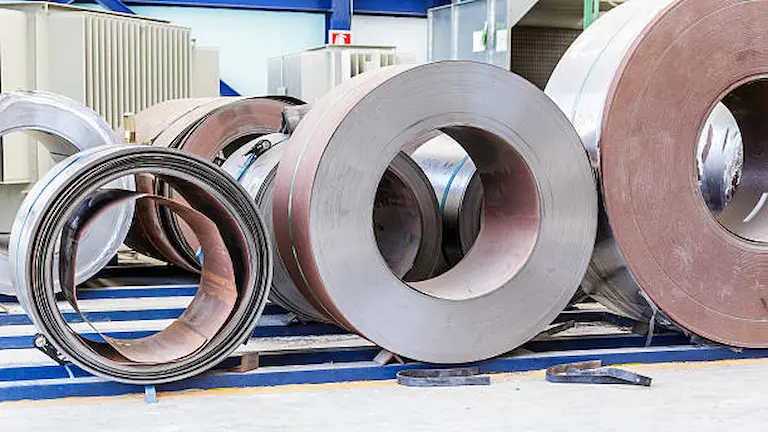
The stainless steel properties that make it ideal for renewable energy applications include:
Exceptional Corrosion Resistance: The chromium content forms a self-healing oxide layer that protects against moisture, chemicals, and atmospheric conditions. This becomes especially valuable in renewable energy installations exposed to harsh environmental conditions for decades.
High Strength-to-Weight Ratio: Stainless steel offers impressive mechanical strength while remaining relatively lightweight compared to other metals with similar durability. This makes it perfect for structural components in wind turbines and solar panel frames.
Temperature Resistance: Stainless steel maintains its structural integrity across extreme temperature ranges, from arctic conditions to desert heat. This thermal stability ensures consistent performance in diverse climates where renewable energy systems operate.
Longevity and Low Maintenance: The durability of stainless steel means less frequent replacement and minimal maintenance requirements. For renewable energy projects with 25-30 year operational lifespans, this translates to significant cost savings and improved reliability.
Hygiene and Cleanliness: The smooth, non-porous surface of stainless steel resists bacterial growth and is easy to clean, which becomes important in certain renewable energy applications like biomass processing facilities.
Recyclability: Stainless steel is 100% recyclable without loss of quality. This aligns perfectly with the sustainability goals of renewable energy projects, creating a circular economy within the green energy sector.
The Four Types of Stainless Steel and Their Applications
Understanding what are the 4 types of stainless steel helps identify which grades work best in different renewable energy contexts. These four families are classified based on their crystalline structure and composition.
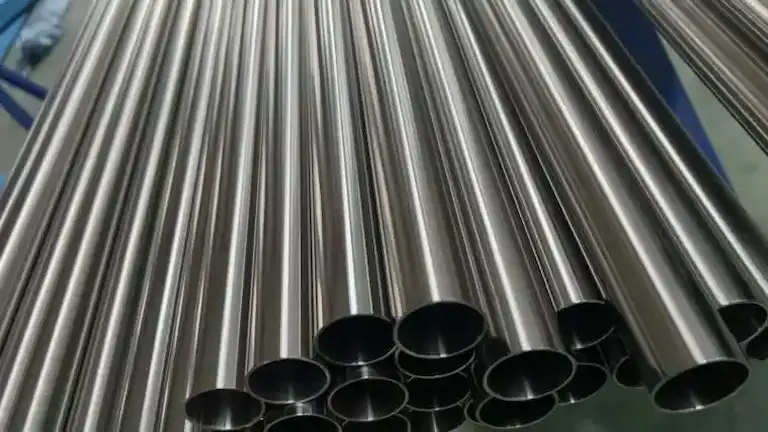
Austenitic Stainless Steel
Austenitic grades represent the most widely used stainless steel family, accounting for approximately 70% of global stainless steel production. These non-magnetic alloys contain high levels of chromium (16-26%) and nickel (6-22%), with the most common grades being 304 and 316.
The 316 stainless steel grade deserves special attention in renewable energy applications. It contains molybdenum (2-3%), which significantly enhances corrosion resistance, particularly against chlorides and marine environments. This makes 316 stainless steel strips ideal for offshore wind farms, coastal solar installations, and tidal energy systems where saltwater exposure is constant.
Austenitic stainless steels offer excellent formability, weldability, and toughness at cryogenic temperatures. They maintain their mechanical properties across wide temperature ranges, making them suitable for renewable energy systems in both hot desert climates and cold northern regions.
Ferritic Stainless Steel
Ferritic grades contain 10.5-30% chromium but little to no nickel, making them more cost-effective than austenitic types. These magnetic alloys include grades like 430 and 409. While they offer good corrosion resistance and oxidation resistance, they have lower toughness than austenitic grades.
In renewable energy applications, ferritic stainless steels work well for interior components, exhaust systems in biomass energy plants, and non-structural elements where extreme durability isn’t required. Their lower cost makes them attractive for budget-conscious projects without compromising basic corrosion protection.
Martensitic Stainless Steel
Martensitic grades are magnetic and can be hardened through heat treatment, offering high strength and moderate corrosion resistance. These grades contain 11-18% chromium with higher carbon content than other types. Common grades include 410, 420, and 440.
While less common in renewable energy applications due to lower corrosion resistance, martensitic stainless steels find use in specific components requiring high hardness and wear resistance, such as fasteners, shafts, and mechanical components in wind turbine gearboxes.
Duplex Stainless Steel
Duplex grades combine characteristics of both austenitic and ferritic structures, containing roughly equal proportions of each phase. With chromium content of 18-28%, molybdenum of 2.5-4%, and moderate nickel levels, duplex stainless steels offer excellent strength (approximately twice that of austenitic grades) and superior corrosion resistance.
For renewable energy systems, duplex stainless steels excel in demanding environments. Their high strength allows for thinner sections, reducing material costs while maintaining structural integrity. They’re particularly valuable in offshore wind installations, geothermal energy systems, and hydrogen production facilities where aggressive conditions prevail.
What Is Stainless Steel Used For in Renewable Energy Systems
The question of what is stainless steel used for in renewable energy encompasses dozens of applications across multiple technologies. Let’s explore the major renewable energy sectors and their reliance on stainless steel strips.
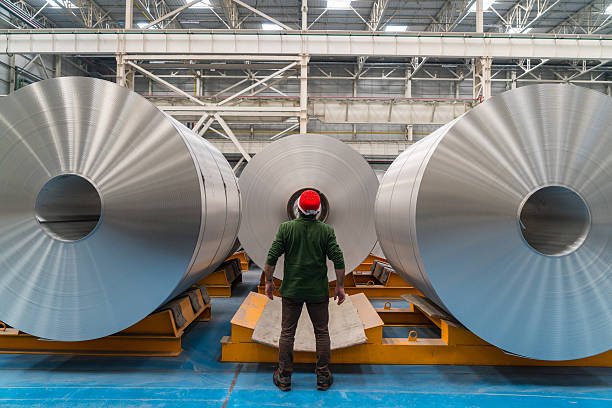
Solar Energy Applications
Solar power generation depends heavily on stainless steel throughout the system lifecycle. Photovoltaic panel mounting systems utilize stainless steel strips formed into brackets, rails, and support structures. These components must endure decades of outdoor exposure while maintaining precise alignment for optimal energy capture.
Tracking Systems: Advanced solar installations employ tracking mechanisms that follow the sun’s path across the sky, increasing energy production by 20-40%. These systems incorporate stainless steel strips in pivot assemblies, drive mechanisms, and structural supports where corrosion resistance and low maintenance are essential.
Electrical Enclosures: Junction boxes, inverter housings, and control cabinets protecting sensitive electronics from weather rely on stainless steel’s combination of durability and electromagnetic shielding properties. The material’s electrical conductivity also helps dissipate static charges and provides grounding paths.
Concentrated Solar Power (CSP): CSP facilities using mirrors to focus sunlight onto receivers operate at extreme temperatures. Stainless steel strips form reflective surfaces, mounting hardware, and structural components capable of withstanding thermal cycling without warping or degrading.
Wind Energy Applications
Wind turbines represent some of the most challenging environments for materials, combining high mechanical stress, constant vibration, temperature extremes, and weather exposure. Stainless steel strips address these challenges across multiple turbine systems.
Tower Components: While turbine towers primarily use structural steel, stainless steel strips serve in fastening systems, access ladders, platform grating, and protective covers where corrosion would compromise safety or functionality.
Nacelle Housings: The nacelle protecting generator, gearbox, and control systems from weather often incorporates stainless steel panels and trim. The material’s ability to maintain appearance and integrity through years of exposure reduces maintenance and extends service intervals.
Blade Lightning Protection: Lightning strikes pose serious risks to wind turbines. Stainless steel strips embedded in blade surfaces and trailing edges provide conductive paths to safely channel electrical discharge to ground, protecting expensive composite structures.
Offshore Installations: Marine wind farms face accelerated corrosion from saltwater spray and humidity. Stainless steel strips in grades 316 and duplex 2205 form transition pieces connecting towers to foundations, boat landing platforms, and all external hardware requiring decades of reliable service.
Hydroelectric and Tidal Energy
Water power installations encounter constant moisture and, in tidal applications, saltwater corrosion. Stainless steel strips prove indispensable in these demanding environments.
Turbine Components: Water turbines incorporate stainless steel in wicket gates, guide vanes, and sealing systems where wear resistance and corrosion protection determine operational efficiency and lifespan.
Penstock Liners: Large hydroelectric facilities sometimes use stainless steel strips as protective liners in penstocks (pipes delivering water to turbines), particularly in sections vulnerable to cavitation damage or where water chemistry presents corrosion risks.
Tidal Energy Devices: Emerging tidal power technologies face perhaps the most aggressive marine environments. Stainless steel grades like 2507 super duplex provide the extreme corrosion resistance needed for turbine housings, structural members, and mechanical linkages submerged in saltwater.
Biomass and Biofuel Production
Renewable energy from organic materials involves processing equipment that must resist both corrosion and contamination. Stainless steel’s hygienic properties make it ideal for these applications.
Processing Equipment: Biomass conversion facilities use stainless steel strips in conveyor systems, storage bins, and reactor vessels. The material’s cleanability prevents bacterial growth and cross-contamination between batches.
Exhaust Systems: Biomass combustion produces corrosive gases containing sulfur compounds. Stainless steel exhaust ducts and stack liners withstand this aggressive environment while maintaining structural integrity at elevated temperatures.
Biofuel Storage: Tanks storing biodiesel and ethanol require materials resistant to these solvents. Stainless steel provides chemical compatibility, preventing contamination that could affect fuel quality or system performance.
Hydrogen Production and Storage
As renewable energy storage through hydrogen gains momentum, stainless steel strips play increasingly important roles in this emerging sector.
Electrolyzes: Devices splitting water into hydrogen and oxygen using renewable electricity incorporate stainless steel in cell stacks, gas separators, and pressure vessels. The material must resist corrosion from alkaline or acidic electrolytes while maintaining structural integrity under pressure.
Compression Systems: Hydrogen compression for storage requires materials resistant to hydrogen embrittlement. Grade 316L (low carbon variant) and specialized austenitic grades provide this resistance in compressor components and high-pressure piping.
Storage Tanks: Large-scale hydrogen storage relies on stainless steel for tank construction, valves, and fittings. The material’s impermeability prevents hydrogen leakage while resisting embrittlement over extended service periods.
Battery Energy Storage Systems
Grid-scale battery installations supporting renewable energy require robust housing and thermal management systems where stainless steel strips excel.
Enclosures and Racks: Battery enclosures protect cells from environmental exposure while providing fire resistance. Stainless steel’s strength allows for compact designs maximizing energy density per footprint.
Thermal Management: Heat dissipation systems use stainless steel strips formed into heat exchangers and cooling channels. The material’s thermal conductivity and corrosion resistance ensure reliable temperature control extending battery life.
Electrical Connections: Bus bars and terminal blocks fabricated from stainless steel provide electrical conductivity, corrosion resistance, and mechanical strength in a single material, simplifying system design and reducing failure points.
The Manufacturing Process of Stainless Steel Strips
Understanding how manufacturers produce stainless steel strips helps explain their consistent quality and performance characteristics. The process begins with raw material selection and continues through multiple refining and forming stages.
Melting and Alloying: Production starts in electric arc furnaces where scrap stainless steel, iron, and alloying elements are melted together. Precise control of composition ensures the final product meets specifications for chromium, nickel, and other elements defining each grade.
Continuous Casting: Molten steel flows into continuous casting machines that solidify it into slabs several inches thick. This process creates uniform material structure essential for consistent mechanical properties.
Hot Rolling: Heated slabs pass through series of rollers that progressively reduce thickness while lengthening the material. Hot rolling develops the desired crystalline structure and initial dimensions approaching final specifications.
Annealing: Heat treatment relieves internal stresses introduced during rolling and optimizes material properties. Annealing temperatures and cooling rates vary by grade, determining final hardness, ductility, and corrosion resistance.
Cold Rolling: Further thickness reduction occurs at room temperature through cold rolling mills. This process improves surface finish, tightens dimensional tolerances, and can increase strength through work hardening.
Finishing Operations: Final processing includes edge trimming, surface polishing, and protective coating application. These operations prepare strips for specific applications and ensure they meet customer requirements.
Quality Control: Throughout manufacturing, rigorous testing verifies chemical composition, mechanical properties, surface quality, and dimensional accuracy. This quality assurance guarantees that stainless steel products consistently perform as specified.
Economic and Environmental Benefits of Using Stainless Steel Strips
The economic case for using stainless steel strips in renewable energy extends beyond initial material costs to encompass lifecycle value and environmental considerations.
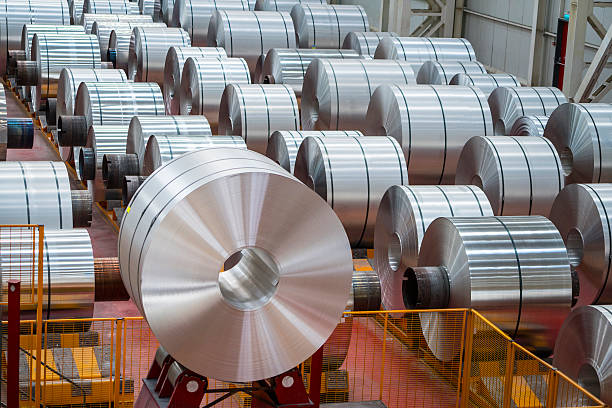
Extended Service Life: While stainless steel costs more initially than carbon steel or aluminum, its longevity often makes it the most economical choice. Renewable energy installations designed for 25-30 year operational lives benefit from materials that won’t require replacement during this period.
Reduced Maintenance: The corrosion resistance of stainless steel eliminates or minimizes painting, coating, and protective treatments. Maintenance crews can focus on mechanical and electrical systems rather than fighting corrosion, reducing operational costs and improving system availability.
Recycling Value: At end-of-life, stainless steel retains significant scrap value. The material can be melted and reprocessed indefinitely without quality degradation, recovering most of the initial material investment while supporting circular economy principles.
Environmental Impact: Stainless steel production has become increasingly efficient, with modern mills recycling waste heat and minimizing emissions. The material’s durability and recyclability reduce overall environmental impact compared to alternatives requiring frequent replacement.
Performance Reliability: Material failure in renewable energy systems costs more than just replacement parts. Lost generation during downtime represents forgone revenue and may trigger contractual penalties. Stainless steel’s reliability prevents these hidden costs.
Design Flexibility: The availability of various grades allows engineers to optimize material selection for each application, using premium grades only where necessary and cost-effective options elsewhere. This flexibility maximizes value across entire projects.
Future Trends in Stainless Steel for Renewable Energy
The renewable energy sector continues evolving rapidly, creating new opportunities and requirements for stainless steel applications.
Offshore Wind Expansion: As wind farms move farther offshore into deeper waters, material requirements become more stringent. Development of new super-austenitic and advanced duplex grades specifically for marine renewable energy applications promises improved performance and reduced lifecycle costs.
Green Hydrogen Economy: The emerging hydrogen economy will drive demand for stainless steel in electrolyzers, storage systems, and distribution infrastructure. Research into hydrogen-resistant alloys and surface treatments will enable safer, more efficient hydrogen systems.
Floating Solar Arrays: Large-scale solar installations on water bodies face unique challenges from humidity, thermal cycling, and biological fouling. Specialized stainless steel grades and coatings will support this growing application area.
Advanced Manufacturing: Additive manufacturing (3D printing) of stainless steel components enables complex geometries impossible with traditional forming. This technology could revolutionize renewable energy component design, optimizing performance while reducing material usage.
Nano-Enhanced Surfaces: Research into nano-structured stainless steel surfaces shows promise for self-cleaning solar panels and improved heat transfer in thermal systems. These advanced materials may enhance renewable energy efficiency while maintaining the base material’s reliable properties.
Circular Economy Integration: Increasing focus on sustainability drives development of closed-loop material systems. Stainless steel’s recyclability positions it advantageously as renewable energy projects increasingly prioritize end-of-life material recovery and reuse.
Selecting the Right Stainless Steel Grade for Your Application
Engineers and project managers face the challenge of selecting appropriate stainless steel grades from hundreds of available options. Several factors guide this decision-making process.
Environmental Exposure: Assess the corrosive elements present in the operating environment. Coastal locations require higher-grade alloys like 316 or duplex types, while inland installations may perform adequately with 304. Temperature extremes, humidity levels, and chemical exposure all influence grade selection.
Mechanical Requirements: Determine the structural loads, vibration levels, and fatigue cycles components will experience. High-stress applications may benefit from duplex grades offering superior strength, while lower-stress components can use standard austenitic grades.
Formability Needs: Complex shapes and tight bends require grades with excellent ductility. Austenitic types like 304 and 316 offer superior formability compared to ferritic or duplex grades, though they cost more.
Welding Considerations: If fabrication involves welding, select grades with good weldability and resistance to sensitization (chromium carbide precipitation at grain boundaries that reduces corrosion resistance). Low-carbon variants like 304L and 316L minimize this risk.
Budget Constraints: Balance performance requirements against project budgets. Using premium grades only where necessary and standard grades elsewhere optimizes cost without compromising system integrity.
Regulatory Compliance: Some applications face regulatory requirements specifying minimum material grades. Verify that selected materials meet applicable codes and standards for the intended application and location.
Consultation with Experts: When uncertain, consult with materials engineers or contact suppliers with experience in renewable energy applications. Their expertise can prevent costly mistakes and optimize material selection.
Installation and Maintenance Best Practices
Proper installation and maintenance maximize the benefits of using stainless steel strips in renewable energy systems.
Surface Protection: During construction, protect stainless steel surfaces from carbon steel contamination. Particles embedded in stainless steel surfaces can create rust stains and initiate corrosion. Use separate tools and work areas for stainless and carbon steel.
Proper Fastening: When joining stainless steel components, use compatible fasteners of the same or higher grade. Mixing dissimilar metals can create galvanic corrosion. Isolate stainless steel from less noble metals using insulators where contact is unavoidable.
Welding Quality: Ensure welders are qualified in stainless steel welding techniques. Proper shielding gas, heat control, and post-weld cleaning prevent sensitization and maintain corrosion resistance. Passivation treatments restore the protective oxide layer after welding.
Cleaning Procedures: Establish regular cleaning schedules appropriate to the environment. Mild detergent solutions remove dirt and salt deposits that can initiate crevice corrosion. Avoid chloride-containing cleaners that may damage the passive layer.
Inspection Programs: Implement periodic inspection protocols checking for signs of corrosion, mechanical damage, or fastener loosening. Early detection of problems allows corrective action before failures occur.
Documentation: Maintain records of material grades, installation dates, and maintenance activities. This information proves valuable for troubleshooting, planning replacements, and optimizing future projects based on real-world performance data.
Successful Applications in Major Projects
Examining real-world implementations demonstrates the practical benefits of using stainless steel strips in renewable energy systems.
Hornsea Wind Farm, United Kingdom: The world’s largest offshore wind farm utilizes extensive stainless steel in transition pieces, boat landings, and access systems. Grade 316L and duplex 2205 were specified for their superior marine corrosion resistance. After several years of operation in harsh North Sea conditions, these components show minimal degradation, validating the material selection.
Ivanpah Solar Power Facility, California: This concentrated solar power plant employs thousands of mirrors mounted on stainless steel structures. The combination of intense sunlight, desert heat, and occasional sandstorms creates challenging conditions. Stainless steel’s ability to maintain structural integrity and surface reflectivity ensures consistent power generation with minimal maintenance.
Rance Tidal Power Station, France: Operating since 1966, this pioneering tidal facility demonstrates stainless steel’s exceptional longevity in marine environments. Original stainless steel components remain in service after decades of twice-daily submersion in saltwater, testament to proper grade selection and installation.
Geothermal Plants, Iceland: Iceland’s geothermal facilities use duplex stainless steel extensively in piping and heat exchangers handling highly corrosive geothermal fluids. The material’s resistance to sulfides, chlorides, and elevated temperatures enables efficient heat extraction while maintaining system reliability.
These projects showcase how thoughtful material selection and proper application of stainless steel strips contribute to successful renewable energy installations across diverse technologies and environments.
Summary
Stainless steel strips play a vital role in renewable energy systems, offering unmatched durability, corrosion resistance, and sustainability. From solar panels to wind turbines, their applications are diverse and essential for the growth of green energy. Understanding the composition, properties, and types of stainless steel helps in selecting the right material for specific applications.
For more information on stainless steel products, visit Stainless Steel Foil.
FAQs
1. What is stainless steel used for?
Stainless steel is used in various industries, including construction, automotive, medical, and renewable energy. Its corrosion resistance and durability make it suitable for demanding applications.
2. What are the 4 types of stainless steel?
The four types are austenitic, ferritic, martensitic, and duplex stainless steel. Each type has unique properties and applications.
3. What is the composition of stainless steel?
Stainless steel is primarily composed of iron, chromium, and nickel. The exact composition varies depending on the grade and type.
4. Why is stainless steel used in renewable energy systems?
Stainless steel is used for its corrosion resistance, strength, and sustainability, making it ideal for renewable energy applications.
For further inquiries, feel free to Contact Us.