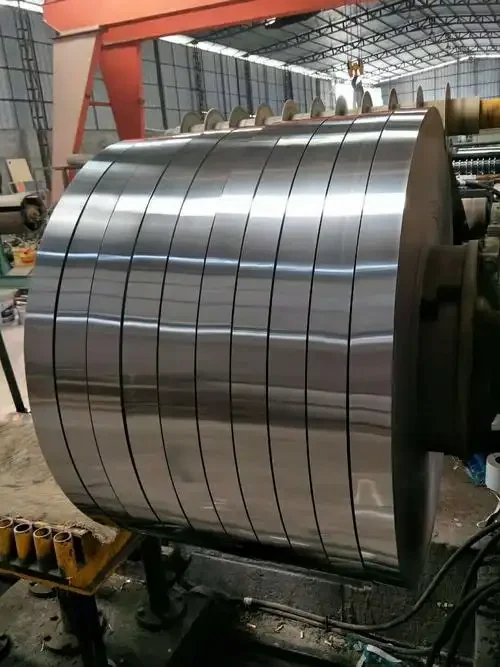
The global shift toward sustainable energy systems has created unprecedented demand for materials that can withstand harsh environmental conditions while maintaining long-term performance. Stainless steel coil has emerged as a fundamental component in renewable infrastructure, powering the transition to clean energy across solar farms, wind installations, and hydrogen production facilities. This versatile material combines exceptional durability with recyclability, making it an ideal choice for projects designed to operate for decades without significant maintenance or replacement.
Understanding Stainless Steel and Its Unique Properties
What is stainless steel? This alloy consists primarily of iron combined with chromium, which creates a protective layer on the surface that prevents corrosion and rust. The stainless steel Wikipedia typically ranges from 10.5% to 30%, forming an invisible passive film that regenerates when damaged. This self-healing characteristic distinguishes stainless steel from ordinary carbon steel and explains its superior performance in challenging environments.
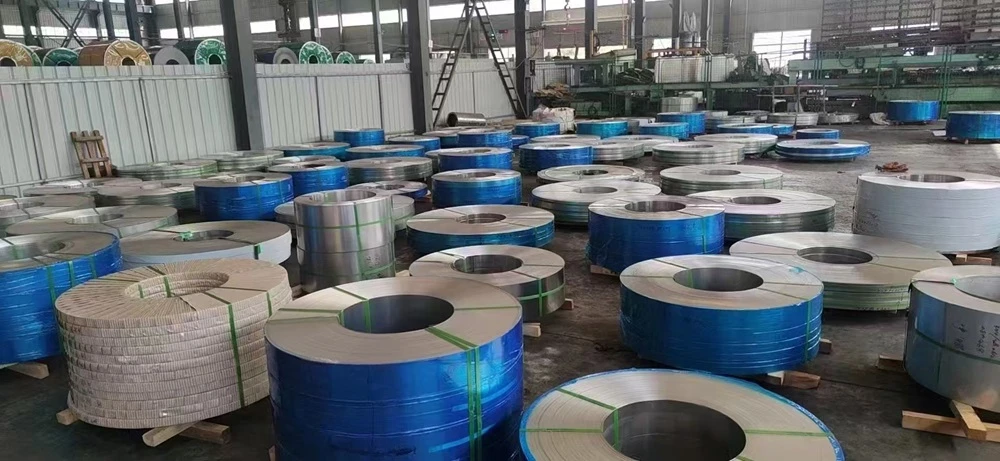
The stainless steel composition percentage varies depending on the grade and intended application. A typical austenitic grade like 304 contains approximately 18% chromium and 8% nickel, while 316 stainless steel coil includes 16-18% chromium, 10-14% nickel, and 2-3% molybdenum. The molybdenum addition significantly enhances resistance to chloride corrosion, making it perfect for coastal wind farms and marine renewable energy installations.
The Four Main Types of Stainless Steel
Understanding what the 4 types of stainless steel helps engineers select appropriate materials for specific renewable energy applications. Each category offers distinct mechanical properties and corrosion resistance levels.
Austenitic Stainless Steel represents the most widely used type in renewable infrastructure. This non-magnetic variety contains high levels of chromium and nickel, offering excellent formability and weldability. Grades 304 and 316 dominate renewable energy applications, from solar panel mounting systems to geothermal heat exchangers. The austenitic structure remains stable across temperature ranges, making these grades reliable in both arctic wind farms and desert solar installations.
Ferritic Stainless Steel contains chromium without significant nickel content, resulting in a magnetic material with good corrosion resistance at a lower cost. Grade 430 serves well in less demanding renewable applications, such as indoor electrical enclosures and equipment housing. Ferritic grades demonstrate better stress corrosion cracking resistance than austenitic types, though they offer lower toughness at sub-zero temperatures.
Martensitic Stainless Steel provides high strength and hardness through heat treatment processes. These grades find applications in renewable infrastructure components requiring wear resistance, such as turbine shafts and fasteners. The higher carbon content creates a harder structure but reduces corrosion resistance compared to austenitic grades.
Duplex Stainless Steel combines austenitic and ferritic structures, delivering approximately twice the strength of standard austenitic grades while maintaining excellent corrosion resistance. This hybrid structure makes duplex grades increasingly popular in offshore wind installations and tidal energy systems, where both strength and marine corrosion resistance become essential.
Five Types of Stainless Steel for Renewable Applications
Expanding beyond the four main categories, 5 types of stainless steel commonly appear in renewable infrastructure projects, each serving specialized functions.
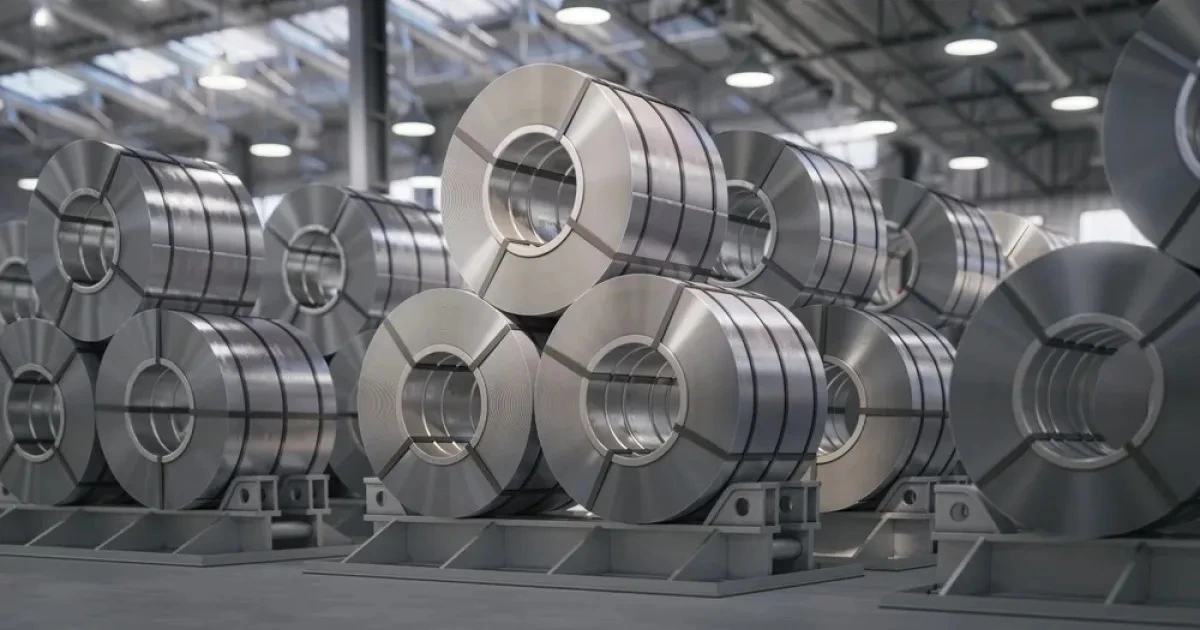
Grade 304 remains the workhorse of stainless steel products in renewable energy. Its balanced composition provides excellent general corrosion resistance and formability. Solar mounting systems, wind tower internals, and hydroelectric facility components frequently specify this grade. The material maintains integrity across temperature variations and resists atmospheric corrosion effectively.
Grade 316 adds molybdenum to the composition, creating superior resistance to pitting and crevice corrosion in chloride environments. Offshore wind farms, coastal solar installations, and wave energy converters rely heavily on this grade. The additional cost compared to 304 proves worthwhile in marine settings where saltwater exposure occurs regularly.
Grade 2205 Duplex offers exceptional strength-to-weight ratios for structural renewable energy components. This grade supports heavier loads with thinner material sections, reducing overall project costs. Its resistance to stress corrosion cracking surpasses that of conventional austenitic grades, making it ideal for pressurized systems in hydrogen production and storage facilities.
Grade 430 Ferritic provides cost-effective solutions for less corrosive renewable energy environments. Indoor biomass facility components, electrical cabinets, and protective covers often utilize this grade. While it lacks the extreme corrosion resistance of austenitic grades, its magnetic properties benefit certain sensor and monitoring applications.
Grade 17-4 PH Precipitation Hardening delivers high strength through aging treatments, supporting critical load-bearing components in renewable infrastructure. Wind turbine gearbox parts, solar tracker mechanisms, and hydroelectric valve components benefit from this grade’s mechanical properties combined with moderate corrosion resistance.
Stainless Steel Properties Essential for Renewable Infrastructure
The stainless steel properties that make this material indispensable for renewable energy projects extend beyond basic corrosion resistance. These characteristics ensure long-term performance under demanding operational conditions.
Temperature Stability allows stainless steel coil to maintain mechanical properties across extreme temperature ranges. Concentrated solar power facilities expose materials to temperatures exceeding 500°C, while arctic wind installations operate at -40°C or lower. Austenitic grades retain ductility and toughness throughout these ranges without becoming brittle or losing strength.
Fatigue Resistance proves essential for components experiencing cyclic loading. Wind turbine towers flex continuously as blades rotate, while tidal energy devices endure constant wave action. The excellent fatigue properties of properly selected stainless steel grades prevent crack initiation and propagation over millions of load cycles.
Hygiene and Cleanliness matter in hydrogen production facilities and biomass processing plants where contamination affects efficiency. The smooth, non-porous surface of stainless steel resists bacterial growth and allows thorough cleaning. This property also benefits solar panel frames, preventing biological growth that might reduce light transmission.
Fire Resistance protects renewable energy installations from thermal hazards. Stainless steel maintains structural integrity at elevated temperatures, providing crucial safety margins in battery storage facilities and biomass combustion systems. Unlike coated carbon steel, the corrosion protection remains intact after fire exposure.
Stainless Steel Grades Chart for Renewable Energy Selection
A comprehensive stainless steel grades chart guides material selection for specific renewable infrastructure components. The following comparison demonstrates key differences between commonly specified grades.
Grade 304 contains 18% chromium and 8% nickel, offering tensile strength of 515 MPa and excellent general corrosion resistance. Engineers specify this grade for solar mounting structures, wind tower access ladders, and hydroelectric penstock liners in freshwater environments.
Grade 316 increases molybdenum content to 2-3%, raising pitting resistance equivalent numbers (PREN) from 18 to 24. This enhancement justifies the 20-30% cost premium in marine renewable installations. Tensile strength reaches 515-620 MPa depending on the temper condition.
Grade 2205 Duplex achieves a minimum yield strength of 450 MPa, approximately double that of 316. The PREN exceeds 35, providing outstanding resistance to chloride stress corrosion cracking. Offshore wind foundation structures and subsea power transmission equipment increasingly adopt this grade.
Grade 321 adds titanium stabilization, preventing carbide precipitation during welding and high-temperature service. Geothermal power plant piping and concentrated solar receiver tubes benefit from this modification, which maintains corrosion resistance in heat-affected zones.
Manufacturing and Processing Stainless Steel Coil
The stainless steel coil production process begins with melting raw materials in electric arc furnaces. Producers carefully control composition through argon oxygen decarburization, achieving precise chemistry requirements for renewable energy applications. This refining stage removes carbon and adjusts alloying elements to meet specified tolerances.
Hot Rolling transforms cast slabs into coils at temperatures above 1000°C. Multiple rolling passes reduce thickness while maintaining width. The high temperature promotes recrystallization, refining grain structure for optimal mechanical properties. Hot-rolled coils typically range from 2mm to 12mm thickness, suitable for structural renewable energy components.
Cold Rolling further reduces thickness and improves surface finish. Mills process hot-rolled, pickled coils through successive stands, achieving thicknesses down to 0.1mm. The work hardening that occurs during cold rolling increases strength, though subsequent annealing may restore ductility for forming operations. Cold-rolled stainless steel coil provides the smooth surface finish required for visible renewable energy components.
Annealing and Pickling removes scale and restores corrosion resistance after processing. Bright annealing in controlled atmosphere furnaces produces the reflective surface finish often specified for solar applications. Acid pickling dissolves oxide scale, exposing the chromium-rich passive layer that protects against corrosion.
Applications in Solar Energy Infrastructure
Solar installations consume significant quantities of stainless steel coil across multiple system components. Mounting structures support panels for 25-30 years, demanding materials that resist environmental degradation without frequent maintenance.
Tracking Systems employ stainless steel components in actuators, bearings, and structural elements. These mechanisms adjust panel orientation throughout the day, maximizing energy capture. The corrosion resistance and fatigue properties of grade 304 ensure reliable operation despite continuous motion and weather exposure.
Concentrated Solar Power facilities utilize stainless steel extensively in receiver systems and heat exchangers. Grade 321 handles the thermal cycling and high temperatures encountered in these applications. The material transfers heat efficiently while maintaining structural integrity under thermal stress.
Junction Boxes and Electrical Enclosures protect sensitive electronics from moisture and contaminants. Stainless steel’s electromagnetic shielding properties complement its weatherproofing capabilities. The material prevents galvanic corrosion when connected to aluminum panel frames, a common reliability concern in solar installations.
Wind Energy Applications
Wind turbines operate in some of Earth’s harshest environments, from offshore platforms to mountain ridges. Stainless steel coil serves numerous functions within these massive renewable energy generators.
Tower Internals including cable trays, ladders, and platforms require materials that resist humidity and temperature variations inside nacelles. Grade 304 provides the necessary durability while minimizing weight compared to carbon steel alternatives. The lower maintenance requirements reduce lifecycle costs and improve turbine availability.
Offshore Foundations experience continuous saltwater exposure and wave impacts. Grade 2205 duplex stainless steel has gained acceptance for transition piece components and boat landing platforms. The superior strength allows designers to reduce material thickness, offsetting the higher material cost through reduced fabrication expenses.
Fastening Systems hold turbine components together despite vibration and thermal expansion. Precipitation hardening grades provide the strength and corrosion resistance needed for critical bolted connections. These fasteners maintain preload over decades without degradation, preventing loosening that could lead to catastrophic failure.
Hydrogen Production and Storage Infrastructure
The hydrogen economy depends heavily on materials that resist embrittlement while containing this small, reactive molecule. Stainless steel coil meets these challenges across production, storage, and distribution systems.
Electrolyzers split water into hydrogen and oxygen using renewable electricity. Stainless steel plates form the core structure, separating gas streams while conducting current. Grade 316L with extra-low carbon content prevents sensitization during welding, maintaining corrosion resistance in the acidic or alkaline electrolyte environment.
Pressure Vessels store compressed hydrogen gas at pressures exceeding 350 bar. The austenitic structure of grades 304 and 316 resists hydrogen embrittlement better than ferritic or martensitic types. Regular inspection protocols verify continued fitness for service, though properly selected stainless steel typically performs reliably for the vessel’s design life.
Pipeline Systems transport hydrogen from production sites to end users. The passive oxide layer on stainless steel prevents hydrogen from penetrating the crystal structure and causing embrittlement. This property becomes increasingly valuable as existing natural gas infrastructure converts to carry hydrogen-enriched fuels.
Environmental Benefits and Sustainability
The environmental benefits of stainless steel coil extend throughout its lifecycle, from production through decades of service and eventual recycling. This sustainability profile aligns perfectly with renewable energy sector values.
Recyclability approaches 100% for stainless steel, with recycled content in new production averaging 60-80%. The magnetic separation of ferritic grades and density separation of austenitic types enable efficient sorting at end-of-life. Recycling requires only 20-30% of the energy needed for primary production from ore.
Longevity reduces replacement frequency and associated environmental impacts. A stainless steel component serving 30-40 years in renewable infrastructure avoids the carbon emissions from manufacturing three or four replacement parts from less durable materials. This durability multiplies the environmental advantage of renewable energy installations.
Low Maintenance requirements minimize the use of cleaning chemicals, protective coatings, and repair materials. The self-passivating chromium oxide layer continuously regenerates, eliminating the need for paint or galvanizing that carbon steel requires. This characteristic reduces lifecycle environmental footprint and operating costs simultaneously.
Selection Criteria for Renewable Infrastructure Projects
Engineers evaluate multiple factors when specifying stainless steel types for renewable energy applications. The decision process balances performance requirements against budget constraints and availability.
Corrosivity Assessment examines chloride exposure, humidity levels, temperature ranges, and contact with dissimilar metals. Coastal locations demand grade 316 or duplex alloys, while inland sites may perform adequately with grade 304. Proper assessment prevents premature failure while avoiding unnecessary material upgrades.
Mechanical Requirements determine minimum strength, ductility, and toughness specifications. Load calculations account for wind forces, seismic activity, and operational stresses. Duplex grades offer strength advantages for weight-sensitive applications, while austenitic grades provide superior low-temperature toughness.
Fabrication Considerations influence grade selection based on required forming, welding, and machining operations. Grade 304 offers excellent formability for complex shapes, while precipitation hardening grades require careful heat treatment procedures. Weldability varies significantly between types, affecting assembly methods and quality control requirements.
Economic Analysis compares initial material costs against lifecycle expenses including maintenance, inspection, and replacement. Higher-grade stainless steel frequently delivers lower total cost of ownership despite premium purchase prices. Contact us for detailed material selection assistance tailored to your renewable infrastructure project requirements.
Future Developments in Renewable Infrastructure Materials
Research continues advancing stainless steel technology for emerging renewable energy applications. Novel compositions and processing methods promise improved performance and reduced costs.
Lean Duplex Grades reduce nickel content while maintaining strength and corrosion resistance through optimized chromium and nitrogen additions. These developments make high-performance stainless steel more accessible for large-scale renewable projects in developing markets.
Powder Metallurgy techniques enable complex geometries impossible with conventional manufacturing. Wind turbine components and hydrogen valve bodies benefit from near-net-shape production that minimizes machining waste and reduces lead times.
Additive Manufacturing opens new possibilities for optimized renewable energy components. Selective laser melting of stainless steel powder creates lightweight structures with internal cooling channels and integrated features. This technology particularly benefits concentrated solar receivers and geothermal heat exchangers.
The stainless steel foil industry continues innovating to support renewable infrastructure expansion. Advanced surface treatments enhance solar reflectivity, while new alloy developments improve hydrogen compatibility. These improvements position stainless steel coil as the material of choice for the next generation of clean energy systems.
Summary
Stainless steel coil serves as the backbone material for renewable infrastructure worldwide, offering unmatched corrosion resistance, mechanical properties, and sustainability. The four main types—austenitic, ferritic, martensitic, and duplex—each contribute unique characteristics to solar, wind, hydrogen, and other clean energy applications. Understanding stainless steel composition percentages, properties, and grade selection criteria enables engineers to design renewable energy systems that operate reliably for decades with minimal maintenance. The material’s complete recyclability and low lifecycle environmental impact reinforce its position as the optimal choice for infrastructure supporting the global energy transition. From solar mounting systems to offshore wind foundations and hydrogen storage vessels, stainless steel coil delivers the performance and longevity renewable energy projects demand.
FAQs
Q1: What makes stainless steel coils suitable for renewable infrastructure?
Stainless steel coils are ideal for renewable infrastructure due to their corrosion resistance, durability, and ability to withstand extreme conditions.
Q2: What are the primary types of stainless steel?
The four primary types are austenitic, ferritic, martensitic, and duplex stainless steel.
Q3: How does stainless steel composition affect its properties?
The composition determines properties such as strength, corrosion resistance, and weldability.
Q4: What are the environmental benefits of stainless steel coils?
Stainless steel coils are 100% recyclable, reducing waste and supporting sustainability.
For further inquiries, visit Contact Us.