Stainless steel is one of those materials that quietly supports modern life. From kitchen equipment and medical devices to architectural structures and precision-engineered components, it is everywhere. Among its many forms, stainless steel strip stands out for its versatility, consistency, and adaptability across industries.
In this detailed guide, we will explore Stainless Steel Strip 304/304L, along with 316/316L coil and other common grades. You will learn how stainless steel strips are produced, processed, sized, and selected for specific applications. Whether you are an engineer, buyer, fabricator, or importer, this article is designed to give you a practical, real-world understanding—without sounding like a textbook.
For product references and real manufacturing capabilities, you can explore the official site at stainless steel foil and its dedicated products section.
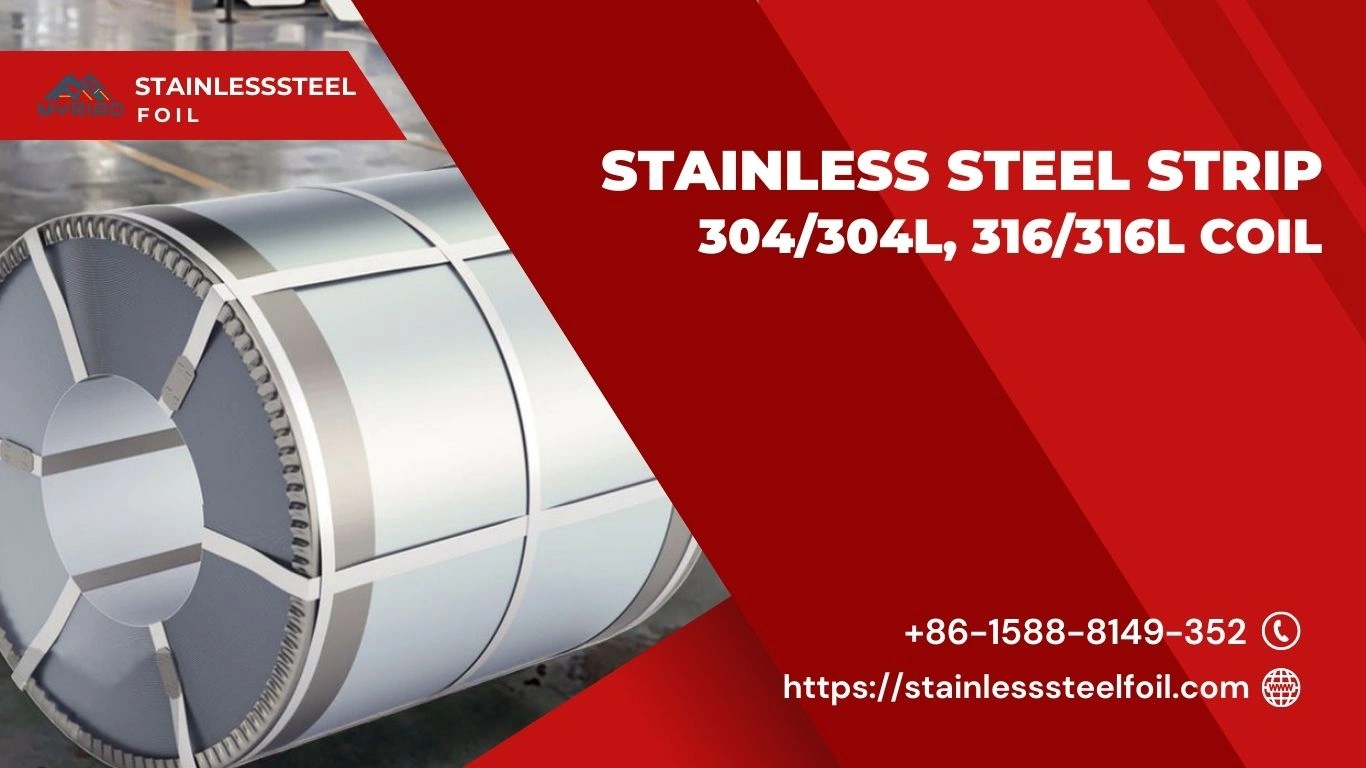
Stainless Steel Strip | 304/304L, 316/316L Coil
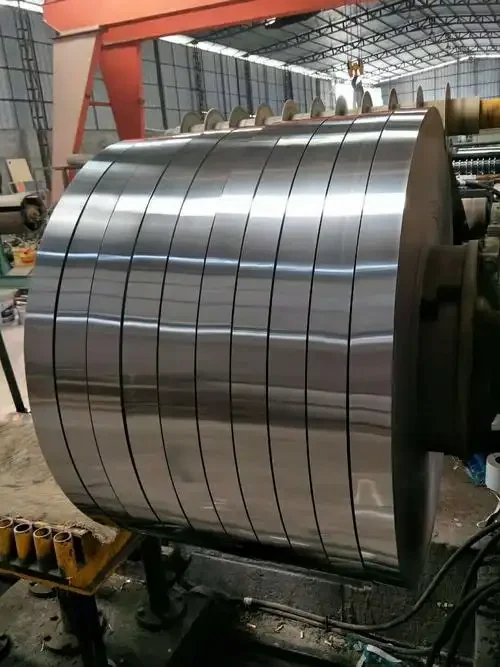
A stainless steel strip is essentially a flat-rolled stainless steel product supplied in coil form and slit into narrow widths. These strips combine strength, corrosion resistance, and excellent surface finish, making them ideal for both structural and decorative uses.
Among all available grades, Stainless Steel Strip 304/304L is the most widely used worldwide. It offers a balance of corrosion resistance, formability, and cost efficiency that few materials can match. The low-carbon variant, 304L, improves weldability and reduces carbide precipitation, especially in thicker sections.
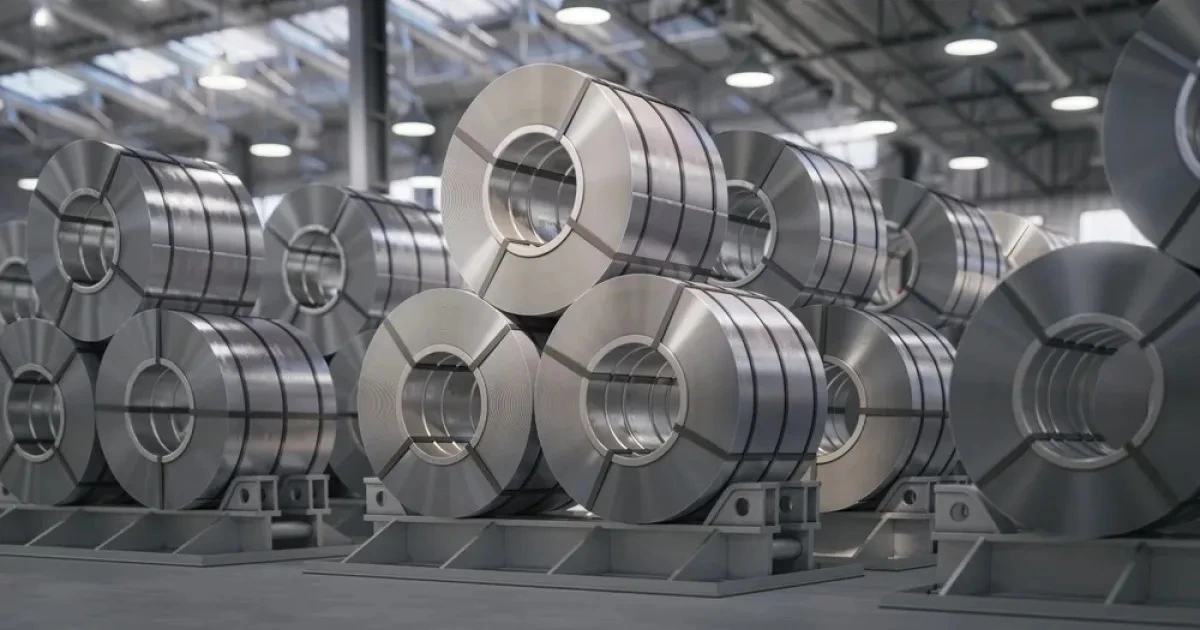
For environments exposed to chlorides, acids, or marine conditions, 316/316L stainless steel strip coils are preferred. The addition of molybdenum significantly improves resistance to pitting and crevice corrosion.
You can explore a dedicated supplier overview for 304 strip at Myriad 304 Stainless Steel Strip Supplier.
Stainless Steel Strip Coil Specifications
Stainless steel strip coils are manufactured to tight tolerances. Specifications usually depend on application, industry standards, and customer requirements.
Most stainless steel strips comply with international standards such as ASTM A240, ASTM A666, EN 10088, or JIS G4305. Widths can range from just a few millimeters to over 600 mm, while thickness may vary from ultra-thin precision foil to heavy-gauge strip.
Surface finishes also matter. Common options include 2B for general industrial use, BA for reflective surfaces, and No.4 for architectural and decorative applications. Choosing the right finish ensures both performance and aesthetics.
Advantages of Stainless Steel Strip
One reason stainless steel strip remains in constant demand is its ability to perform reliably in harsh conditions. Stainless Steel Strip 304/304L delivers excellent corrosion resistance in most atmospheric environments, making it suitable for indoor and outdoor use.
Another advantage is its formability. Stainless steel strips can be bent, stamped, rolled, or welded without cracking. This flexibility allows manufacturers to produce complex shapes with minimal waste.
Long service life is another key benefit. According to material lifecycle studies referenced by Wikipedia’s stainless steel overview, stainless steel often outperforms carbon steel when total ownership cost is considered, despite higher upfront pricing.
Stainless Steel Grades Overview
Stainless steel is categorized into several families, including austenitic, ferritic, martensitic, and duplex. Each family offers unique properties.
Austenitic grades such as 304, 304L, 316, and 316L dominate the stainless steel strip market. They are non-magnetic, highly formable, and resistant to corrosion. Ferritic grades like 430 offer good corrosion resistance at a lower cost, while martensitic grades such as 420 provide high hardness and strength.
Understanding these grade families helps buyers select the most cost-effective and technically suitable option.
Stainless Steel Strip Coil Specifications
Stainless steel strip coils are produced in varying widths, thicknesses, and finishes to meet diverse industrial requirements.
| Specification | Range |
|---|---|
| Width | 10 mm – 600 mm |
| Thickness | 0.05 mm – 3.0 mm |
| Finish | 2B, BA, No.4, Mirror |
| Edge | Slit, Round, Deburred |
| Hardness | Annealed to full hard |
These specifications ensure adaptability across industries such as electronics, automotive, aerospace, and construction.
Advantages of Stainless Steel Strip
The advantages of stainless steel strip coils are numerous:
- Corrosion Resistance: With chromium content above 10.5%, stainless steel resists rust and oxidation.
- Strength and Durability: High tensile strength ensures long service life.
- Versatility: Suitable for stamping, forming, and machining.
- Hygiene: Non-porous surface makes it ideal for food and medical industries.
- Sustainability: Stainless steel is 100% recyclable, reducing environmental impact.
Stainless Steel Grades
Different grades of stainless steel strips are tailored for specific applications. The most common include:
- 304/304L – General-purpose, excellent corrosion resistance.
- 316/316L – Superior resistance to chlorides and acids.
- 430 – Ferritic grade, cost-effective, good for decorative applications.
- 201 – Economical grade with manganese and nitrogen.
- 420 – Martensitic grade, high hardness, used in cutlery and tools.
Stainless Steel Grade’s Chemical Composition
| Grade | Cr (%) | Ni (%) | Mo (%) | C (%) | Mn (%) |
|---|---|---|---|---|---|
| 304 | 18–20 | 8–10.5 | – | ≤0.08 | ≤2 |
| 304L | 18–20 | 8–12 | – | ≤0.03 | ≤2 |
| 316 | 16–18 | 10–14 | 2–3 | ≤0.08 | ≤2 |
| 316L | 16–18 | 10–14 | 2–3 | ≤0.03 | ≤2 |
| 430 | 16–18 | – | – | ≤0.12 | ≤1 |
| 201 | 16–18 | 3.5–5.5 | – | ≤0.15 | 5.5–7.5 |
| 420 | 12–14 | – | – | 0.15–0.40 | ≤1 |
Stainless Steel Mechanical Property
| Grade | Tensile Strength (MPa) | Yield Strength (MPa) | Elongation (%) | Hardness (HRB) |
|---|---|---|---|---|
| 304 | 520 | 205 | 40 | 92 |
| 304L | 485 | 170 | 40 | 88 |
| 316 | 515 | 205 | 40 | 95 |
| 316L | 485 | 170 | 40 | 90 |
| 430 | 450 | 205 | 22 | 85 |
| 201 | 520 | 275 | 40 | 100 |
| 420 | 700 | 275 | 15 | 95 |
304 Stainless Steel Strip
The popularity of Stainless Steel Strip 304/304L comes from its unmatched versatility. It performs well in food processing equipment, heat exchangers, architectural panels, and household appliances.
Because it resists oxidation and mild chemicals, 304 strip is widely used in commercial kitchens and pharmaceutical environments. Its cleanability and non-reactive surface help meet hygiene standards.
For a deeper technical breakdown, visit 304 Stainless Steel Strip Properties & Applications.
316L Stainless Steel Strip
When corrosion resistance must go beyond the basics, 316L stainless steel strip becomes the material of choice. The low-carbon structure reduces weld decay, while molybdenum enhances resistance to saltwater and acidic environments.
This grade is commonly used in marine components, chemical processing equipment, and medical implants. If you are comparing grades, the detailed guide at 316 vs 316L Stainless Steel Strip provides valuable insights.
430 Stainless Steel Strip
430 stainless steel strip belongs to the ferritic family. It contains chromium but little to no nickel, making it more affordable than austenitic grades.
Although its corrosion resistance is lower than Stainless Steel Strip 304/304L, it performs well in indoor environments. Applications include kitchen appliances, automotive trim, and decorative panels.
201 Stainless Steel Strip
201 stainless steel strip is often selected for cost-sensitive projects. By reducing nickel content and adding manganese, manufacturers lower material costs.
While it lacks the corrosion resistance of 304, it is still suitable for indoor decorative applications and light industrial use. Careful environmental assessment is essential when choosing this grade.
420 Stainless Steel Strip
420 stainless steel strip is a martensitic grade known for its hardness and wear resistance. After heat treatment, it achieves high strength levels.
This grade is commonly used for cutting tools, surgical instruments, and mechanical components where edge retention matters more than corrosion resistance.
Stainless Steel Strip Sizes
Stainless steel strips are available in a wide range of widths. Precision strip applications may require widths under 20 mm, while general industrial use may exceed 300 mm.
Manufacturers can customize strip sizes through advanced slitting operations. This flexibility reduces waste and improves downstream processing efficiency.
Stainless Steel Strip Thickness
Thickness selection plays a major role in performance. Thin stainless steel strip is often used in electronics, gaskets, and precision components. Thicker strip supports structural and load-bearing applications.
Stainless Steel Strip 304/304L is available in thicknesses ranging from micro-level foil to several millimeters, making it adaptable to countless applications.
Coil Slitting
Coil slitting is the process of cutting a master coil into narrower strips. High-precision slitting machines ensure smooth edges and consistent width.
Proper slitting improves formability and reduces tool wear during stamping or bending operations. Many suppliers offer custom slitting to meet exact specifications.
The Production Process of Stainless Steel Strip
The production of stainless steel strip begins with melting raw materials in an electric arc furnace.
These slabs are hot rolled, annealed, pickled, and cold rolled to achieve the desired thickness and surface finish. Quality control checks ensure chemical composition and mechanical properties meet standards.
Hot Rolled Stainless Steel Strip
Although its surface finish is rougher than cold rolled strip, hot rolled material is ideal for structural applications where appearance is less critical.
Stainless Steel Strip Processing
After rolling, stainless steel strips undergo further processing. This may include annealing to restore ductility, polishing for surface finish, or edge conditioning.
Advanced processing ensures Stainless Steel Strip 304/304L meets strict industry requirements for flatness, cleanliness, and dimensional accuracy.
Summary
Stainless steel strip remains a cornerstone material across industries. Among all options, Stainless Steel Strip 304/304L continues to lead due to its balanced performance, cost efficiency, and availability. From chemical composition and mechanical properties to sizing and processing, understanding these factors helps buyers make informed decisions.
For reliable sourcing, technical support, and product variety, explore stainless steel foil or reach out directly through the contact page.
FAQs
What makes Stainless Steel Strip 304/304L suitable for food applications?
Stainless Steel Strip 304/304L resists corrosion, does not react with food, and cleans easily, making it ideal for hygienic environments.
Can Stainless Steel Strip 304/304L be welded easily?
Yes, the low carbon content of Stainless Steel Strip 304/304L improves weldability and reduces the risk of corrosion at weld joints.
How does Stainless Steel Strip 304/304L compare to 316L?
Stainless Steel Strip 304/304L works well in general environments, while 316L offers better resistance to chlorides and harsh chemicals.
Is Stainless Steel Strip 304/304L magnetic?
In its annealed state, Stainless Steel Strip 304/304L is generally non-magnetic, although slight magnetism may occur after cold working.
What thickness options are available for Stainless Steel Strip 304/304L?
Stainless Steel Strip 304/304L is available in a wide range of thicknesses, from ultra-thin precision strip to heavy-gauge material.