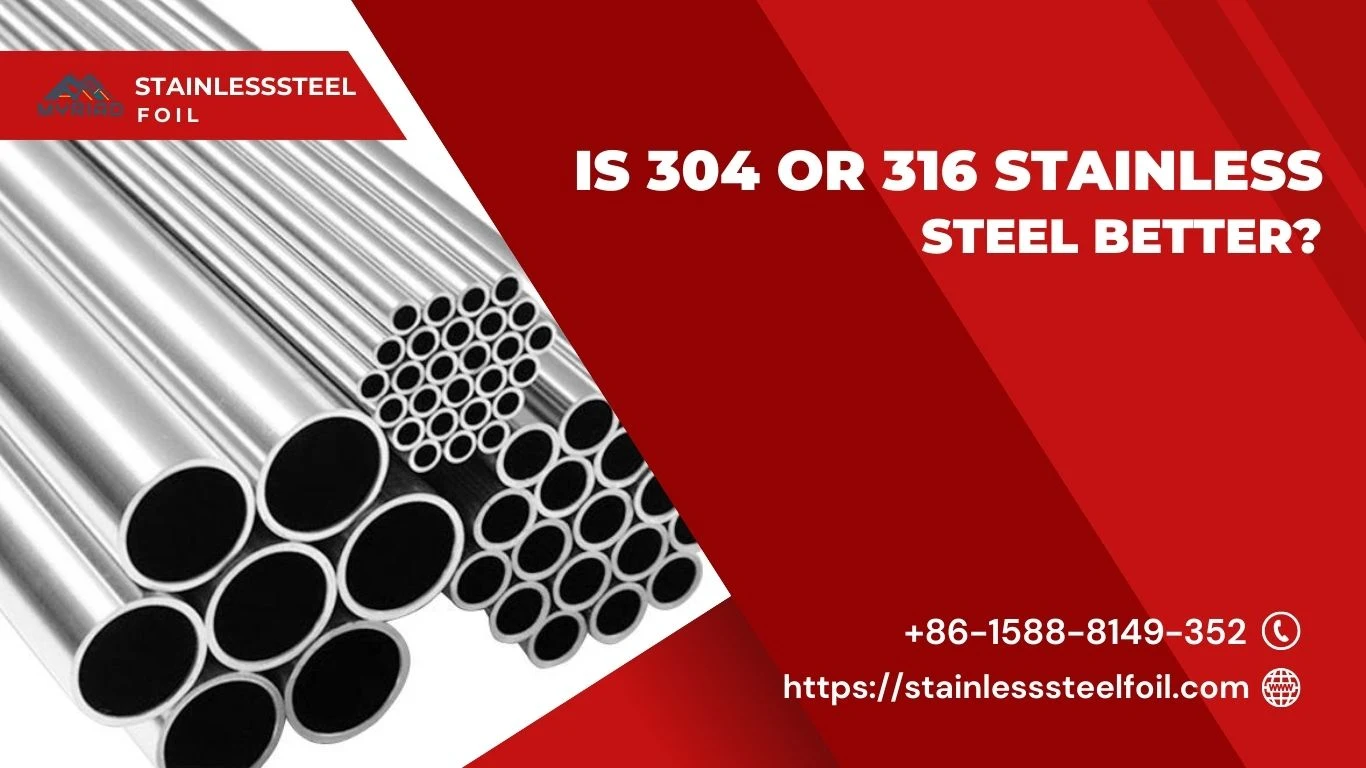
The fundamental difference between these two stainless steel grades lies in their chemical composition – specifically, 316 stainless steel contains 2-3% molybdenum, which 304 lacks. This single alloying element creates significant differences in performance, particularly in corrosive environments.
What Is 304 Stainless Steel?
304 stainless steel is the most commonly used stainless steel grade in the world. It belongs to the austenitic family and typically contains around 18% chromium and 8% nickel. This composition forms a stable chromium oxide layer on the surface, which protects the metal from rust and oxidation.
Because of this protective layer, 304 stainless steel performs very well in everyday environments. It resists moisture, mild chemicals, food acids, and atmospheric corrosion. This makes it a popular choice for kitchen equipment, sinks, food-processing machinery, architectural panels, and consumer goods.
Another major reason for its popularity is workability. Manufacturers find 304 easy to form, weld, and machine. It maintains toughness at both high and low temperatures, which adds to its versatility. According to authoritative material references such as the stainless steel overview on Stainless_steel, 304 is often considered the baseline grade for corrosion-resistant steel.
What Is 316 Stainless Steel?
316 stainless steel builds on the strengths of 304 while adding one critical element: molybdenum, usually between 2% and 3%. This addition dramatically improves resistance to chlorides, salts, and aggressive chemicals.
Because of this, 316 stainless steel is often referred to as marine-grade stainless steel. It performs exceptionally well in coastal environments, offshore structures, chemical processing plants, and medical facilities where sterilization chemicals are common.
If you want a more focused technical explanation, the in-depth guide at what is 316 stainless steel foil explains how 316 stainless steel foil behaves under demanding industrial conditions.
Advantages of 304 Stainless Steel
304 stainless steel offers an excellent balance between performance and cost. It provides strong corrosion resistance in normal indoor and outdoor environments without unnecessary alloying elements.
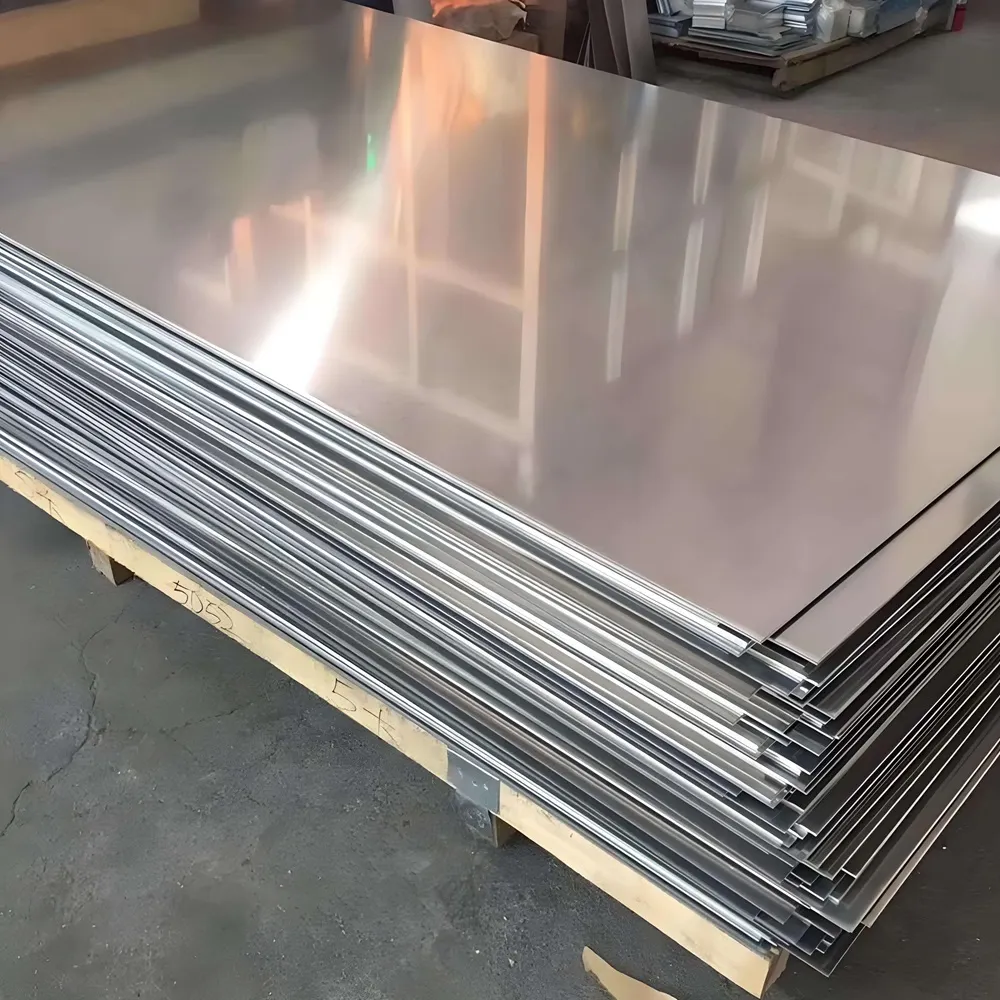
One of its biggest advantages is affordability. Because it does not contain molybdenum, 304 stainless steel is significantly less expensive than 316. This makes it ideal for large-scale projects where material cost plays a major role.
Another key benefit is fabrication ease. 304 stainless steel can be bent, cut, welded, and formed with minimal difficulty. This reduces production time and lowers manufacturing costs.
From a hygiene perspective, 304 stainless steel is also highly valued. Its smooth surface resists bacterial growth, which is why it is widely used in food processing, beverage production, and commercial kitchens.
Advantages of 316 Stainless Steel
316 stainless steel stands out where corrosion resistance is critical. The molybdenum content strengthens the passive oxide layer, making it far more resistant to pitting and crevice corrosion caused by chlorides.
This advantage becomes crucial remember in marine environments, chemical exposure zones, and pharmaceutical manufacturing. In such conditions, 304 may corrode over time, while 316 maintains surface integrity for decades.
316 stainless steel also performs better under high temperatures and harsh cleaning regimes. That is why hospitals and chemical plants rely on it for long-term reliability.
For applications involving strip processing and heat treatment, the technical insights at 316 stainless steel strip heat treatment provide valuable context.
Comparison of 304 and 316 Stainless Steel
A direct comparison helps clarify the real-world implications of choosing one grade over the other in the 304 vs 316 stainless steel discussion.
Chemical Composition Comparison
Both grades contain chromium and nickel, which give them corrosion resistance and toughness. The key difference is molybdenum. 316 includes it, while 304 does not.
This single element explains most of the performance gap, especially in aggressive environments. Molybdenum improves resistance to chloride attack, which is common in saltwater, cleaning chemicals, and industrial atmospheres.
Corrosion Resistance Performance
In clean, dry, or indoor environments, both 304 and 316 perform exceptionally well. Rust and staining are rarely an issue for either grade under these conditions.
However, once chlorides are present, differences become clear. 304 stainless steel may develop pitting or surface corrosion over time. In contrast, 316 resists these effects much more effectively.
That is why the 304 vs 316 stainless steel comparison strongly favors 316 for coastal, marine, and chemical applications.
Strength and Durability
Mechanically, 304 and 316 stainless steel are quite similar. Both offer excellent tensile strength and toughness. However, 316 maintains its properties slightly better at elevated temperatures.
This makes 316 a safer choice for industrial processes involving heat, pressure, or thermal cycling.
Cost Comparison
Cost often determines the final decision. On average, 316 stainless steel costs 20–30% more than 304, depending on market conditions and supply chains.
For projects where corrosion risk is low, paying extra for 316 may not make sense. On the other hand, using 304 in a harsh environment can lead to premature failure, maintenance issues, and replacement costs that far exceed the initial savings.
This is why experienced engineers evaluate total lifecycle cost, not just material price, when deciding between 304 vs 316 stainless steel.
Typical Applications
304 stainless steel dominates everyday applications such as kitchen appliances, sinks, storage tanks, decorative panels, and consumer products. To understand how stainless steel coils integrate into these products, the article at how stainless steel coil is used in the production of consumer goods offers practical examples.
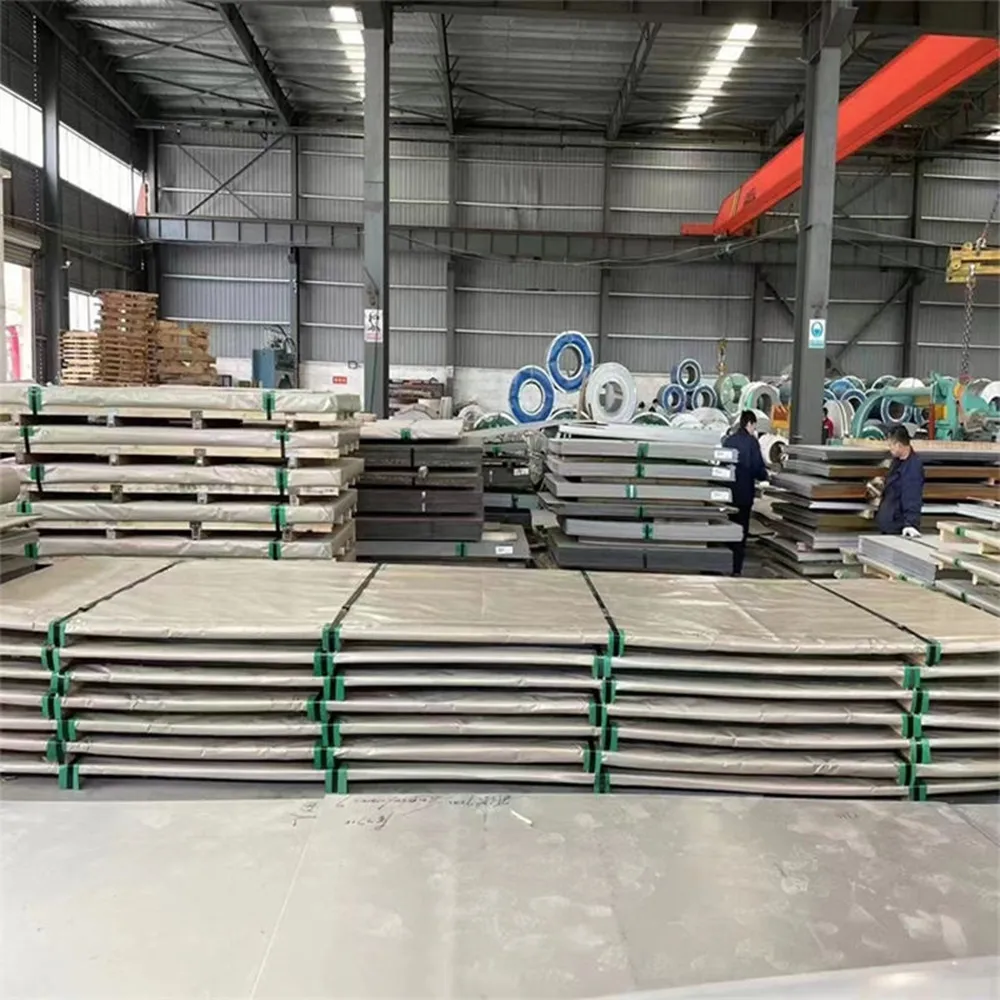
316 stainless steel appears in marine hardware, offshore platforms, chemical processing equipment, medical devices, and coastal architecture. Many industrial buyers source it in coil form, such as those listed at product 316 stainless steel coil.
304 or 316 Stainless Steel: Which Is Better?
So, which one is better in the 304 vs 316 stainless steel debate? The answer depends entirely on how and where the material will be used.
If your application involves indoor use, minimal chemical exposure, and controlled conditions, 304 stainless steel is often the better choice. It delivers excellent performance at a lower cost and is easy to fabricate.
However, if your project operates in salty, humid, chemical, or coastal environments, 316 stainless steel is clearly superior. Its enhanced corrosion resistance ensures long service life and reduces maintenance costs.
For industrial buyers and manufacturers, selecting the right grade often involves understanding production methods. The guide at stainless steel coil production process guide explains how processing affects final material performance.
Summary
In summary, 304 vs 316 stainless steel is not a battle with a single winner. Instead, it is about choosing the right tool for the job.304 stainless steel offers affordability, versatility, and strong corrosion resistance for general-purpose applications. 316 stainless steel provides superior durability in aggressive environments, making it essential for marine, chemical, and medical use.When selected correctly, both grades deliver outstanding long-term value. If you need expert guidance or product-specific recommendations, the team at contact us can help you choose the right stainless steel solution.
FAQs
Is 316 stainless steel always better than 304?
No. In the 304 vs 316 stainless steel comparison, 316 is better in corrosive environments, but 304 is more cost-effective for standard conditions.
Can 304 stainless steel rust over time?
Yes. Under exposure to chlorides or saltwater, 304 vs 316 stainless steel performance differs, and 304 may develop corrosion.
Why is 316 stainless steel more expensive?
316 contains molybdenum, which improves corrosion resistance. This element increases cost in the 304 vs 316 stainless steel comparison.
Which grade is better for food processing equipment?
Both grades work well, but in harsh cleaning environments, 304 vs 316 stainless steel often favors 316.
Is 316 stainless steel suitable for outdoor coastal use?
Yes. For coastal and marine settings, 304 vs 316 stainless steel comparisons clearly favor 316.