316 vs 316L Stainless Steel Strip: Selecting the correct stainless steel strip affects product performance, service life, fabrication quality, and long-term cost. Among corrosion-resistant grades, 316 and 316L stainless steel strips receive constant attention from manufacturers, fabricators, and engineers. Although these two grades appear similar, material behavior changes noticeably depending on composition, weld response, and application environment.
This in-depth guide explains every technical and practical difference between 316 vs 316L Stainless Steel Strip, helping buyers place confident orders for industrial, commercial, and manufacturing projects. This article is prepared for Stainless Steel Foil and follows real production and material standards.
Stainless Steel Strip Manufacturing
Stainless steel strip refers to flat-rolled stainless steel supplied in narrow widths and controlled thicknesses. Manufacturers produce strips through hot rolling, cold rolling, annealing, and precision slitting. Each processing step influences grain structure, mechanical strength, and surface quality.
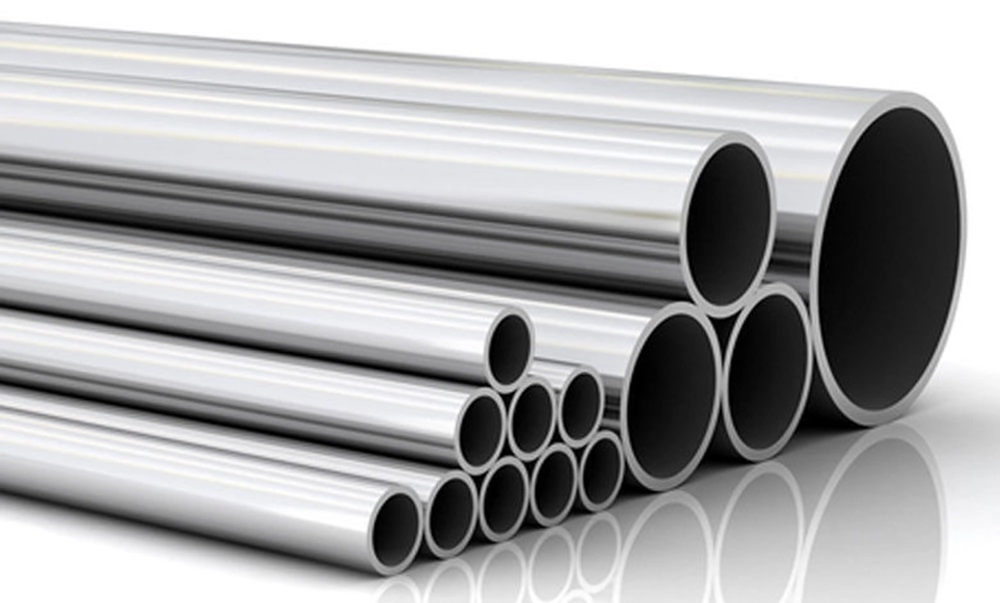
To understand how raw material transforms into finished strip products, review the stainless steel coil production process guide, which outlines rolling, heat treatment, and quality control stages used by modern steel mills.
What Is 316 Stainless Steel?
316 stainless steel belongs to the austenitic stainless steel family and contains chromium, nickel, and molybdenum. Molybdenum enhances resistance to chlorides, acids, and marine exposure. This grade performs well in aggressive environments where standard 304 stainless steel may corrode.
Chemical Composition of 316 Stainless Steel
-
Chromium: 16–18%
-
Nickel: 10–14%
-
Molybdenum: 2–3%
-
Carbon: Up to 0.08%
The carbon content plays a role in strength and weld behavior, which becomes important when comparing 316 with 316L.
Properties of 316 Stainless Steel
316 stainless steel strip offers balanced mechanical and corrosion properties suitable for demanding conditions.
Key properties include:
-
High resistance to chloride corrosion
-
Strong mechanical stability at elevated temperatures
-
Non-magnetic structure in annealed condition
-
Excellent formability and surface finish potential
These characteristics allow consistent performance across industrial settings.
Applications of 316 Stainless Steel Strip
Industries choose 316 stainless steel strip for environments involving moisture, chemicals, or salt exposure.
Common uses include:
-
Chemical processing equipment
-
Marine fittings and components
-
Heat exchangers
-
Industrial fasteners
-
Architectural trim in coastal regions
Manufacturers sourcing premium raw material often rely on 316 stainless steel coil for strip conversion and fabrication.
Benefits of 316 Stainless Steel
316 stainless steel strip delivers multiple operational advantages:
-
Long service life in corrosive settings
-
Strong mechanical performance during forming
-
Attractive surface appearance
-
Compatibility with food-grade and pharmaceutical standards
These benefits make 316 a preferred grade for many heavy-duty applications.
Limitations of 316 Stainless Steel
Despite its strengths, 316 stainless steel presents certain constraints:
-
Susceptibility to carbide precipitation during welding
-
Higher material cost than 304 stainless steel
-
Reduced weld corrosion resistance without post-weld treatment
These limitations influence material selection when welding becomes frequent.
What Is 316L Stainless Steel?
316L stainless steel represents a low-carbon version of 316 stainless steel. The letter “L” indicates reduced carbon content, which significantly alters welding behavior and corrosion resistance near weld zones.
Chemical Composition of 316L Stainless Steel
-
Chromium: 16–18%
-
Nickel: 10–14%
-
Molybdenum: 2–3%
-
Carbon: Maximum 0.03%
Lower carbon minimizes carbide formation during welding.
Properties of 316L Stainless Steel
316L stainless steel strip shares many characteristics with 316 but improves weld performance.
Primary properties include:
-
Improved resistance to intergranular corrosion
-
Stable structure after welding
-
High ductility and formability
-
Consistent corrosion resistance across welded joints
These traits make 316L suitable for fabrication-heavy projects.
Applications of 316L Stainless Steel Strip
Industries favor 316L stainless steel strip where welding integrity remains essential.
Typical applications include:
-
Pharmaceutical processing equipment
-
Food production machinery
-
Medical instruments
-
Pressure vessels
-
Chemical storage tanks
Manufacturers supplying consumer and industrial products often rely on stainless steel strips explained in how stainless steel coil is used in the production of consumer goods.
What Are the Benefits of 316L Stainless Steel?
316L stainless steel strip offers measurable advantages:
-
Reduced weld corrosion risk
-
Elimination of post-weld heat treatment
-
Uniform corrosion resistance
-
Reliable performance in sanitary environments
These advantages support consistent quality in welded assemblies.
Limitations of 316L Stainless Steel
316L stainless steel also carries some trade-offs:
-
Slightly lower tensile strength compared to 316
-
Higher cost in certain markets
-
Less carbon-related strengthening
These factors affect selection when welding plays a minimal role.
Key Differences Between 316 And 316L Stainless Steel Strip
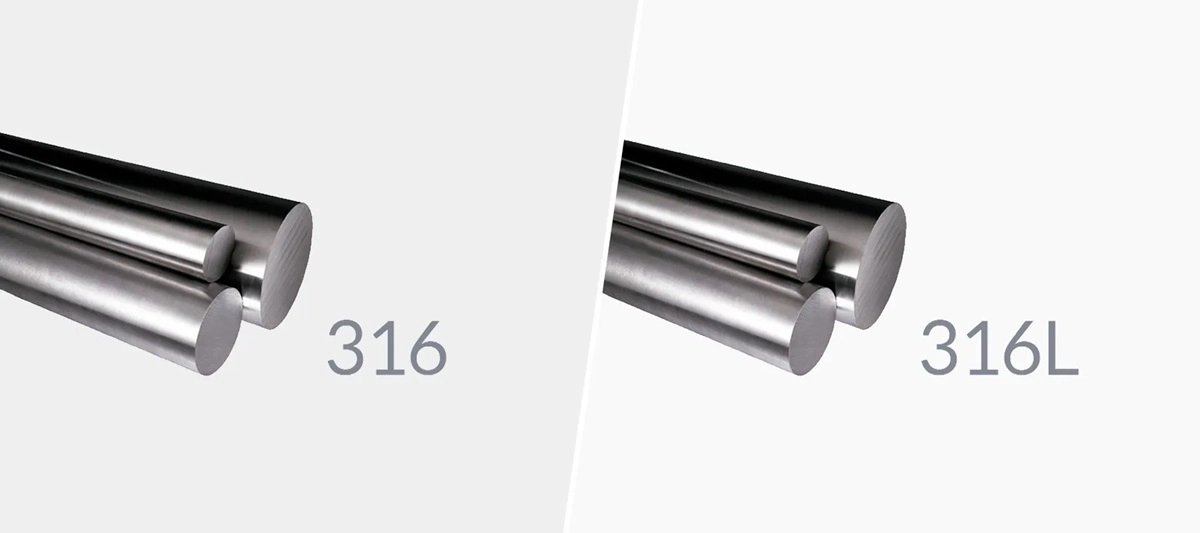
Although both grades appear similar, material behavior diverges in practical use.
Carbon Content
316 contains higher carbon, while 316L limits carbon to reduce carbide formation.
Weld Performance
316L resists weld-related corrosion more effectively than 316.
Strength
316 offers marginally higher tensile strength due to carbon content.
Fabrication
316L simplifies welding without additional heat treatment.
Comparison Table: 316 vs 316L Stainless Steel Strip
| Property | 316 Stainless Steel | 316L Stainless Steel |
|---|---|---|
| Carbon Content | Up to 0.08% | Max 0.03% |
| Weld Corrosion Risk | Higher | Lower |
| Tensile Strength | Slightly higher | Slightly lower |
| Fabrication Ease | Moderate | High |
| Typical Use | Non-welded components | Welded structures |
Corrosion Resistance Performance
Both grades provide excellent corrosion resistance in chloride-rich environments. 316L maintains uniform resistance after welding, while 316 may require stabilization or heat treatment to prevent localized corrosion near weld seams.
For background knowledge on stainless steel corrosion behavior, consult Stainless steel – Wikipedia.
Mechanical Strength Comparison
316 stainless steel strip delivers slightly higher yield and tensile strength. 316L compensates through improved ductility, which supports complex forming and bending operations without cracking.
Fabrication and Welding Behavior
Fabricators working with stainless steel strip evaluate weld integrity, distortion control, and surface finish. 316L simplifies welding operations and reduces quality risks, especially in pressure-sensitive equipment.
Environmental and Sustainability Considerations
Both 316 and 316L stainless steel support sustainability through long service life and recyclability. Stainless steel retains material value across recycling cycles without performance loss.
Detailed environmental advantages appear in environmental benefits of stainless steel coil.
Cost Considerations in Purchasing Stainless Steel Strip
Pricing varies based on:
-
Nickel and molybdenum market values
-
Strip thickness and width
-
Surface finish requirements
-
Order volume
Although 316L may carry a premium, reduced fabrication costs often balance overall expenditure.
How to Choose Between 316 vs 316L Stainless Steel?
Material selection depends on application demands.
Choose 316 stainless steel strip when:
-
Welding remains minimal
-
Strength takes priority
-
Post-fabrication heat treatment remains feasible
Choose 316L stainless steel strip when:
-
Welding occurs frequently
-
Corrosion resistance at joints matters
-
Sanitary standards apply
Purchasing Stainless Steel Strip Products
Reliable sourcing ensures consistent quality and compliance. Buyers can explore material options through stainless steel products and confirm grade specifications before placing orders.
Industry Trends and Market Demand
Growth in pharmaceutical manufacturing, food processing, marine infrastructure, and renewable energy continues to increase demand for 316 and 316L stainless steel strip. Producers focus on precision rolling and surface consistency to meet modern fabrication standards.
Industry insights appear regularly on the stainless steel blog.
Expert Support and Custom Orders
Custom strip widths, thicknesses, and finishes support specialized projects. Technical guidance helps buyers select correct grades and processing conditions. For specifications and quotations, reach out through contact stainless steel foil experts.
Summary
Choosing between 316 vs 316L Stainless Steel Strip requires careful evaluation of welding needs, corrosion exposure, strength requirements, and fabrication methods. While 316 delivers strong mechanical performance, 316L provides superior weld corrosion resistance and fabrication reliability. Understanding these differences helps manufacturers order materials that align with performance goals, production efficiency, and long-term durability.
For dependable stainless steel solutions, material expertise, and precision products, Stainless Steel Foil remains a trusted industry source.
FAQs
Which grade performs better after welding?
316L stainless steel strip delivers stronger corrosion resistance at weld joints.
Does 316 stainless steel resist marine environments?
Yes. 316 performs well in marine conditions, though 316L offers added protection in welded structures.
Which grade costs more?
Pricing varies by market conditions. 316L may cost slightly more due to demand and processing advantages.
Can both grades be recycled?
Yes. Both grades support full recyclability without material degradation.
Which grade suits food and medical equipment?
316L stainless steel strip fits these applications due to weld stability and sanitary compliance.