
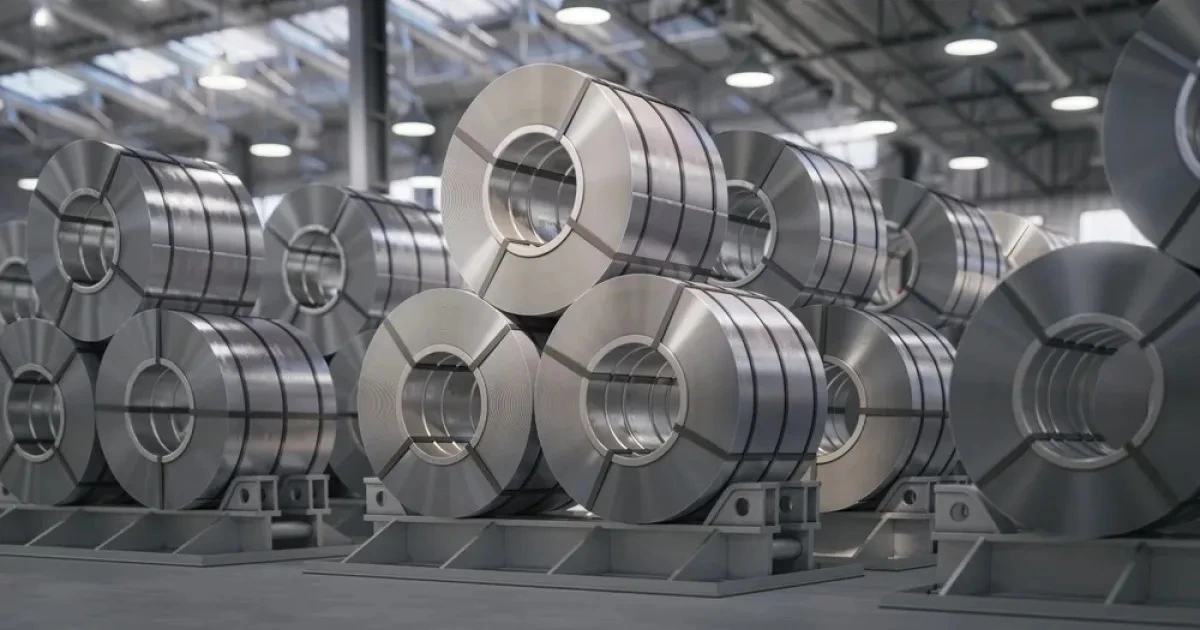
Stainless steel coils serve as the backbone for countless consumer products we use daily. These versatile metal sheets combine exceptional durability with aesthetic appeal, making them ideal for applications ranging from kitchen appliances to medical equipment. The unique properties of stainless steel coils allow manufacturers to create products that withstand years of use while maintaining their appearance and functionality.
At Stainless steel coils we specialize in providing high-quality stainless steel coils tailored for various industrial applications. Our materials meet the rigorous demands of consumer goods manufacturing, ensuring reliability and performance in every application.
Understanding Stainless Steel Composition and Its Importance
The exceptional qualities of stainless steel originate from its precise chemical composition. Unlike regular steel, stainless steel contains a minimum of 10.5% chromium, which forms an invisible protective oxide layer on the surface. This self-repairing layer gives stainless steel its signature resistance to rust and corrosion.
Key Elements in Stainless Steel Composition
| Element | Percentage Range | Primary Function |
|---|---|---|
| Iron (Fe) | 50-70% | Base metal providing structural integrity |
| Chromium (Cr) | 10.5-30% | Forms protective oxide layer for corrosion resistance |
| Nickel (Ni) | 0-35% | Enhances ductility and high-temperature performance |
| Carbon (C) | 0.03-1.2% | Increases hardness and strength |
| Molybdenum (Mo) | 0-7% | Improves resistance to pitting and crevice corrosion |
The exact stainless steel composition percentage varies depending on the specific grade and intended application. For instance, grade 304 stainless steel contains 18% chromium and 8% nickel, while grade 316 includes 2-3% molybdenum for enhanced corrosion resistance in harsh environments.
For more details on how these compositions affect performance, visit our Stainless Steel Coil Production Process Guide.
Exploring the 5 Primary Types of Stainless Steel Coils
Understanding the different types of stainless steel helps manufacturers select the optimal material for their specific needs. The five main categories each offer distinct characteristics:
1. Austenitic Stainless Steel (300 Series)
The most widely used category, representing about 70% of global stainless steel production. These non-magnetic alloys contain high chromium (16-26%) and nickel (6-22%) content. Common applications include:
- Kitchen appliances and cookware
- Food processing equipment
- Architectural elements
- Medical implants
Grade 304 serves as the standard for consumer products, while grade 316 offers superior corrosion resistance for marine applications. Explore our 316 Stainless Steel Coil for specialized requirements.
2. Ferritic Stainless Steel (400 Series)
These magnetic alloys contain chromium (10.5-27%) with little to no nickel, making them more cost-effective than austenitic grades. Typical uses include:
- Automotive exhaust systems
- Appliance components
- Decorative trim
- Washing machine drums
3. Martensitic Stainless Steel
Characterized by high carbon content (0.1-1.2%), these alloys can be heat-treated to achieve exceptional hardness. Common applications:
- Surgical instruments
- Cutting tools
- Knife blades
- Turbine components
4. Duplex Stainless Steel
Combining austenitic and ferritic structures, duplex steels offer approximately double the strength of standard austenitic grades. They’re ideal for:
- Chemical processing equipment
- Oil and gas applications
- Marine environments
- Desalination plants
5. Precipitation-Hardening Stainless Steel
These specialized alloys can be strengthened through heat treatment, making them suitable for:
- Aerospace components
- Nuclear reactors
- High-performance engineering applications
For a complete selection of available types, browse our Stainless Steel Coil Products.
Essential Properties That Make Stainless Steel Ideal for Consumer Goods
The widespread use of stainless steel in consumer products stems from its unique combination of physical and chemical properties:
Corrosion Resistance: The chromium oxide layer provides excellent protection against rust, even when exposed to moisture, chemicals, or saltwater. This makes stainless steel perfect for kitchen appliances, bathroom fixtures, and outdoor applications.
Hygienic Surface: The non-porous nature of stainless steel prevents bacterial growth, making it the preferred choice for medical equipment, food processing, and kitchenware. This property is particularly valuable in hospitals and food service environments.
Mechanical Strength: Despite being relatively lightweight, stainless steel offers impressive tensile strength (typically 515-827 MPa depending on grade). This allows for durable products that resist deformation under stress.
Temperature Tolerance: Stainless steel maintains its structural integrity across extreme temperature ranges, from cryogenic conditions to high-heat environments. This thermal stability makes it suitable for ovens, freezers, and industrial equipment.
Aesthetic Versatility: Available in various finishes from mirror polish to brushed satin, stainless steel complements any design aesthetic while maintaining its functional properties.
Environmental Sustainability: As a 100% recyclable material, stainless steel supports eco-friendly manufacturing practices. Learn more about its Environmental Benefits.
Comprehensive Applications in Consumer Goods Manufacturing
Stainless steel coils transform into countless consumer products through various manufacturing processes:
Kitchen and Food Preparation Equipment
- Major Appliances: Refrigerators, dishwashers, and ovens benefit from stainless steel’s durability and cleanability
- Cookware: Pots, pans, and baking sheets provide non-reactive cooking surfaces
- Utensils: Forks, knives, and serving pieces maintain their appearance through years of use
- Food Storage: Containers and canisters preserve food quality without imparting flavors
Home Furnishings and Hardware
- Furniture Components: Table legs, chair frames, and shelving brackets
- Lighting Fixtures: Lamps and outdoor lighting elements
- Door Hardware: Handles, hinges, and locks that withstand frequent use
- Bathroom Fixtures: Towel bars, shower accessories, and sink components
Personal Care Products
- Grooming Tools: Tweezers, nail clippers, and razors
- Cosmetic Packaging: High-end containers and dispensers
- Jewelry: Watches, bracelets, and earrings that resist tarnishing
Electronics and Appliances
- Small Appliances: Blenders, toasters, and coffee makers
- Electronics Housings: Computer cases and speaker grilles
- White Goods: Washing machine drums and water heaters
Automotive Components
- Exhaust Systems: Mufflers and catalytic converters
- Trim Elements: Decorative moldings and emblems
- Fuel Systems: Tanks and lines that resist corrosion
Medical and Healthcare Equipment
- Surgical Instruments: Scalpels, forceps, and retractors
- Medical Devices: Implants and diagnostic equipment
- Hospital Furnishings: Beds, carts, and instrument trays
Discover more about How Stainless Steel Coil Is Used in Consumer Goods Production.
Factors Influencing Stainless Steel Coil Pricing
Several variables affect the cost of stainless steel coils:
Raw Material Costs: Nickel prices significantly impact austenitic stainless steel costs, while chromium and molybdenum prices affect other grades.
Production Method: Cold-rolled coils typically cost more than hot-rolled due to additional processing steps and tighter tolerances.
Grade Selection: Specialty alloys like 316 or duplex stainless steels command premium pricing compared to standard 304.
Surface Finish: Mirror-polished or specialty finishes increase material costs.
Quantity and Dimensions: Larger orders and custom sizes may affect per-unit pricing.
Market Conditions: Global supply and demand fluctuations influence base prices.
For current pricing and availability, contact our sales team.
Conclusion: Why Stainless Steel Coils Remain Essential for Consumer Goods
The unique combination of durability, aesthetics, and functionality makes stainless steel coils indispensable in consumer goods manufacturing. From everyday kitchen items to life-saving medical devices, these versatile materials deliver performance that few alternatives can match.
As consumer expectations for quality and sustainability grow, stainless steel continues to prove its value across countless applications. Its ability to combine practical performance with visual appeal ensures its ongoing relevance in product design and manufacturing.
For more information about stainless steel applications and properties, visit Wikipedia’s Stainless Steel Overview or explore our comprehensive product range. Our team at StainlessSteelFoil.com stands ready to assist with your specific material requirements and technical questions.
Summary
Stainless steel coils are essential in modern manufacturing, offering unmatched durability, corrosion resistance, and aesthetic appeal. Their composition—iron, chromium, and nickel—creates a self-repairing oxide layer that prevents rust. The five types—Austenitic, Ferritic, Martensitic, Duplex, and Precipitation-Hardening—serve diverse applications like kitchen appliances, medical devices, and automotive parts. Key properties include hygiene, strength, temperature tolerance, and recyclability.
Used in consumer goods, stainless steel coils enhance kitchenware, home furnishings, electronics, and medical instruments. Factors like raw material costs and production methods influence pricing. Its environmental benefits, such as recyclability and long lifespan, make it sustainable.
For more insights, explore stainless steel foil or visit Wikipedia’s Stainless Steel Overview.
FAQs
Q: What’s the difference between 304 and 316 stainless steel coils?
A: While both are austenitic grades, 316 contains molybdenum for enhanced corrosion resistance, particularly in saltwater environments. 304 offers excellent performance for most consumer applications at a lower cost.
Q: Can stainless steel coils be recycled?
A: Yes, stainless steel is 100% recyclable without quality degradation. The recycling process saves energy and raw materials compared to primary production.
Q: How do I choose the right stainless steel grade for my application?
A: Consider factors like corrosion requirements, mechanical properties, formability needs, and budget. Our experts can help select the optimal material for your specific needs.
Q: What surface finishes are available for stainless steel coils?
A: Common options include 2B (standard mill finish), BA (bright annealed), No. 4 (brushed), and No. 8 (mirror polish). Specialty finishes can also be produced.
Q: How does stainless steel compare to aluminum for consumer products?
A: Stainless steel offers superior strength and corrosion resistance but weighs more. Aluminum provides lighter weight and better thermal conductivity but lacks stainless steel’s durability in many applications.