In today’s manufacturing world, standard materials rarely solve every problem. Engineers, designers, and sourcing managers increasingly look for Custom Stainless Steel Strip solutions that match exact performance, thickness, width, and finish requirements. Whether the application is consumer goods, renewable energy systems, medical devices, or industrial equipment, customization removes compromise and improves long-term value.
Stainless steel strip sits quietly behind countless products we use every day. From home appliances to precision electronics, it provides strength, corrosion resistance, and dimensional stability. When those characteristics must meet strict tolerances, off-the-shelf materials often fall short. That is where custom stainless steel strip becomes essential.
This in-depth guide explains how custom stainless steel strip is produced, why customization matters, and how buyers can specify exactly what they need without overpaying or sacrificing quality. Along the way, you will find practical insights, real-world comparisons, and expert guidance designed to help you make confident sourcing decisions.
For readers new to the material itself, stainless steel is defined by its chromium content, which forms a passive layer that resists corrosion. You can explore the metallurgical basics through this detailed overview of stainless steel. Understanding those fundamentals makes customization decisions far easier later.
What Is a Custom Stainless Steel Strip?
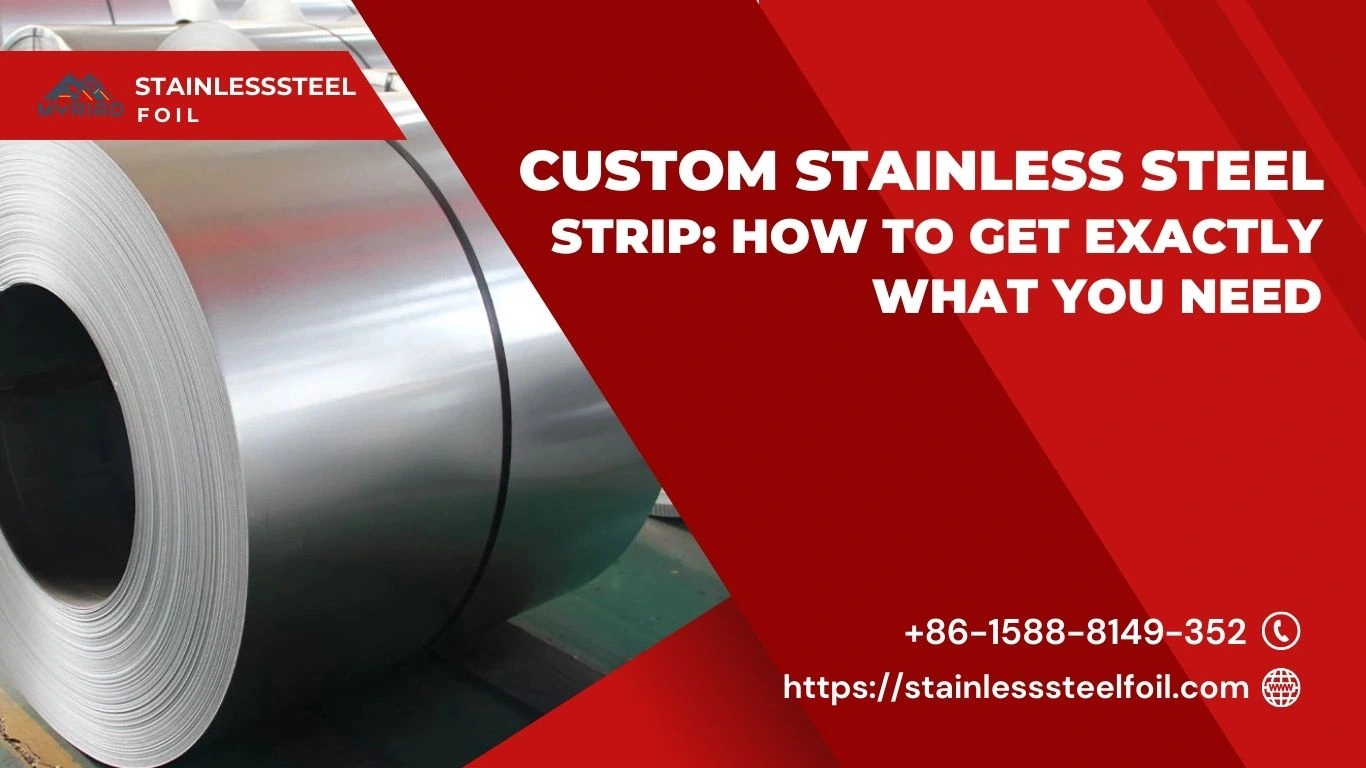
A Custom Stainless Steel Strip is a flat-rolled stainless steel product manufactured to precise customer-defined specifications. Unlike standard strips produced in fixed widths, thicknesses, and finishes, custom strips are tailored for specific applications, production processes, and performance expectations.
Customization usually involves precise control over thickness tolerance, strip width, edge condition, surface finish, hardness, and coil weight. In some cases, alloy composition is also optimized to balance corrosion resistance, formability, and mechanical strength.
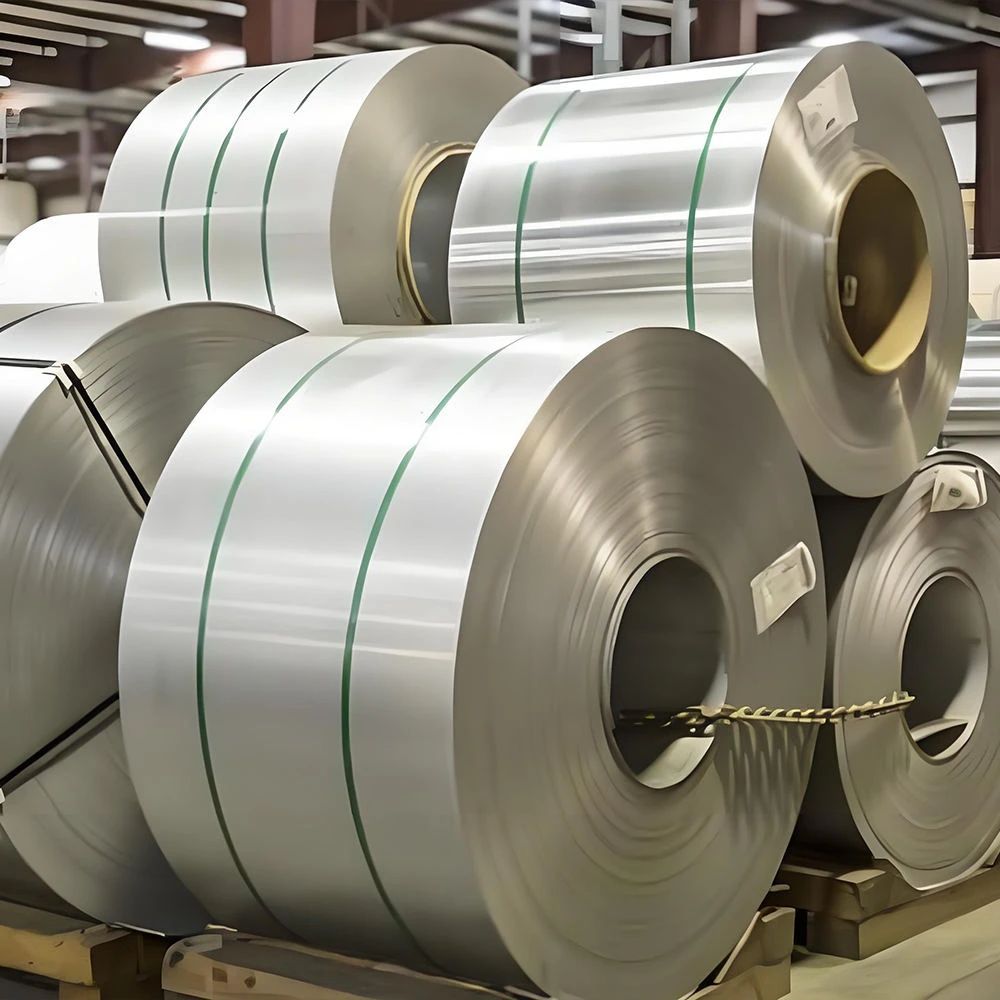
Manufacturers often supply custom strips in coil form to support automated production lines. This allows seamless integration into stamping, bending, or forming operations. When paired with reliable quality control, custom strip solutions reduce waste, improve productivity, and lower total cost of ownership.
Why Customization Matters More Than Ever
Modern manufacturing demands consistency. Even small dimensional variations can cause production delays, tool wear, or assembly failures. Custom stainless steel strip eliminates these risks by aligning material properties with real operational needs.
For example, appliance manufacturers require strip materials that maintain appearance while withstanding heat and moisture. Medical and food-processing industries need tight surface finish control to ensure hygiene. Renewable energy systems rely on corrosion-resistant strips that perform outdoors for decades. In each case, customization is not a luxury; it is a requirement.
As global supply chains become more competitive, buyers increasingly prioritize suppliers who can deliver tailored solutions. Companies that source custom stainless steel strip gain an advantage through reduced rework, improved product reliability, and better brand reputation.
Key Specifications That Define Custom Stainless Steel Strip
Every successful custom order starts with a clear understanding of specifications. Thickness control remains one of the most critical factors. Ultra-thin strips below 0.1 mm demand advanced rolling technology, while thicker strips must maintain flatness and consistency.
Width accuracy directly affects downstream processing. A deviation of even a fraction of a millimeter can disrupt automated assembly. Edge condition also plays a role, particularly for safety-sensitive applications or visible components.
Surface finish impacts both function and aesthetics. Common finishes range from bright annealed surfaces for decorative use to matte or brushed finishes for industrial components. Hardness and temper define how the strip behaves during forming, stamping, or bending.
To understand how these specifications come together in production, the stainless steel coil production process guide provides a helpful technical overview.
Stainless Steel Grades Used for Custom Strip
Selecting the right grade determines how well a custom stainless steel strip performs in service. Austenitic grades remain the most popular due to their corrosion resistance and formability.
Grade 304 and 304L suit general-purpose applications where corrosion resistance and cost balance matter. For harsher environments, 316 and 316L offer enhanced resistance to chlorides and chemicals. If you are comparing these options, the detailed breakdown in 316 vs 316L stainless steel strip explains the performance differences clearly.
Ferritic and martensitic grades also serve specialized needs, especially where magnetic properties or higher hardness are required. The choice depends on environmental exposure, mechanical demands, and fabrication methods.
Applications That Benefit Most from Custom Stainless Steel Strip
Custom stainless steel strip appears across a wide range of industries. In home appliances, manufacturers use tailored strips for decorative panels, internal supports, and heat-resistant components. These use cases are explored further in stainless steel strips in home appliances.
In renewable energy systems, stainless steel strips support solar frames, wind components, and energy storage units. Customization ensures durability in extreme outdoor conditions, as discussed in advantages of stainless steel strips in renewable energy systems.
Consumer goods manufacturing also relies heavily on customized strips. From kitchenware to electronics housings, tailored materials improve appearance and longevity. The role of strip materials in mass production is examined in how stainless steel coil is used in the production of consumer goods.
Manufacturing Process Behind Custom Stainless Steel Strip
The production of custom stainless steel strip begins with high-quality stainless steel coils. These coils undergo precision rolling to achieve the desired thickness and mechanical properties. Annealing processes relieve internal stress and enhance formability.

Slitting converts wide coils into narrow strips with exact width tolerances. Advanced slitting lines ensure clean edges and consistent dimensions. Surface finishing follows, depending on customer requirements, and strict inspection protocols confirm compliance with specifications.
Manufacturers who control every stage of this process can deliver consistent results. Access to a full range of stainless steel products allows customization without sacrificing lead time or quality.
Cost Considerations and Value Optimization
While This may appear more expensive upfront, it often reduces overall project costs. Precise specifications minimize scrap, shorten setup times, and improve production efficiency. Over time, these savings outweigh the initial price difference.
Buyers should evaluate suppliers based on technical capability, quality systems, and communication rather than price alone. Transparent sourcing builds long-term partnerships that support continuous improvement.
Quality Standards and Testing
Reliable custom stainless steel strip suppliers adhere to international standards such as ASTM, EN, or JIS. Mechanical testing, chemical analysis, and surface inspection ensure consistency across batches.
Traceability also matters. Knowing the origin and processing history of each coil provides confidence, especially in regulated industries. Reputable suppliers share test certificates and inspection reports as part of the sourcing process.
How to Order Custom Stainless Steel Strip Successfully
Clear communication remains the foundation of a successful order. Buyers should provide detailed drawings, tolerance ranges, and intended applications. Sharing downstream processing information helps manufacturers recommend optimal specifications.
Engaging directly with technical teams reduces misunderstandings and accelerates approval cycles. When questions arise, reaching out through a dedicated contact page ensures timely support and accurate responses.
For ongoing insights, technical updates, and industry trends, the stainless steel blog offers valuable resources for engineers and procurement professionals alike.
Summary
custom stainless steel strips are an invaluable resource for various industries, providing tailored solutions that enhance both functionality and aesthetics. By understanding the ordering process and selecting a reputable supplier, you can ensure that you receive the exact materials needed for your project. For more information on stainless steel products, visit Stainless Steel Foil.
FAQs
What are the benefits of using custom stainless steel strips?
Custom stainless steel strips offer tailored specifications, enhanced durability, aesthetic appeal, and cost-effectiveness, making them ideal for various applications.
How do I determine the right grade of stainless steel for my project?
The right grade depends on the application. For example, 304 is suitable for food processing, while 316 is better for marine environments due to its superior corrosion resistance.
Can I order small quantities of custom stainless steel strips?
Many suppliers offer flexibility in order sizes. It’s best to check with your chosen supplier to see if they accommodate small orders.
How long does it take to receive a custom stainless steel strip order?
Lead times vary by supplier and order complexity. Generally, expect a timeframe of a few weeks, but it’s essential to confirm with your supplier.
What finishes are available for stainless steel strips?
Common finishes include brushed, polished, and mirror finishes. The choice depends on the desired aesthetic and application.
Are custom stainless steel strips more expensive than standard strips?
While custom strips may have a higher upfront cost due to their tailored nature, they can be more cost-effective overall by reducing waste and improving functionality.