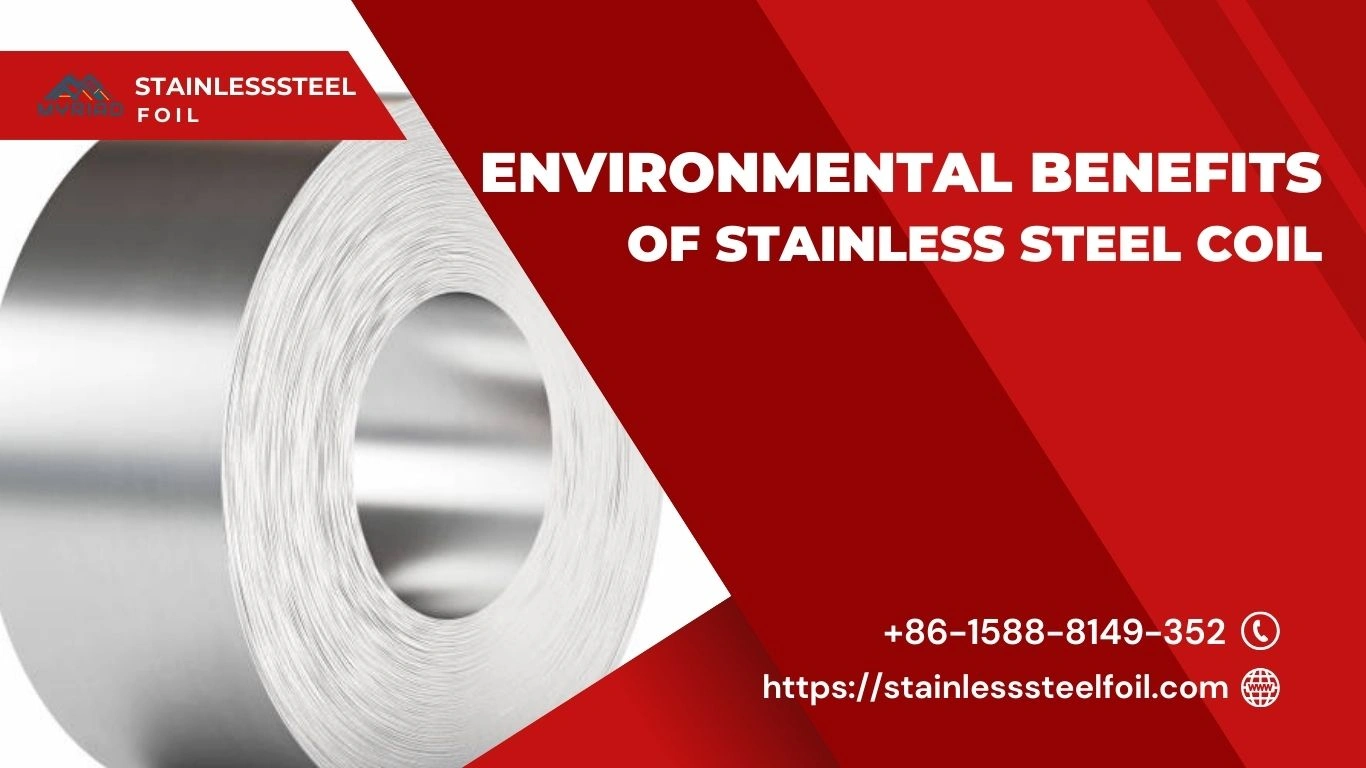
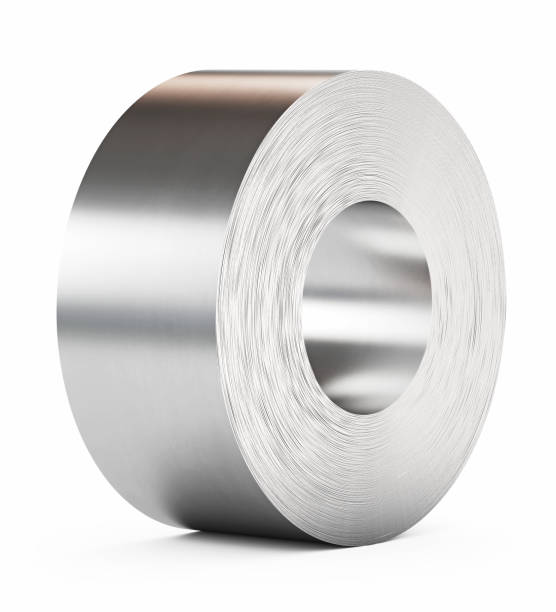
Stainless steel coil is widely used in construction, automotive manufacturing, food processing, medical equipment, energy systems, and sustainable architecture. Its popularity is not accidental. From its exceptional recyclability to its long service life, stainless steel coil offers a rare combination of strength, hygiene, and eco-friendliness.
What Makes Stainless Steel Coil Eco-Friendly?
Stainless steel coil is a product of innovation and sustainability. Its unique properties make it an environmentally responsible choice for various applications. Here’s why:

1. Recyclability
Stainless steel is 100% recyclable, meaning it can be reused indefinitely without losing its properties. According to the International Stainless Steel Forum, over 85% of stainless steel products are recycled at the end of their lifecycle. This reduces waste and conserves natural resources.
2. Energy Efficiency
The production of stainless steel coil requires significantly less energy compared to other materials. Advanced manufacturing techniques have reduced energy consumption by up to 50% over the past few decades. This makes stainless steel coil a low-carbon option for industries.
3. Longevity
Stainless steel coil is incredibly durable, with a lifespan that can exceed 50 years. Its resistance to corrosion, rust, and wear ensures that products made from stainless steel coil require fewer replacements, reducing overall environmental impact.
4. Non-Toxic and Safe
Unlike some materials that release harmful chemicals, stainless steel is non-toxic and safe for both humans and the environment. It doesn’t leach harmful substances, making it ideal for applications in food processing, healthcare, and water treatment.
The Benefits of Stainless Steel Coils
Stainless steel coils are a superior material choice, offering a powerful combination of performance characteristics and significant environmental benefits.
Environmental & Sustainability Benefits
- Reduced Carbon Footprint: The manufacturing process for stainless steel generates fewer greenhouse gases compared to many alternative metals, thanks to energy-efficient production and a high reliance on recycled content.
- Resource Conservation: Its exceptional recyclability drastically reduces the need for mining virgin raw materials (iron ore, chromium, nickel), thereby conserving natural resources and minimizing landscape degradation.
- Minimal Waste Generation: The production is highly efficient, with nearly all scrap and offcuts being 100% recyclable back into the production cycle, diverting waste from landfills.
- Contribution to Green Building: Its durability, recyclability, and long life cycle make it a preferred material for sustainable construction, contributing to certifications like LEED through applications in roofing, cladding, and structural components.
Performance & Functional Advantages
- Corrosion Resistance: Highly resistant to rust and degradation from moisture and corrosive substances, ensuring longevity and reliability in harsh environments.
- Strength and Durability: Offers exceptional mechanical strength and can withstand heavy use, high pressures, and extreme temperatures without breaking down.
- Hygiene and Cleanliness: Features a non-porous, easy-to-clean and sterilize surface, making it the ideal choice for strict hygiene applications in the food, beverage, pharmaceutical, and medical industries.
- Aesthetic Appeal: Provides a sleek, modern, and professional appearance that enhances the visual quality of any product or architectural application.
- Versatility: Suitable for an incredibly wide range of applications across industries, from automotive and aerospace to construction, medical equipment, and consumer goods.
Applications of Stainless Steel Coil in Eco-Friendly Industries
1. Renewable Energy
Stainless steel coil plays a crucial role in renewable energy systems like solar panels and wind turbines. Its corrosion resistance ensures long-lasting performance in harsh environments.
2. Transportation
The automotive and aerospace industries use stainless steel coil to create lightweight, durable components that improve fuel efficiency and reduce emissions.
3. Water Treatment
Stainless steel coil is used in water treatment plants due to its resistance to corrosion and contamination. It ensures clean, safe drinking water for communities worldwide.
4. Food Processing
In the food industry, stainless steel coil is preferred for its hygiene and safety. It’s used in equipment like conveyor belts, storage tanks, and processing machines.
Comparing Stainless Steel Coil with Alternative Materials
When evaluating environmental performance, it is helpful to compare stainless steel coil with common alternatives.
| Material | Recyclability | Lifespan | Maintenance Needs | Environmental Impact |
|---|---|---|---|---|
| Stainless Steel Coil | Very High (100%) | 30–50+ years | Low | Low |
| Carbon Steel | Moderate | 10–20 years | High | Medium |
| Aluminum | High | 20–30 years | Medium | Medium |
| Plastic | Low to Moderate | 5–15 years | Medium | High |
This comparison clearly shows why the benefits of stainless steel coil make it a superior long-term choice for environmentally conscious applications.
Choosing the Right Grade for Environmental Performance
Not all stainless steel coils are the same. Selecting the right grade enhances both performance and sustainability. For example, 316 stainless steel coil is highly resistant to corrosion in marine and chemical environments, making it ideal for long-term outdoor use.
Similarly, understanding material compositions, such as those explained in this guide on 301 stainless steel foil, helps buyers choose materials that last longer and reduce waste.
How Stainless Steel Coil Supports Responsible Manufacturing
Responsible manufacturing goes beyond raw materials. It includes supply chain transparency, waste reduction, and product longevity. Stainless steel coil suppliers increasingly adopt cleaner production methods and quality control systems to minimize environmental impact.
By sourcing from trusted manufacturers and suppliers through platforms like stainlesssteelfoil.com, businesses can align material sourcing with sustainability goals while maintaining high performance standards.
Summary
The benefits of stainless steel coil extend far beyond its physical properties. As a sustainable, recyclable, and energy-efficient material, stainless steel coil is a cornerstone of eco-friendly innovation. Whether in construction, renewable energy, or food processing, its environmental advantages make it a material of choice for a greener future.
By choosing stainless steel coil, industries can reduce their carbon footprint, conserve natural resources, and contribute to a more sustainable world. Explore our range of stainless steel products at Stainless Steel Foil to discover how you can incorporate this eco-friendly material into your next project.
FAQs
Why are the benefits of stainless steel coil important for sustainability?
The benefits of stainless steel coil include recyclability, durability, and corrosion resistance, which reduce waste, lower resource consumption, and support environmentally responsible manufacturing.
Is stainless steel coil environmentally friendly compared to other metals?
Yes, the benefits of stainless steel coil make it more environmentally friendly than many alternatives due to its long lifespan and ability to be recycled without quality loss.
How does stainless steel coil reduce long-term environmental impact?
The benefits of stainless steel coil come from its durability and low maintenance needs, which reduce replacements, energy use, and chemical consumption over time.
Does stainless steel coil require environmentally harmful coatings?
No. The benefits of stainless steel coil include natural corrosion resistance, which eliminates the need for paints or chemical coatings.