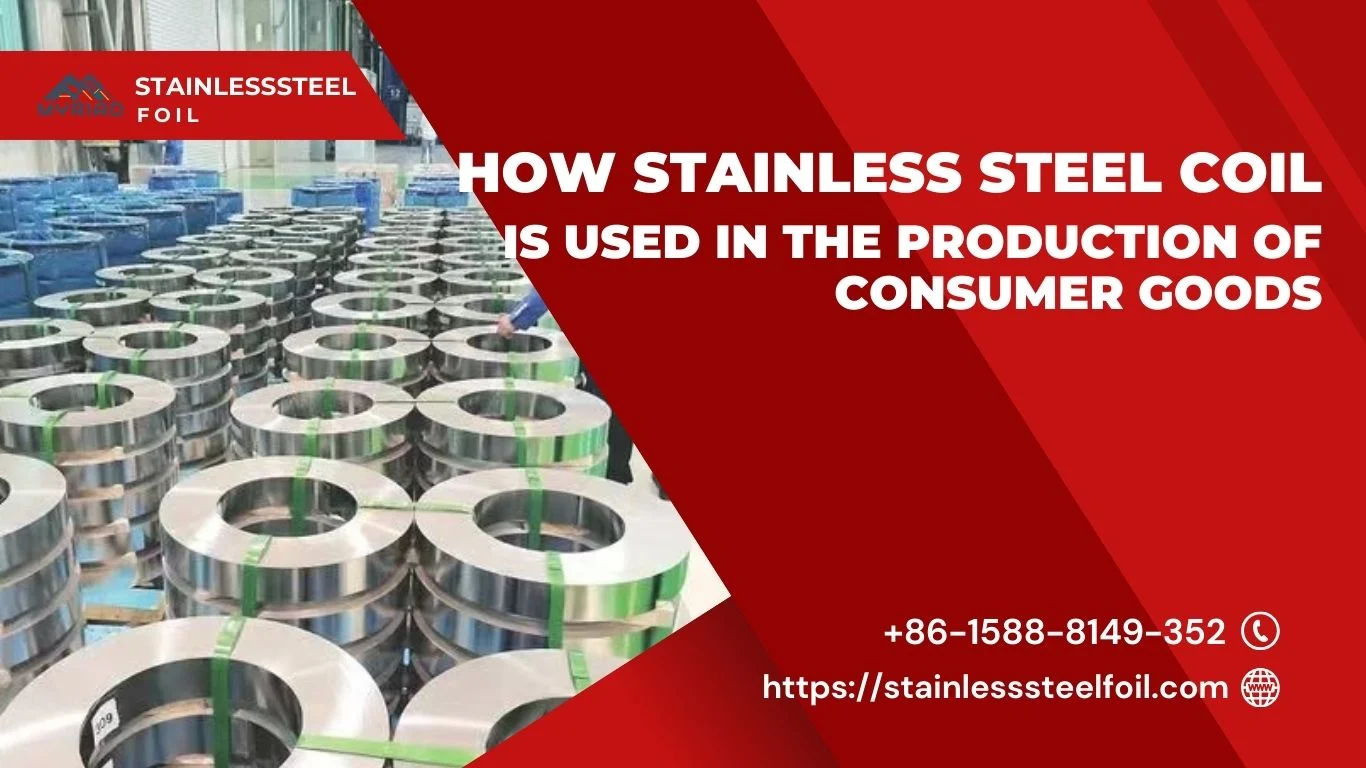
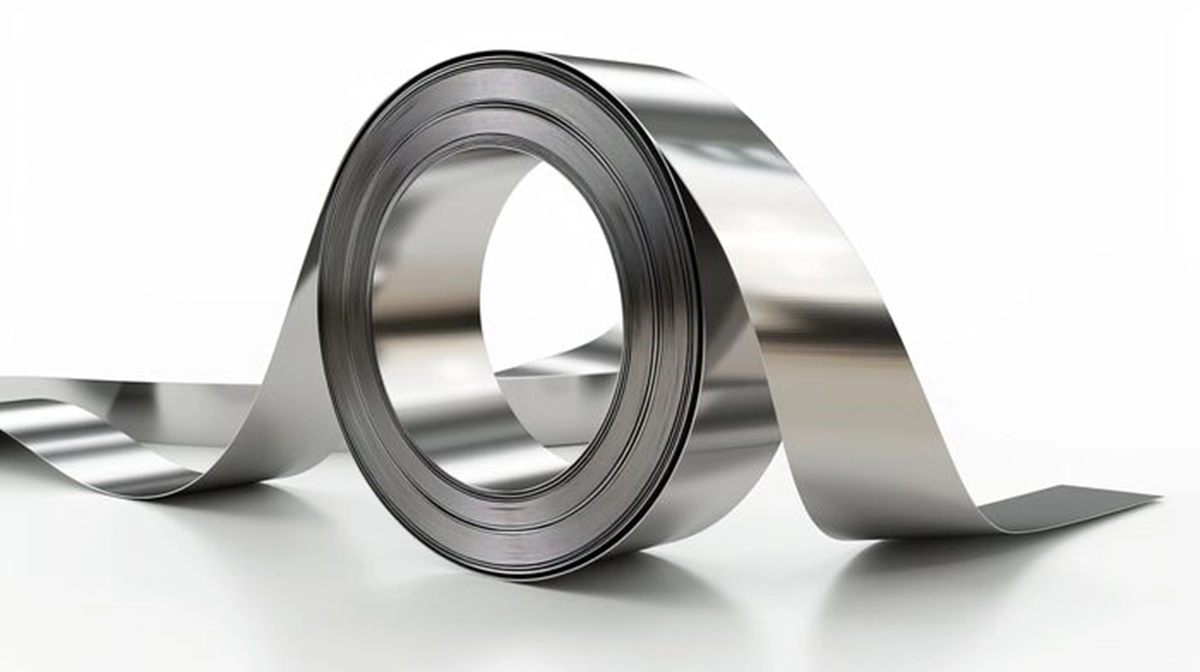
Stainless Steel Coil Is Used Modern manufacturing relies heavily on materials that combine durability, safety, and visual appeal. Stainless steel coil has become an essential material in producing everyday consumer products found in homes, offices, and personal use. From kitchen appliances to medical devices, stainless steel coil is used across numerous industries to create products that last for decades while maintaining their appearance and functionality.
What Is Stainless Steel Material and Why It Dominates Consumer Manufacturing
Stainless steel represents a family of iron-based alloys known for exceptional resistance to corrosion, rust, and staining. The stainless steel material gets its unique properties from carefully controlled chemical composition that creates a protective layer on the surface.
The defining characteristic of stainless steel comes from chromium content, which must reach at least 10.5% to qualify as stainless steel. This chromium forms an invisible oxide layer that continuously regenerates when damaged, providing permanent protection against environmental exposure.
Understanding Stainless Steel Composition Percentage
The stainless steel composition percentage varies significantly across different grades, each formulated for specific applications. Iron serves as the base element, typically comprising 50-70% of the total composition. Chromium content ranges from 10.5% to 30%, depending on the grade and intended use.
Nickel additions, ranging from 0% in ferritic grades to 35% in specialized austenitic alloys, improve corrosion resistance and enhance formability. Molybdenum, when present at 0-7%, dramatically increases resistance to pitting corrosion in chloride environments. Carbon content stays relatively low, usually below 0.08%, to maintain weldability and prevent carbide precipitation during welding.
Additional elements include manganese (0-15%), silicon (0-2%), nitrogen (0-0.4%), and trace amounts of sulfur, phosphorus, and other elements. Each component serves specific purposes in determining the final properties of the alloy.
Essential Stainless Steel Properties for Consumer Products
The stainless steel properties that make it indispensable in consumer goods manufacturing address multiple performance requirements simultaneously.
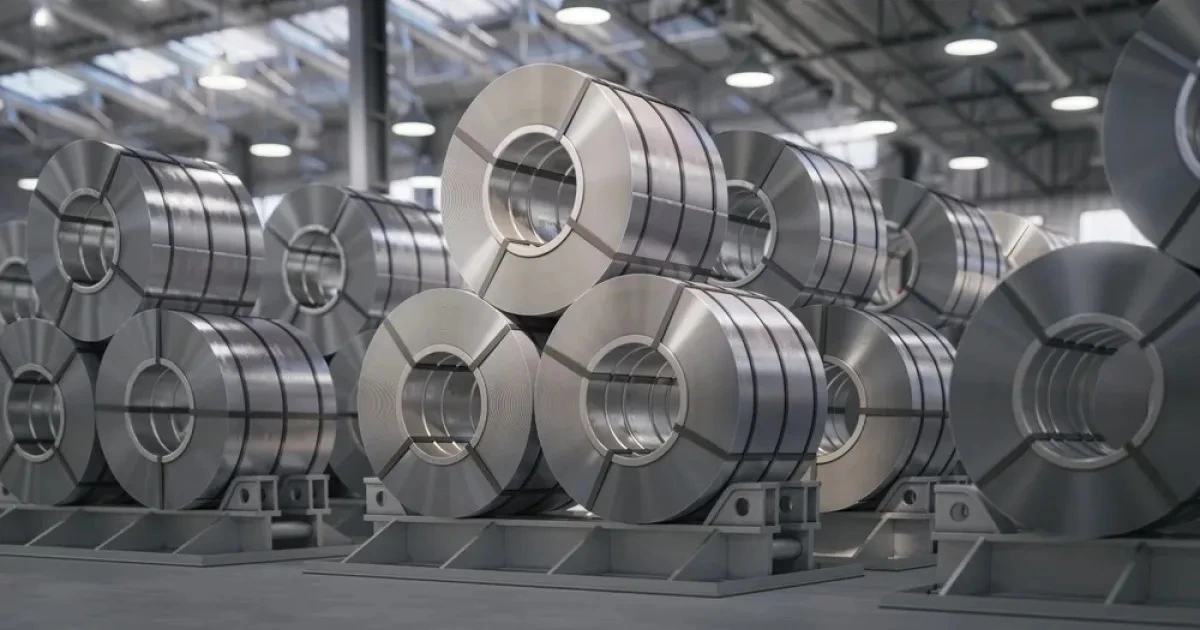
Superior Corrosion Resistance: The self-healing chromium oxide layer protects against moisture, chemicals, and atmospheric conditions. Products maintain integrity despite daily exposure to water, cleaning agents, food acids, and environmental elements. This resistance eliminates the need for protective coatings or frequent replacement.
Hygienic Surface Characteristics: The smooth, non-porous surface resists bacterial colonization and allows thorough sanitization. Medical devices, food preparation equipment, and personal care items benefit from this inherent cleanliness. The material doesn’t harbor pathogens in microscopic pores like some plastics or porous materials.
Exceptional Strength and Durability: Despite relatively light weight, stainless steel offers impressive mechanical strength. Consumer products withstand impacts, bending forces, and repeated use without permanent deformation. The material’s toughness prevents brittle fracture even under stress.
Outstanding Formability: Most stainless steel grades accept deep drawing, stamping, bending, and other forming operations. Manufacturers transform flat coil into complex three-dimensional shapes efficiently.
Temperature Tolerance: Stainless steel maintains structural integrity from cryogenic temperatures to elevated heat. Products function reliably whether in freezers, ovens, or outdoor environments experiencing seasonal extremes.
Aesthetic Versatility: Various surface finishes from mirror polish to brushed satin to matte textures suit different design preferences. The material accepts finishing treatments that enhance appearance without compromising functional properties.
Chemical Inertness: The material doesn’t react with foods, beverages, or most chemicals encountered in consumer applications. This non-reactivity ensures product purity and prevents contamination or unwanted chemical interactions.
Complete Recyclability: Stainless steel recycles indefinitely without property degradation. End-of-life products can be melted and reformed into new coil, recovering nearly all material value. This sustainability advantage aligns with environmental goals increasingly important to consumers and manufacturers.
What Are the 4 Types of Stainless Steel Used in Manufacturing
Understanding what are the 4 types of stainless steel helps explain why different consumer products utilize specific grades. These four families differ in crystalline structure, composition, and resulting characteristics.
Austenitic Stainless Steel: The Most Common Choice
Austenitic grades represent approximately 70% of global stainless steel production and dominate consumer goods applications. These non-magnetic alloys contain high chromium (16-26%) and nickel (6-22%) content.
Grade 304, with 18% chromium and 8% nickel, serves as the standard for consumer products. Kitchen sinks, cookware, appliances, utensils, and countless household items utilize 304 for its excellent balance of performance and cost. The material deep draws into complex shapes, accepts welding easily, and maintains appearance through decades of use.
Grade 316 stainless steel coil enhances 304’s properties by adding 2-3% molybdenum. This addition significantly improves resistance to pitting and crevice corrosion, particularly in saltwater environments. Marine hardware, pharmaceutical equipment, medical devices, and coastal installations benefit from 316’s superior performance.
Austenitic stainless steels maintain properties across wide temperature ranges and don’t become magnetic. The bright, lustrous finish achievable through polishing makes these grades popular for visible surfaces and decorative applications.
Ferritic Stainless Steel: Cost-Effective Performance
Ferritic grades contain 10.5-30% chromium with minimal or no nickel, reducing costs while maintaining adequate corrosion resistance. These magnetic alloys include grades like 430 and 409.
Consumer products manufactured from ferritic stainless steel include washing machine drums, dishwasher interiors, automotive trim, and appliance components not requiring extreme formability. Grade 430 works well for decorative panels, trim pieces, and utensil handles.
The magnetic properties of ferritic grades enable certain product features. Magnetic knife holders can use ferritic stainless steel to attract and secure cutlery. Refrigerator surfaces sometimes incorporate ferritic grades to allow magnet attachment while providing stainless steel’s aesthetic.
Ferritic stainless steels offer good corrosion resistance at lower cost than austenitic types, making them attractive for budget-conscious applications accepting their forming limitations.
Martensitic Stainless Steel: Hardness and Edge Retention
Martensitic grades achieve high hardness through heat treatment, offering strength and wear resistance alongside moderate corrosion protection. These magnetic alloys contain 11-18% chromium with higher carbon content. Common grades include 410, 420, and 440.
Consumer cutting implements rely on martensitic stainless steel. Knife blades, scissors, razors, and other sharp tools require the hardness martensitic grades provide. Grade 420 serves kitchen cutlery, while grade 440C appears in premium knives and high-quality cutting instruments.
Heat treatment allows manufacturers to achieve hardness levels of 50-60 HRC (Rockwell C scale), creating durable edges that resist wear and maintain sharpness. The material machines readily, enabling precise blade geometries and sharp angles.
The trade-off for hardness comes in reduced corrosion resistance compared to austenitic types and limited formability. Martensitic products typically undergo machining or grinding rather than forming from coil.
Duplex Stainless Steel: Premium Strength
Duplex grades combine austenitic and ferritic structures in approximately equal proportions. With chromium content of 18-28%, molybdenum of 2.5-4%, and moderate nickel levels, duplex stainless steels offer roughly double the strength of austenitic grades.
Consumer applications for duplex stainless steel remain limited due to higher costs, but premium products benefit from the material’s exceptional performance. High-end brewing equipment, marine hardware for yachts, and specialized tools utilize duplex grades.
The increased strength allows thinner material gauges, potentially offsetting cost premiums while reducing weight. Aggressive environments that would challenge austenitic grades handle easily with duplex stainless steel.
What Is Stainless Steel Used For in Consumer Products
The question what is stainless steel used for encompasses extraordinary variety across consumer goods categories. Stainless steel products appear in virtually every aspect of daily life.
Kitchen and Food Preparation Equipment
The kitchen represents the largest consumer market for stainless steel foil applications.
Major Appliances: Refrigerators, dishwashers, ovens, ranges, and microwaves feature stainless steel exteriors resisting fingerprints and maintaining appearance through years of use. Interior components like refrigerator liners, oven cavities, and dishwasher tubs benefit from corrosion resistance and cleanability. Manufacturers form these large components from stainless steel coil through stamping and drawing operations.
Sinks and Faucets: Kitchen and bathroom sinks fabricated from coil offer durability and easy cleaning. Deep drawing creates seamless basins eliminating joints where bacteria accumulate. Sound-deadening coatings reduce noise. Faucet bodies resist constant water exposure without corroding or staining.
Cookware: Pots, pans, mixing bowls, and baking sheets provide non-reactive cooking surfaces. Multi-ply construction bonds stainless steel to aluminum or copper cores, combining surface benefits with improved heat distribution. Forming processes shape flat coil into functional cooking vessels.
Utensils and Flatware: Spoons, forks, knives, and serving pieces utilize stainless steel’s strength and corrosion resistance. Blanking operations cut utensil shapes from coil, then progressive dies form bowls and curvature. Polishing creates the expected lustrous finish.
Food Storage: Containers, canisters, and storage vessels benefit from non-reactive, odor-resistant properties. The material maintains food quality during storage without imparting flavors or absorbing odors.
Countertops and Surfaces: Commercial kitchens and upscale homes install stainless steel countertops for hygiene and durability. Large sheets create seamless work surfaces resisting heat, stains, and bacterial growth.
Personal Care and Grooming Products
Stainless steel’s hygienic properties extend into personal care applications.
Grooming Tools: Nail clippers, tweezers, scissors, and manicure implements maintain sharp edges while resisting water corrosion. Smooth surfaces allow thorough sterilization. Small tools typically start as stamped blanks from coil.
Razors: Safety razor heads and disposable razor components utilize stainless steel’s edge-holding capability. Martensitic grades provide hardness for effective shaving while resisting rust from water exposure.
Jewelry and Accessories: Watches, bracelets, necklaces, and earrings benefit from hypoallergenic properties and lasting appearance. The material doesn’t tarnish or corrode, maintaining luster indefinitely.
Cosmetic Packaging: Premium cosmetic containers and perfume atomizers incorporate stainless steel for upscale aesthetics and chemical resistance.
Home Furnishings and Hardware
Furniture Components: Table legs, chair frames, shelving brackets, and hardware provide strength with modern appearance. Tubular furniture forms from coil shaped into tubes before cutting and welding into frames.
Lighting Fixtures: Lamps, chandeliers, and outdoor lighting utilize corrosion resistance and reflective properties. Stamped components create shades and housings. Exterior fixtures withstand weather without degrading.
Door Hardware: Handles, knobs, hinges, locks, and trim resist constant handling and environmental exposure. Commercial buildings specify stainless steel hardware for longevity and minimal maintenance.
Bathroom Fixtures: Towel bars, toilet paper holders, soap dispensers, and shower accessories resist humid bathroom environments. Cleanability and water-spot resistance maintain appearance with minimal care.
Appliances and Small Electronics
Large Appliances: Washing machines utilize stainless steel drums lasting longer than alternatives while providing superior cleaning. Water heaters employ the material’s corrosion resistance and thermal properties.
Small Appliances: Coffee makers, toasters, blenders, food processors, and electric kettles feature stainless steel housings and containers. The material’s thermal properties and aesthetic appeal suit countertop appliances.
Electronics Housings: Computer cases, speaker grilles, and device enclosures sometimes incorporate stainless steel for premium appearance and electromagnetic shielding.
Automotive and Transportation Components
Exhaust Systems: Mufflers, catalytic converters, and exhaust pipes increasingly use stainless steel for corrosion resistance and heat tolerance. The material withstands high temperatures and corrosive gases while lasting the vehicle’s lifetime.
Trim and Decorative Elements: Window moldings, grille surrounds, door sills, and emblems provide attractive appearance and weather resistance. Stamping operations form these components from coil Stainless Steel Coil Is Used.
Fuel Systems: Fuel tanks and fuel lines benefit from corrosion resistance and impermeability. The material’s strength allows lighter designs compared to heavier-gauge alternatives.
Medical and Healthcare Applications
Surgical Instruments: Scalpels, forceps, scissors, and retractors utilize stainless steel’s sterilization capability. Grade 316L provides corrosion resistance to body fluids and sterilization chemicals.
Medical Equipment: Hospital beds, instrument trays, carts, and equipment housings benefit from cleanability and durability. The material withstands repeated disinfection with harsh chemicals.
Implantable Devices: Orthopedic implants and dental fixtures use medical-grade stainless steel for biocompatibility and mechanical properties.
Sports and Recreation Equipment
Fitness Equipment: Weight training machines and gym fixtures utilize strength and sweat-corrosion resistance. The material maintains appearance despite constant handling and perspiration exposure.
Water Sports: Boat hardware, fishing equipment, and diving accessories rely on saltwater corrosion resistance. Grade 316 serves as standard for marine applications.
Outdoor Gear: Camping equipment and outdoor cooking implements benefit from durability and low maintenance.
Summary
Stainless steel coils play a vital role in the production of consumer goods, offering unmatched durability, corrosion resistance, and sustainability. From kitchen appliances to medical devices, their applications are diverse and essential for modern manufacturing. Understanding the composition, properties, and types of stainless steel helps in selecting the right material for specific applications.
For more information on stainless steel products, visit Stainless Steel Foil.
FAQs
1. What is stainless steel used for?
Stainless steel is used in various industries, including construction, automotive, medical, and consumer goods. Its corrosion resistance and durability make it suitable for demanding applications.
2. What are the 4 types of stainless steel?
The four types are austenitic, ferritic, martensitic, and duplex stainless steel. Each type has unique properties and applications.
3. What is the composition of stainless steel?
Stainless steel is primarily composed of iron, chromium, and nickel. The exact composition varies depending on the grade and type.
4. Why is stainless steel used in consumer goods production?
Stainless steel is used for its corrosion resistance, strength, and sustainability, making it ideal for consumer products.
For further inquiries, feel free to Contact Us.