how Stainless Steel Foil Is Manufactured is essential for engineers, buyers, and manufacturers alike. Whether you work in electronics, automotive, or medical industries, the production process behind stainless steel foil directly impacts its quality, performance, and cost.
At first glance, stainless steel foil may seem simple. However, in reality, it involves a highly controlled, multi-stage process that transforms raw metal into ultra-thin, precision-engineered material. Therefore, in this comprehensive guide, we will explore every stage in detail—from raw material selection to final finishing.
What Is Stainless Steel Foil?
Before diving into how Stainless Steel Foil Is Manufactured, it is important to understand what the material actually is.
According to this authoritative resource on stainless steel, stainless steel is a corrosion-resistant alloy made primarily from iron, chromium, and other elements. When this alloy is processed into extremely thin sheets—typically below 0.2 mm—it becomes stainless steel foil.
If you want a deeper technical overview, you can read this guide on what is stainless steel foil.
Because of its thinness, flexibility, and durability, stainless steel foil is widely used in:
- Battery manufacturing
- Flexible electronics
- Heat exchangers
- Medical instruments
As a result, precision during manufacturing is absolutely critical.
How Stainless Steel Foil Is Manufactured
In simple terms, Stainless Steel Foil Is Manufactured through a combination of melting, rolling, annealing, and finishing processes.
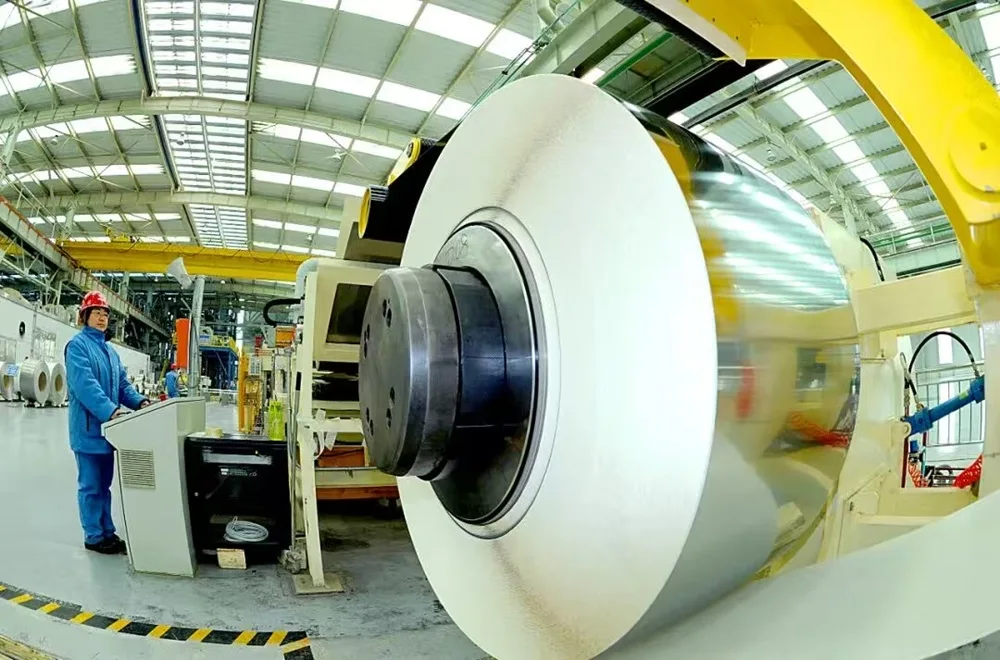
However, each stage requires strict control. Even a small deviation can affect thickness, strength, or surface quality.
The main stages include:
- Raw material preparation
- Melting and casting
- Hot rolling
- Cold rolling
- Annealing
- Surface finishing
- Slitting and packaging
Now, let’s explore each step in detail.
Raw Material Selection
To begin with, manufacturers carefully select raw materials. These typically include iron, chromium, nickel, and other alloying elements.
The composition determines the final properties of the foil. For instance:
- 301 stainless steel foil offers high strength and flexibility
- 304 stainless steel foil provides excellent corrosion resistance
Therefore, choosing the right composition is the first critical step in how Stainless Steel Foil Is Manufactured.
Melting and Casting
Next, the selected raw materials are melted in high-temperature furnaces. This process ensures a uniform chemical composition.
Once melted, the liquid steel is cast into slabs or billets. These solid forms serve as the starting point for further processing.
At this stage, manufacturers closely monitor temperature and composition. As a result, they achieve consistent quality in the final product.
Hot Rolling Process
After casting, the slabs undergo hot rolling. In this stage, the steel is heated above its recrystallization temperature and passed through large rollers.
This process reduces thickness significantly while improving structural uniformity.
However, hot rolling alone cannot achieve the ultra-thin dimensions required for foil. Therefore, further processing is necessary.
Cold Rolling for Precision Thickness
Cold rolling is the most critical stage in how Stainless Steel Foil Is Manufactured.
During this process, the material passes through rollers at room temperature. Each pass reduces thickness further while improving surface finish and mechanical properties.
For example, thickness can be reduced from several millimeters to less than 0.05 mm.
Additionally, cold rolling enhances:
- Strength
- Surface smoothness
- Dimensional accuracy
You can also explore more about thickness and applications in this guide on thin stainless steel foil thickness applications.
Annealing for Flexibility
After cold rolling, the material becomes hard and brittle. Therefore, manufacturers perform annealing to restore ductility.
Annealing involves heating the foil to a specific temperature and then cooling it under controlled conditions.
As a result:
- Internal stresses are relieved
- Flexibility improves
- Grain structure becomes uniform
Without annealing, the foil would be too brittle for most applications.
Surface Finishing and Treatment
Once annealed, the foil undergoes surface finishing. This step enhances both appearance and performance.
Common finishes include:
- Bright annealed (BA)
- Matte finish
- Polished surfaces
Moreover, surface treatment removes impurities and improves corrosion resistance.
Therefore, this stage plays a key role in how Stainless Steel Foil Is Manufactured for high-performance applications.
Slitting and Customization
After finishing, large coils are slit into narrower rolls based on customer requirements.
Manufacturers use precision slitting machines to ensure clean edges and accurate dimensions.
You can explore available options through stainless steel foil products or the full product catalog.
Customization options include:
- Width
- Thickness
- Coil size
As a result, customers receive foil tailored to their specific applications.
Inspection and Quality Control
Before shipping, manufacturers conduct rigorous quality checks.
These include:
- Thickness measurement
- Surface inspection
- Mechanical testing
Consequently, every batch meets strict industry standards.
Quality control ensures consistency, which is essential in high-volume production.
Packaging and Delivery
Finally, the foil is carefully packaged to prevent damage during transportation.
Proper packaging protects against:
- Moisture
- Contamination
- Physical damage
For more details, you can read this guide on stainless foil storage and handling.
Comparison Table: Hot Rolling vs Cold Rolling
| Feature | Hot Rolling | Cold Rolling |
|---|---|---|
| Temperature | High | Room temperature |
| Thickness Control | Moderate | High precision |
| Surface Finish | Rough | Smooth |
| Strength | Lower | Higher |
This comparison highlights why cold rolling is essential in how Stainless Steel Foil Is Manufactured.
Why Precision Matters in Manufacturing
Precision is crucial because stainless steel foil is used in sensitive applications.
For example, in electronics, even a slight variation in thickness can affect conductivity. Similarly, in medical devices, surface quality impacts safety and performance.
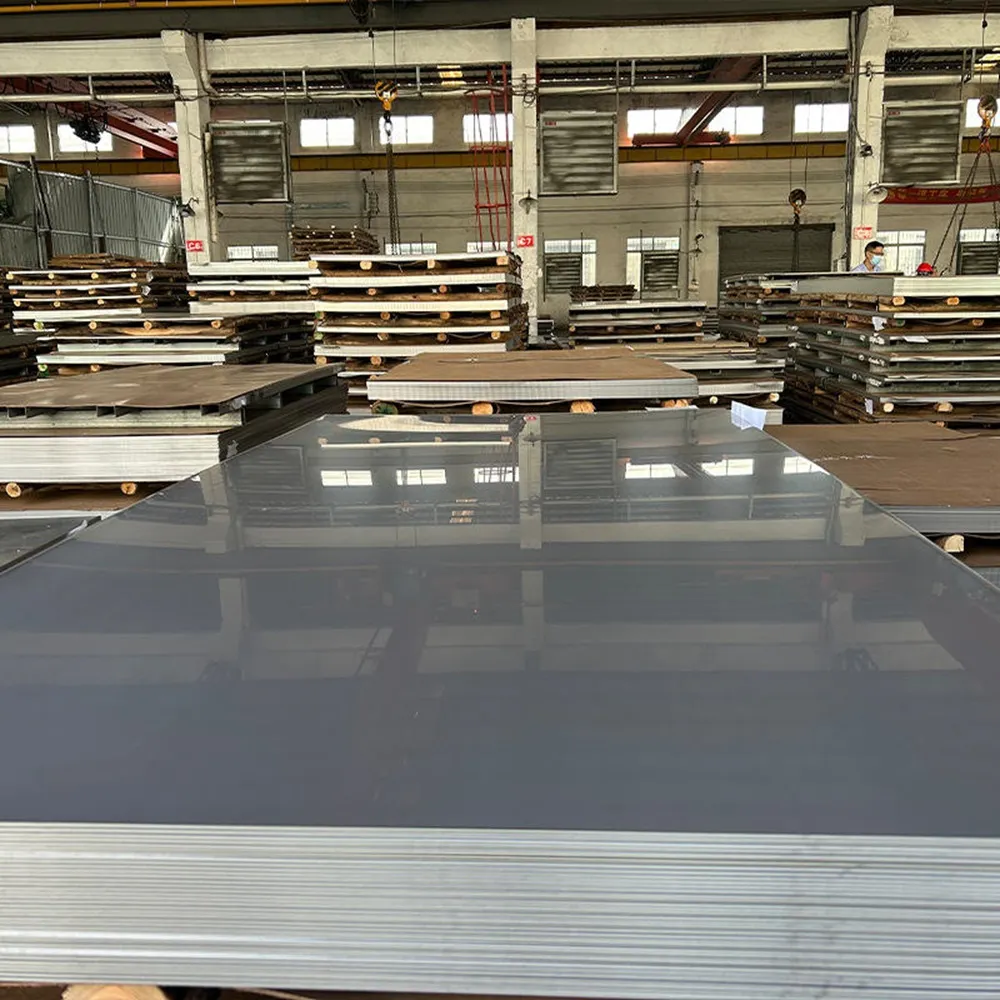
Therefore, manufacturers invest heavily in advanced technology and quality control systems.
Industry Trends in Stainless Steel Foil Manufacturing
The global demand for stainless steel foil continues to rise. This growth is driven by:
- Electric vehicle batteries
- Renewable energy systems
- Advanced electronics
As a result, manufacturers are adopting new technologies to improve efficiency and reduce costs.
You can stay updated with industry trends through the blog section.
How to Choose the Right Manufacturer
Understanding how Stainless Steel Foil Is Manufactured also helps you choose the right supplier.
A reliable manufacturer should offer:
- Advanced production technology
- Strict quality control
- Customization options
You can start by exploring Stainless Steel Foil and contacting experts through their contact page.
Challenges in Manufacturing
Despite advanced technology, manufacturers face several challenges.
Maintaining consistent thickness is difficult at ultra-thin levels. Additionally, controlling surface defects requires precision.
However, experienced manufacturers overcome these challenges through continuous innovation.
Summary
How Stainless Steel Foil Is Manufactured reveals the complexity behind this seemingly simple material. From raw material selection to precision rolling and finishing, every step plays a vital role.
Moreover, advanced technology and strict quality control ensure consistent performance. Therefore, choosing a reliable manufacturer is essential for achieving the best results.
Ultimately, knowing how Stainless Steel Foil Is Manufactured empowers you to make informed decisions and optimize your production process.
FAQs
Q.What is the first step in how Stainless Steel Foil Is Manufactured?
A.The first step in how Stainless Steel Foil Is Manufactured is selecting high-quality raw materials such as iron, chromium, and nickel.
Q.Why is cold rolling important in how Stainless Steel Foil Is Manufactured?
A.Cold rolling is crucial in how Stainless Steel Foil Is Manufactured because it achieves precise thickness and improves surface finish.
Q.What role does annealing play in how Stainless Steel Foil Is Manufactured?
A.Annealing in how it restores flexibility and reduces internal stress after cold rolling.
Q.Can Stainless Steel Foil Is Manufactured in different grades?
A.Yes, how depends on the grade, such as 301 for strength or 304 for corrosion resistance.
Q.How is quality ensured in how Stainless Steel Foil Is Manufactured?
A.Quality in how this is ensured through strict testing, including thickness measurement and surface inspection.