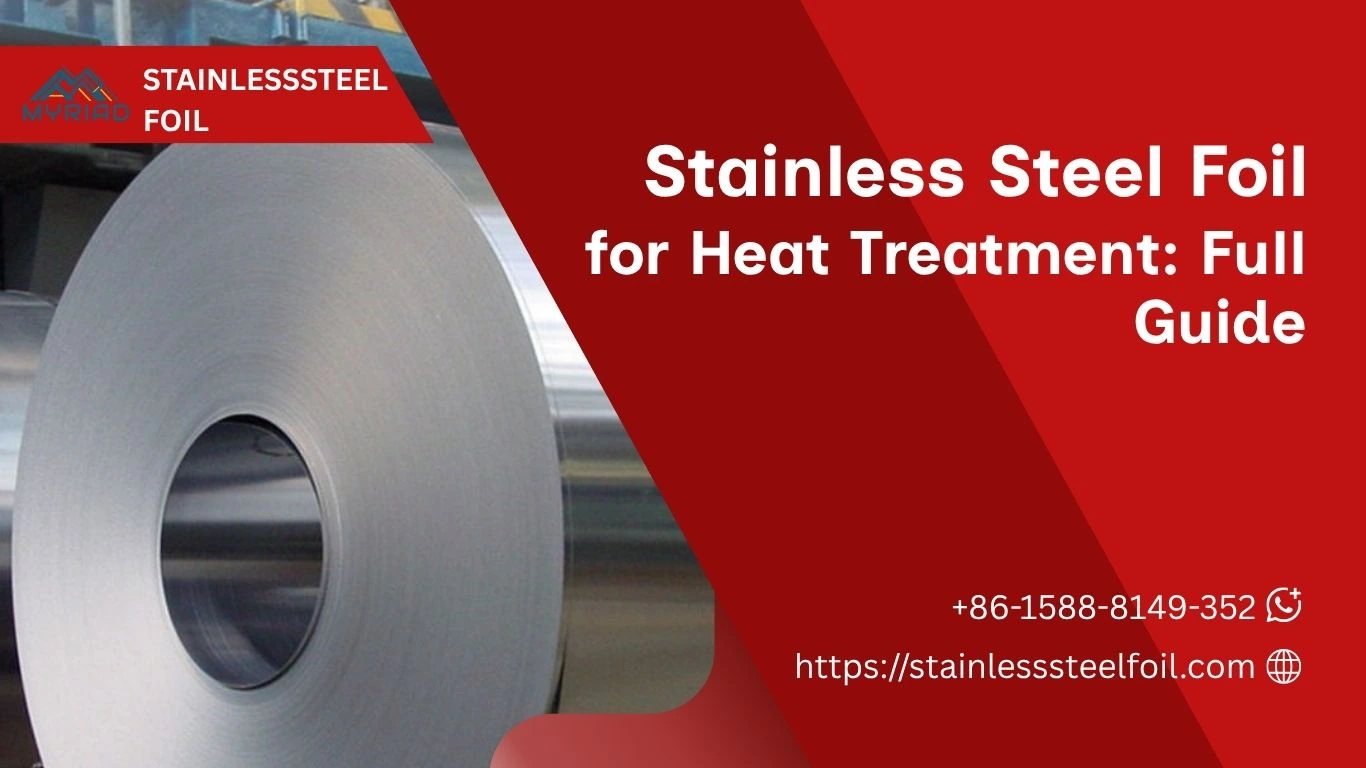
A Stainless Steel Foil for Heat Treatment for uniform heating and surface protection manufacturing and metalworking processes. From automotive parts to aerospace components, heat treatment plays a vital role in enhancing mechanical properties, and stainless steel foil serves as a reliable medium to ensure uniform heating and protect surfaces during processing.
In this comprehensive guide, we explore everything you need to know about stainless steel foil for heat treatments — how it works, why it matters, which grades are best suited for specific applications, and how engineers and manufacturers rely on it every day. Whether you’re selecting materials for your next project or simply looking to understand the science behind heat treatment protection, this article has you covered.
According to industry data, the steel heat treatment market is expected to grow by over 4% annually through 2030, driven by increased demand for precision-engineered components in the automotive and aerospace sectors.*[^source] To meet these demands, stainless steel foil has become a go-to choice for protective wraps, carriers, and thermal barriers.
Before diving deeper, you can explore more about stainless steel itself from this authoritative resource on stainless steel properties.
What Is Stainless Steel Foil?
At its core, stainless steel foil is a thin, flexible sheet made from stainless steel alloys. These foils are typically less than 0.2 mm in thickness and can be produced in extremely narrow tolerances. The material offers excellent mechanical properties, corrosion resistance, and heat endurance — making it ideal for a range of heat treatment applications.
You can learn more about stainless steel foil basics by visiting the internal link what is stainless steel foil
Unlike bulk plates or sheets, stainless steel foil delivers precise thermal efficiency and uniform protection when wrapped around parts during heat treatment cycles. This prevents oxidation, scale formation, and contamination that can adversely affect component performance.
At stainless steel foil, you’ll find a wide range of high-quality stainless steel foils designed specifically for demanding industrial uses.
Why Stainless Steel Foil Is Vital for Heat Treatment
Heat treatment involves controlled heating and cooling to alter the physical properties of metals. This process strengthens materials, improves wear resistance, and relieves internal stresses.
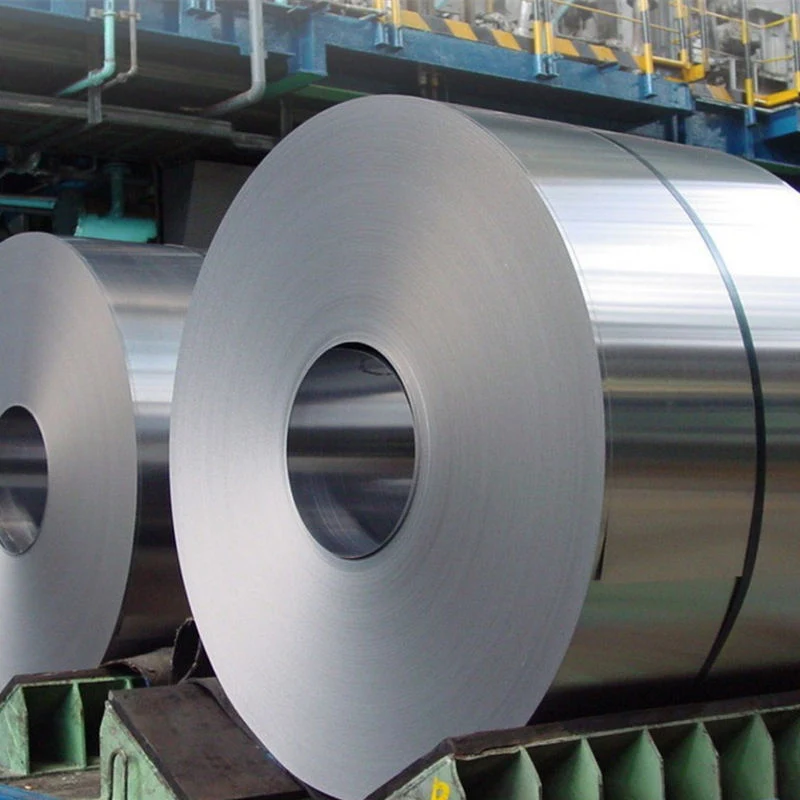
However, exposure to oxygen at high temperatures can cause surface oxidation and scaling. Stainless steel foil provides a protective barrier that minimizes these effects.
Here are some key benefits:
Superior thermal protection: Stainless steel foil distributes heat evenly around the component, reducing hotspots.
Oxidation control: Forming scales and surface contamination are minimized, preserving part integrity.
Mechanical support: Foil wraps can act as carriers or supports during quenching and tempering.
Heat treatment experts often reference this process guide here heat treatment with stainless steel foil
Without such protective materials, components can suffer from surface defects, dimensional distortion, and reduced mechanical performance — costly outcomes in any manufacturing operation.
Key Grades of Stainless Steel Foil for Heat Treatment
Choosing the right alloy grade is essential to achieving consistent results. Some grades perform better under prolonged high temperatures, while others offer enhanced corrosion resistance.
Below are widely used stainless steel foil grades for heat treatment applications:
301 Stainless Steel Foil
This grade offers excellent elasticity and strength at elevated temperatures. It’s often used where high tensile strength is required.
Learn more about 301-grade foil here: what is 301 stainless steel foil
304 Stainless Steel Foil
Arguably the most versatile stainless steel foil due to its balance of corrosion resistance and thermal stability. It’s commonly used across heat treatment and general manufacturing.
The classic 304-grade foil is detailed at: what is 304 stainless steel foil
316 and Other Specialized Grades
For applications involving aggressive environments or higher corrosion risks, 316 and other specialized grades offer superior performance. These are less common in standard heat treatment but essential in high-demand scenarios.
When selecting a grade, consider the operating temperatures, furnace atmosphere, and desired surface finish outcomes.
How Stainless Steel Foil Helps in Heat Treatment Processes
Understanding how Stainless Steel Foil for Heat Treatment Guide functions in real-world applications clarifies its value. Let’s look at the most common scenarios where foil plays a critical role.
Protective Wrapping for Scale Prevention
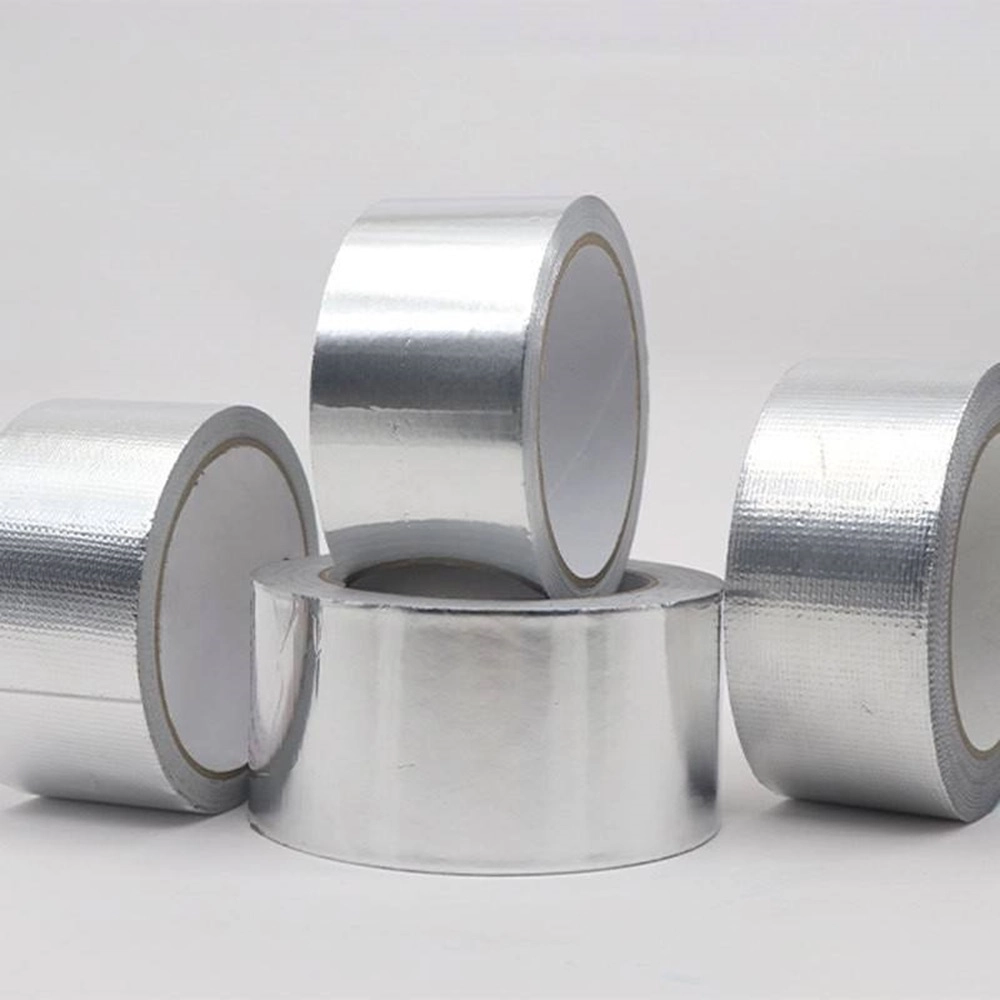
During heating cycles, especially above 800°C, steel and alloy surfaces tend to oxidize. Foil wraps prevent direct exposure to air, significantly reducing scaling and preserving the original surface quality.
Support and Basket Liners
When treating multiple small parts, foil can be configured to support or separate items in baskets or carriers. This ensures uniform heat distribution and prevents contact marks or scratches.
Thermal Barriers in Quenching
Foil can act as a partial barrier during quenching, moderating cooling rates in sensitive components — useful in aerospace or precision engineering.
By serving multiple roles in the heat treatment cycle, stainless steel foil enhances overall process efficiency and part performance.
Industrial Applications
Heat treatment spans numerous industries, and stainless steel foil finds purpose in many of them.
Automotive Production
In automotive manufacturing, heat treatment strengthens engine and structural parts. Stainless steel foil protects these components during processing to ensure durability and performance.
Automotive heat treatment processes often rely on materials like stainless steel foil due to its flexibility and reliability.
Aerospace and Defense
Parts used in aerospace must withstand extreme conditions. During heat treatment, foil wraps are used to guard precision components, ensuring no surface degradation occurs.
Tool and Die Manufacturing
Tools must maintain exact dimensions. Foil minimizes oxidation and scale, ensuring surface integrity for high-performance tooling.
Metal Fabrication Services
Heat treaters and metal finishers regularly use stainless steel foil to protect parts and improve yield rates.
At stainless steel foil for heat treatment, you’ll find a range of industrial-grade foils made for rigorous applications.
Each industry has unique requirements, but the consistent theme is clear: stainless steel foil enhances outcome quality and reduces manufacturing defects.
Comparing Stainless Steel Foil to Other Protective Materials
Not all heat treatment protection is the same. Materials like aluminum foil and ceramic blankets are alternatives, but stainless steel foil offers unmatched advantages in industrial settings.
| Feature | Stainless Steel Foil | Aluminum Foil | Ceramic Blanket |
|---|---|---|---|
| Temperature Tolerance | High (>900°C) | Moderate (~600°C) | Very High (>1000°C) |
| Corrosion Resistance | Excellent | Poor | Neutral |
| Surface Protection | Maximum | Medium | Low |
| Flexibility | Flexible | Very Flexible | Rigid |
Compared to aluminum foil, stainless steel foil withstands higher temperatures and resists oxidation. Ceramic materials handle heat well but lack the flexibility needed for wrapping intricate parts.
This comparison highlights why stainless steel foil remains a top choice for many heat treaters.
Selecting the Right Stainless Steel Foil for Your Needs
Choosing the right stainless steel foil for heat treatment depends on several factors:
Operating temperatures: Higher temperatures require grades with superior heat strength.
Furnace atmosphere: Oxidizing or reducing environments affect foil selection.
Component size and shape: Complex geometries require flexible, easy-to-form foils.
Mechanical properties: Certain alloys provide better tensile strength or elongation.
Understanding these variables ensures you choose material that delivers consistent and reliable results.
You can browse a wide selection of heat treatment foils at stainless steel foil
Fabrication and Handling Best Practices
To get the most from your stainless steel foil for heat treatments, follow these best practices:
Before use, handle foil with clean gloves to avoid contamination. Surface oils or residues can burn off during heat cycles, causing unwanted discoloration.
When wrapping components, ensure tight, even coverage without sharp folds. This promotes uniform heating.
Store foil in a dry, clean environment to prevent corrosion before use.
Remember that precision handling improves outcomes and reduces material waste over time.
Cost Considerations and ROI
At first glance, stainless steel foil may appear more expensive than alternatives. However, its durability and performance often result in better long-term value.
Reduced scaling and surface defects mean fewer rejected parts. Quality surface finishes also minimize post-heat-treatment polishing or grinding.
Investing in high-quality stainless steel foil can improve overall manufacturing efficiency and reduce rework time — both of which contribute to long-term cost savings.
Summary
Stainless steel foil for heat treatment plays a vital role in modern metalworking and manufacturing. Its ability to protect surfaces, withstand high temperatures, and improve heat distribution makes it an essential material for automotive, aerospace, tool making, and industrial fabrication. By selecting the right grades and handling it properly, manufacturers can achieve superior results, reduce defects, and enhance overall production quality.
Whether you’re new to heat treatment or an experienced metalworker, understanding the benefits and best practices for stainless steel foil will help you make smarter material choices that improve outcomes. For more information about stainless steel foil and to discuss your specific heat treatment needs, visit Stainless Steel Foil or contact us today.
FAQs
Q.What is stainless steel foil for heat treatment used for?
A. Stainless Steel Foil for Heat Treatments Guide protects metal parts from oxidation, scale, and surface contamination during heating and cooling cycles.
Q.Which grades are best for stainless steel foil in heat treatment?
A.Common grades used for stainless steel foil for heat-treatment include 301 and 304 due to their heat stability and corrosion resistance.
Q.Can stainless steel foil withstand high temperatures?
A.Yes, stainless steel foil for heat treatment guides can withstand temperatures exceeding 900°C, making it ideal for industrial heat cycles.
Q.Is stainless steel foil better than aluminum foil for heat treatment?
A.In most industrial heat treatment applications, stainless steel foil for heat treatments performs better due to superior temperature tolerance and oxidation resistance.
Q.Where can I buy high-quality stainless steel foil for heat treatments?
A.You can purchase industrial-grade stainless steel foil for heat treatments at stainless steel foil.