Heat treatment is a foundational process in modern metallurgy that determines the final strength and durability of metal components. When you subject high-carbon or tool steels to extreme temperatures, the surrounding atmosphere becomes a threat. Oxygen reacts with the metal surface, leading to scaling and decarburization—a process that strips the surface of carbon and leaves it soft. This is exactly where stainless steel foil becomes indispensable.
Acting as a protective barrier, this ultra-thin material creates a micro-environment for your parts, allowing them to reach their required hardness without surface degradation. Whether you are a custom knife maker or an industrial tool manufacturer, understanding how to use stainless steel foil for heat treating is a game changer for your production quality.
What is Stainless Steel Foil?
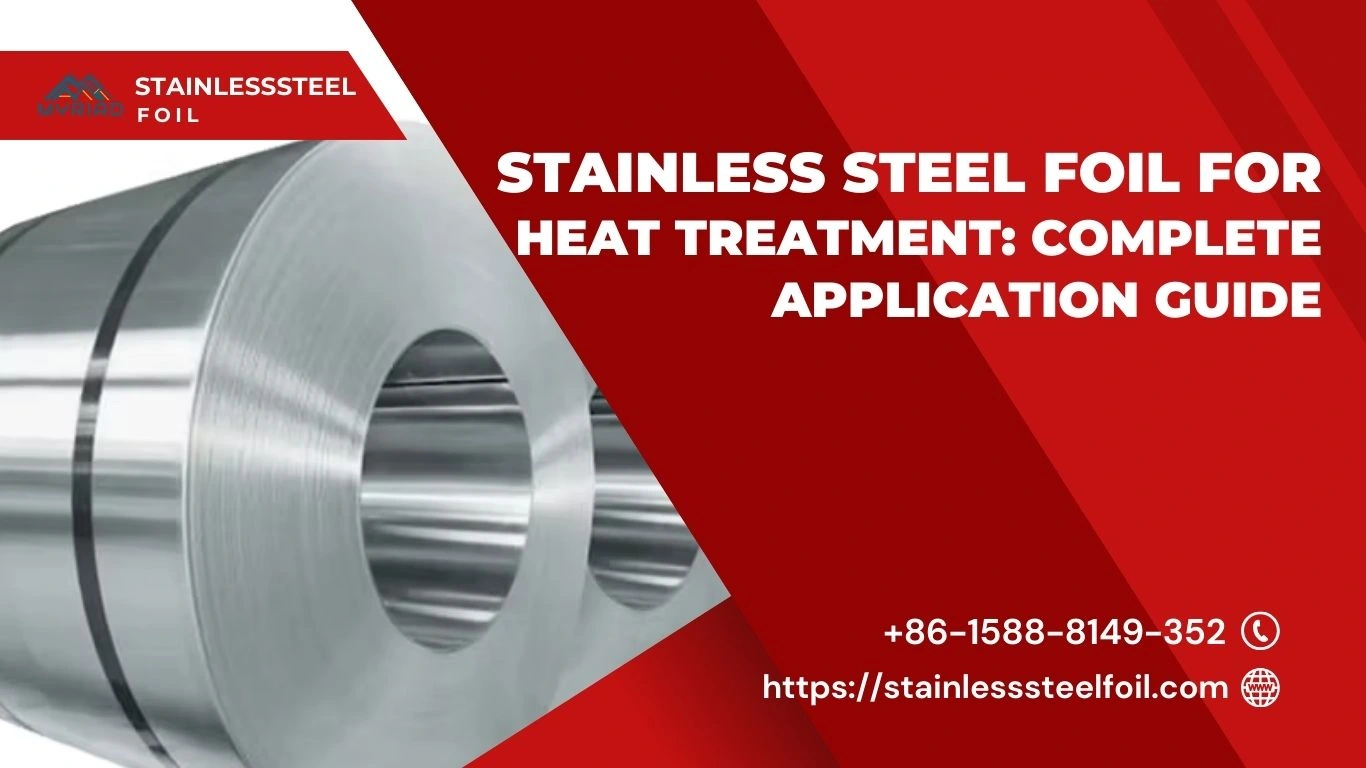
Stainless steel foil refers to an extremely thin gauge of stainless steel, typically ranging from 0.01 mm to 0.2 mm in thickness. Unlike thicker sheets or plates, foil offers high flexibility while maintaining the inherent benefits of stainless steel, such as corrosion resistance and thermal stability.
In the context of thermal processing, it is often called “tool wrap.” It serves as a physical shield against the atmosphere inside a furnace. Because the foil is so thin, it reaches the furnace temperature almost instantly, ensuring that the workpiece inside undergoes the thermal cycle without delay.
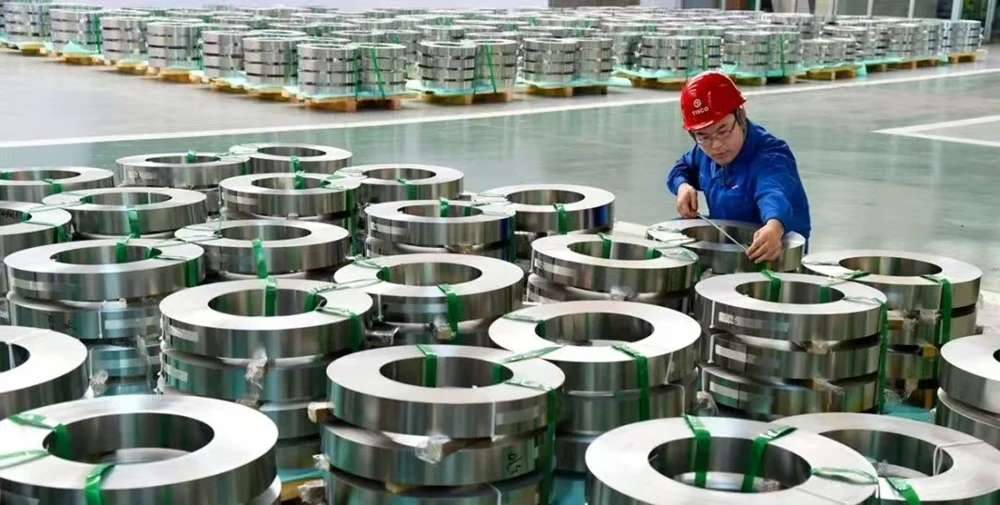
Key Characteristics:
-
High Flexibility: You can easily fold, crease, and seal it around complex geometries.
-
Oxidation Resistance: It withstands high temperatures without disintegrating.
-
Airtight Sealing: When folded correctly, it prevents oxygen from reaching the metal surface.
How Stainless Steel Foil is Made
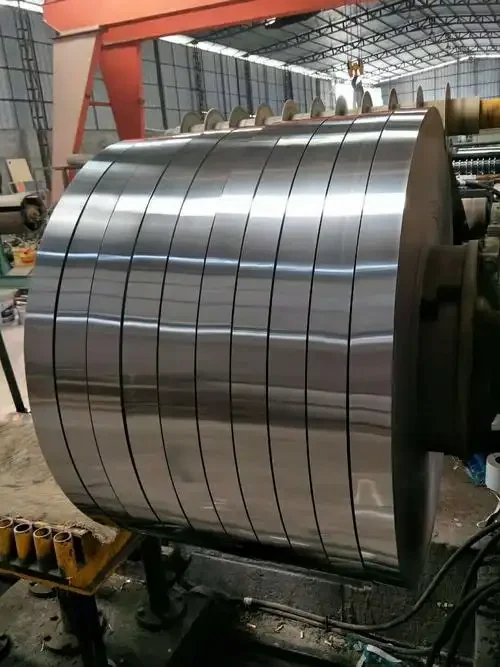
The production of high-quality foil requires precision engineering and multi-stage processing. The journey begins with a hot rolled coil which undergoes a series of transformations to reach its final thinness.
Hot Rolling and Annealing
The process starts with thick slabs of steel. These slabs are heated and passed through rollers to reduce their thickness, creating a hot-rolled coil. This material is then annealed to soften it for further processing.
Cold Rolling
To achieve the “foil” designation, the metal must pass through cold rolling mills multiple times. This cold working increases the strength of the material but makes it brittle. You can learn more about the technical details in our stainless steel coil production process guide.
Precision Thinning
For ultra-thin applications, the steel goes through Sendzimir mills (Z-mills). These specialized mills apply immense pressure to achieve thicknesses as low as 0.002 inches (0.05 mm) with extremely tight tolerances.
Final Bright Annealing
The final step involves heating the foil in a controlled atmosphere (usually hydrogen or nitrogen) to restore ductility and provide a bright, clean surface finish. This ensures the foil is ready for the demanding environment of heat treating.
Why Stainless Steel Foil is Essential for Heat Treatment
Without protection, steel heated to high temperatures (above 1000°F or 538°C) reacts with oxygen. This leads to two primary problems: scaling and decarburization.
Preventing Scaling
Scaling is the formation of a thick, crusty layer of iron oxide on the surface. This “scale” must be ground off after the heat treat, which wastes time and can alter the dimensions of a precision-machined part. By using an airtight foil wrap, you keep the surface clean and “bright.”
Stopping Decarburization
Decarburization is the more “silent” enemy. It happens when carbon atoms migrate out of the surface of the steel and react with oxygen. This leaves a “soft skin” on the part. Even if the core is hard, the surface remains weak. Wrapping the part in stainless steel foils creates a localized vacuum or oxygen-depleted environment, preserving the carbon content.
Applications of Stainless Steel Foil in Heat Treatment
The versatility of this material extends across various sectors, from small-scale workshops to heavy industrial manufacturing.
Tool and Die Making
Tool steels like D2, A2, and H13 require high temperatures to achieve their desired hardness. Manufacturers use foil to wrap these tools to ensure that cutting edges remain sharp and the dimensions stay within tolerance.
Custom Knife Making
Bladesmiths rely on 0.002″-thick foil to protect their blades during the “soak” time in the kiln. This results in a blade that requires minimal finishing after the quench.
Aerospace Components
In the aerospace industry, precision is everything. Foil is used to protect small engine parts and fasteners during stress-relieving and hardening cycles to prevent any surface contamination.
Industrial Furnace Maintenance
Beyond wrapping parts, foil serves as a barrier or heat shield within the furnace itself to protect sensitive heating elements or sensors from debris.
Comparison: Stainless Steel Foil vs. Other Protective Materials
When choosing a method to protect your steel, it helps to compare foil against common alternatives like vacuum furnaces or protective coatings.
| Feature | Stainless Steel Foil | Vacuum Furnace | Protective Coatings (Paints) |
| Cost | Low (Affordable for all) | Very High (Capital Intense) | Moderate |
| Ease of Use | Simple wrapping | Requires expert training | Requires drying time |
| Surface Finish | Excellent (Bright) | Superior | Varies (Can leave residue) |
| Portability | High (Use in any kiln) | Fixed (Non-portable) | High |
| Protection | Mechanical Barrier | Atmosphere Control | Chemical Barrier |
While vacuum furnaces provide the best results, they are often out of reach for smaller shops. Stainless steel foil provides “vacuum-like” results at a fraction of the cost.
Choosing the Right Stainless Steel Foil for Heat Treatment
Not all stainless steel foils are created equal. The grade you choose depends entirely on the temperature of your heat treatment cycle.
Grade 321 Stainless Steel Foil
This is the standard “tool wrap” used in most shops. It is effective for temperatures up to 2000°F (1093°C). It is ideal for most air-hardening tool steels.
Grade 309 Stainless Steel Foil
For high-alloy steels that require even higher temperatures, Grade 309 is the better choice. It has a higher chromium and nickel content, allowing it to remain stable at temperatures up to 2240°F (1227°C).
Thickness Selection
Most applications utilize a thickness of 0.002 inches (0.05 mm). This provides enough strength to resist tearing while remaining flexible enough to create a tight “triple-fold” seal at the edges.
Pro Tip: When wrapping your part, add a small piece of paper inside the foil packet. As the furnace heats up, the paper burns, consuming the small amount of oxygen trapped inside the pouch and further preventing oxidation.
Technical Specifications and Grade Comparison
Choosing the wrong material can lead to the foil melting onto your part, which is a difficult mistake to fix.
| Property | Grade 321 | Grade 309 |
| Max Temperature | 2000°F / 1093°C | 2240°F / 1227°C |
| Key Alloy | Titanium Stabilized | High Chromium/Nickel |
| Common Use | A2, D2 Tool Steels | Stainless Tool Steels, High-Speed Steel |
| Flexibility | High | Moderate |
For those looking for specific sizes, you can view our full range of options on our products page.
Practical Tips for Using Heat Treat Foil
-
Avoid Sharp Corners: If your part has very sharp edges, wrap the corners in an extra layer of foil or scrap pieces to prevent the main pouch from puncturing.
-
The Triple-Fold Seal: To ensure an airtight environment, fold the edges of the foil at least three times and flatten them with a roller or the handle of a tool.
-
Wear Gloves: Stainless steel foil is incredibly sharp. Always wear cut-resistant gloves when handling and cutting the material.
-
Quenching Considerations: If you are oil quenching, you typically must remove the part from the foil first. For air-quenching steels, you can leave the part inside the foil and use a “plate quench” (placing the foil packet between two aluminum blocks).
Summary
Stainless steel foil is a cost-effective, highly efficient solution for preventing surface damage during heat treatment. By creating a physical barrier against oxygen, it eliminates the need for expensive vacuum equipment and reduces the labor required for post-heat-treat cleaning. Whether you are working with Grade 321 for standard tools or Grade 309 for high-heat applications, selecting the right foil ensures your metal and components achieve their maximum performance potential.
From the initial hot-rolled coil to the final precision-rolled foil, the manufacturing process focuses on providing a material that is both durable and easy to manipulate. If you are looking for more insights into how stainless steel strips and foils are used in daily life, check out our article on stainless steel strips in home appliances.
FAQs
Can I reuse stainless steel heat-treat foil?
No. During the heat treatment process, the foil itself oxidizes and becomes brittle. Trying to reuse it will result in an improper seal and likely cause damage to your workpiece.
Is 0.002″ the only thickness available?
While 0.002″ is the industry standard for tool wrap, other thicknesses are available for specialized industrial applications. You can explore more options on our blog.
Will the foil stick to my part?
If you stay within the temperature limits of the grade (e.g., under 2000°F for Grade 321), the foil will not stick. However, exceeding these temperatures can cause the foil to fuse to the steel surface.
How do I cut the foil safely?
Standard heavy-duty scissors or “gold” snips work best. Always wear protective gloves, as the freshly cut edges are razor-sharp.
Where can I buy high-quality stainless steel foil?
You can find a wide selection of grades and sizes directly on our website. Visit our contact us page for bulk inquiries or custom specifications.