In modern manufacturing, material choice is never accidental. Engineers, procurement managers, and production planners all know that the wrong material creates inefficiency, waste, and long-term cost issues. Among the many metal products used today, Stainless Steel Strip Roll stands out as one of the most versatile and reliable raw materials for industrial manufacturing.
From consumer appliances to automotive components and renewable energy systems, stainless steel strip rolls form the backbone of countless products we rely on every day. Their consistent thickness, mechanical strength, and corrosion resistance make them ideal for high-precision manufacturing environments where performance and repeatability matter.
At stainless steel foil stainless steel strip rolls are engineered for manufacturers who demand consistency, scalability, and long-term reliability. This guide explores how stainless steel strip rolls support modern manufacturing, what grades and specifications matter most, and how to choose the right product for your application.
Stainless Steel Strip Roll in Manufacturing
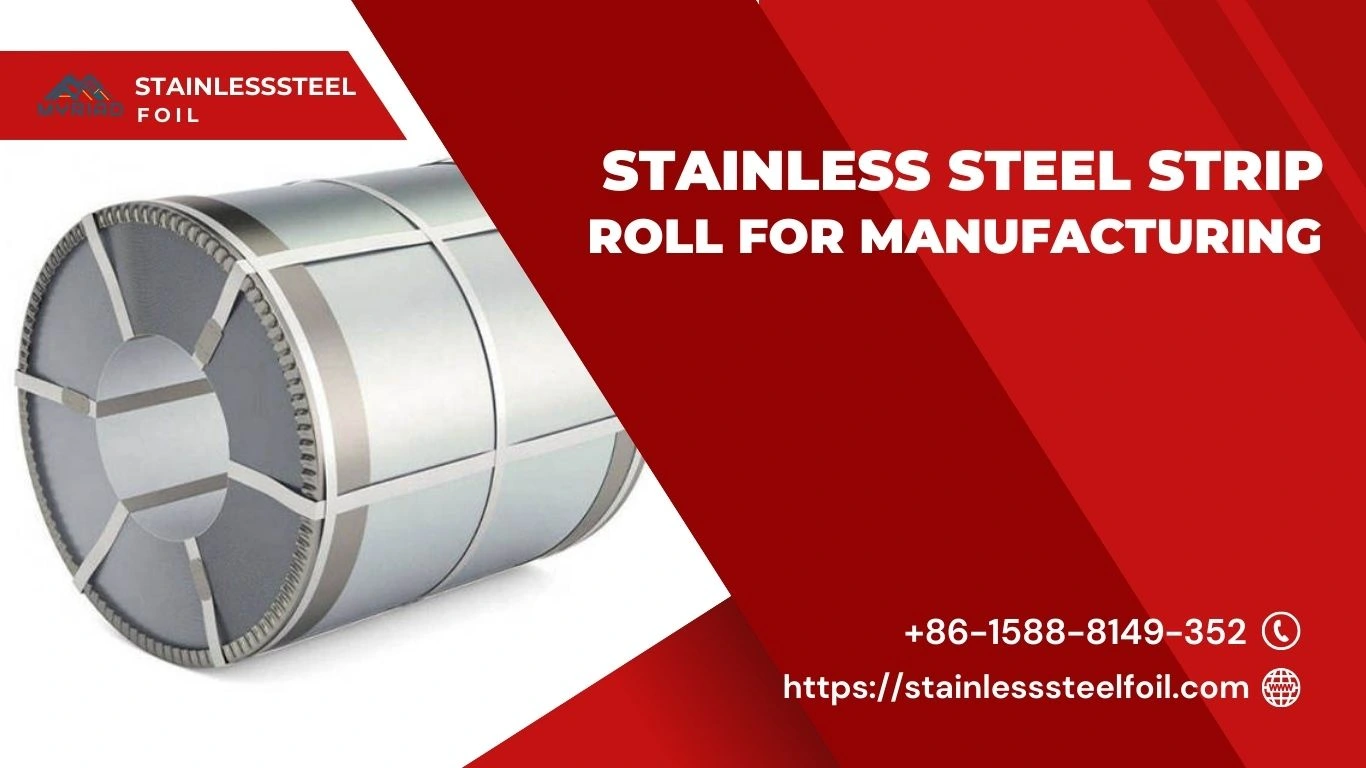
A Stainless Steel Strip Roll refers to flat-rolled stainless steel supplied in continuous coils or rolls, slit to precise widths and controlled thicknesses. Unlike stainless steel sheets or plates, strip rolls allow manufacturers to feed material directly into automated production lines, reducing handling time and improving efficiency.
Manufacturers prefer strip rolls because they support high-speed stamping, forming, bending, and laser cutting operations. More importantly, they offer predictable mechanical properties across long production runs, which is essential for quality control.
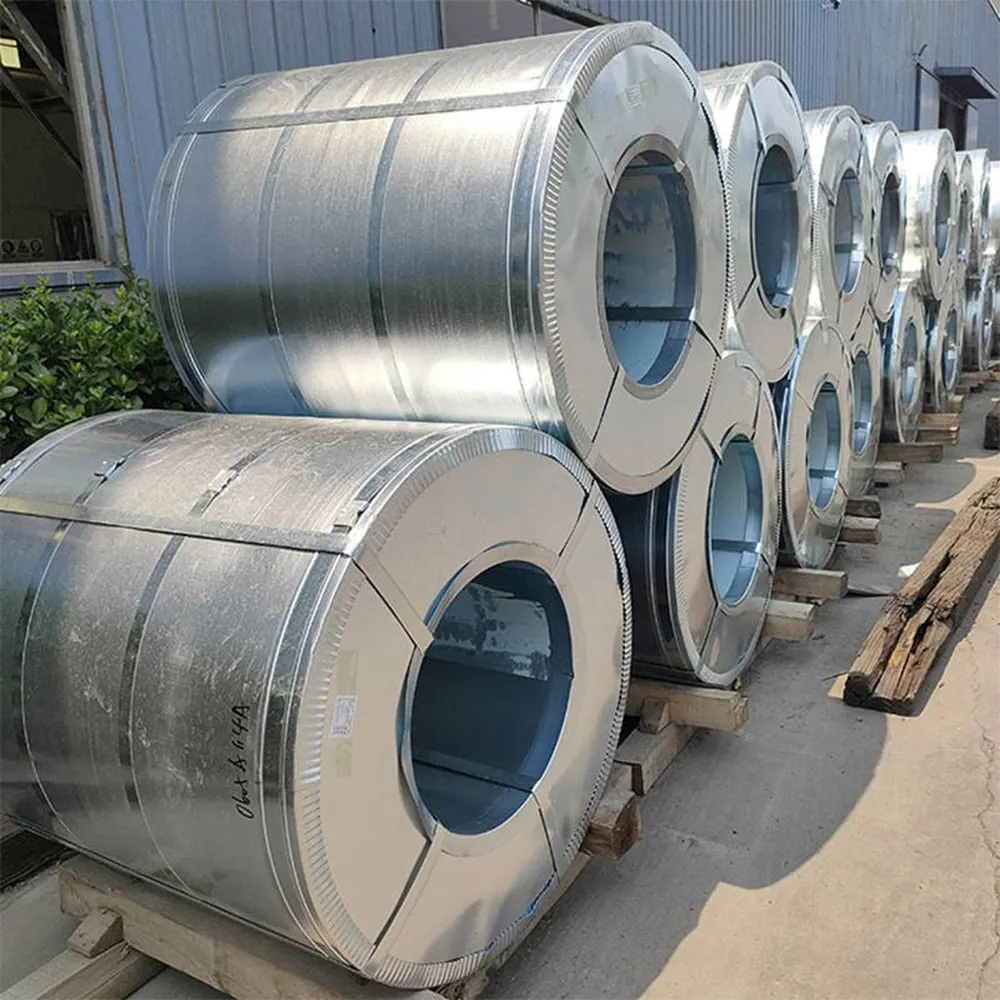
According to Wikipedia’s stainless steel overview, stainless steel alloys contain at least 10.5% chromium, creating a passive oxide layer that resists corrosion. When processed into strip form, this corrosion resistance remains intact while enabling flexibility and precision.
Why Stainless Steel Strip Roll Is Essential for Modern Manufacturing
Manufacturing today demands materials that can adapt to automation, sustainability goals, and tight tolerances. Stainless steel strip rolls meet these demands without compromise.
First, they enable continuous production. A single roll can supply thousands of identical components with minimal interruption. As a result, downtime decreases, productivity increases, and waste drops significantly.
Second, stainless steel strip rolls provide excellent formability. Manufacturers can bend, stamp, or deep-draw components without cracking or surface damage. This matters greatly in industries such as electronics and home appliances, where surface finish impacts both performance and appearance.
Third, stainless steel strip rolls support sustainable manufacturing. Stainless steel is 100% recyclable, and many manufacturers now prioritize materials with long service life and low environmental impact. You can explore sustainability applications further in the article on advantages of stainless steel strips in renewable energy systems.
Grades Used in Stainless Steel Strip Roll Production
Choosing the correct grade determines how a performs under stress, heat, and corrosion exposure. While many grades exist, a few dominate manufacturing applications.

Austenitic Grades: 304 and 316 Series
Grade 304 remains the most widely used stainless steel strip roll in manufacturing. It offers excellent corrosion resistance, strong formability, and cost efficiency. Many appliance manufacturers rely on 304 stainless steel for panels, frames, and structural parts.
Grade 316 and 316L add molybdenum, which improves resistance to chlorides and harsh environments. Manufacturers operating in chemical processing, marine, or medical equipment often prefer these grades. A detailed comparison is available in 316 vs 316L stainless steel strip.
Ferritic and Martensitic Grades
Ferritic grades provide magnetic properties and good resistance to stress corrosion cracking. Martensitic grades offer higher hardness after heat treatment. Although less common, both appear in specialized manufacturing processes.
For sourcing reliability, many buyers work with established suppliers such as those featured in myriad 304 stainless steel strip supplier.
Manufacturing Applications of Stainless Steel Strip Roll
The adaptability of stainless steel strip rolls allows manufacturers to use them across a wide range of industries.
In home appliance manufacturing, strip rolls form the structural backbone of ovens, refrigerators, dishwashers, and washing machines. Their resistance to heat and moisture ensures long product life. You can explore specific examples in stainless steel strips in home appliances.
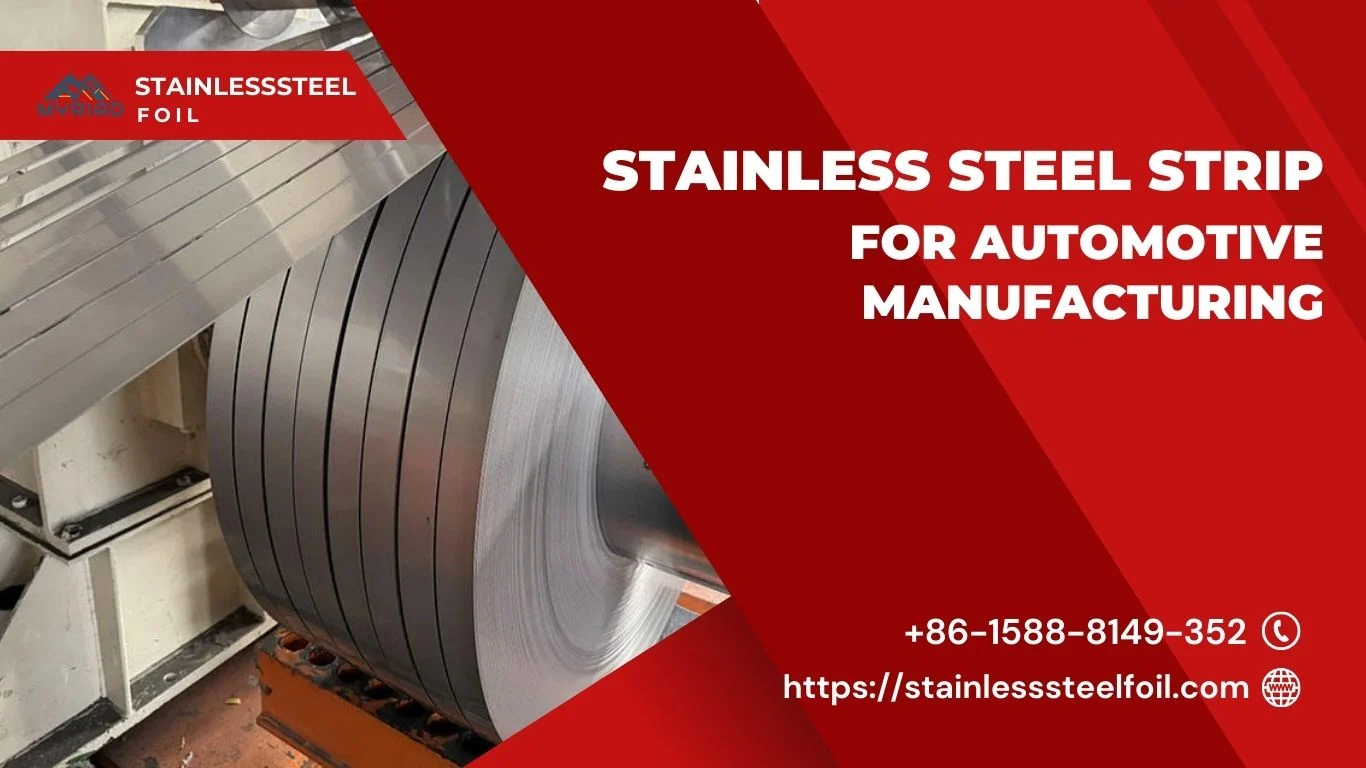
In automotive manufacturing, stainless steel strip rolls support exhaust components, clamps, brackets, and decorative trims. Their ability to withstand vibration and temperature fluctuations makes them indispensable.
In consumer goods production, manufacturers use stainless steel strip rolls for kitchenware, electronics housings, and personal care devices. The article how stainless steel coil is used in the production of consumer goods explains this integration in detail.
Thickness, Width, and Tolerance Control in Strip Rolls
Precision matters in manufacturing. Stainless steel strip rolls are available in a wide thickness range, typically from ultra-thin foil levels to several millimeters. Tight tolerance control ensures that every component meets design specifications without costly rework.
Thickness uniformity improves forming consistency. Meanwhile, accurate edge trimming prevents tooling damage and ensures safe handling. Manufacturers who prioritize quality often source from specialized producers listed under stainless steel products.
A simple comparison highlights why strip rolls outperform sheets in high-volume manufacturing:
| Feature | Strip Roll | Sheet |
|---|---|---|
| Continuous production | Yes | No |
| Automation-friendly | Yes | Limited |
| Material waste | Low | Higher |
| Thickness consistency | Excellent | Variable |
Surface Finishes and Their Manufacturing Impact
Surface finish affects not only appearance but also performance. A smooth finish reduces friction during forming, while a textured surface can enhance grip or adhesion.
Common finishes include 2B, BA, and polished finishes. Each finish serves different manufacturing needs. For example, BA finish works well for decorative consumer products, while 2B finish suits industrial components.
Manufacturers often underestimate how surface finish influences downstream operations. However, selecting the correct finish at the strip roll stage prevents costly secondary processing.
Quality Standards and Certifications
Reliable stainless steel strip roll suppliers adhere to international standards such as ASTM, EN, and JIS. These standards ensure chemical composition accuracy, mechanical consistency, and surface quality.
At stainlesssteelfoil.com, quality assurance plays a central role in production and inspection. Consistent compliance reduces risk for manufacturers operating in regulated industries.
How to Choose the Right Stainless Steel Strip Roll Supplier
Selecting a supplier is as important as selecting the material itself. A dependable supplier offers more than product availability. They provide technical guidance, stable lead times, and transparent quality documentation.
Manufacturers benefit from suppliers who understand application-specific challenges and offer tailored solutions. For inquiries or custom requirements, manufacturers can reach out directly through the contact page.
Summary
stainless steel strip rolls are vital components in modern manufacturing, offering versatility, durability, and aesthetic appeal. Understanding their properties, applications, and the selection process can help you make informed decisions for your projects. For more information on our products, visit Stainless Steel Foil.
FAQs
What makes a stainless steel strip roll suitable for manufacturing?
A stainless steel strip roll offers consistent thickness, excellent corrosion resistance, and reliable mechanical properties, making it ideal for automated manufacturing environments.
Which grade of stainless steel strip roll is best for industrial use?
Grade it suits most industrial applications, while 316 or 316L stainless steel strip roll works better in corrosive environments.
Can stainless steel strip roll be customized for specific machinery?
Yes, manufacturers can order this in custom widths, thicknesses, and surface finishes to match specific production requirements.
Is stainless steel strip roll environmentally sustainable?
Stainless steel strip roll supports sustainability because it is fully recyclable and offers long service life with minimal maintenance.
How does stainless steel strip roll improve production efficiency?
By enabling continuous feeding into machines, this reduces downtime, material waste, and manual handling.