A Buyer’s Guide to Stainless Steel Strip for Industrial Manufacturing
Sourcing the right material can make or break a production line. For manufacturers across the automotive, electronics, medical devices, and

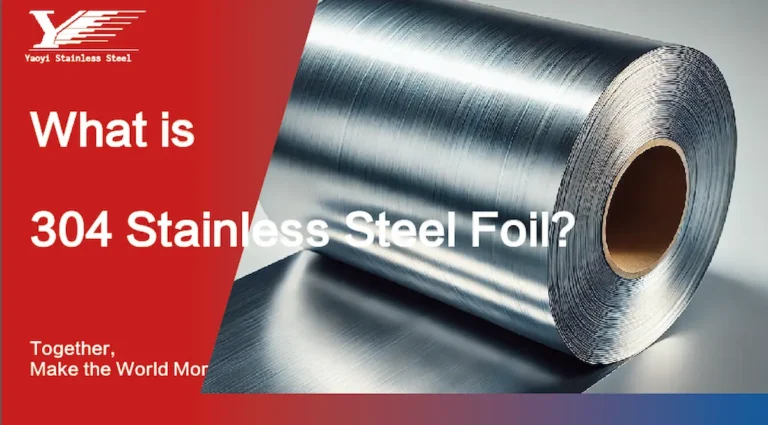
304 stainless steel foil is the thin, flexible embodiment of durability, corrosion resistance, and versatility. Known for its exceptional performance in various applications, this foil is crafted from an austenitic stainless steel alloy, mainly composed of chromium and nickel. Its innate strength is hidden beneath a deceptively delicate surface, making it an ideal material for industries requiring both resilience and adaptability. The foil can withstand extreme conditions, making it a vital component in sectors ranging from electronics to aerospace, where every detail is as crucial as life itself. In many ways, this material mirrors the intricate struggles of human endurance, where the unseen fortitude lies beneath a polished exterior.
The 304 stainless steel foil is renowned for its superior corrosion resistance. Chromium, which forms a significant part of its composition, reacts with oxygen, creating a protective layer that shields the metal from rust and oxidation. This characteristic, combined with its ability to retain form in high temperatures, ensures long-term reliability, especially in environments exposed to harsh conditions.
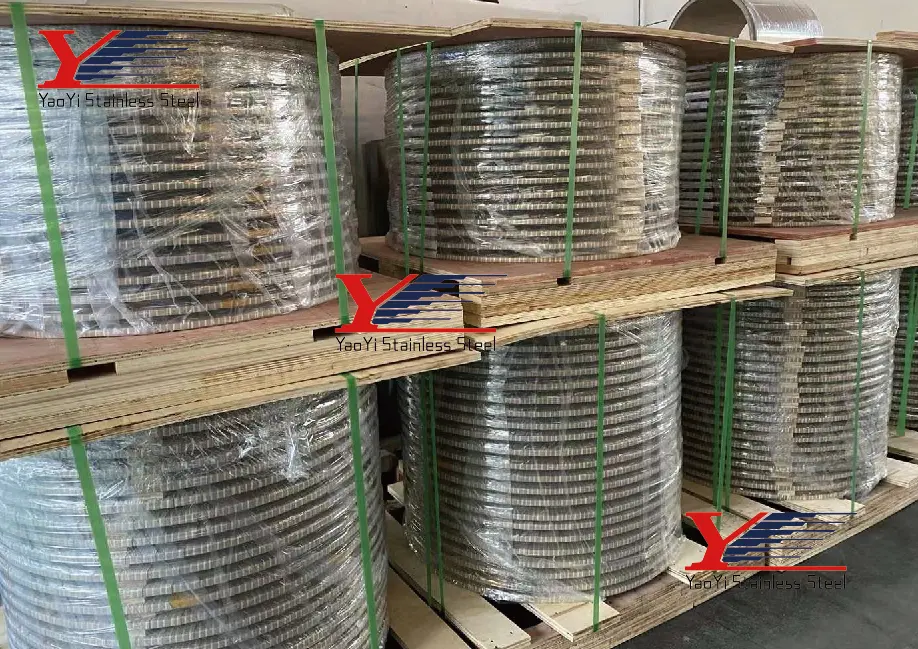
From electrical components to kitchen appliances, 304 ss foil serves a wide array of industries. It is often used in the production of heat exchangers, automotive parts, and precision instruments. Its flexibility allows manufacturers to mold it into complex shapes without losing structural integrity. This adaptability parallels the human spirit’s ability to bend without breaking, enduring life’s pressures without compromise.
| Element | Percentage (%) |
| Chromium (Cr) | 18 |
| Nickel (Ni) | 8 |
| Carbon (C) | 0.08 |
| Manganese (Mn) | 2 |
| Silicon (Si) | 0.75 |
| Phosphorus (P) | 0.045 |
| Sulfur (S) | 0.03 |
| Iron (Fe) | Balance |
Durability and Reusability Stainless steel foil is more durable and can be reused multiple times without losing its structural integrity, making it a cost-effective choice for frequent cooking. Aluminum foil, though cheaper, is typically single-use due to its tendency to tear and degrade after exposure to heat.
Choosing 304 stainless steel foil over other materials provides several advantages. Its high corrosion resistance, combined with excellent mechanical properties, offers durability that withstands both time and adversity. Moreover, its aesthetic appeal, combined with practical strength, makes it suitable for both functional and decorative uses.
In essence, 304 stainless steel foil stands as a testament to the balance between strength and flexibility, embodying resilience in every thin layer.
Sourcing the right material can make or break a production line. For manufacturers across the automotive, electronics, medical devices, and
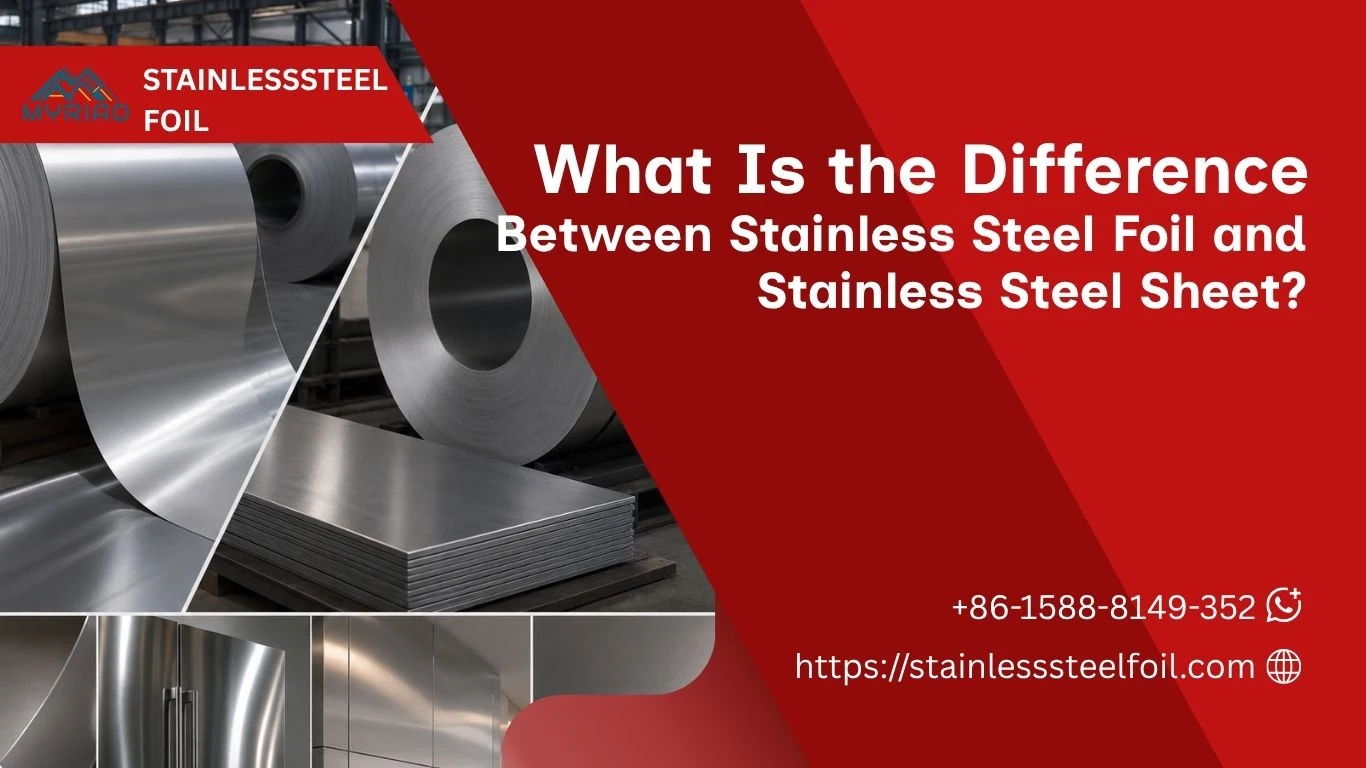
Stainless steel is one of the most versatile materials used across industries, from aerospace and automotive to food processing and