Stainless steel is one of the most widely used materials in modern manufacturing, construction, food processing, and chemical industries. Among the many grades available, SS grade 304 and 316 stainless steel are the most commonly used because of their excellent corrosion resistance, durability, and versatility.
If you are working with stainless steel sheets, coils, or foil materials, understanding the differences between these two grades is essential. Each grade offers unique benefits depending on the environment and application.
In this comprehensive guide, we will explore SS grade 304, its composition, properties, uses, and how it compares to grade 316. By the end of this article, you will clearly understand which stainless steel grade is best suited for your needs.
For more stainless steel material insights, you can explore the official resource about stainless steel and detailed foil applications on the stainless steel foil knowledge hub.
What is SS Grade 304?
SS grade 304 is the most widely used type of austenitic stainless steel. It belongs to the 300-series stainless steels and is known for its excellent corrosion resistance, good formability, and high durability.
The alloy primarily consists of iron, chromium, and nickel. Its chromium content allows the material to form a protective oxide layer that prevents rust and corrosion.
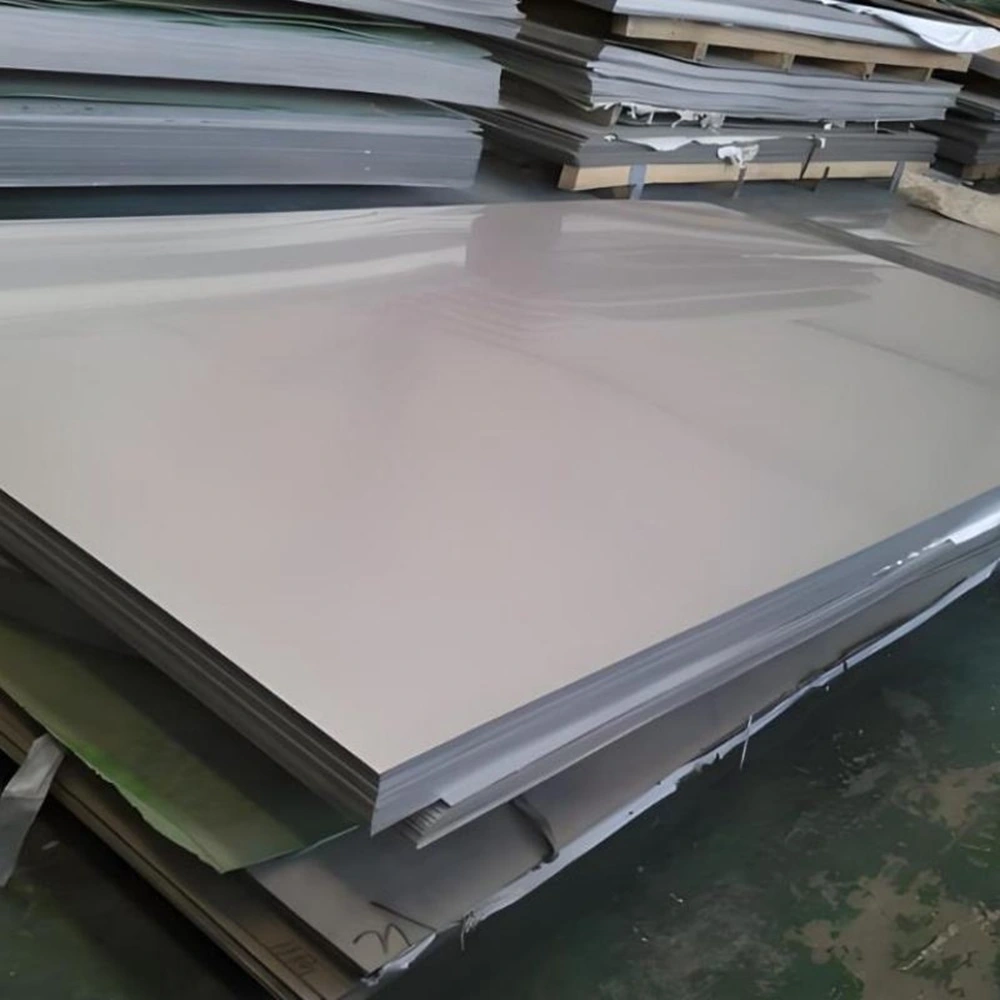
Because of these properties, SS grade 304 is widely used in food processing equipment, kitchen appliances, architectural components, and stainless steel foil products.
Manufacturers often choose this grade when they need a cost-effective stainless steel with reliable corrosion resistance.
To understand how this material is used in ultra-thin materials, you can explore this guide on what is stainless steel foil.
Chemical Composition of SS Grade 304
The unique performance of SS grade 304 comes from its balanced chemical composition.
| Element | Percentage |
|---|---|
| Chromium | 18–20% |
| Nickel | 8–10.5% |
| Carbon | ≤ 0.08% |
| Manganese | ≤ 2% |
| Silicon | ≤ 1% |
| Iron | Balance |
The chromium content is particularly important. It forms a thin passive oxide layer that protects the metal surface from corrosion.
Nickel improves toughness and ductility, making the material easier to form into thin sheets or foil.
If you want to explore more details about thin stainless materials, visit the stainless steel foil product page.
Key Properties of SS Grade 304
Understanding the physical and mechanical properties of SS grade 304 helps explain why it is used so widely across industries.
Excellent Corrosion Resistance
The chromium-nickel composition provides strong resistance to oxidation and corrosion. It performs well in most atmospheric environments.
However, it may experience pitting corrosion in environments with high chloride levels.
Good Formability and Weldability
Another advantage of SS grade 304 is its excellent formability. Manufacturers can easily roll, bend, stamp, or deep-draw the material without cracking.
This is especially useful in stainless steel foil production, where extremely thin gauges are required.
For deeper technical insights, see the article on 304 stainless steel foil.
High Temperature Resistance
This grade performs well at elevated temperatures. It can withstand intermittent temperatures up to around 870°C.
However, prolonged exposure to temperatures between 425°C and 860°C may lead to carbide precipitation.
Hygienic and Easy to Clean
Because of its smooth surface and corrosion resistance, SS grade 304 is ideal for food and beverage applications.
You can read more about its role in food safety in this guide on 304 stainless steel foil for food applications.
What is Stainless Steel Grade 316?
While SS grade 304 is the most common stainless steel, grade 316 is often used in more demanding environments.
The key difference is the addition of molybdenum, typically around 2–3%. This element significantly improves corrosion resistance, particularly in chloride environments.
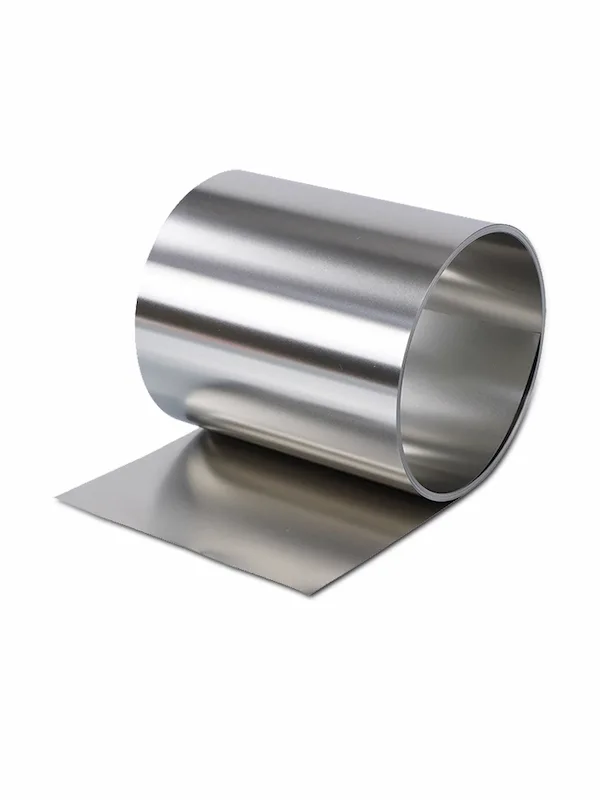
Grade 316 is commonly used in:
- Marine environments
- Chemical processing equipment
- Medical devices
- Pharmaceutical manufacturing
You can explore the detailed explanation here:
what is 316 stainless steel foil
SS Grade 304 vs 316: Key Differences
Although both materials belong to the same stainless steel family, their properties differ slightly.
| Property | SS Grade 304 | SS Grade 316 |
|---|---|---|
| Chromium | 18–20% | 16–18% |
| Nickel | 8–10.5% | 10–14% |
| Molybdenum | None | 2–3% |
| Corrosion Resistance | Good | Excellent |
| Cost | Lower | Higher |
| Marine Use | Limited | Excellent |
The addition of molybdenum in grade 316 gives it superior resistance to saltwater corrosion and chemical exposure.
However, for most general applications, SS grade 304 remains the more economical choice.
Applications of SS Grade 304
Because of its balanced properties, SS grade 304 is widely used across multiple industries.
Food Processing Equipment
The food industry relies heavily on SS grade 304 because it is hygienic and corrosion resistant.
Common examples include:
- Food processing machinery
- Kitchen appliances
- Storage tanks
- Conveyor systems
Architectural and Construction Applications
Architects often choose SS grade 304 for modern buildings because it provides both strength and aesthetic appeal.
Typical uses include:
- Handrails
- Decorative panels
- Structural components
Industrial Equipment
Many industrial systems use SS grade 304 because it handles moderate corrosion environments well.
Examples include:
- Heat exchangers
- Chemical containers
- Processing equipment
You can also explore other stainless foil grades like 301 stainless steel foil for specialized applications.
Stainless Steel Foil Applications
Ultra-thin stainless steel foil plays a critical role in modern manufacturing. These foils are typically produced using grades like SS grade 304 and 316.
Applications include:
- Battery components
- Electronic shielding
- Medical devices
- Flexible circuits
- Heat exchangers
Manufacturers often use precision rolling and heat treatment techniques to achieve the required mechanical properties.
If you want to understand this process in depth, read the stainless steel foil heat treatment guide.
Advantages of SS Grade 304
Several advantages make SS grade 304 one of the most widely used stainless steels in the world.
First, it provides excellent corrosion resistance in most environments. Second, it offers good mechanical strength and durability.
Another important benefit is cost efficiency. Compared with higher-alloy stainless steels, SS grade 304 provides excellent performance at a lower price.
Finally, its excellent fabrication characteristics allow manufacturers to produce a wide range of products including sheets, coils, and stainless steel foil.
For product options and specifications, you can visit the stainless steel foil product catalog.
Limitations of SS Grade 304
Despite its many benefits, SS grade 304 does have some limitations.
It is not ideal for environments with high salt concentrations or strong chloride exposure. In such conditions, pitting corrosion may occur.
Marine environments, chemical plants, and coastal applications often require grade 316 instead.
Understanding these limitations helps engineers select the most appropriate stainless steel grade.
How to Choose Between SS Grade 304 and 316
Choosing the right stainless steel grade depends on several key factors.
First, consider the environment. If the application involves saltwater or strong chemicals, grade 316 is usually the better option.
Second, evaluate the budget. Since SS grade 304 is more affordable, it is often the preferred choice for general applications.
Finally, consider the required corrosion resistance and mechanical properties.
Many manufacturers start with SS grade 304 and upgrade to grade 316 only when necessary.
Future Demand for Stainless Steel Grades
The global stainless steel market continues to grow rapidly. According to industry reports, global stainless steel production exceeded 56 million metric tons in recent years.
A large portion of this production includes SS grade 304, which remains the most widely used grade worldwide.
Industries such as renewable energy, electric vehicles, and electronics are driving demand for high-performance stainless steel foils.
Companies looking for reliable stainless steel foil solutions can explore options through the stainless steel foil manufacturer or contact their technical team directly via the contact page.
Summary
SS grade 304 remains the most widely used stainless steel grade due to its excellent corrosion resistance, durability, and cost-effectiveness.
It performs well in most industrial, food processing, and architectural applications. While grade 316 offers improved corrosion resistance in harsh environments, SS grade 304 continues to dominate global stainless steel usage because of its balanced performance and affordability.
Understanding the differences between these two grades helps manufacturers and engineers choose the right material for their projects.
For more detailed stainless steel foil resources and product information, explore the stainless steel foil knowledge center and technical guides available on the website.
FAQs
What is SS grade 304 used for?
SS grade 304 is commonly used in food processing equipment, kitchen appliances, chemical containers, and stainless steel foil products. Its corrosion resistance and affordability make it one of the most widely used stainless steels.
Is SS grade 304 better than 316?
SS grade 304 is better for general applications because it is more affordable and still offers strong corrosion resistance. However, grade 316 performs better in marine and chemical environments.
Is SS grade 304 food safe?
Yes, SS grade 304 is considered food safe. It is widely used in food processing equipment, storage containers, and kitchen surfaces because it resists corrosion and is easy to clean.
Can SS grade 304 rust?
Although SS grade 304 has excellent corrosion resistance, it can rust in environments with high chloride levels or poor maintenance. Proper cleaning helps maintain its corrosion resistance.
Why is SS grade 304 widely used in stainless steel foil?
Manufacturers prefer SS grade 304 for stainless steel foil because it offers an ideal combination of corrosion resistance, formability, and cost efficiency.