When engineers and fabricators need materials that can endure extreme heat without losing strength, 309 Stainless Steel_Foil consistently stands out. This specialized foil is engineered for high‑temperature resistance, excellent oxidation stability, and mechanical durability — making it ideal for demanding industrial applications. In this in‑depth guide, we’ll explore what makes 309 Stainless Steel Foils unique, where it thrives, and how it compares to other alloy foils.
Whether you’re new to high‑temperature alloys or evaluating materials for a specific project, this article will help you make an informed, confident decision.
What Is 309 Stainless Steel Foil?
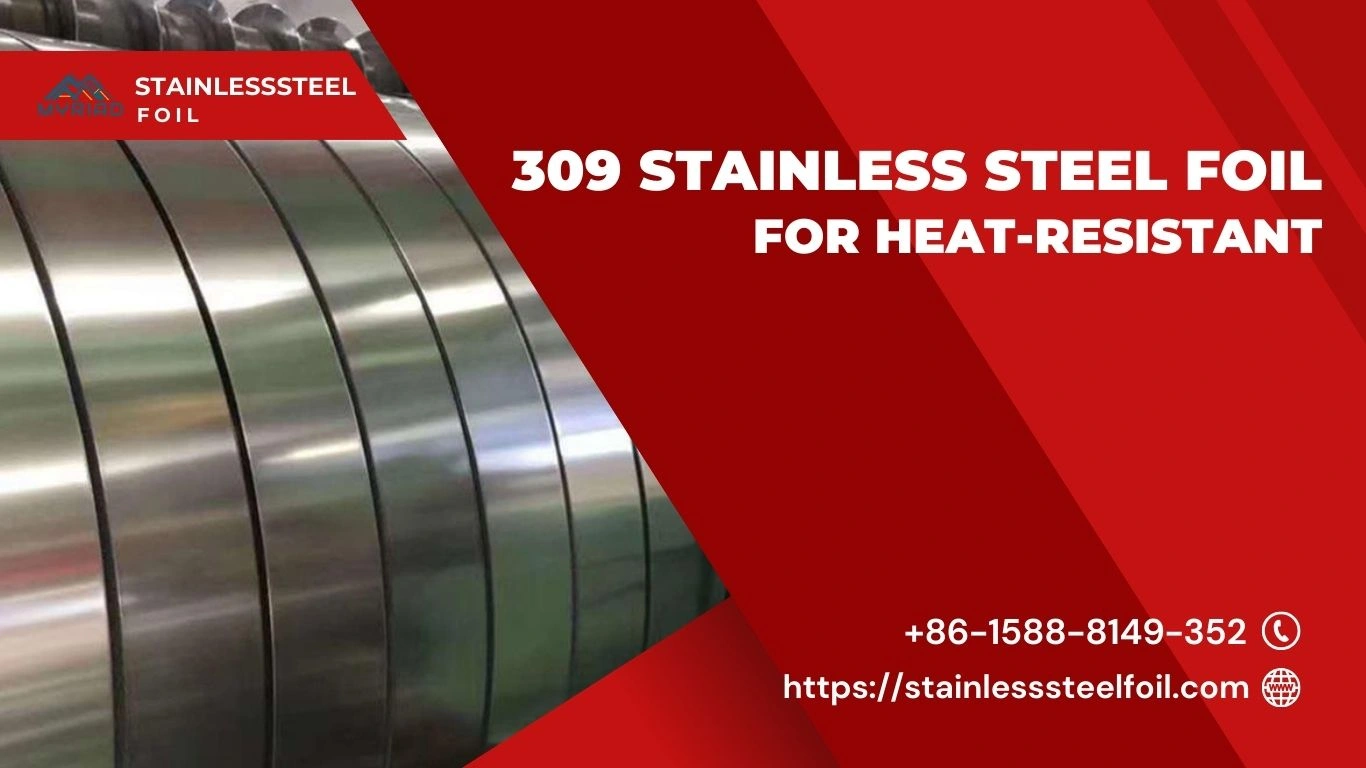
At its core, 309 Stainless Steel Foil is a thin strip of stainless alloy designed for flexibility and performance in heat‑intensive environments. Its composition includes increased amounts of chromium and nickel compared to common stainless steel grades, giving it both oxidation resistance and strength at elevated temperatures.
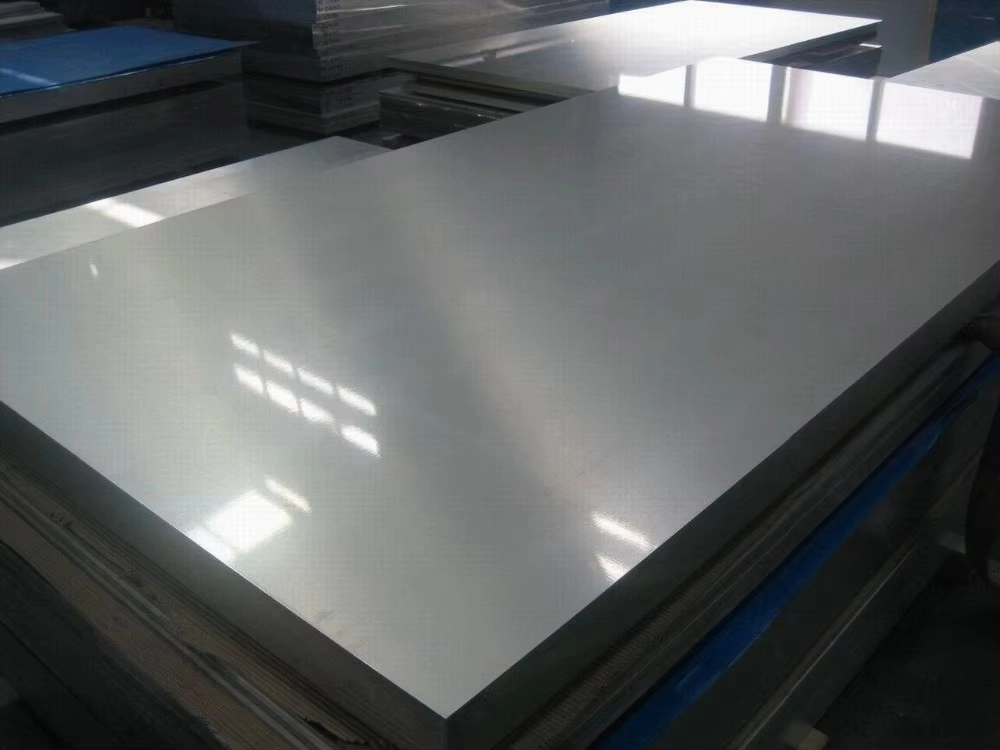
Stainless steels are iron‑based alloys known for corrosion resistance, primarily due to chromium forming a passive oxide layer. According to Wikipedia, stainless steel resists rust and corrosion because of this protective layer, which reforms when surface damage occurs.
This makes stainless grades like 309 an excellent choice for parts that must retain mechanical integrity under thermal stress while resisting oxidation and chemical wear.
To explore what stainless steel foils are and how they serve diverse industries, visit What Is Stainless Steel Foils? at what is stainless steel foils.
Chemical Composition and Key Properties
The unique attributes of 309 Stainless Steel Foil stem from its alloy chemistry. While specific compositions can vary slightly by manufacturer, the key elements typically include:
-
Chromium (Cr): 22–24% — boosts oxidation resistance.
-
Nickel (Ni): 12–15% — enhances strength at high temperatures.
-
Carbon (C): 0.20% — adds strength but must be controlled to avoid brittleness.
-
Manganese and Silicon: Minor additions that aid processing and strength.
This combination gives 309 Stainless Steel Foil a balance of durability, flexibility, and thermal performance. The result is a foil that can withstand temperatures up to 1038°C (1900°F) in continuous service and even higher for intermittent use.
Why 309 Stainless Steel Foil Is Excellent for Heat‑Resistant Applications

Superior Oxidation Resistance
One of the defining features of 309 Stainless-Steel Foil is its ability to resist oxidation at high temperatures. Oxidation causes scale formation and eventual degradation in many alloys, but the elevated chromium content in grade 309 forms a robust protective layer that slows this process. This makes it ideal for parts exposed to heat, such as furnace linings or thermal shielding.
High Temperature Strength
Strength at elevated temperatures is crucial for many industrial components. Unlike low‑alloy foils that soften or lose shape under heat, 309 Stainless Steel_Foil retains structural integrity. This allows it to be used where metal fatigue due to thermal cycling could be a concern, such as in heating elements or exhaust systems.
Excellent Thermal Shock Resistance
Thermal shock happens when materials rapidly heat or cool, leading to fracture. The nickel‑rich constitution of 309 foil helps reduce susceptibility to cracking under sudden temperature changes, which is vital in dynamic industrial environments.
Corrosion Resistance in Harsh Environments
In applications exposed to corrosive gases, moisture, or aggressive chemicals, ordinary foil may deteriorate. The balanced alloying in 309 provides a protective barrier against many such corrosive conditions, making it suitable for chemical processing and pollution control equipment.
Uses of 309 Stainless Steel Foil
The versatility of 309 Stainless Steel Foil allows it to serve in diverse industries:
Industrial Heating Elements and Insulation
In industrial furnaces and kilns, insulation layers often use heat‑resistant foils. 309 Stainless Steel Foil can be layered or wrapped around insulation materials to reflect heat, control thermal gradients, and protect underlying structures.
Automotive and Exhaust Systems
Exhaust manifolds and thermal shields in automotive systems often encounter temperatures beyond 600°C (1112°F). The high thermal capabilities of 309 foil make it a preferred choice for these applications.
Chemical Processing Components
Pipes, fittings, and seals in chemical plants often face heat and aggressive chemicals. The oxidation and corrosion resistance of 309 Stainless Steel-Foil help prolong service life in such challenging environments.
Aerospace and Power Generation
In sectors where weight, heat, and performance are critical, thin foils that maintain integrity under stress are valued. Aerospace ducts, turbine components, and high‑temperature seals benefit from grade 309 foil.
To browse available products and sizes, see the Products page at products.
Comparing 309 Stainless Steel Foil with Other Stainless Foils
Understanding how 309 stacks up against other foils helps engineers select the best material for the job.
309 vs. 304 Stainless Steel Foil
| Property | 309 Stainless Steel Foil | 304 Stainless Steel Foil |
|---|---|---|
| Max Temperature | ~1038°C | ~870°C |
| High Temp Strength | Excellent | Moderate |
| Oxidation Resistance | Very High | High |
| Cost | Slightly Higher | Lower |
While 304 Stainless Steels Foil is widely used for general corrosion resistance and moderate heat, 309 excels when temperatures exceed 800°C. For insights on 304 foils, see 316 vs 316l stainless steel strip.
309 vs. 316 Stainless Steel Foil
Both 309 and 316 stainless foils offer corrosion resistance, but 316 adds molybdenum to improve performance in chloride environments. However:
-
316 Stainless Steel Foil — Better for marine and chloride corrosion resistance but lower heat tolerance.
-
309 Stainless Steel Foil — Outperforms at high temperatures.
This makes 309 the go‑to for heat‑focused applications, while 316 may be chosen where corrosion from salts dominates.
How 309 Stainless Steel Foil Is Manufactured
Producing stainless steel foil, especially grade 309, involves precise processes to ensure strength and uniform thickness:
Melting and Casting
High‑quality alloying elements are melted in controlled furnaces and cast into slabs.
Rolling and Annealing
Slabs are hot and cold‑rolled into extremely thin sheets. This involves repeated rolling passes, with annealing steps to restore ductility and reduce stress.
Surface Finishing
The foil surface is polished or treated to meeting application requirements, such as smoothness or enhanced oxidation resistance.
The careful control of each step ensures that the foil delivers on both mechanical performance and thermal durability.
Selecting the Right Thickness and Tolerance
Choosing the right thickness is essential for performance:
-
Thin Foils (0.02–0.10 mm): Great for wrapping, shielding, or insulation layers.
-
Moderate Thickness (0.10–0.50 mm): Suitable for forming parts or precision components.
-
Thicker Foils (0.50–1.00 mm): Used where mechanical support complements thermal performance.
Tolerance — the allowable variation in thickness — impacts precision, especially where the foil must fit tight assemblies. Always consult with your supplier for exact tolerances based on your application.
Processing and Fabrication Tips
Working with high‑temp foil requires care:
-
Use clean cutting tools to prevent contamination.
-
Handle with gloves to avoid surface marks.
-
When welding, choose techniques compatible with thin gauges to avoid warping.
For home or appliance applications that use stainless foils and strips, you can learn more at stainless steel strips in home appliances.
Environmental and Safety Considerations
Stainless steels are generally recyclable and safer for long‑term use compared to many high‑temp alloys. However:
-
Monitor fume evacuation when welding or heating foil.
-
Dispose of scrap responsibly — stainless foil can often be recycled back into stainless products.
Summary
309 Stainless Steel Foil stands as a top choice for heat‑resistant applications due to its outstanding oxidation resistance, high temperature strength, and thermal reliability. Whether used in industrial furnaces, automotive exhausts, aerospace components, or chemical processing equipment, this specialized foil delivers performance where many metals fall short. With the right selection of thickness and proper fabrication techniques, 309 Stainless Steel Foil can significantly boost the durability and efficiency of high‑temperature systems,for more information visit stainless steel foils and contact us.
FAQs
What temperatures can 309 Stainless Steel Foils withstand?
309 Stainless Steel Foil typically performs well in continuous service up to about 1038°C (1900°F), handling thermal cycling and oxidation better than many other stainless grades.
Is 309 stainless steel_foil suitable for chemical processing?
Yes — its corrosion resistance and oxidation stability make 309 Stainless Steel_Foil a good fit for parts exposed to heat and aggressive chemicals, such as seals and linings.
How does 309 stainless steels foil compare to 304 foil?
While both offer corrosion resistance, 309 Stainless Steel Foil provides higher temperature strength and oxidation resistance, making it better for high‑heat applications.
Can 309 Stainless Steel_Foil be welded or formed?
Yes — with proper handling, welding and forming can be done, though fabricators often use specialized techniques to avoid distortion due to thin gauge.
Where is 309 Stainless Steel_Foil commonly used?
It’s widely used in furnace components, thermal insulation wraps, automotive exhaust systems, aerospace seals, and chemical plant parts that require heat resilience.
What factors should I consider when selecting 309 Stainless Steel Foils thickness?
Consider both mechanical demands and thermal environment. Thinner foils excel for insulation wraps, while thicker gauges support structural applications without compromising flexibility.