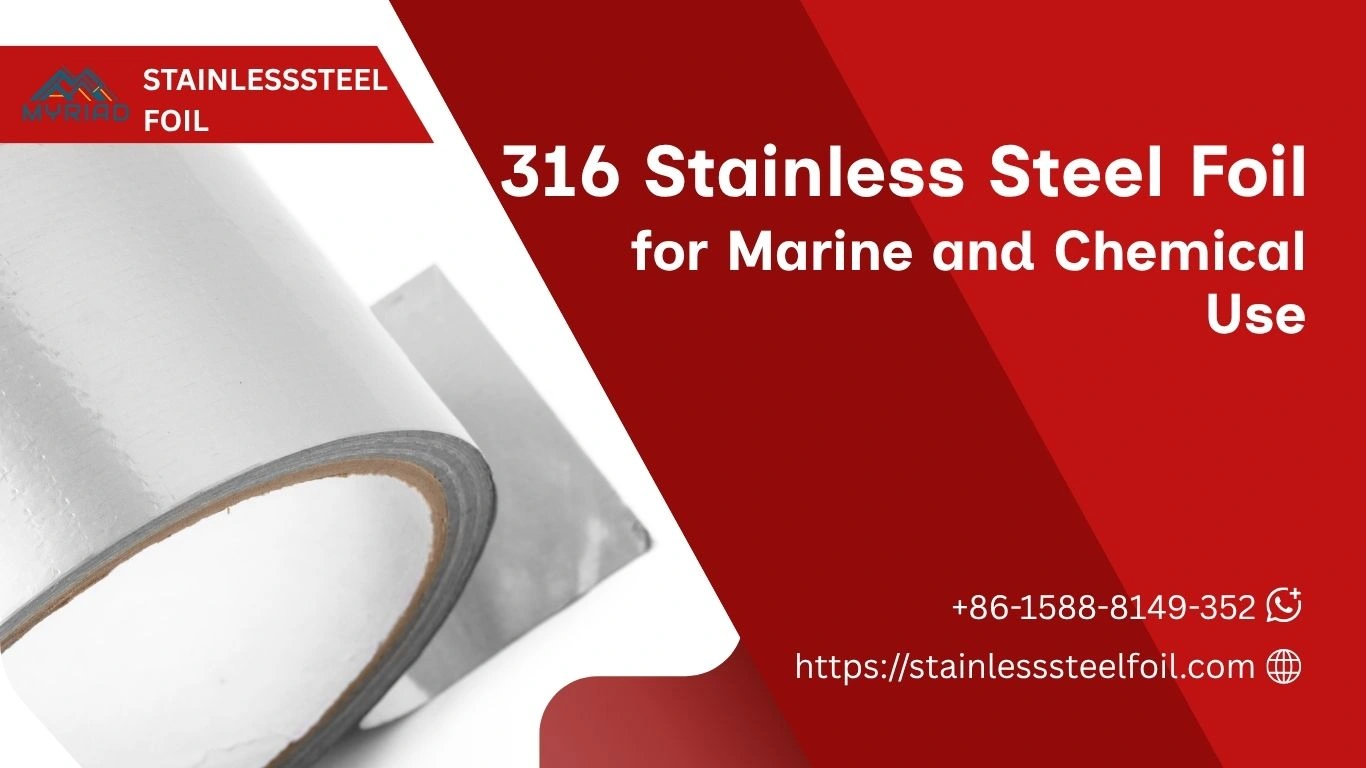
When environments turn aggressive—saltwater spray, chemical exposure, or constant humidity—material choice becomes critical. That’s exactly where 316 Stainless Steel Foil proves its value. Known for its exceptional corrosion resistance, this alloy is widely used in marine engineering and chemical processing industries.
But what makes 316 Stainless Steel Foil so reliable in these demanding conditions? Why do engineers consistently choose it over other grades like 304 or 301?
In this in-depth guide, we’ll explore the science behind its corrosion resistance, its performance in marine and chemical environments, and how to select the right foil for your application. If you are new to the topic, start with this overview What is stainless steel foil
What Is 316 Stainless Steel Foil?
316 Stainless Steel Foil is a thin, flexible sheet made from an austenitic stainless steel alloy. It contains iron, chromium, nickel, and a crucial addition—molybdenum.
This molybdenum content, typically around 2–3%, enhances corrosion resistance, especially against chlorides. According to the stainless steel overview, chromium forms a passive oxide layer that protects the metal. Molybdenum strengthens this layer, making it more stable in harsh conditions.
To explore available options, visit Stainless Steel Foil Products
Why Marine and Chemical Environments Demand Better Materials
Marine and chemical environments are among the harshest for metals. Saltwater contains chlorides that aggressively attack surfaces. Chemical plants expose materials to acids, solvents, and reactive compounds.
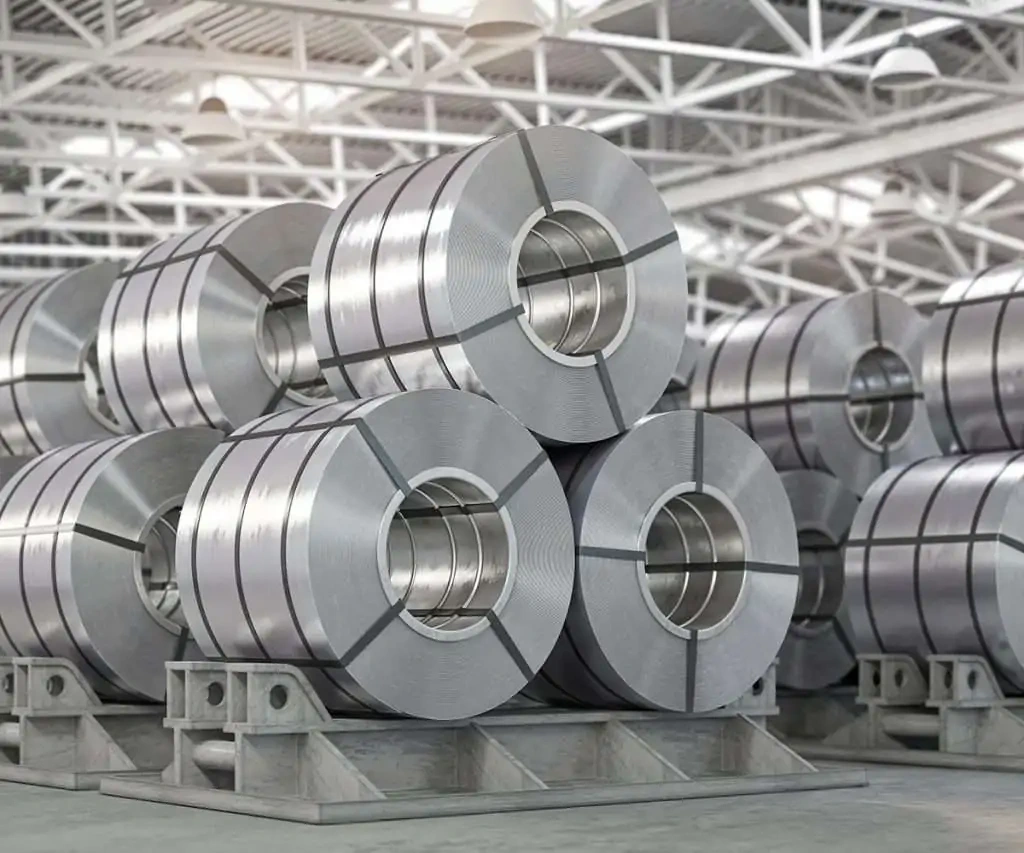
In these settings, ordinary metals corrode quickly. Even standard stainless steels may struggle. That’s why 316 Stainless Steel Foil is often the preferred solution.
Its ability to resist pitting, crevice corrosion, and chemical attack ensures longer service life and lower maintenance costs.
The Science Behind Corrosion Resistance
Chromium Oxide Protection
The corrosion resistance of 316 Stainless Steel Foil starts with chromium. When exposed to oxygen, chromium forms a thin oxide layer. This layer acts as a protective barrier.
If the surface is scratched, the layer repairs itself almost instantly.
The Role of Molybdenum in Marine Use
Molybdenum is the key ingredient that sets 316 apart.
It enhances resistance to:
- Pitting corrosion
- Crevice corrosion
- Chloride-induced damage
This makes 316 Stainless Steel Foil ideal for marine applications where saltwater exposure is constant.
Chemical Resistance Properties
In chemical environments, materials must resist a wide range of substances.
316 Stainless Steel Foil performs well against:
- Organic acids
- Sulfuric compounds (in moderate concentrations)
- Industrial cleaning chemicals
This versatility makes it suitable for chemical processing equipment.
Performance in Marine Applications
Saltwater Exposure
Saltwater is one of the most aggressive environments for metals. Chloride ions penetrate protective layers and cause pitting.
However, 316 Stainless Steel Foil resists this process effectively. Its molybdenum content prevents localized corrosion.
Offshore and Coastal Structures
Marine applications include:
- Ship components
- Offshore platforms
- Coastal infrastructure
In these settings, 316 Stainless Steel Foil maintains structural integrity even under constant exposure.
Humidity and Temperature Fluctuations
Marine environments also involve high humidity and temperature changes.
316 Stainless Steel Foil performs reliably under these conditions, maintaining both strength and corrosion resistance.
Performance in Chemical Applications
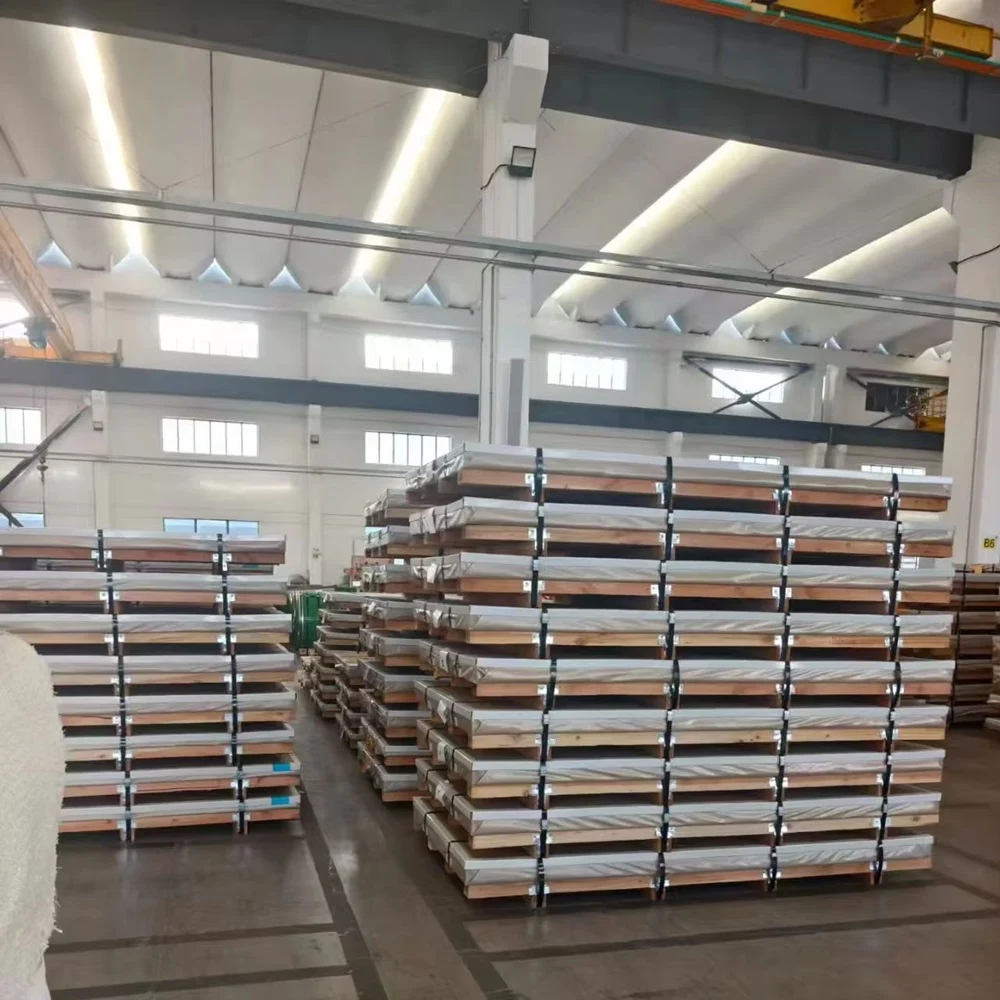
Resistance to Industrial Chemicals
Chemical plants expose materials to corrosive substances daily.
316 Stainless Steel Foil offers strong resistance to many industrial chemicals, reducing the risk of failure.
Use in Processing Equipment
It is commonly used in:
- Heat exchangers
- Storage tanks
- Piping systems
Its durability ensures consistent performance over time.
Hygienic Applications
In industries like pharmaceuticals and food processing, cleanliness is essential.
316 Stainless Steel Foil resists contamination and is easy to clean, making it ideal for hygienic environments.
Comparison with Other Stainless Steel Grades
316 vs 304 Stainless Steel Foil
| Feature | 316 Stainless Steel | 304 Stainless Steel |
|---|---|---|
| Corrosion Resistance | Very High | High |
| Chloride Resistance | Excellent | Moderate |
| Marine Suitability | Excellent | Limited |
Learn more here:
What is 304 stainless steel foil
316 vs 301 Stainless Steel Foil
| Feature | 316 Stainless Steel | 301 Stainless Steel |
|---|---|---|
| Corrosion Resistance | Excellent | Moderate |
| Strength | Moderate | High |
| Chemical Resistance | High | Low |
Explore details:
What is 301 stainless steel foil
316 vs 316L Stainless Steel Foil
A common variation is 316L, which has lower carbon content.
Lower carbon improves weldability and reduces the risk of corrosion in welded areas.
Learn more here:
316L stainless steel foil
Mechanical Properties of 316 Stainless Steel Foil
Even in harsh environments, 316 Stainless Steel Foil maintains strong mechanical properties.
| Property | Value |
|---|---|
| Tensile Strength | ~515 MPa |
| Yield Strength | ~205 MPa |
| Elongation | ~40% |
| Density | 8.0 g/cm³ |
These characteristics make it suitable for both structural and precision applications.
Advantages of 316 Stainless Steel Foil
316 Stainless Steel Foil offers several key benefits.
It provides exceptional corrosion resistance in marine and chemical environments. It also delivers long-term durability and reduced maintenance costs. Additionally, it maintains a clean and professional appearance over time.
Limitations to Consider
Despite its strengths, 316 Stainless Steel Foil has some limitations.
It is more expensive than 304. It may also have slightly lower strength compared to certain high-strength alloys.
However, in environments where corrosion is critical, the investment is justified.
How to Choose the Right 316 Stainless Steel Foil
Selecting the right foil depends on your application.
Consider factors such as environmental exposure, required thickness, and mechanical performance.
For more guidance, visit the stainless foil section or explore insights on the blog page.
Future Trends in Corrosion-Resistant Materials
The demand for corrosion-resistant materials continues to grow.
New developments focus on improving alloy composition and sustainability. 316 Stainless Steel Foil will remain a key material in these advancements.
Summary
316 Stainless Steel Foil is a top-performing material for marine and chemical environments. Its molybdenum content enhances corrosion resistance, making it ideal for harsh conditions.
Although it costs more than some alternatives, its durability and reliability make it a smart long-term investment. For industries that demand performance and safety, 316 Stainless Steel Foil remains one of the best choices available.You can explore trusted options through Homepage,and our Contact page
FAQs
Q. Why is 316 stainless steel foil ideal for marine use?
A. 316 Stainless Steel Foil resists chloride corrosion, making it perfect for saltwater environments.
Q. Can 316 stainless steel foil handle chemical exposure?
A. Yes, 316 Stainless Steel Foil offers strong resistance to many industrial chemicals.
Q. Is 316 stainless steel foil better than 304 for harsh environments?
A. Yes, 316 Stainless Steel Foil performs better due to its enhanced corrosion resistance.
Q. What industries use 316 stainless steel foil?
A. 316 Stainless Steel Foil is widely used in marine, chemical, medical, and food processing industries.
Q. What is the difference between 316 and 316L foil?
A. 316 Stainless Steel Foil has higher carbon content, while 316L offers better corrosion resistance in welded applications.