In an era defined by hyper-connectivity, the invisible battleground of Electromagnetic Interference (EMI) has become a primary concern for engineers and manufacturers. As electronic components become smaller, faster, and more densely packed, the risk of “crosstalk” and signal degradation increases exponentially. For businesses in the aerospace, medical, and telecommunications sectors, the solution often lies in high-performance materials.
Among the various options available, Stainless Steel Foil EMI Shielding has emerged as a premier choice for demanding industrial applications. This guide explores the mechanics of how stainless steel foil protects sensitive electronics and provides a comprehensive breakdown of which grades your business should utilize to ensure peak performance.
What is Stainless Steel Foil EMI Shielding?
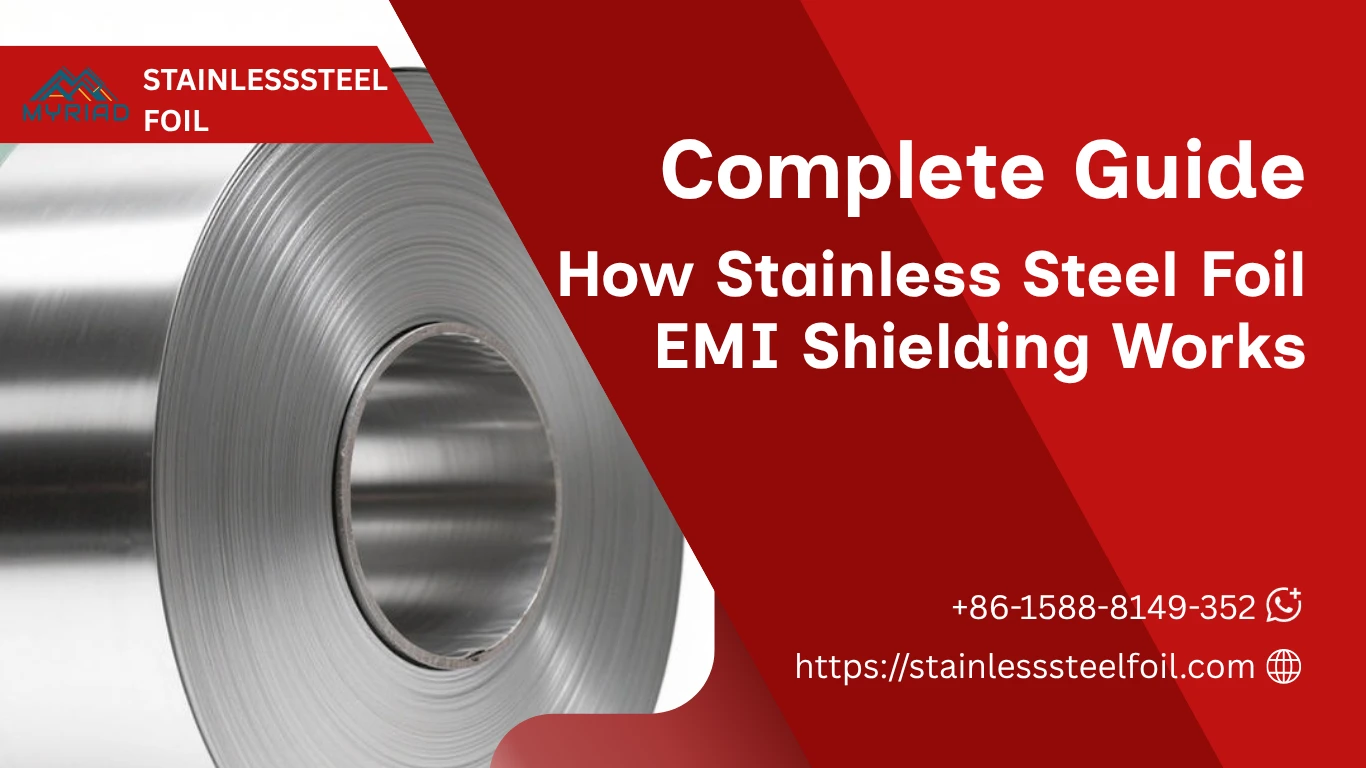
Stainless Steel Foil EMI Shielding is the use of ultra-thin, flexible sheets of stainless steel to encapsulate electronic components or line enclosures. The goal is to prevent electromagnetic signals from entering or escaping a specific environment.
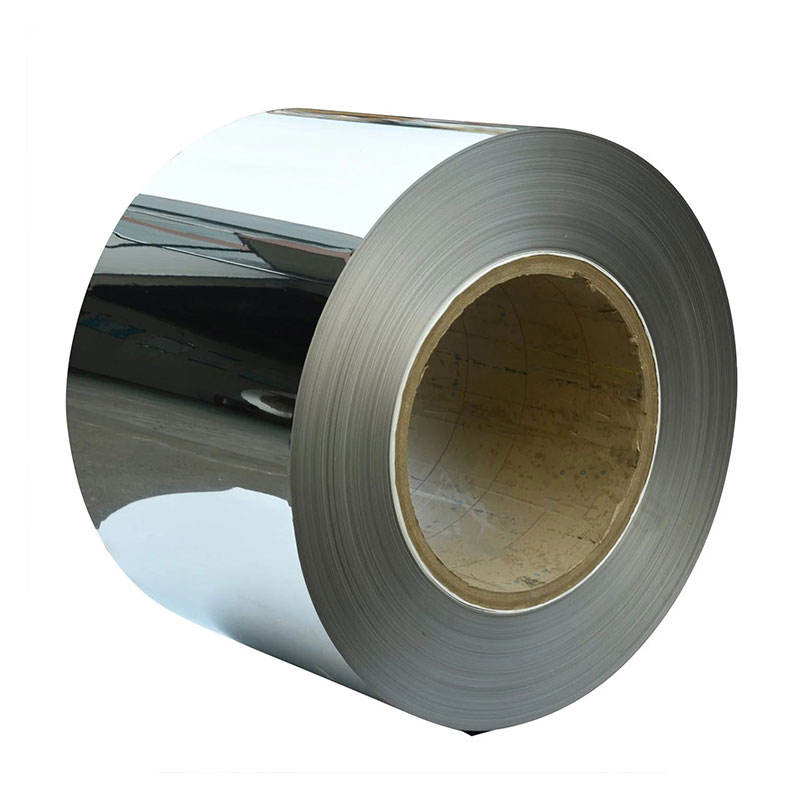
Unlike copper or aluminum, which are often chosen for their high electrical conductivity, stainless steel offers a unique trifecta of properties: mechanical strength, high-temperature resistance, and superior corrosion protection. This makes it the ideal electromagnetic shielding material for environments where the foil must survive harsh chemical exposure or physical stress while maintaining signal integrity.
How Stainless Steel Foil EMI Shielding Works
To understand why your business should invest in EMI shield stainless steel, it is essential to understand the physics of shielding. When an electromagnetic wave hits a conductive barrier, three primary mechanisms occur:
1. Reflection
The primary mechanism of EMI shielding is reflection. Because stainless steel is a conductive material, it contains free electrons. When an EMI wave hits the foil, the electrons move, creating an opposing field that reflects the majority of the radiation back toward the source.
2. Absorption
For higher-frequency interference, RF shielding foil relies on absorption. As the electromagnetic wave passes through the thickness of the foil, the energy is converted into heat. While stainless steel is less conductive than copper, its specific magnetic permeability in certain grades allows it to absorb “magnetic” interference more effectively than non-ferrous metals.
3. Multiple Reflections
In complex electronic housings, waves may bounce between internal surfaces. The dense grain structure of stainless steel foil electronics helps dissipate these internal reflections, preventing internal “noise” from disrupting sensitive circuits.
Key Advantages of Using Stainless Steel Foil for Electronics
For businesses, selecting a metal foil shielding solution isn’t just about the electrical properties; it’s about the lifecycle and reliability of the end product.
Corrosion Resistance: Unlike copper, which oxidizes and loses conductivity over time, stainless steel remains stable in humid or coastal environments.
Durability: Stainless steel foil can be produced in extremely thin gauges (as low as 0.0005”) while maintaining high tensile strength, allowing it to be wrapped around cables without tearing.
Thermal Stability: It maintains its shielding effectiveness even at elevated temperatures, which is critical for automotive engine sensors or aerospace components.
Choosing the Right Grade for Stainless Steel Foil EMI Shielding
Not all stainless steel is created equal. The grade you choose will depend on the frequency of the interference you are trying to block and the environment in which the device operates.
Grade 302/304: The Industry Standard
Grade 304 is the most common EMI shield stainless steel. It provides an excellent balance of cost and performance.
Best for: General consumer electronics, industrial control panels, and household appliances.
Benefit: Highly versatile and easy to fabricate into custom shapes.
Grade 316: The Marine and Medical Choice
When your business operates in high-chloride environments or requires sterile conditions, Grade 316 is the superior electromagnetic shielding material.
Best for: Marine electronics, medical imaging equipment (MRI rooms), and offshore oil and gas sensors.
Benefit: Added molybdenum provides enhanced resistance to pitting and corrosion.
Grade 430: Magnetic Shielding Focus
Unlike the 300-series, Grade 430 is ferritic (magnetic).
Best for: Low-frequency applications where magnetic field attenuation is more important than high-frequency RF reflection.
Benefit: Offers better shielding against low-frequency magnetic interference compared to austenitic grades.
Stainless Steel Foil EMI Shielding: Grade Comparison
Different grades suit specific EMI shield stainless steel needs; 301 provides heat tolerance up to 800°C.
Applications of Stainless Steel Foil EMI Shielding in Industry
Businesses across various sectors leverage stainless steel foil electronics to ensure regulatory compliance and product safety.
Aerospace and Defense
In aviation, weight is everything, but safety is non-negotiable. RF shielding foil made of stainless steel is used to wrap sensitive flight-control wiring, protecting it from the massive electromagnetic pulses generated by lightning or radar systems.
Medical Device Manufacturing
Medical devices like pacemakers and diagnostic tools must operate without interference from cellular signals or Wi-Fi. Stainless Steel Foil EMI Shielding provides a biocompatible, non-corrosive barrier that ensures these life-saving devices remain accurate.
Telecommunications
As we move into the 5G era, high-frequency signals are more susceptible to interference. Using metal foil shielding in base stations and routers helps maintain high data transfer speeds by isolating internal components from external noise.
Design Considerations for Businesses
When integrating Stainless Steel Foil EMI Shielding into your product design, consider the following technical factors:
Apertures and Gaps: Even the best electromagnetic shielding material will fail if there are gaps in the enclosure. Ensure the foil is applied with conductive adhesive to maintain electrical continuity.
Thickness (Gauge): While thinner foils are better for weight and flexibility, thicker foils provide better absorption for low-frequency interference.
Surface Treatment: Depending on the application, you may require a bright annealed finish or a matte finish to aid in heat dissipation or adhesive bonding.
Summary
As electronic environments become increasingly “noisy,” the need for robust, durable, and effective shielding has never been greater. Stainless Steel Foil EMI Shielding offers a level of environmental resilience that copper and aluminum simply cannot match.
By choosing the correct grade, whether it’s the versatile 304 or the corrosion-resistant 316, your business can protect its intellectual property, ensure user safety, and reduce the risk of costly product recalls due to signal failure.
If you are looking for high-quality EMI shield stainless steel solutions tailored to your specific industrial needs, partnering with a specialized supplier is the first step toward electromagnetic compatibility.
FAQs
Why should my business choose Stainless Steel Foil EMI Shielding over copper or aluminum?
While copper and aluminum are highly conductive, they are prone to oxidation and mechanical failure in harsh environments. Stainless Steel Foil EMI Shielding is chosen by businesses that require a “fit and forget” solution. It offers superior corrosion resistance, higher tensile strength for thin-gauge applications, and the ability to withstand extreme temperatures that would cause other foils to degrade or melt.
Does the thickness of the Stainless Steel Foil EMI Shielding affect its performance?
Yes. In the world of metal foil shielding, thickness (or gauge) impacts the “Absorption Loss” of electromagnetic waves. While very thin foils are excellent for reflecting high-frequency signals (like Wi-Fi or Cellular), thicker foils are generally required to absorb lower-frequency interference. However, stainless steel’s inherent strength allows businesses to use thinner foils than aluminum without risking tears during the manufacturing process.
Which grade of Stainless Steel Foil EMI Shielding is best for marine or medical environments?
For marine, chemical processing, or medical applications, Grade 316 is the industry standard. It contains molybdenum, which provides enhanced resistance to chlorides and saline environments. For general electronics where extreme corrosion isn’t a primary factor, Grade 304 offers the most cost-effective performance for EMI shield stainless steel.
Can Stainless Steel Foil EMI Shielding be customized for specific electronic components?
Absolutely. One of the main benefits of stainless steel foil electronics is its fabricability. It can be precision-slit to specific widths, die-cut into complex gaskets, or backed with conductive pressure-sensitive adhesives (PSA) to ensure easy integration into your existing assembly line.
How does Stainless Steel Foil EMI Shielding help with regulatory compliance (EMC)?
Most markets require electronics to meet strict Electromagnetic Compatibility (EMC) standards (such as FCC in the US or CE in Europe). Utilizing RF shielding foil made of stainless steel ensures that your device does not emit excessive radiation and is protected from external interference, significantly reducing the time and cost associated with laboratory compliance testing.