When it comes to industrial materials, few products match the versatility and reliability of stainless steel foil. Among the many grades available, one stands out consistently across industries: 304 stainless steel foil. It is widely recognized as the Best-Selling Stainless Steel Foil, and for good reason.
From food processing and medical equipment to electronics and construction, 304 stainless steel foil delivers a balance of strength, corrosion resistance, and affordability that is hard to beat. But what exactly makes this grade so popular?
In this comprehensive guide, we will explore why 304 has earned its reputation as the Best-Selling Stainless Steel Foil, how it compares to other grades, and why it remains the top choice for manufacturers worldwide.
If you are new to the topic, start with this helpful overview What is stainless steel foil
What Is Stainless Steel Foil?
Before diving deeper, it’s important to understand what stainless steel foil actually is.
Stainless steel foil refers to extremely thin sheets of stainless steel, typically less than 0.2 mm thick. These foils maintain the same chemical composition and mechanical properties as thicker sheets but offer greater flexibility and precision.
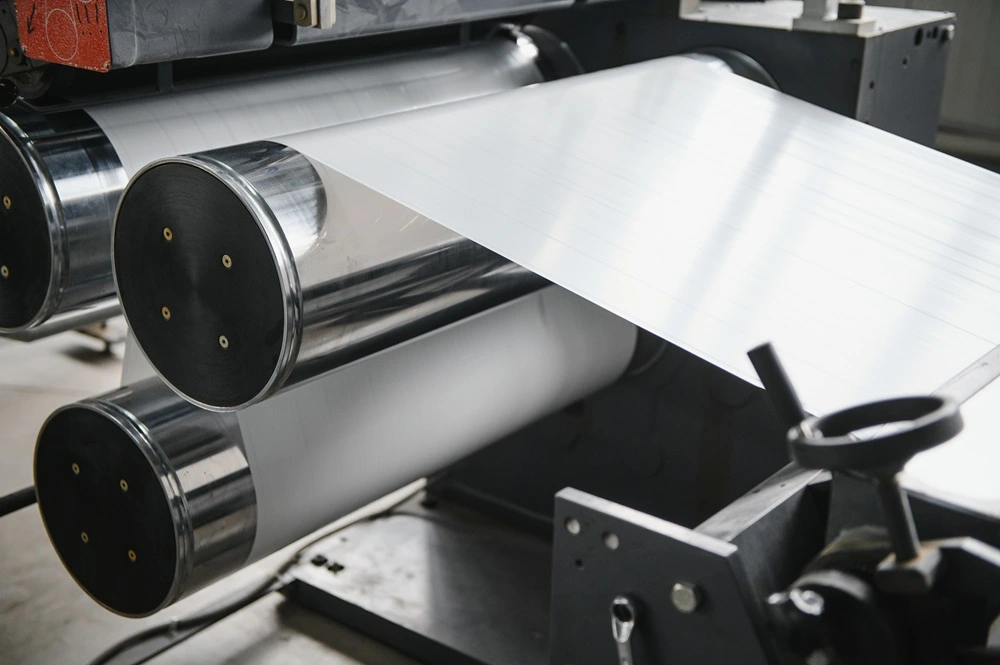
According to this stainless steel overview, stainless steel is an alloy primarily composed of iron, chromium, and nickel. The chromium content forms a passive layer that protects against corrosion.
You can explore different options here Stainless Steel Foil Products
What Makes 304 the Best-Selling Stainless Steel Foil?
The popularity of 304 stainless steel foil is not accidental. It comes from a combination of practical advantages that suit a wide range of applications.
Excellent Corrosion Resistance
One of the main reasons 304 is the Best-Selling Stainless Steel Foil is its strong resistance to corrosion.
The alloy contains approximately 18% chromium and 8% nickel, which creates a protective oxide layer. This makes it highly resistant to rust, oxidation, and many chemicals.
This property makes it ideal for:
- Food-grade applications
- Marine environments
- Medical devices
Outstanding Formability
Another key advantage is its flexibility. 304 stainless steel foil can be easily bent, stamped, or formed without cracking.
This makes it perfect for applications requiring intricate shapes, such as:
- Precision electronics
- Flexible connectors
- Thin-walled components
High Temperature Resistance
304 foil performs well under high temperatures. It can withstand temperatures up to 870°C (intermittent use) without losing structural integrity.
This feature makes it suitable for:
- Heat exchangers
- Furnace components
- Automotive parts
Hygienic and Food-Safe Properties
The non-porous surface of 304 stainless steel prevents bacteria buildup. This makes it widely used in food processing and medical environments.
If you are exploring options, check What is 304 stainless steel foil
Cost-Effectiveness
While there are more corrosion-resistant grades like 316, 304 offers the best balance between performance and cost. This affordability is a major reason it remains the Best-Selling Stainless Steel Foil.
Comparison: 304 vs Other Stainless Steel Foil Grades
To fully understand why 304 dominates the market, it helps to compare it with other common grades.
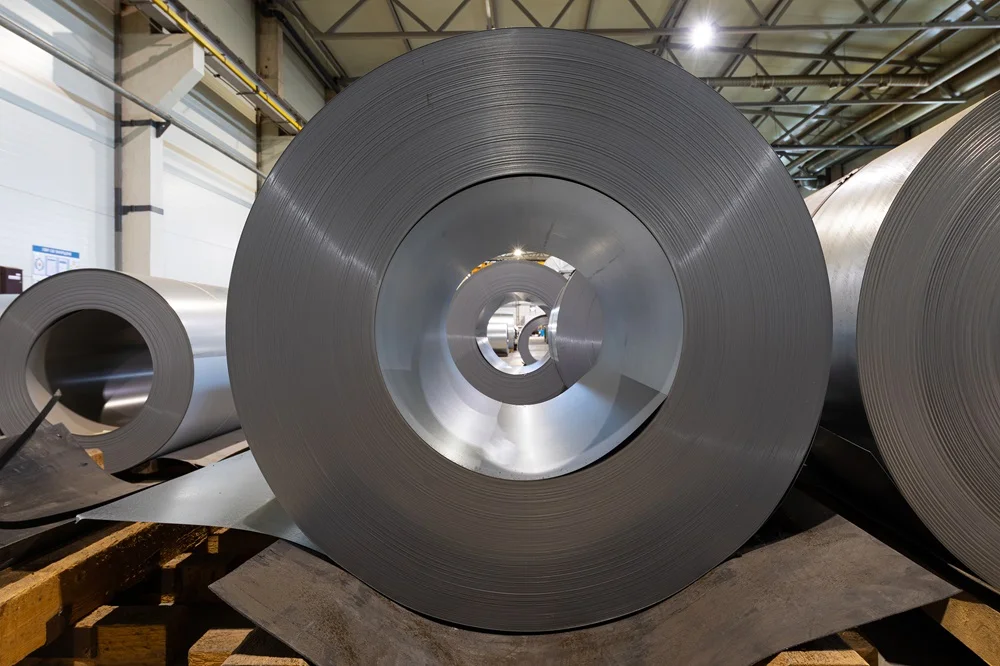
304 vs 301 Stainless Steel Foil
301 stainless steel offers higher strength but lower corrosion resistance.
Learn more here What is 301 stainless steel foil
| Feature | 304 Stainless Steel | 301 Stainless Steel |
|---|---|---|
| Corrosion Resistance | Excellent | Moderate |
| Strength | Moderate | High |
| Formability | Excellent | Good |
| Cost | Moderate | Slightly lower |
304 vs 316 Stainless Steel Foil
316 offers better resistance to chlorides but comes at a higher cost.
| Feature | 304 Stainless Steel | 316 Stainless Steel |
|---|---|---|
| Corrosion Resistance | High | Very High |
| Cost | Lower | Higher |
| Applications | General use | Marine/chemical |
For most general applications, 304 remains the Best-Selling Stainless Steel Foil because it meets performance needs without unnecessary cost.
Applications of the Best-Selling Stainless Steel Foil
The versatility of 304 stainless steel foil is unmatched. It is used across a wide range of industries.
Electronics Industry
Thin stainless steel foil is used in shielding, connectors, and battery components. Its conductivity and durability make it ideal for modern devices.
Medical Industry
304 foil is widely used in surgical instruments and sterile packaging. Its hygienic properties ensure safety and compliance.
Food Processing Industry
From kitchen equipment to food containers, 304 foil plays a vital role in maintaining hygiene standards.
Automotive and Aerospace
Its heat resistance and strength make it suitable for exhaust systems and insulation components.
Construction and Architecture
Architects use stainless steel foil for decorative and functional purposes. It adds durability and a modern finish.
Explore more applications here Stainless Steel Foil Product Page
Mechanical Properties of 304 Stainless Steel Foil
Understanding the technical properties helps explain why it is the Best-Selling Stainless Steel Foil.
| Property | Value |
|---|---|
| Tensile Strength | ~515 MPa |
| Yield Strength | ~205 MPa |
| Elongation | ~40% |
| Density | 8.0 g/cm³ |
These properties provide a balance of strength and flexibility.
Advantages of Using 304 Stainless Steel Foil

Choosing 304 stainless steel foil offers several benefits:
- Strong resistance to corrosion
- Excellent workability
- Long lifespan
- Easy maintenance
- Wide availability
All these factors contribute to its reputation as the Best-Selling Stainless Steel Foil.
Limitations to Consider
No material is perfect. While 304 is highly versatile, it has some limitations.
It is less resistant to chloride environments compared to 316. It may also experience stress corrosion cracking under extreme conditions.
However, for most general applications, these limitations are minimal.
How to Choose the Right Stainless Steel Foil
Selecting the right foil depends on your specific needs.
Consider:
- Environment (corrosive or not)
- Temperature exposure
- Required strength
- Budget
If you need guidance, visit the stainless foil section or explore insights on the blog page.
Future Trends in Stainless Steel Foil
The demand for stainless steel foil continues to grow.
Emerging trends include:
- Ultra-thin foils for electronics
- Sustainable manufacturing processes
- Advanced coatings for improved performance
304 stainless steel is expected to remain the Best-Selling Stainless Steel Foil due to its adaptability.
Where to Buy High-Quality Stainless Steel Foil
Choosing a reliable supplier is essential.
Explore trusted sources:
Summary
The dominance of 304 stainless steel foil is no coincidence. Its combination of durability, corrosion resistance, flexibility, and affordability makes it the Best-Selling Stainless Steel Foil across industries.
While other grades have specialized uses, 304 continues to offer the best overall value. For manufacturers seeking a reliable and cost-effective material, it remains the top choice.
FAQs
Q. Why is 304 considered the best-selling stainless steel foil?
A. The Best-Selling Stainless Steel Foil is 304 because it offers excellent corrosion resistance, flexibility, and cost-effectiveness.
Q. Is 304 stainless steel foil suitable for food applications?
A. Yes, the Best-Selling Stainless Steel Foil is widely used in food processing due to its hygienic and non-reactive surface.
Q. How does 304 compare to 316 stainless steel foil?
A. While 316 offers higher corrosion resistance, the Best-Selling Stainless Steel Foil remains 304 due to its affordability and versatility.
Q. Can 304 stainless steel foil handle high temperatures?
A. Yes, the Best-Selling Stainless Steel Foil performs well in high-temperature environments up to 870°C.
Q. What industries use 304 stainless steel foil the most?
A. The Best-Selling Stainless Steel Foil is used in electronics, medical, food processing, and construction industries.