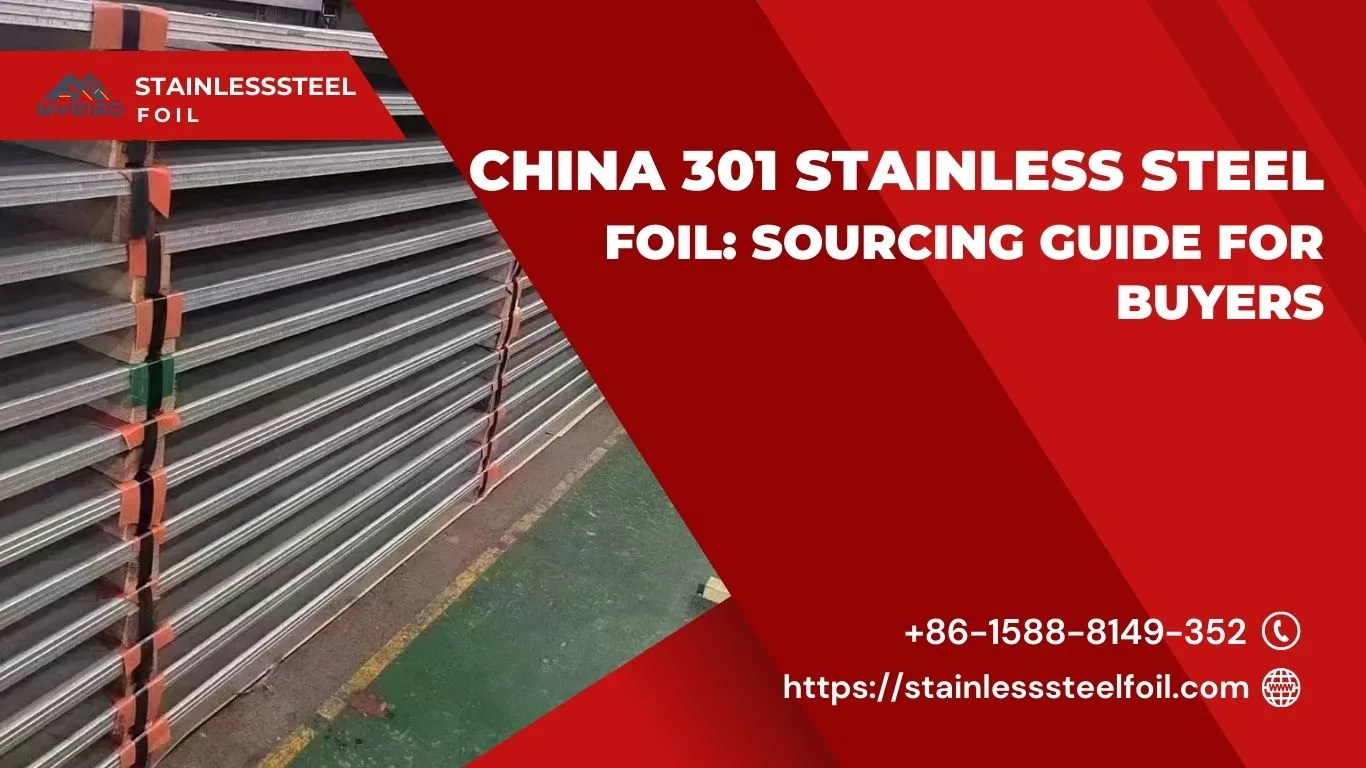
Competitive manufacturing landscape, 301 Stainless Steel Foil has become a preferred material for industries that demand strength, flexibility, and corrosion resistance in ultra-thin formats. From precision springs to electronic components and battery connectors, buyers across the world increasingly source 301 Stainless Steel Foil from China due to cost efficiency, advanced rolling technology, and scalable production capacity.
However, sourcing from China requires more than just comparing prices. Buyers must understand grade specifications, hardness options, surface finishes, tolerance control, and supplier credibility. This comprehensive guide explains everything you need to know before importing 301 Stainless Steel Foil, helping you make confident and profitable purchasing decisions.
For a deeper understanding of stainless foil products, you can explore the official Stainless Steel Foil website at stainless steel foil.
What Is 301 Stainless Steel Foil?
Before sourcing, it’s important to understand what 301 Stainless Steel Foil actually is.
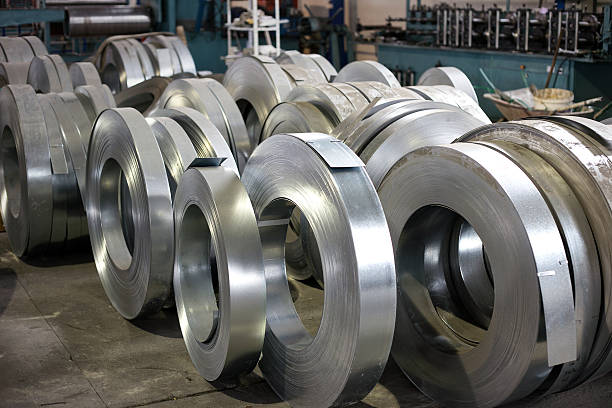
According to the technical overview on Wikipedia’s stainless steel page (en.wikipedia.Stainless_steel), stainless steel is an iron-based alloy containing chromium for corrosion resistance. Grade 301 is an austenitic stainless steel known for its high work-hardening rate.
When rolled into thin gauges, 301 Stainless Steel Foil offers:
- Excellent strength-to-weight ratio
- High tensile strength after cold working
- Good corrosion resistance
- Superior spring properties
If you want a technical breakdown of the grade, read this detailed guide on what is 301 stainless steel foil
Why Buyers Source 301 Stainless Steel Foil from China
China is one of the world’s largest stainless steel producers. According to global steel industry statistics, China accounts for more than 50% of worldwide stainless steel production.
This scale provides several advantages:
First, manufacturing cost remains competitive due to integrated supply chains.
Second, advanced rolling mills produce ultra-thin precision foil.
Third, suppliers can handle both bulk industrial orders and customized small batches.
When sourcing 301 Stainless Steel Foil, buyers often prioritize:
- Thickness consistency
- Hardness accuracy
- Surface finish quality
- Lead time reliability
- Export packaging standards
You can explore general stainless steel foil options here: products stainless steel foil
Chemical Composition of 301 Stainless Steel Foil
Understanding composition helps buyers verify material certificates.
Typical composition of 301 Stainless Steel Foil:
| Element | Percentage (%) |
|---|---|
| Chromium | 16.0 – 18.0 |
| Nickel | 6.0 – 8.0 |
| Carbon | ≤ 0.15 |
| Manganese | ≤ 2.0 |
| Silicon | ≤ 1.0 |
Compared to 304, grade 301 contains lower nickel. This makes it more economical while increasing its work-hardening capability.
As a result, 301 Stainless Steel Foil achieves higher tensile strength after cold rolling.
Mechanical Properties of 301 Stainless Steel Foil
One key reason buyers select 301 Stainless Steel Foil is its strength.
After cold working, tensile strength can exceed 930 MPa. In full hard condition, it may surpass 1200 MPa depending on processing.
Below is a simplified comparison:
| Condition | Tensile Strength (MPa) | Elongation (%) |
|---|---|---|
| Annealed | ~520 | 40 |
| 1/2 Hard | ~930 | 12 |
| Full Hard | 1200+ | 2–5 |
This range allows buyers to select material depending on spring performance or forming needs.
For broader technical context, review what is stainless steel foils.
Thickness Range Available in China
Chinese mills typically produce 301 Stainless Steel Foil in thicknesses ranging from 0.01 mm to 0.5 mm.
Ultra-thin categories often include:
- 0.01 mm
- 0.02 mm
- 0.03 mm
- 0.05 mm
- 0.1 mm
Precision rolling mills use 20-high cluster mills to achieve tight tolerances.
If you need sheet formats instead of coils, see: steel foil sheet
Surface Finishes of 301 Stainless Steel Foil
Surface finish impacts both aesthetics and performance.
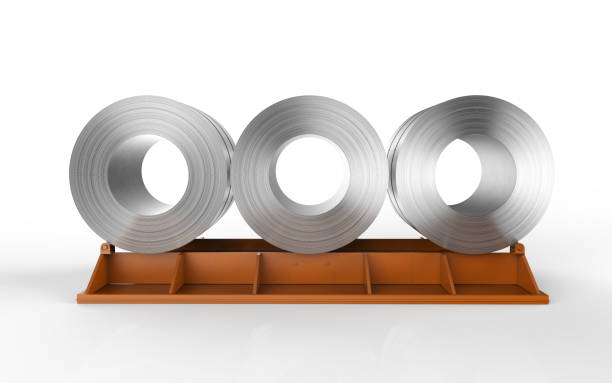
Common finishes include:
Bright annealed (BA)
2B finish
Matte finish
Custom mirror polish
Bright annealed foil is popular for electronics and decorative components because it offers smooth, reflective surfaces.
Applications of 301 Stainless Steel Foil
The versatility of 301 Stainless Steel Foil makes it suitable for multiple industries.
It is widely used in:
Precision springs
EMI shielding
Battery components
Automotive clips
Medical devices
Flexible connectors
For more application examples, review use of stainless steel foils
Because of its excellent work-hardening behavior, 301 Stainless Steel Foil performs exceptionally well in dynamic stress environments.
Heat Treatment Considerations
Although 301 Stainless Steel Foil strengthens primarily through cold working, heat treatment still plays a role in stress relief and forming optimization.
A detailed heat treatment overview is available at: stainless steel foil heat treatment guide
Understanding annealing cycles ensures proper forming performance without cracking.
Key Factors to Evaluate When Sourcing 301 Stainless Steel Foil from China
Sourcing successfully requires more than selecting the lowest quotation.
Buyers should verify:
Material certification (Mill Test Certificate)
Thickness tolerance reports
Hardness condition
Surface inspection standards
Export packaging method
MOQ flexibility
Reliable suppliers provide third-party inspection reports and offer video factory audits.
For a trusted source, buyers can contact suppliers directly via contact us
Comparing 301 vs 304 Stainless Steel Foil
Many buyers hesitate between 301 and 304.
Here is a practical comparison:
| Property | 301 Stainless Steel Foil | 304 Stainless Steel Foil |
|---|---|---|
| Nickel Content | Lower | Higher |
| Strength After Cold Work | Higher | Moderate |
| Cost | Lower | Slightly Higher |
| Corrosion Resistance | Good | Excellent |
| Spring Applications | Ideal | Limited |
If your application requires high spring strength, 301 Stainless Steel Foil usually performs better.
Export Standards and Certifications
Chinese manufacturers typically comply with:
ASTM A666
JIS G4305
EN 10088
Reputable suppliers provide SGS or BV inspection if requested.
Always confirm compliance before shipment.
Packaging and Logistics
Proper packaging protects ultra-thin foil during transport.
Standard export packaging includes:
Moisture-proof wrapping
Wooden pallets
Edge protection
Plastic film sealing
Ocean freight remains the most economical method for bulk orders.
Pricing Trends of 301 Stainless Steel Foil
Pricing depends on:
Nickel market fluctuations
Order volume
Thickness
Hardness condition
Surface finish
Because 301 contains less nickel than 304, it often costs less. However, high-hardness processing may increase production expenses.
For updated product availability and pricing insights, visit: products
Mistakes Buyers Make
Some buyers focus only on price.
Others fail to confirm hardness condition.
Some neglect tolerance requirements.
However, successful sourcing of 301 Stainless Steel Foil requires balancing cost, quality, and supplier reliability.
Future Outlook of 301 Stainless Steel Foil Market
Demand continues to rise due to:
EV battery expansion
Miniaturized electronics
Renewable energy systems
Advanced automotive engineering
As industries require stronger yet thinner materials, it will remain highly relevant.
For ongoing industry insights, explore: blog
Summary
Sourcing 301 Stainless Steel Foil from China can offer significant cost advantages and access to advanced precision rolling technology. However, buyers must evaluate chemical composition, mechanical properties, hardness condition, and supplier credibility before placing orders.
By understanding specifications, certifications, and logistics considerations, you can secure high-quality 301 Stainless Steel Foil that meets your technical and commercial requirements. For product inquiries and quotations, visit: contact us.
FAQs
What makes 301 Stainless Steel Foil different from other grades?
this offers higher work-hardening capability than 304, making it ideal for spring applications and high-strength components.
Is 301 Stainless Steel Foil suitable for corrosion-prone environments?
301 Stainless Steel Foil Supplier provides good corrosion resistance, although 304 may perform better in highly aggressive conditions.
What hardness options are available for 301 Stainless Steel Foil?
Suppliers offer annealed, 1/4 hard, 1/2 hard, and full hard conditions depending on application requirements.
Can 301 Stainless Steel Foil be customized?
Yes, 301 Stainless Steel Foil Supplier can be supplied in coils, sheets, slit strips, and custom widths based on buyer specifications.
How do I verify quality when importing 301 Stainless Steel Foil?
Always request Mill Test Certificates, confirm ASTM compliance, and consider third-party inspection before shipment.