The global stainless steel industry continues to evolve as manufacturers demand tighter tolerances, smoother finishes, and higher strength materials. At the center of this transformation is the Cold Rolled Stainless Steel Coil Manufacturing Explained, a product that combines precision engineering with exceptional surface quality.
From automotive panels to hydrogen infrastructure, electronics, medical equipment, and consumer goods, cold rolling plays a decisive role in delivering performance. Yet many buyers and engineers only see the final product. Few understand the detailed manufacturing journey behind a high-quality cold rolled stainless steel coil.
In this comprehensive guide, we will walk through:
- What cold rolling actually means
- Step-by-step cold rolled stainless steel coil manufacturing process
- Key quality control measures
- Surface finishes and tolerances
- Market trends and pricing insights
- Industrial applications and technical standards
If you are sourcing materials, designing products, or comparing suppliers, this article will give you the clarity you need.
What Is a Cold Rolled Stainless Steel Coil?
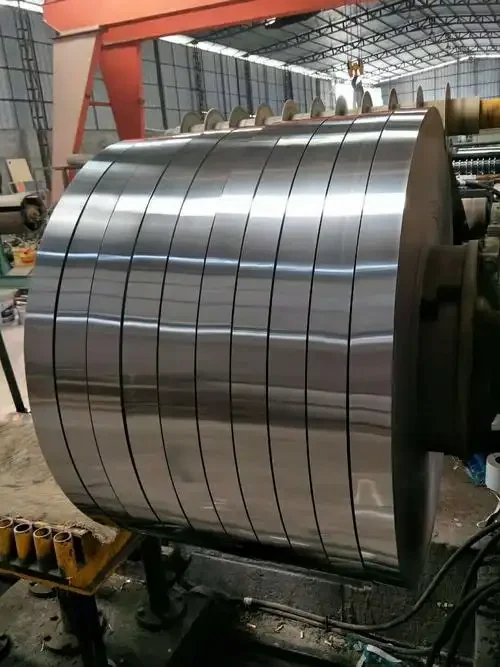
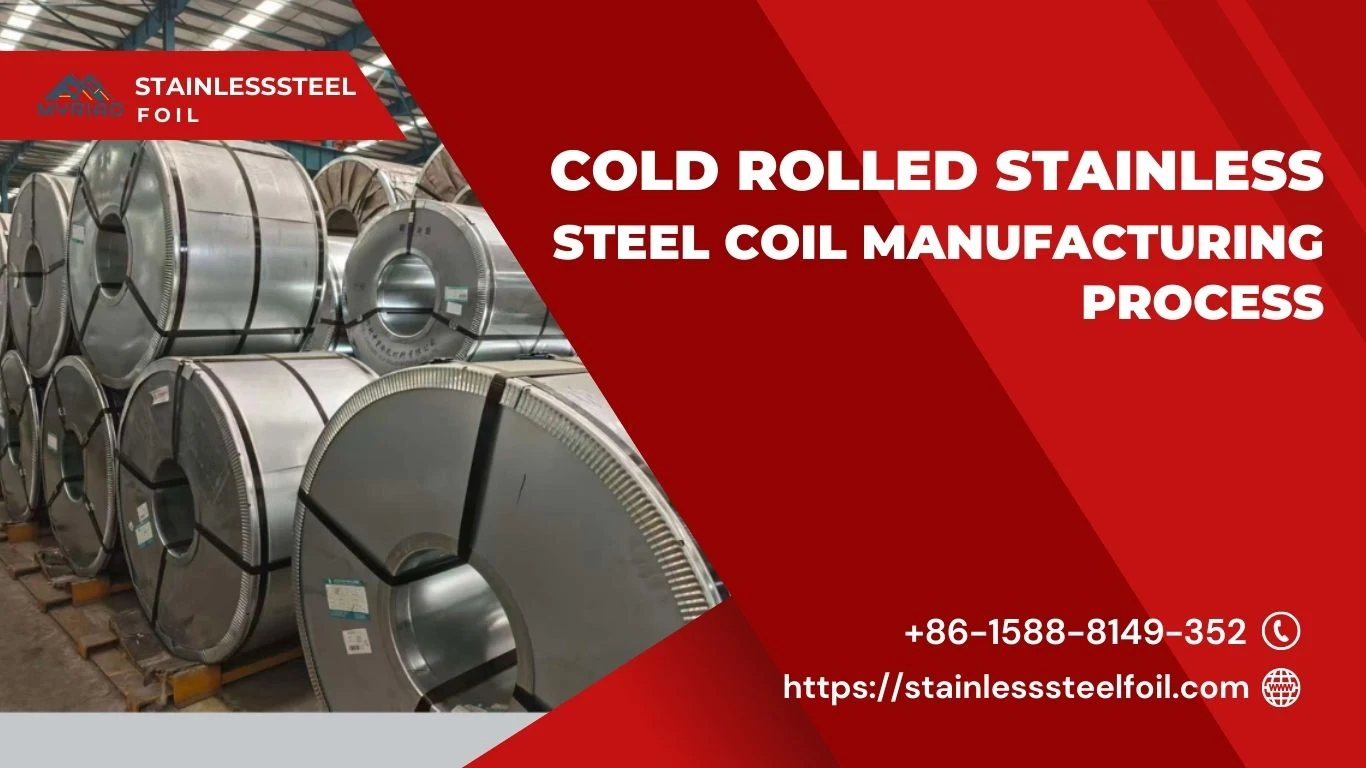
A cold rolled stainless steel coil is stainless steel that has undergone thickness reduction at room temperature after hot rolling. Unlike hot rolled products, cold rolled coils offer improved dimensional accuracy, better surface finish, and enhanced mechanical strength.
According to the technical overview on Wikipedia’s stainless steel page, stainless steel contains a minimum of 10.5% chromium. This chromium forms a passive oxide layer that protects the steel from corrosion.
Cold rolling enhances these corrosion-resistant properties by refining the grain structure and improving surface smoothness.
Manufacturers across industries rely on cold rolled stainless steel coil products because they deliver:
- Tight thickness tolerance
- High tensile strength
- Superior flatness
- Smooth and polished surfaces
- Excellent formability
For a broader understanding of stainless steel production, you may also explore our detailed guide on the stainless steel coil manufacturing process explained.
Step-by-Step Cold Rolled Stainless Steel Coil Manufacturing Process
Producing a cold rolled stainless steel coil requires multiple controlled stages. Each step affects strength, surface finish, and mechanical properties.
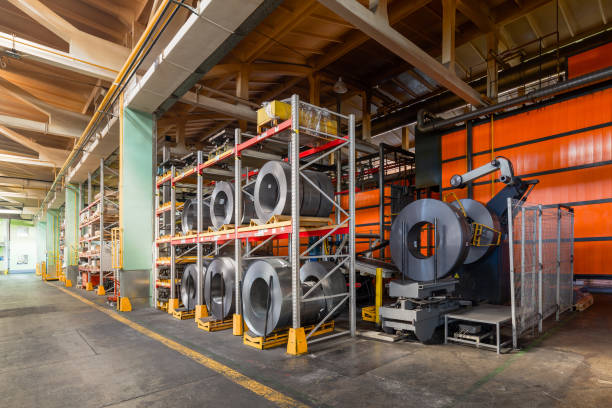
Raw Material Preparation – Hot Rolled Coil
The journey begins with a hot rolled stainless steel coil. Hot rolling reduces thickness at elevated temperatures, typically above 1,000°C.
Hot rolled material provides the base structure. However, it lacks the surface precision and dimensional accuracy required for advanced applications.
Pickling Process
After hot rolling, scale forms on the surface due to oxidation. Manufacturers remove this scale using acid pickling solutions.
This step ensures a clean surface before cold reduction begins.
Clean surfaces are critical. Any contamination may cause surface defects during cold rolling.
Cold Rolling Reduction
Cold rolling occurs at room temperature using high-pressure rolling mills. The material passes through rollers that compress it to the required thickness.
Thickness reduction can range from 20% to 70%, depending on the final specification.
Cold rolling improves:
- Surface finish
- Strength through strain hardening
- Dimensional control
As deformation occurs, tensile strength increases. However, ductility decreases. That is why annealing becomes necessary.
Annealing in Cold Rolled Stainless Steel Coil Production
Cold rolling introduces internal stresses. Annealing restores ductility.
The coil is heated in a controlled furnace. Temperatures vary by grade. Austenitic grades like 304 and 316 typically undergo solution annealing at around 1,050°C.
Rapid cooling prevents carbide precipitation.
Annealing ensures the cold rolled stainless steel coil remains formable for downstream processing.
Skin Pass Rolling and Tension Leveling
After annealing, manufacturers perform a light rolling process called skin pass rolling.
This step enhances flatness and improves surface texture.
Tension leveling may also be used to eliminate residual stresses.
The result is a smooth, dimensionally accurate cold rolled stainless steel coil ready for finishing.
Surface Finishing Options
Surface finish directly affects performance and appearance.
Common finishes include:
- 2B Finish – Smooth, matte finish used widely in industrial applications
- BA Finish – Bright annealed finish with reflective surface
- No.4 Finish – Brushed finish used in architectural panels
- Mirror Finish – High polish for decorative use
Surface finish selection depends on application requirements.
For consumer-facing applications, explore examples in our article on stainless steel coil consumer goods types uses.
Technical Specifications and Tolerances
Precision defines cold rolling.
Typical thickness ranges:
- Standard coil: 0.3 mm to 3.0 mm
- Precision foil: Below 0.1 mm
Thickness tolerance may reach ±0.01 mm in high-end mills.
Flatness tolerance is often below 5 I-units in premium grades.
These specifications make cold rolled stainless steel coil ideal for industries requiring exact performance.
You can browse available specifications on our official Products page.
Mechanical Property Improvements After Cold Rolling
Cold rolling increases strength through work hardening.
Below is a comparison table showing general mechanical property changes for 304 stainless steel:
| Property | Hot Rolled | Cold Rolled |
|---|---|---|
| Yield Strength | ~215 MPa | ~290 MPa |
| Tensile Strength | ~505 MPa | ~620 MPa |
| Surface Finish | Rough | Smooth |
| Dimensional Accuracy | Moderate | High |
These improvements explain why industries prefer cold rolled stainless steel coil for structural precision.
Market Trends and Production Insights
Global stainless steel production reached over 55 million metric tons in recent years, according to World Steel Association reports.
Cold rolled products account for a significant share due to demand from automotive, electronics, and renewable sectors.
Recent market analysis shows fluctuations in Chinese production capacity. For example, industry data discussed in our update on China’s cold rolled stainless steel plant production highlights month-on-month changes in output.
Price adjustments also affect the market. Historical price shifts are detailed in our article on 304 cold rolled coil price changes in Southern China.
Understanding production trends helps buyers make informed sourcing decisions.
Quality Control and Inspection Standards
Manufacturers follow strict international standards.
Common standards include:
- ASTM A240
- EN 10088
- JIS G4305
Quality checks include:
- Chemical composition analysis
- Ultrasonic testing
- Surface inspection
- Thickness measurement via laser gauges
Every cold rolled stainless steel coil undergoes inspection before shipment.
At Stainless Steel Foil, we implement strict quality assurance to ensure each coil meets international compliance standards.
For ongoing industry insights, visit our Blog section.
Applications of Cold Rolled Stainless Steel Coil
Cold rolled material serves a wide range of industries.
Automotive manufacturers use it for trim and structural components.
Electronics companies use ultra-thin foil for connectors and battery housings.
Renewable infrastructure projects depend on it for precision structural parts. You can read more about such applications in our renewable infrastructure overview at stainless steel coil renewable infrastructure.
Medical device manufacturers value the clean surface and corrosion resistance.
Architectural firms prefer it for decorative panels and façades.
Each application benefits from the enhanced strength and finish of cold rolled stainless steel coil.
Cold Rolled vs Hot Rolled Stainless Steel Coil
Many buyers ask about differences.
Hot rolled steel is produced at high temperature. It is cheaper but less precise.
Cold rolled stainless steel coil offers:
- Better surface finish
- Tighter thickness tolerance
- Higher strength
- Improved flatness
However, cold rolling increases production cost due to additional processing.
The right choice depends on application demands.
Sustainability and Environmental Considerations
Stainless steel is 100% recyclable.
Most modern production uses significant recycled scrap content.
Cold rolling consumes energy. However, longer product life reduces overall environmental footprint.
The stainless steel industry continues improving efficiency through advanced rolling technologies.
Choosing the Right Supplier
Supplier selection impacts performance and reliability.
Consider:
- Production capability
- Tolerance control
- Surface finish quality
- Testing certification
- Delivery reliability
Working with experienced manufacturers ensures consistent cold rolled stainless steel coil quality.
For technical consultation or custom specifications, visit our Contact Us page.
Summary
The cold rolled stainless steel coil manufacturing process transforms hot rolled coils into precision-engineered products with superior strength, finish, and accuracy. From pickling to annealing and final inspection, each step ensures quality and reliability. Cold rolled coils are indispensable in automotive, consumer goods, construction, and renewable energy systems. For more insights, visit the Stainless Steel Foil or reach out via Contact Us.
FAQs
What makes cold rolled stainless steel coil stronger than hot rolled?
Cold rolling increases strength through work hardening. The deformation process refines the grain structure, which improves tensile strength in cold rolled stainless steel coil products.
What thickness range is available for cold rolled stainless steel coil?
Standard thickness ranges from 0.3 mm to 3.0 mm. Precision manufacturers can supply ultra-thin cold rolled stainless steel coil below 0.1 mm for specialized applications.
Is cold rolled stainless steel coil suitable for food-grade applications?
Yes. Grades like 304 and 316 are commonly used in food processing. The smooth surface of cold rolled stainless steel coil helps maintain hygiene standards.
How does annealing affect cold rolled stainless steel coil?
Annealing restores ductility lost during cold rolling. This ensures the cold rolled stainless steel coil remains formable for fabrication processes.
Does cold rolling improve corrosion resistance?
Cold rolling itself does not change chromium content. However, improved surface finish enhances corrosion resistance in cold rolled stainless steel coil products.