For professionals in procurement and engineering, selecting cold rolled vs hot rolled stainless steel is a pivotal decision that impacts both project viability and the bottom line. While both variants share the hallmark traits of stainless steel, such as durability and corrosion resistance, the mechanical reality is that they are distinct industrial products. They are shaped by different manufacturing processes, resulting in unique performance profiles and specific application strengths.
Choosing the incorrect specification can lead to costly consequences, including failed quality audits, inflated fabrication expenses, or structural failure under mechanical stress. To ensure your material choice aligns with your operational requirements, this guide examines the stainless steel manufacturing process, provides a direct comparison of its physical properties, and offers a strategic framework for your next purchase.
Understanding the Stainless Steel Manufacturing Process
To effectively evaluate Cold Rolled vs Hot Rolled Stainless Steel, one must first grasp the nuances of their production. The specific rolling technique employed at the mill is the primary architect of a material’s mechanical integrity, surface texture, and dimensional precision.
The stainless steel manufacturing process begins uniformly. Raw steel is cast into heavy slabs or billets. These are subjected to intense heat, often exceeding 1,100°C, and fed through high-pressure rollers to achieve the desired gauge. The fundamental divergence between the two types occurs in the stages immediately following this high-heat transformation.
What Is Hot Rolled Stainless Steel?
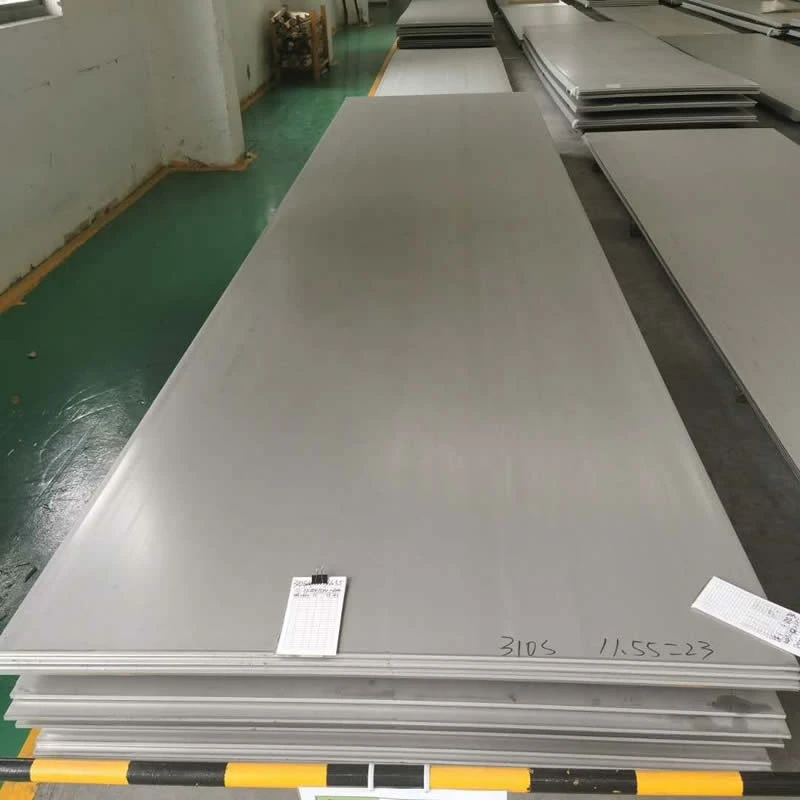
Hot-rolled stainless steel is produced by rolling the metal at temperatures above its recrystallisation point. At these elevated temperatures, the steel is highly malleable, making it easier and less costly to shape into large sections, thick plates, structural beams, and heavy-gauge coils.
Key Characteristics of Hot Rolled Stainless Steel
Surface Finish: The cooling process after hot rolling causes the steel to develop a characteristic dark, scaled, or slightly rough surface finish. This is often referred to as a “mill finish” or 2E/2D finish in stainless steel terminology. The surface is not aesthetically refined, but it is functional for applications where appearance is secondary.
Dimensional Tolerances: Because the steel contracts as it cools after rolling, hot-rolled stainless steel has wider dimensional tolerances. Thickness and width can vary slightly across the coil or sheet, which may require additional machining for precision components.
Mechanical Properties: Hot-rolled stainless steel tends to be softer and more ductile than cold-rolled equivalents. It has lower yield strength but better elongation, making it suitable for forming, heavy bending, and applications where impact resistance matters more than tensile strength.
Cost: The hot rolling process is simpler and requires less energy than cold rolling, making hot rolled stainless steel generally less expensive per kilogram. For bulk structural applications, this cost advantage is significant.
Typical Applications of Hot Rolled Stainless Steel
- Structural frameworks and support beams in construction
- Heavy-duty process equipment in the oil, gas, and petrochemical industry
- Agricultural machinery and storage tanks
- Railway wagons and heavy transport components
- Marine deck plates and shipbuilding structures
What Is Cold Rolling Stainless Steel?
The cold rolling process begins where hot rolling ends. After hot rolling, the stainless steel coil undergoes further processing at or near room temperature, namely cold rolling. The steel is passed through a series of precision rolling mills under high pressure, significantly reducing its thickness and altering its microstructure.
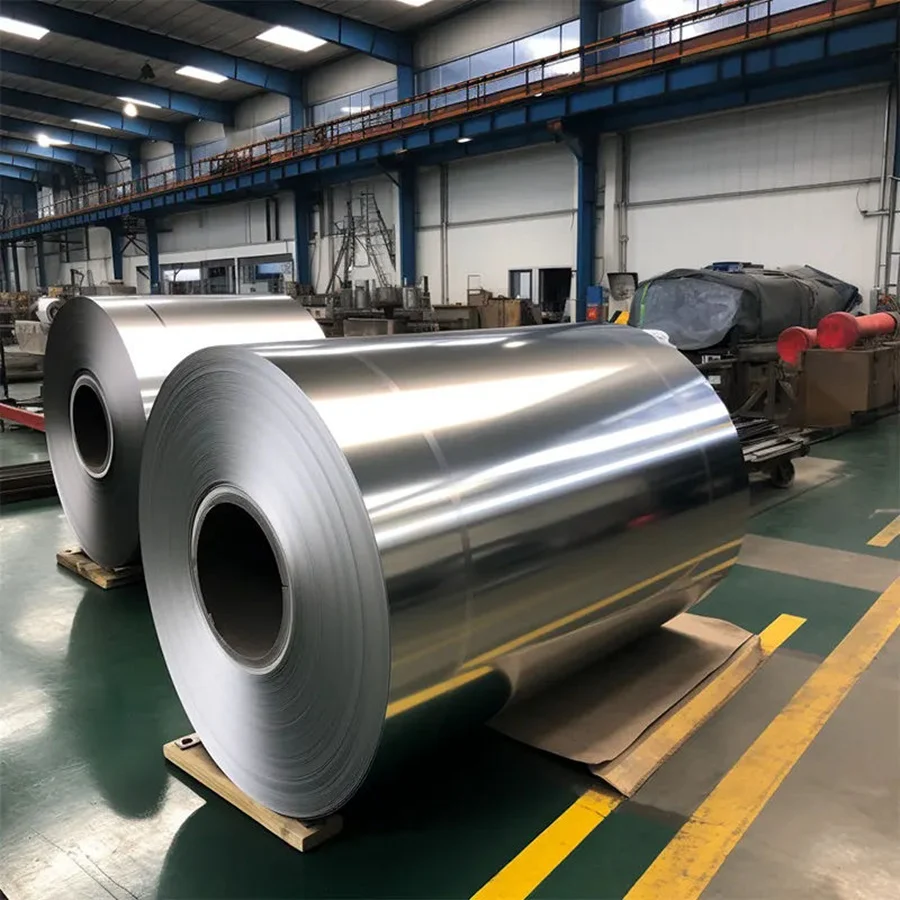
Because the metal is not heated during this stage, it work-hardens during cold rolling stainless steel production. This work-hardening is what gives cold rolled products their superior mechanical properties and tight dimensional control.
After cold rolling, the steel is typically annealed (heat-treated) and pickled (acid-cleaned) to relieve internal stresses and restore corrosion resistance, a process sequence known as AP or BA (bright annealed), depending on the furnace atmosphere used.
Key Characteristics of Cold Rolled Steel Properties
Surface Finish: The cold rolling process produces a significantly smoother, brighter, and more uniform surface finish than hot rolling. Cold rolled stainless steel is available in a range of finishes — from the standard 2B (smooth, matte) to BA (mirror-like reflective) and even brushed or polished finishes. This makes it the material of choice wherever aesthetics matter.
Dimensional Tolerances: Cold rolled steel properties include exceptionally tight dimensional tolerances. Thickness consistency across the width and length of a coil is far superior to hot rolled equivalents. For precision-engineered components, this level of accuracy is non-negotiable.
Mechanical Strength: Work hardening during the cold rolling process increases yield strength and tensile strength considerably compared to hot rolled material of the same grade. However, this also reduces ductility slightly, which must be factored into forming operations.
Surface Integrity: Cold rolled stainless steel has a cleaner, more refined surface that is less prone to contamination and easier to inspect for defects. For hygienic applications — such as food processing or pharmaceutical equipment — this surface quality is essential.
Cost: Cold rolled stainless steel commands a price premium due to the additional processing steps involved. However, for applications requiring tight tolerances or high finish quality, the trade-off is clearly justified.
Typical Applications of Cold Rolled Stainless Steel
- Architectural cladding, facades, and decorative panels
- Kitchen equipment, food processing machinery, and catering surfaces
- Pharmaceutical processing and cleanroom equipment
- Precision stampings, deep drawn components, and thin-gauge parts
- Automotive exhaust systems, trim, and structural inserts
- Medical device housings and surgical instrument components
- Electrical enclosures and consumer appliances
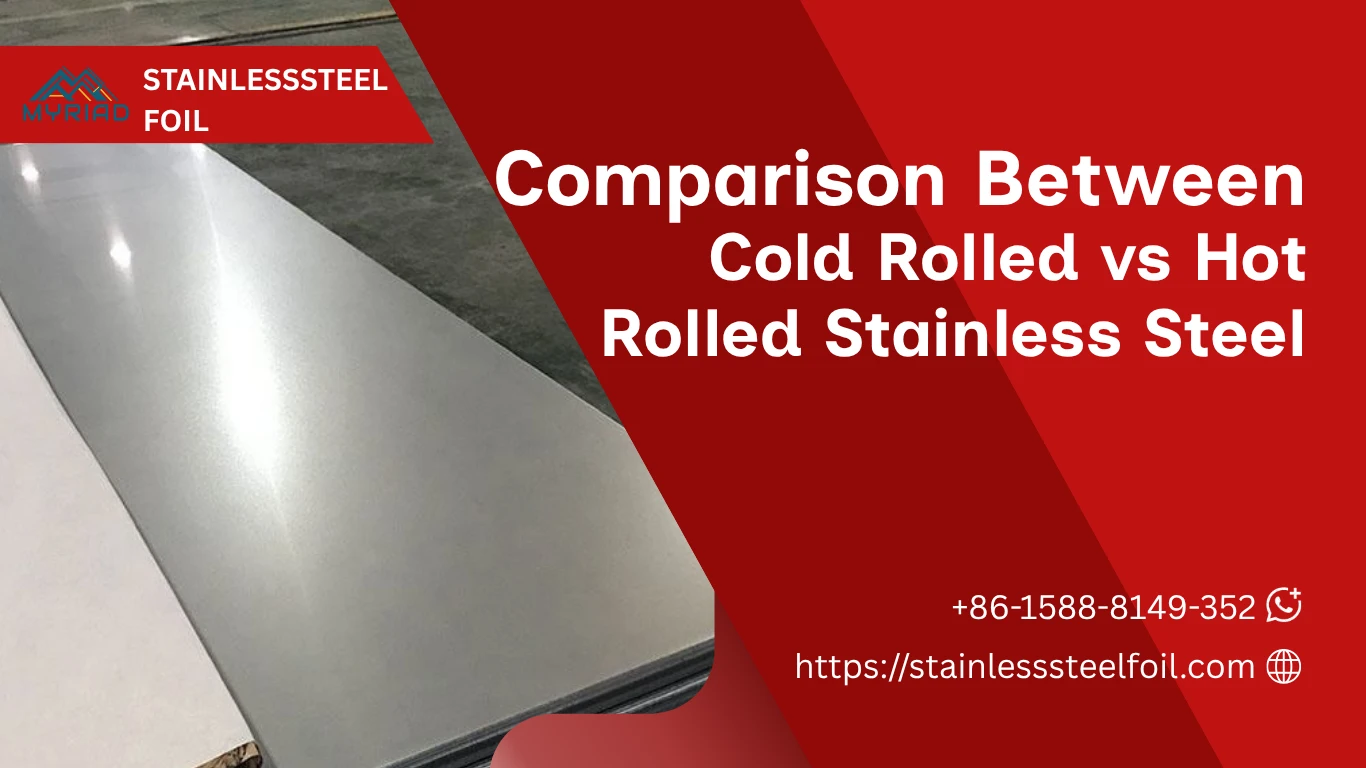
Comparison of Cold Rolled vs Hot Rolled Stainless Steel
For procurement and engineering teams evaluating cold rolled vs hot rolled stainless steel, the following comparison covers the most commercially relevant parameters:
| Parameter | Hot Rolled Stainless Steel | Cold Rolled Stainless Steel |
| Rolling Temperature | Above recrystallization (~1100°C+) | Near room temperature |
| Surface Finish | Rough/scaled (2E, 2D finish) | Smooth, bright (2B, BA, polished) |
| Dimensional Tolerance | Wider | Tighter and more precise |
| Yield Strength | Lower | Higher (work-hardened) |
| Ductility | Higher | Slightly lower |
| Typical Thickness Range | 3mm – 100mm+ | 0.3mm – 3mm (thin gauge) |
| Unit Cost | Lower | Higher |
| Typical Application | Structural, heavy fabrication | Precision, aesthetic, hygienic |
| Common Grades | 304, 316, 430 (heavy plate) | 304, 316, 430, 201 (sheet/coil) |
Hot Rolled vs. Cold Rolled: Ultimate Selection Guide
For any project, picking the right stainless steel is about more than just the price tag. It’s a balance of performance, safety standards, and long-term value. Use this framework to decide which material makes the cut.
Gauge the Thickness
Size matters. Hot rolled stainless steel is the heavyweight champion, usually reserved for thickness levels of 3mm and up where structural strength is non-negotiable. If you need sleek, precision sheets under 3mm, cold rolled is the gold standard. Trying to go “hot” on thin gauges usually leads to messy surface defects and shaky dimensions.
Prioritize the Look (and Cleanliness)
If your steel is going to be seen—think kitchen appliances, modern architecture, or medical tools—cold rolled is your only move. In many cases, a smooth finish isn’t just about “looking pretty.” For food and pharma equipment, a perfectly smooth surface is a legal hygiene requirement. If you need to meet FDA or EU safety standards, cold rolled is likely your mandatory choice.
Match the Mechanical Vibe
Cold Rolled: Higher yield strength and incredible stability. Best for parts that need to hold their shape under tension.
Hot Rolled: Higher ductility. This means it can take a hit and bend without snapping—perfect for heavy machinery frames or transport parts that endure high impact.
Look Beyond the Sticker Price
Don’t let a lower unit price fool you. Hot rolled steel often arrives with a rougher “scale” that requires extra cleaning, grinding, or machining before it’s ready. While cold rolled steel costs more upfront, it arrives “factory-ready.” In automated setups, the consistency of cold rolled material can actually save you more money by boosting your production speed and reducing waste.
Check the Rulebook
Whether you’re building a pressure vessel or a custom part for a specialized industry, certifications are key. Standard grades like 304 or 316 come in both styles, but specific safety standards (like ASTM A240) might favor one over the other. Always double-check that your choice meets the specific “fine print” of your industry before you buy.
Avoid These When Sourcing Stainless Steel
Even seasoned pros can trip up when ordering rolled stainless steel. Avoiding these common traps will save you time, money, and a massive headache.
The Finish Faux Pas: Don’t buy hot-rolled plate for a high-visibility project and expect a quick polish to give you that mirror-like shine. Trying to turn a rough surface into a sleek 2B or BA finish after the fact is a budget-killer.
The Tolerance Trap: In precision builds, “close enough” isn’t good enough. Hot-rolled material has wider thickness swings that can lead to assembly disasters. Cold-rolled steel offers much tighter tolerances, ensuring every piece fits perfectly without the “stack-up” drama.
The Work-Hardening Blindside: Stainless steel gets tougher as you shape it. If you’re deep drawing or bending cold-rolled material, it “work-hardens” rapidly. If your tools aren’t ready for that extra resistance, you’re looking at cracked parts, springback, or wrecked machinery.
The “Same Grade” Myth: Thinking hot-rolled and cold-rolled are twins just because they share a grade number is a recipe for failure. They aren’t interchangeable. Because cold-rolled steel can have 20–40% higher yield strength, swapping one for the other can fundamentally weaken—or unexpectedly stiffen—your entire design.
Final Summary
Choosing between hot and cold rolled stainless steel isn’t about finding the “best” metal, but the best fit for your specific job. Reach for hot rolled when you need heavy-duty structural strength, budget-friendly bulk, and can handle a rugged, industrial surface. Switch to cold rolled when the project demands precision, requiring tight tolerances, a flawless finish, or extra-high yield strength. Because the rolling process fundamentally alters the steel’s DNA, knowing these differences allows you to make smarter, more cost-effective design choices. When in doubt, walk your supplier through your mechanical and aesthetic needs early on; picking the right material at the start is the ultimate shortcut to avoiding expensive headaches down the road.
FAQs
Is cold rolled stainless steel stronger than hot rolled?
Generally, yes. The cold rolling process involves compressing the steel at room temperature, which causes “work-hardening.” This can increase the yield strength by 20–40% compared to hot rolled steel of the same grade, making it much tougher and more resistant to deformation.
Which is more expensive, cold rolled or hot rolled stainless steel?
Cold rolled stainless steel typically carries a higher price tag. This is because it requires more processing steps, including additional cooling, rolling, and finishing stages to achieve its signature smooth surface and precise measurements. Hot rolled is the more budget-friendly option for large-scale structural projects.
Can I use hot rolled steel for projects that require a mirror finish?
It’s not recommended. While you can grind and polish hot rolled steel, it is incredibly labor-intensive and expensive to remove the deep surface imperfections. If your project needs to be “show-room ready” or requires a 2B or BA finish, starting with cold rolled steel will save you significant time and money.
Why do precision parts usually require cold rolled stainless steel?
It comes down to “tolerances.” Because cold rolled steel is finished at room temperature, it doesn’t shrink or warp as it cools. This allows for incredibly tight, predictable dimensions. Hot rolled steel shrinks as it cools from extreme heat, leading to slight variations in thickness and shape that can ruin high-precision assemblies.
Does the “grade” (like 304 or 316) change between hot and cold rolled?
The chemical composition (the “recipe”) remains the same, but the physical properties change. For example, 304 Hot Rolled and 304 Cold Rolled have the same ingredients, but the cold rolled version will be harder, thinner, and smoother due to how it was processed.