Heat treating has always been a balancing act. Manufacturers want consistent metallurgical results, controlled atmospheres, and minimal surface contamination—yet rising energy costs and material waste make traditional methods increasingly expensive. That is exactly why cost-effective heat treating with stainless steel foil has become a preferred solution across aerospace, automotive, toolmaking, and advanced manufacturing sectors.
Instead of relying on complex gas systems or high-maintenance vacuum furnaces, stainless steel foil offers a simpler, more economical approach. When applied correctly, it protects components during thermal cycles, reduces oxidation, and cuts post-processing costs significantly.
In this in-depth guide, we will explore how stainless steel foil enables cost-effective heat treating, why industries trust it, and how selecting the right grade and thickness can dramatically improve operational efficiency.
Heat Treating and Its Cost Challenges
Heat treating is the controlled heating and cooling of metals to modify mechanical properties such as hardness, ductility, and strength. While essential, it often introduces challenges that inflate costs.
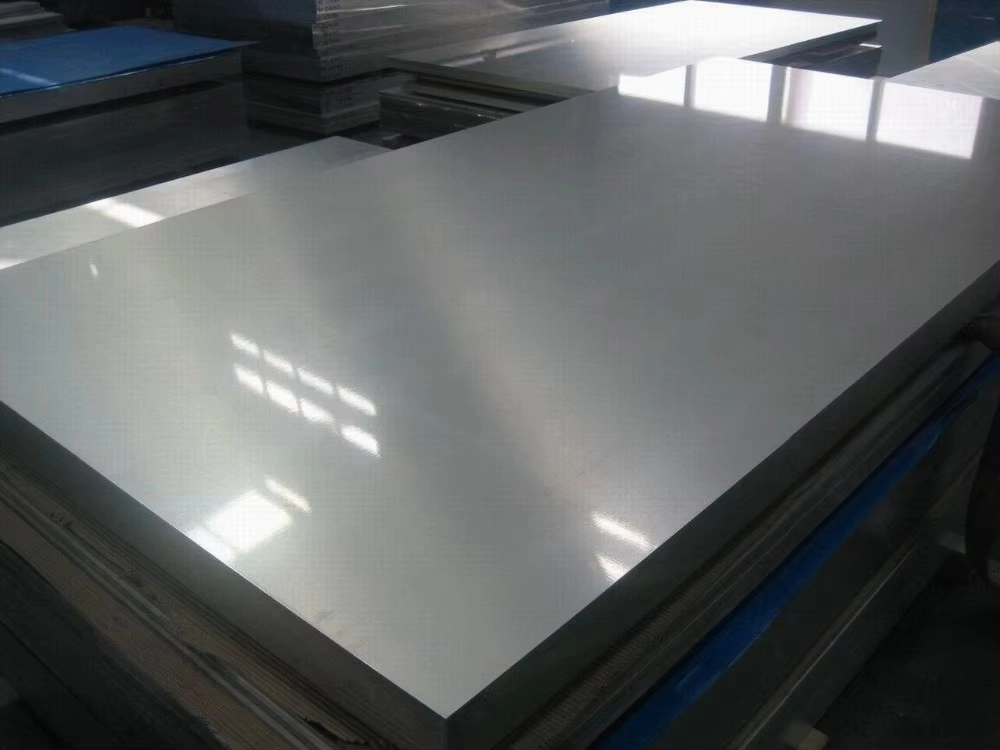
Traditional heat treating methods frequently require protective atmospheres like argon, hydrogen, or nitrogen. These gases are not only expensive but also demand specialized equipment and constant monitoring. Moreover, oxidation, scaling, and decarburization can still occur, leading to surface defects and material loss.
As a result, manufacturers face higher scrap rates, extended processing times, and additional finishing steps. That is where cost-effective heat treating with stainless steel foil offers a practical alternative.
Why Stainless Steel Foil Is a Game-Changer in Heat Treating
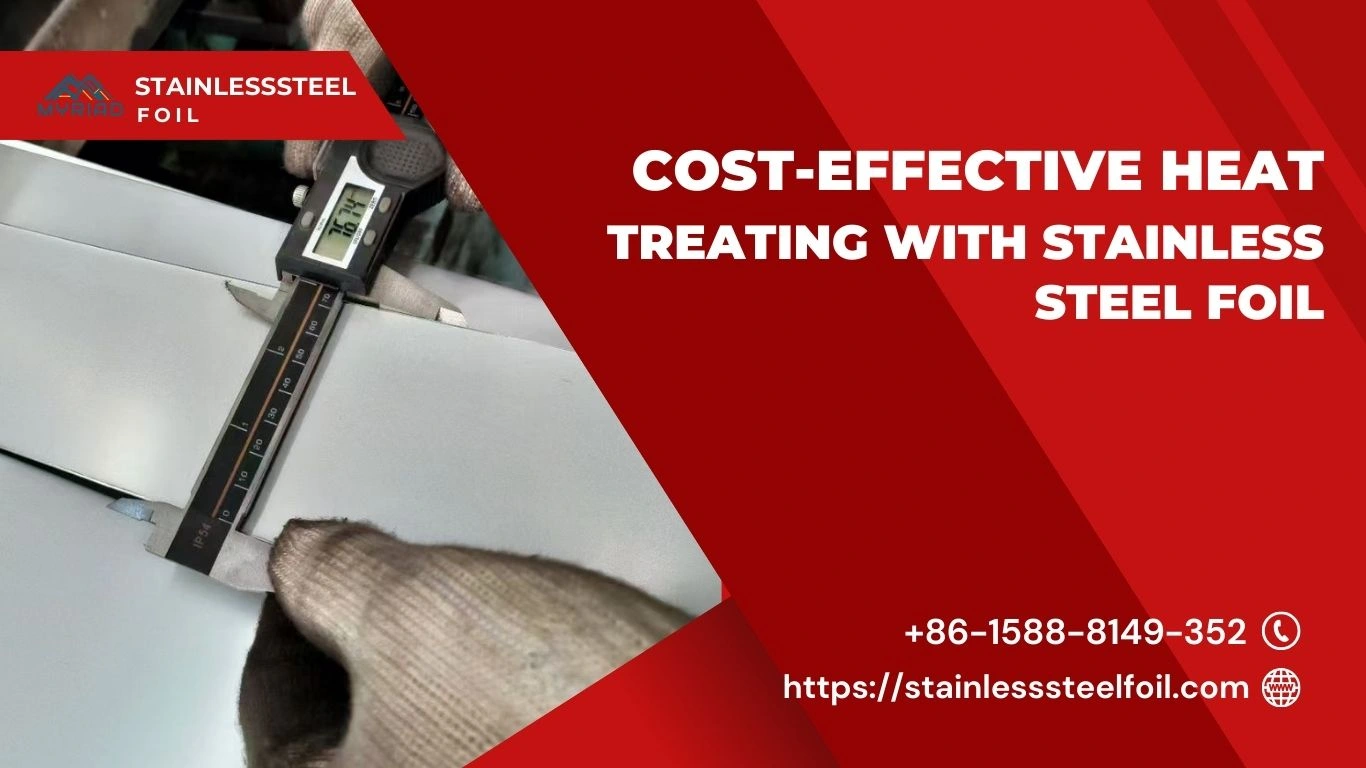
Stainless steel foil acts as a physical barrier between the workpiece and the surrounding atmosphere during heat treatment. By tightly wrapping components, the foil creates a micro-environment that limits oxygen exposure.
Unlike gas-based solutions, foil wrapping does not require extensive infrastructure. It works inside standard furnaces, making it ideal for small workshops and large-scale operations alike. This simplicity alone contributes to lower operating costs.
Additionally, stainless steel foil withstands extreme temperatures without degrading. According to material science data summarized by Wikipedia’s stainless steel overview, chromium-rich alloys form a stable oxide layer that resists corrosion even at elevated temperatures.
That resistance is exactly what enables cost-effective heat treating with stainless steel foil in demanding thermal environments.
How Cost-Effective Heat Treating with Stainless Steel Foil Works
The process is straightforward but highly effective. Parts are cleaned, wrapped tightly in stainless steel foil, and sealed to prevent air infiltration. During heating, the foil limits oxygen diffusion, dramatically reducing oxidation and scale formation.
Because surface quality remains intact, manufacturers avoid costly secondary processes such as grinding, polishing, or chemical cleaning. Over time, these savings add up.
This approach also improves consistency. When each part experiences the same controlled environment, variations in hardness and microstructure decrease. Fewer rejected parts mean better yield and predictable production schedules.
For a deeper technical explanation, the stainless steel foil heat treatment guide provides valuable insights into proper sealing techniques and furnace compatibility.
Material Selection: Choosing the Right Stainless Steel Foil
Not all stainless steel foils perform the same during heat treating. Austenitic grades, particularly 304, 316, and 316L, dominate industrial applications due to their excellent heat resistance and formability.
Grade 316 stainless steel foil is especially popular. Its molybdenum content enhances oxidation resistance at elevated temperatures. If you are curious about thermal limits, this detailed breakdown of the heat tolerance of 316 stainless steel explains why it performs so well in furnace environments.
For ultra-precise applications, manufacturers increasingly rely on thin-gauge materials. Advances in rolling technology now allow consistent production of ultrathin foil, as explained in this article on manufacturing ultrathin 316L stainless steel foil for heat treating.
Selecting the right grade ensures durability, while choosing the appropriate thickness prevents tearing and minimizes material waste—both critical for cost-effective heat treating with stainless steel foil.
Comparing Stainless Steel Foil to Traditional Heat Treating Methods
To understand the economic impact, it helps to compare foil-based heat treating with conventional approaches.
Gas atmosphere systems require continuous gas flow, leak prevention, and monitoring equipment. Vacuum furnaces offer excellent results but involve high capital investment and maintenance costs.
In contrast, stainless steel foil requires only the material itself and proper handling. There are no recurring gas expenses or complex control systems. Over time, the reduction in operational complexity translates into measurable savings.
| Method | Initial Cost | Operating Cost | Surface Quality | Maintenance |
|---|---|---|---|---|
| Gas Atmosphere | High | High | Moderate | High |
| Vacuum Furnace | Very High | Moderate | Excellent | Very High |
| Stainless Steel Foil | Low | Low | Excellent | Minimal |
This comparison highlights why cost-effective heat treating with stainless steel foil continues to gain traction across industries.
Industries Benefiting from Stainless Steel Foil Heat Treating
Aerospace manufacturers rely on stainless steel foil to protect precision components during hardening and annealing cycles. The foil prevents surface contamination that could compromise fatigue performance.
In automotive manufacturing, tool steels wrapped in foil emerge clean and ready for use, reducing downtime between heat treating and assembly.
Medical device manufacturers value the cleanliness and consistency that foil-based processes provide. Surface integrity is critical when producing surgical instruments and implants.
Even electronics and battery manufacturers use stainless steel foil for controlled thermal processing, as outlined in this overview of the use of stainless steel foils across modern industries.
Reducing Waste and Improving Sustainability
Cost efficiency today is closely tied to sustainability. Stainless steel foil supports both.
By minimizing oxidation and scale, less material is removed during finishing. That directly reduces waste. Additionally, foil wrapping eliminates the need for disposable protective coatings or chemical treatments.
Stainless steel itself is highly recyclable. Scraps from used foil can re-enter the supply chain, further improving environmental performance.
When companies adopt cost-effective heat treating with stainless steel foil, they often discover unexpected sustainability benefits alongside financial savings.
Best Practices for Maximum Cost Savings
Achieving optimal results requires attention to detail. Foil must be wrapped tightly, with clean folds and secure seals. Loose wrapping allows oxygen ingress, undermining effectiveness.
Using the correct foil thickness matters as well. Thin foils reduce material costs but must still withstand furnace handling. Thicker foils offer durability but may increase expense if overused.
Sourcing high-quality material from trusted suppliers is equally important. The product range available through products ensures consistency, traceability, and reliable performance across heat treating cycles.
Mistakes That Increase Heat Treating Costs
Some manufacturers assume any stainless steel foil will work. That misconception often leads to foil failure or poor surface results.
Another frequent mistake is reusing foil beyond its service life. While stainless steel is durable, repeated high-temperature cycles can weaken it. Fresh foil often costs less than reworking damaged parts.
Ignoring furnace cleanliness also impacts results. Contaminants inside the furnace can compromise even the best foil wrap.
Avoiding these pitfalls keeps cost-effective heat treating with stainless steel foil truly cost-effective.
The Future of Cost-Effective Heat Treating
As energy prices rise and quality standards tighten, manufacturers will continue seeking efficient solutions. Stainless steel foil aligns perfectly with this trend.
Ongoing innovations in foil thickness control, alloy composition, and surface finish are expanding its applications. More industries now view foil not as a workaround, but as a strategic production tool.
For companies exploring modern heat treating approaches, resources available on the stainless steel foil blog provide practical insights and real-world guidance.
Summary
Cost-effective heat treating with stainless steel foil is no longer a niche solution. It is a proven, efficient, and scalable approach that delivers clean surfaces, consistent results, and real cost savings. By reducing oxidation, eliminating expensive atmospheres, and improving yield, stainless steel foil empowers manufacturers to heat treat smarter—not harder.
For expert guidance, premium materials, and application-specific solutions, explore stainless steel foil or reach out directly through the contact page.
FAQs
What makes stainless steel foil suitable for heat treating?
Stainless steel foil resists oxidation and maintains structural integrity at high temperatures, making cost-effective heat treating with stainless steel foil reliable and repeatable.
Which stainless steel grade is best for heat treating?
Grades like 316 and 316L offer excellent heat resistance and oxidation control, supporting consistent results in cost-effective heat treating with stainless steel foil.
Can stainless steel foil replace vacuum heat treating?
In many applications, yes. While vacuum furnaces offer precision, cost-effective heat treating with stainless steel foil provides comparable surface protection at a fraction of the cost.
Is foil heat treating suitable for small workshops?
Absolutely. One of the biggest advantages of it is that it works in standard furnaces without costly upgrades.
How does foil heat treating improve surface quality?
The foil blocks oxygen exposure, reducing scale and discoloration, which is essential for cost-effective heat treating with stainless steel foil.