When it comes to high-performance stainless steel, this is one of the most trusted options in industrial, medical, and consumer applications. Known for its superior corrosion resistance, durability, and versatility, this stainless steel alloy is widely used in environments where heat resistance is critical. Understanding its
heat tolerance is essential for engineers, manufacturers, and even DIY enthusiasts who rely on it for both functional and aesthetic purposes.In this article, we will explore the heat tolerance of 316 stainless steel, its properties, applications, heat treatment techniques, and why it outperforms other alloys in high-temperature settings. For those interested in acquiring high-quality this products, visit
Stainless Steel Foil for premium options.
What is 316 Stainless Steel?
316 stainless steel is an austenitic stainless steel alloy primarily composed of
iron, chromium, nickel, and molybdenum. The molybdenum content (2–3%) significantly enhances corrosion resistance, especially against chlorides and industrial solvents. This makes it ideal for marine environments, chemical processing equipment, and kitchen applications.

Compared to the more common this thing, provides superior resistance to pitting and crevice corrosion, especially in salty or acidic conditions. If you want a deeper understanding, check out
What is 316 Stainless Steel Foil? for detailed insights into its composition and benefits.
Key Properties of 316 Stainless Steel:
| Property | Value |
|---|
| Density | 8.0 g/cm³ |
| Melting Point | 1371–1399°C |
| Thermal Conductivity | 16 W/m·K |
| Coefficient of Thermal Expansion | 16 µm/m·°C |
| Corrosion Resistance | Excellent against chlorides and acids |
These properties contribute to its remarkable performance under both mechanical stress and elevated temperatures.
Heat Tolerance of 316 Stainless Steel
Understanding
heat tolerance is essential for selecting the right stainless steels for industrial or residential applications. Heat tolerance refers to a material’s ability to maintain structural integrity, resist oxidation, and avoid deformation under high temperatures.
Maximum Service Temperature
This can endure continuous exposure to temperatures up to
870°C (1600°F) in oxidizing environments without significant loss of mechanical properties. For intermittent exposure, it can withstand temperatures as high as
925°C (1700°F). Beyond these limits, scaling, softening, or oxidation may occur, reducing its performance.For comparison, it has a slightly lower continuous-use temperature of 870°C, while
316L (low-carbon variant) tolerates up to 925°C intermittently. For more comparisons, explore
316 vs 316L Stainless Steel Strip.Thermal Expansion and Conductivity
316 stainless steel expands slightly under heat due to its austenitic structure. Its coefficient of thermal expansion is
16 µm/m·°C, which ensures dimensional stability under most high-temperature applications. While it is not as thermally conductive as copper or aluminum, its stability and resistance to warping make it reliable for structural and industrial uses.
Heat Treatment of 316 Stainless Steel
Although austenitic stainless steels like 316 cannot be hardened by conventional heat treatment, specific processes can enhance their performance. Heat treatment primarily relieves internal stresses, improves ductility, and refines grain structure.
Annealing Process
Annealing 316 stainless steels involves heating the metal to
1040–1120°C, followed by rapid quenching in water or air. This process:
- Restores ductility after cold working
- Reduces internal stress
- Improves corrosion resistance
You can explore more on this process here:
316 Stainless Steel Strip Heat Treatment.Stress Relief
For welded structures or components exposed to high thermal cycles, stress relief annealing at
870°C can prevent cracking and deformation. This is particularly useful in chemical processing or marine equipment where reliability is critical.
Applications Requiring High Heat Tolerance
316 stainless steel is highly versatile and is used in various industries where
heat tolerance and corrosion resistance are crucial.

1. Industrial Applications
Industries such as chemical processing, power generation, and petroleum refining frequently utilize 316 stainless steel for
heat exchangers, piping, and reactor components. Its resistance to
high-temperature oxidation and acidic environments ensures durability and safety.
2. Food and Beverage Processing
In the food industry, 316 stainless steel is preferred for
kettles, storage tanks, and conveyor systems exposed to high heat and corrosive cleaning agents. Its hygienic properties and heat tolerance prevent contamination and material degradation.
3. Marine Environments
Marine equipment, such as
propeller shafts, valves, and fittings, must withstand both saltwater corrosion and thermal stress. 316 stainless steel excels in these conditions, offering a long-lasting solution.
4. Consumer Goods
High-end appliances like
stoves, ovens, and kitchen sinks often incorporate 316 stainless steel. Its ability to handle heat without warping or discoloring makes it ideal for household use. Learn more at
How Stainless Steel Coil is Used in Consumer Goods.Comparison with Other Stainless Steel Grades
Understanding the
heat tolerance differences between 316 stainless steels and other alloys is crucial for selecting the right material.
| Stainless Steel | Max Continuous Temp | Max Intermittent Temp | Corrosion Resistance |
|---|
| 304 | 870°C | 925°C | Good |
| 316 | 870°C | 925°C | Excellent |
| 316L | 870°C | 925°C | Excellent, low carbon |
| 321 | 870°C | 925°C | Stabilized against carbide formation |
This table shows why 316 stainless steel is preferred in
chemical and marine applications where heat and corrosion resistance are both critical.
Signs of Heat Damage in 316 Stainless Steels
Even the most heat-tolerant
stainless steel can show signs of damage if exposed beyond its limits:
- Scaling and oxidation: Surface discoloration or a rough texture
- Loss of strength: Material may deform under mechanical load
- Sensitization: Occurs at 425–850°C, making it vulnerable to corrosion along grain boundaries
Proper
heat management and stress relief prevent these issues, ensuring longevity. For high-quality stainless steel options, explore
316 Stainless Steel Coil Products.Maintenance Tips for High-Temperature Use
Maintaining this thing in heat-intensive environments requires simple but crucial steps:
- Regular Cleaning: Use mild detergents and avoid harsh acids.
- Avoid Direct Flames: Prolonged direct heat may accelerate scaling.
- Stress Relief: For welded components, stress-relieve periodically.
- Monitor Corrosion: Even heat-tolerant steels can corrode in extreme environments.
These steps help preserve both appearance and structural integrity.
Buying Guide: Choosing 316 Stainless Steel Products
When purchasing this product, consider the following:
- Form Factor: Strip, coil, foil, or sheet depending on your application. Check Products
- Surface Finish: Polished or brushed finishes affect heat tolerance in some applications.
- Supplier Reliability: Opt for suppliers with quality certifications and material testing.
- Price vs Performance: Sometimes low-cost alternatives like 304 are sufficient unless high heat or chloride exposure exists.
For production guidance, see
Stainless Steel Coil Production Process Guide.Summary
Understanding the
heat tolerance of 316 stainless steel is critical for selecting the right material for industrial, marine, and household applications. With continuous-use capabilities up to
870°C, intermittent exposure up to
925°C, and excellent resistance to corrosion, this offers unmatched reliability. Its versatility in strips, coils, and foils, along with proper heat treatment, ensures durability and performance across multiple sectors. For high-quality stainless steel products, explore
Stainless Steel Foil and related resources and also
contact us.
FAQs
What is the maximum temperature 316 stainless steel can withstand?
It can endure continuous temperatures up to
870°C and intermittent exposure up to
925°C, making it ideal for industrial and marine applications.
Can 316 stainless steel be welded and still maintain heat resistance?
Yes, welding is possible. Post-weld annealing or stress relief ensures that heat resistance and corrosion protection remain effective.
How does 316 stainless steel compare to 304 in high-heat environments?
This performs better under heat and corrosive conditions due to molybdenum content, whereas 304 may oxidize faster and is less resistant to chlorides.
Does heat affect the corrosion resistance of 316 stainless steels?
High heat can lead to sensitization if not properly managed, but it retains excellent corrosion resistance within recommended temperature ranges.
Can 316 stainless steels be used in kitchen appliances exposed to direct heat?
Yes, its heat tolerance and corrosion resistance make it suitable for ovens, stovetops, and cookware.


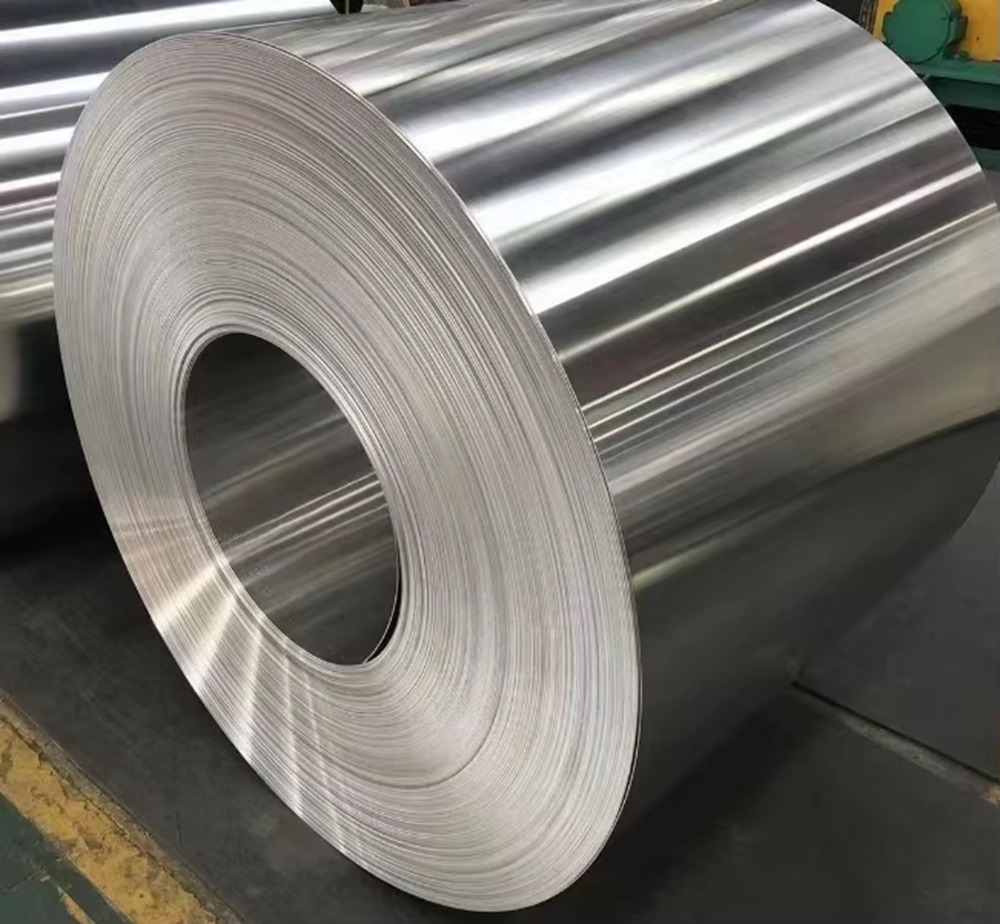 Compared to the more common this thing, provides superior resistance to pitting and crevice corrosion, especially in salty or acidic conditions. If you want a deeper understanding, check out What is 316 Stainless Steel Foil? for detailed insights into its composition and benefits.Key Properties of 316 Stainless Steel: