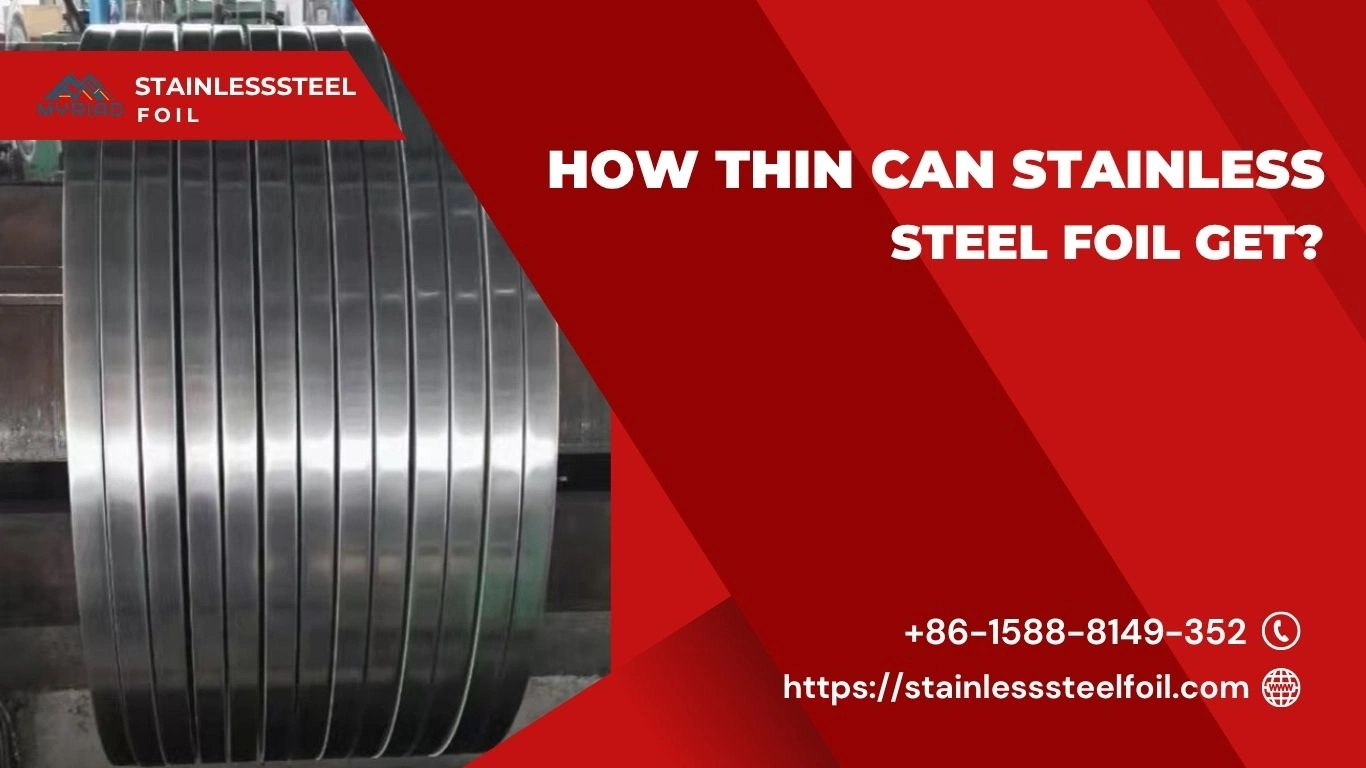
When people first encounter stainless steel foil, they often ask a simple but fascinating question: how thin can it actually get? The answer is more impressive than most expect.
Modern manufacturing has pushed the limits of material science to extraordinary levels. Today, stainless steel foil can be produced at thicknesses so fine they are measured in microns—thinner than a human hair. Yet, even at these extreme dimensions, it retains the core strengths that make stainless steel one of the most trusted engineering materials.
In this guide, we’ll explore just how thin stainless steel foil can go, what determines its limits, and how industries use these ultra-thin materials in real-world applications. If you want a foundational understanding of the material itself, this detailed overview of stainless steel explains its composition and properties.
What Is Stainless Steel Foil?
Stainless steel foil refers to flat-rolled stainless steel that is typically less than 0.2 mm thick. Unlike standard sheets or plates, foil is engineered for precision and flexibility.
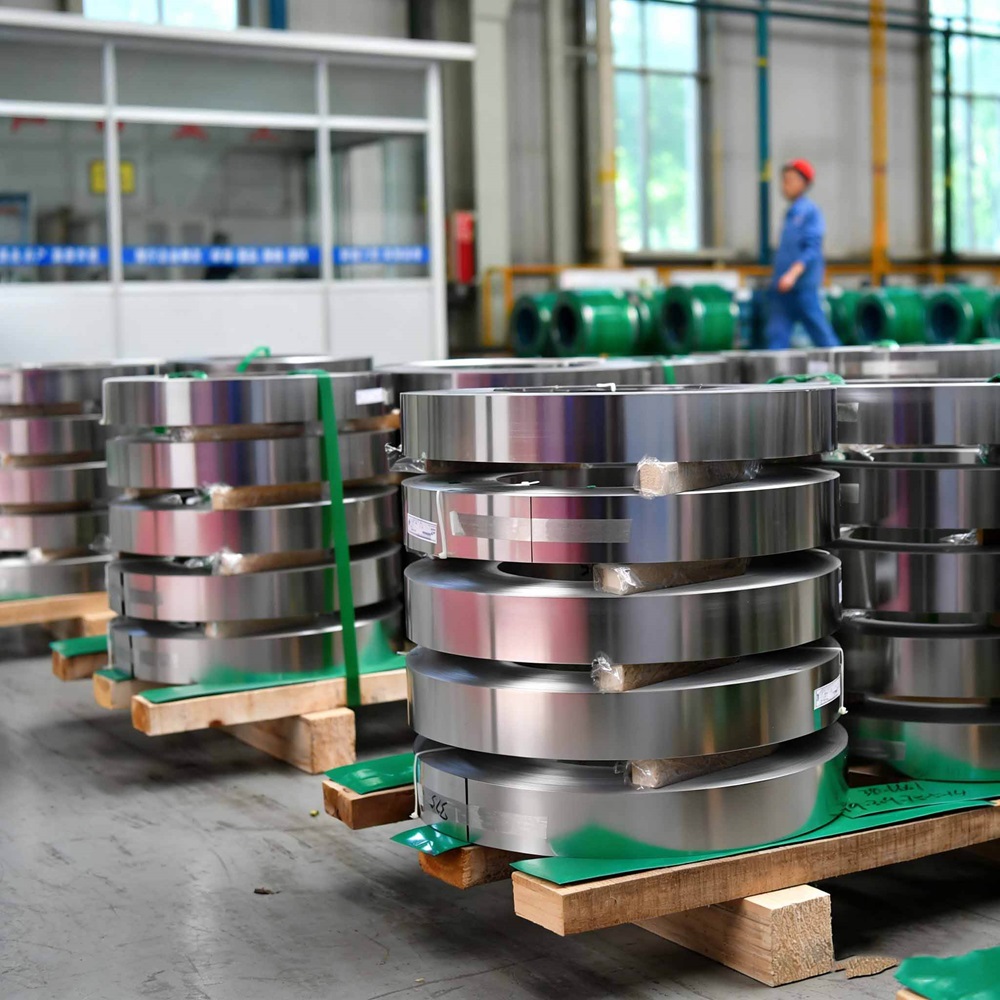
At this scale, even slight variations in thickness can affect performance. That’s why manufacturers use advanced rolling and finishing processes to achieve tight tolerances.
If you’re new to this material, you can explore a full introduction here: what is stainless steel foil
How Thin Can Stainless Steel Foil Get?
This is where things become truly interesting.
Today, stainless steel foil can be produced as thin as 0.005 mm (5 microns) in commercial applications. In some experimental or highly specialized environments, manufacturers have pushed even further, approaching 2–3 microns.
To put that into perspective:
- A human hair is about 70 microns thick
- Standard aluminum foil is around 16 microns
- Ultra-thin stainless steel foil can be as low as 5 microns
That means the thinnest stainless steel foil is over 10 times thinner than a human hair, yet significantly stronger than many alternative materials.
For real-world ultra-thin products, you can explore this example: 316L stainless steel foil ultrathin 0.01mm
Thickness Levels of Stainless Steel Foil
Understanding thickness helps you choose the right material for your application.
Standard Thickness Range
| Thickness (mm) | Microns | Category |
|---|---|---|
| 0.2 mm | 200 µm | Thin sheet |
| 0.1 mm | 100 µm | Standard foil |
| 0.05 mm | 50 µm | Thin foil |
| 0.02 mm | 20 µm | Ultra-thin foil |
| 0.01 mm | 10 µm | Precision foil |
| 0.005 mm | 5 µm | Micro foil |
The thinner the stainless steel foil, the more flexible and delicate it becomes. However, advanced alloys and treatments help maintain strength even at microscopic thicknesses.
What Determines How Thin Stainless Steel Foil Can Be?
Several factors influence the minimum achievable thickness of stainless steel foil.
Material Composition
Different grades behave differently under rolling stress. For example, 301 offers higher strength, while 304 provides better corrosion resistance.
Learn more about these grades:301 stainless steel foil,304 stainless steel foil
Rolling Technology
Modern cold rolling mills use high precision rollers to reduce thickness gradually. Each pass reduces thickness by a small margin.
To understand this in depth, visit: ultra thin stainless steel foil manufacturing process
Annealing and Heat Treatment
Annealing restores flexibility after rolling. Without it, the foil would become brittle and crack.
Surface Quality Requirements
Applications like electronics demand extremely smooth surfaces. This limits how thin the foil can go without defects.
Handling and Processing Limits
At extreme thinness, even minor handling errors can damage the foil. This creates practical limits for manufacturing and transportation.
Properties of Ultra-Thin Stainless Steel Foil
Even at just a few microns, stainless steel foil retains remarkable properties.
Strength and Durability
Despite its thinness, it maintains structural integrity.
Corrosion Resistance
Chromium forms a protective oxide layer that prevents rust.
Heat Resistance
It performs well under high temperatures.
Flexibility
Ultra-thin foil can bend and wrap without breaking.
Electrical Conductivity
It works well in shielding and electronic applications.
These properties make stainless steel foil superior to many alternative materials at similar thicknesses.
Applications of Ultra-Thin Stainless Steel Foil
Electronics and Micro Devices
Ultra-thin stainless steel foil is essential in:
- Flexible circuits
- EMI shielding
- Battery components
As electronics shrink, demand for thinner materials continues to rise.
Aerospace Engineering
Weight reduction is critical in aerospace. Thin foil provides insulation and heat resistance without adding bulk.
Medical Technology
The hygienic and corrosion-resistant nature of stainless steel foil makes it ideal for:
- Surgical tools
- Implants
- Sterile packaging
Energy Systems
In renewable energy, stainless steel foil is used in:
- Fuel cells
- Solar panels
- Heat exchangers
Industrial Manufacturing
Industries use stainless steel foil for:
- Gaskets and seals
- Filtration systems
- Chemical processing
Explore available materials here: stainless steel foil products precision stainless steel foil
Stainless Steel Foil vs Aluminum Foil
Although both are thin, they differ significantly.
| Feature | Stainless Steel Foil | Aluminum Foil |
|---|---|---|
| Strength | Very high | Moderate |
| Corrosion Resistance | Excellent | Good |
| Heat Resistance | High | Lower |
| Cost | Higher | Lower |
| Durability | Long-lasting | Short-term |
For high-performance applications, stainless steel foil is often the better choice.
Challenges of Producing Ultra-Thin Stainless Steel Foil
While the results are impressive, manufacturing ultra-thin foil is not easy.
Maintaining uniform thickness across large surfaces requires advanced equipment. Even minor inconsistencies can lead to defects.
Handling is another challenge. At 5 microns, the foil can wrinkle or tear easily.
Additionally, production costs increase significantly as thickness decreases. This is why ultra-thin stainless steel foil is typically used in high-value applications.
Industry Trends and Innovations
The future of stainless steel foil is closely tied to emerging technologies.
Electric vehicles are increasing demand for lightweight materials. Meanwhile, microelectronics are pushing the need for thinner and more precise components.
Manufacturers are now experimenting with nanotechnology. Some research focuses on producing foil below 5 microns for advanced applications.
To stay updated, visit the latest articles on the blog section
How to Choose the Right Stainless Steel Foil Thickness
Selecting the right thickness depends on your application.
Thicker foil works well for structural uses. Ultra-thin foil is better for precision tasks.
Consider the environment as well. High-temperature or corrosive settings require specific grades like 316L.
You can explore different options on the products page or directly visit the main site: stainless steel foil homepage
If you need expert advice, reach out through the contact page
Summary
Stainless steel foil can reach astonishing levels of thinness, going as low as 5 microns in commercial applications. Despite this, it retains strength, corrosion resistance, and flexibility.
This unique combination makes it indispensable in industries like electronics, aerospace, and energy. As technology advances, the demand for ultra-thin stainless steel foil will continue to grow, pushing the limits of what this remarkable material can achieve.
FAQs
How thin can stainless steel foil get in real applications?
In real-world use, stainless steel foil can reach thicknesses as low as 0.005 mm, depending on manufacturing capabilities.
Is ultra-thin stainless steel foil strong?
Yes, even this maintains high strength and durability due to its material properties.
What industries use ultra-thin stainless steel foil?
Industries such as electronics, aerospace, and medical fields rely heavily on stainless steel foil for precision applications.
Can stainless steel foil resist corrosion?
Stainless steel foil offers excellent corrosion resistance thanks to its chromium content and protective oxide layer.
Is stainless steel foil better than aluminum foil?
For high-performance uses, Stainless Steel Foil is stronger and more durable than aluminum foil.