Stainless steel coils are the backbone of countless modern industries. From architecture and automotive manufacturing to medical equipment and energy systems, these versatile metal products support infrastructure that demands strength, durability, and corrosion resistance. As global demand for high-performance materials continues to rise, understanding how stainless steel coils are produced helps buyers, engineers, and decision-makers choose the right material for long-term performance.
This Stainless Steel Coil Production Process Guide explains how stainless steel coils are manufactured, why each production stage matters, and how quality control ensures consistency. Along the way, we’ll explore real-world applications, industry trends, and sustainability considerations shaping the future of stainless steel coils.
For an overview of available products and specifications, you can explore the official stainless steel coil collection directly on the Stainless Steel Foil .
What Are Stainless Steel Coils and Why Are They Important?
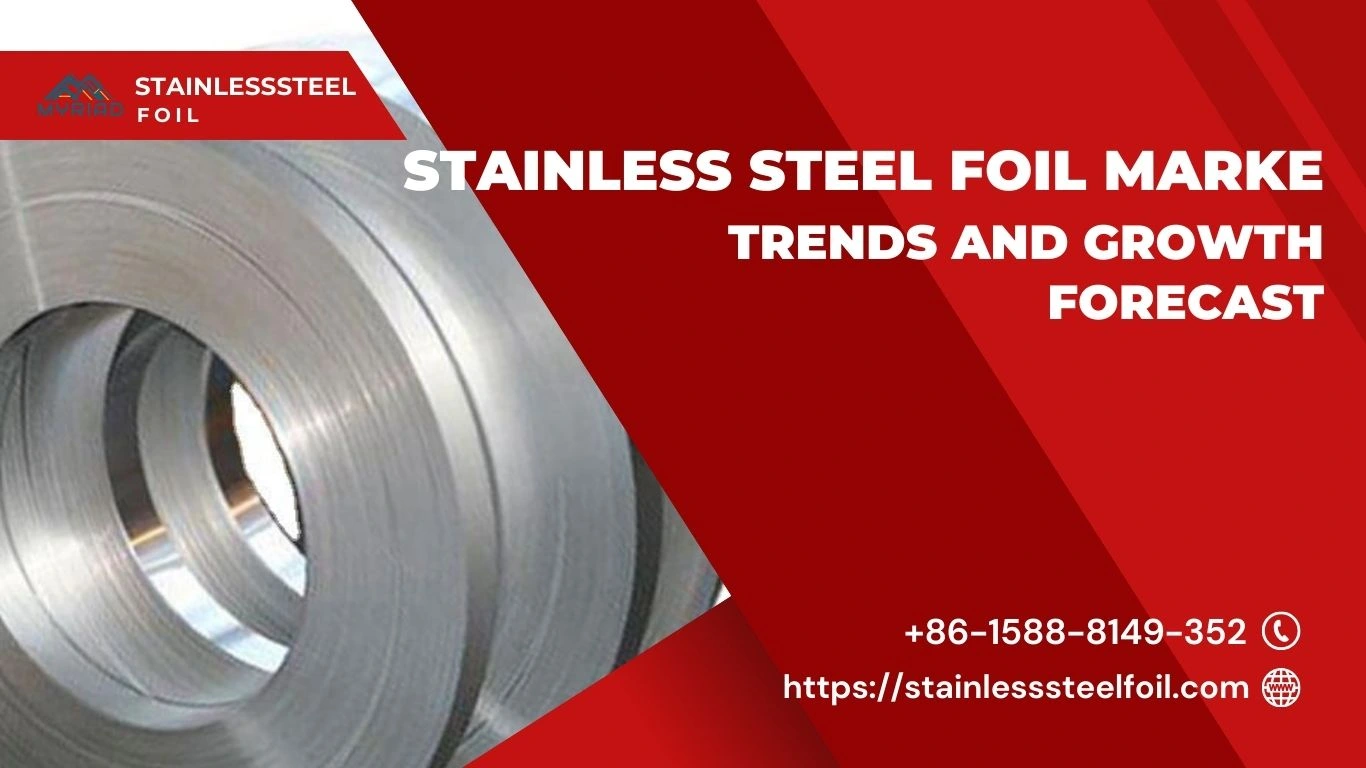
Stainless steel coils are continuous sheets of stainless steel rolled into coil form for ease of transportation, storage, and further processing. What sets stainless steel apart is its chromium content, which must exceed 10.5%. This chromium reacts with oxygen to form a thin, invisible oxide layer that protects the metal from rust and corrosion, even in harsh environments.
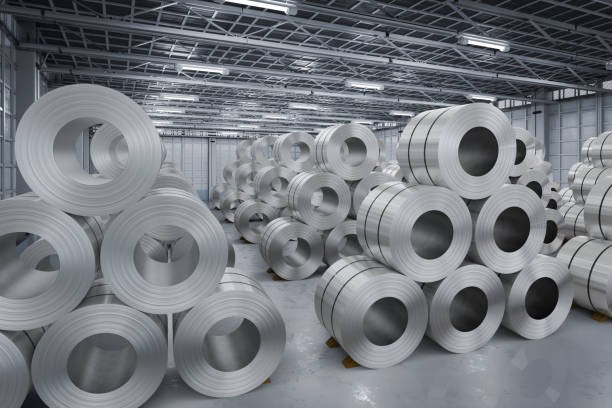
According to data summarized in Wikipedia’s stainless steel overview, global stainless steel production exceeds 55 million metric tons annually, with coils accounting for a major share due to their adaptability across industries.
Stainless steel coils combine strength, formability, temperature resistance, and visual appeal. These qualities make them essential for applications requiring both performance and longevity.
Raw Materials Used in Stainless Steel Coils
The quality of stainless steel coils begins with the careful selection of raw materials. While production methods vary slightly by manufacturer, the base components remain consistent.
Primary Alloying Elements
Iron serves as the foundation, while chromium provides corrosion resistance. Depending on the grade, additional elements such as nickel, molybdenum, manganese, and carbon are added to enhance strength, flexibility, or resistance to chemicals and heat.
Recycled stainless steel scrap plays an increasingly important role in modern production. In fact, more than 60% of stainless steel worldwide is produced from recycled content, making stainless steel coils one of the most sustainable metal products available today.
Before any shaping occurs, raw materials undergo chemical analysis to confirm precise composition. Maintaining tight tolerances at this stage ensures predictable mechanical properties in the finished stainless steel coils.
Stainless Steel Coil Production Process Explained
Understanding the stainless steel coil production process helps buyers evaluate quality, performance, and suitability for specific applications. Each stage contributes directly to the final product’s strength, surface finish, and dimensional accuracy.
Melting and Refining
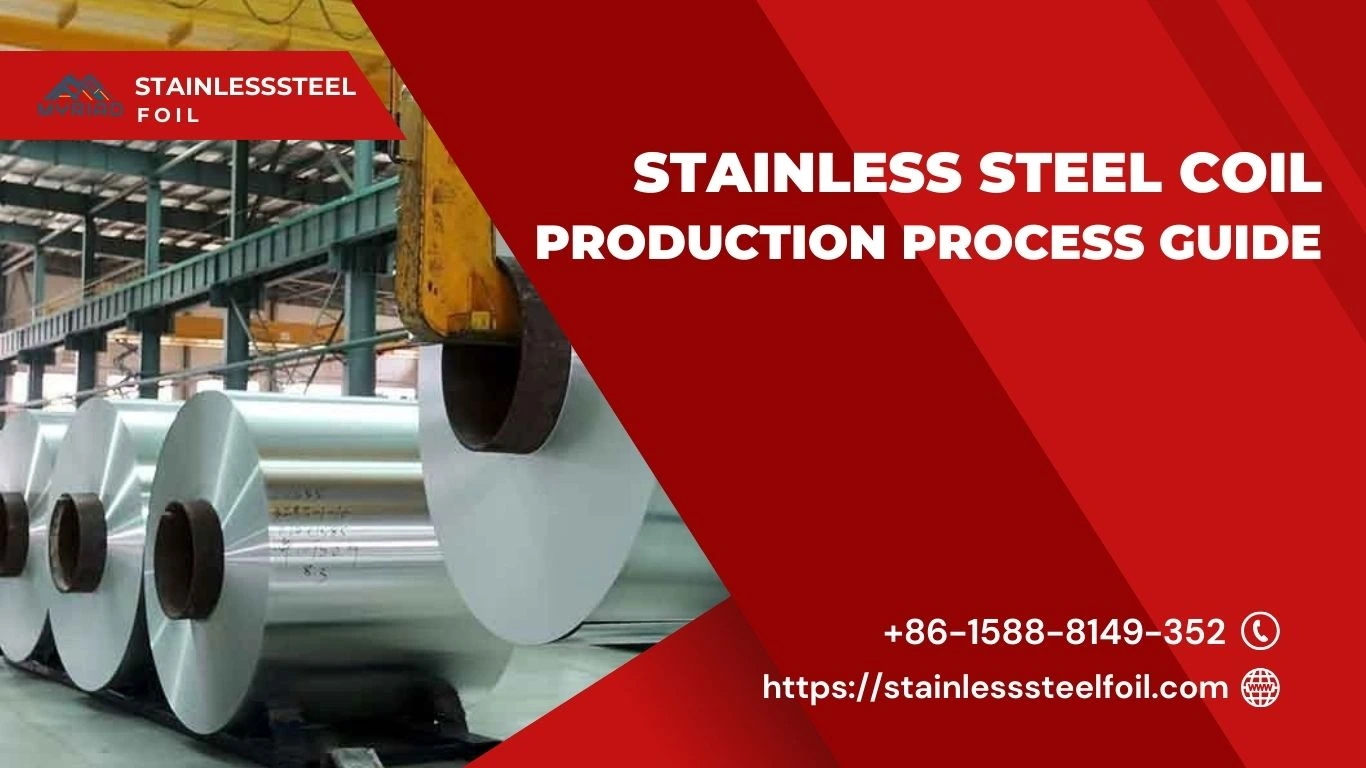
Production begins in electric arc furnaces or induction furnaces, where raw materials are melted at temperatures exceeding 1,600°C. Advanced refining techniques remove unwanted impurities such as sulfur and phosphorus, which can weaken stainless steel coils over time.
Precise temperature control during melting improves alloy consistency and reduces defects in later processing stages.
Casting Into Slabs or Billets
Once molten steel reaches the correct chemical composition, it is cast into semi-finished forms such as slabs or billets. Continuous casting technology improves yield while minimizing internal defects.
These slabs become the foundation for future rolling operations and must meet strict internal quality standards before proceeding.
Hot Rolling: Shaping the Coil
Hot rolling transforms thick slabs into thinner sheets by passing them through rolling mills at elevated temperatures. This process reduces thickness while improving grain structure and mechanical strength.
After hot rolling, stainless steel coils undergo pickling to remove surface scale formed during high-temperature processing. Pickling enhances surface cleanliness and prepares the material for further finishing.
Hot-rolled stainless steel coils are widely used in construction, pressure vessels, and structural applications where surface appearance is less critical.
Cold Rolling for Precision and Finish
Cold rolling refines hot-rolled stainless steel coils by further reducing thickness at room temperature. This stage improves surface smoothness, dimensional accuracy, and tensile strength.
Cold-rolled stainless steel coils are commonly used in:
- Appliances
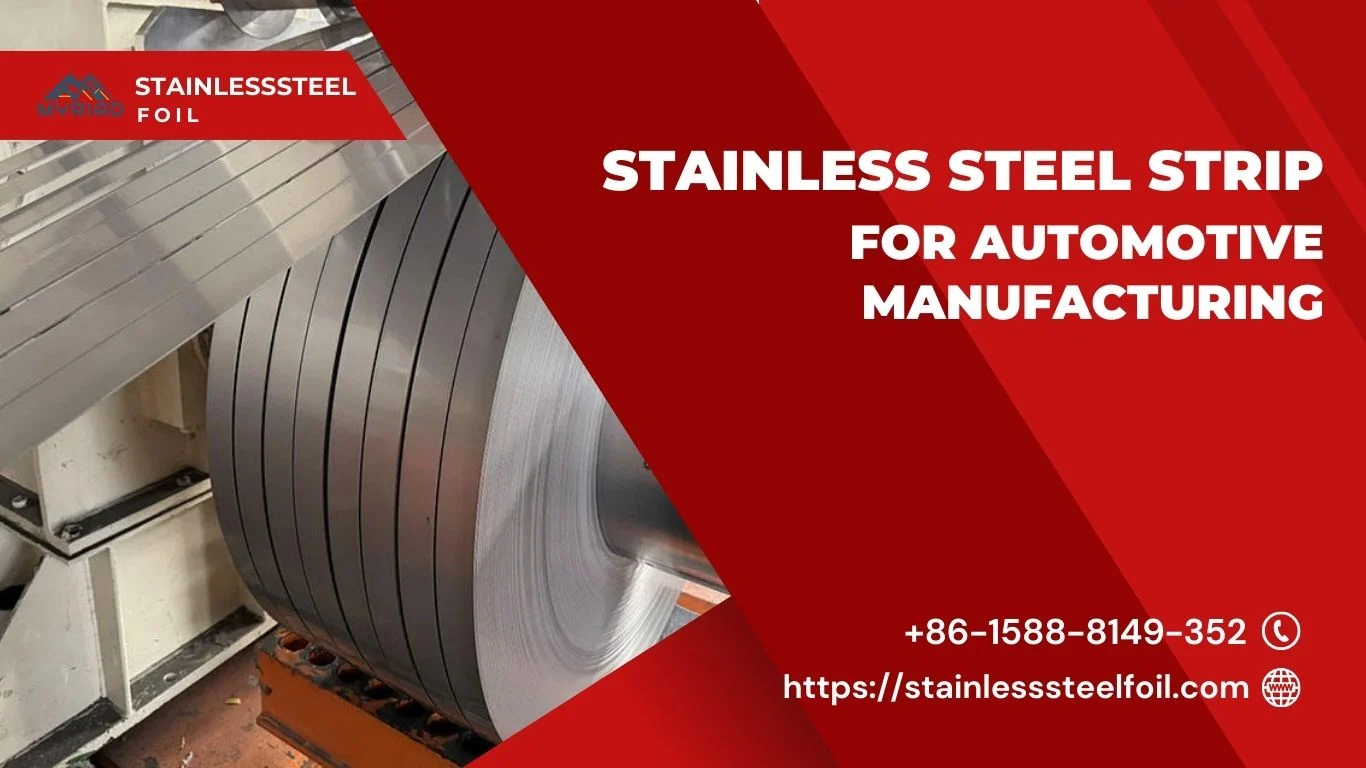
- Automotive panels
- Medical equipment
- Electronics housings
Many premium products available at the stainless steel foil product collection originate from cold-rolled coils due to their superior finish and consistency.
Annealing and Surface Treatment
Cold rolling increases hardness, so annealing is required to restore ductility. During annealing, coils are heated in controlled atmospheres and then cooled carefully.
Surface treatments may follow, including polishing or finishing processes that enhance corrosion resistance and appearance. For specialized applications, stainless steel foil and stainless steel strip products are derived at this stage through further rolling and slitting.
You can learn more about these forms at the stainless steel foil page and the stainless steel strip product section.
Slitting, Cutting, and Final Inspection
The final production stage customizes stainless steel coils to customer specifications. Coils are slit to precise widths or cut into sheets, depending on end-use requirements.
Automated inspection systems check thickness, surface quality, and edge condition. Only coils that meet strict standards proceed to packaging and shipment.
Stainless Steel Coil Grades and Their Applications
Different grades of stainless steel coils serve different industries. Selection depends on environmental exposure, mechanical demands, and cost considerations.
304 Stainless Steel Coils
Grade 304 is the most widely used stainless steel. It offers excellent corrosion resistance, good formability, and affordability. These coils are commonly used in food processing equipment, kitchen appliances, and architectural components.
316 Stainless Steel Coils
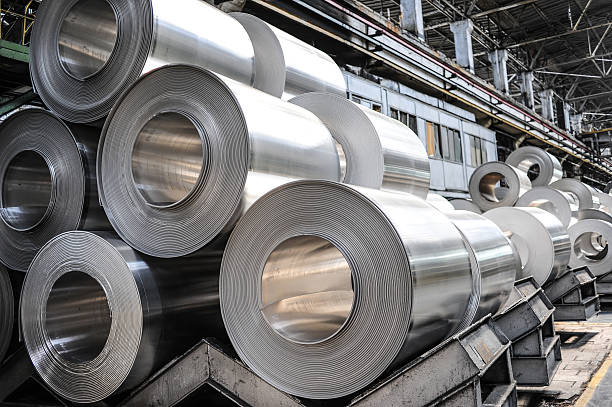
When superior corrosion resistance is required, especially in marine or chemical environments, 316 stainless steel coils are preferred. The addition of molybdenum improves resistance to chlorides and acids.
For demanding applications, explore the dedicated 316 stainless steel coil product page.
301 Stainless Steel Coils
301 stainless steel coils provide high strength after cold working and are often used in springs, fasteners, and structural components. If you want a deeper technical explanation, the guide on what is 301 stainless steel foil offers valuable insight.
Industrial Applications of Stainless Steel Coils
The versatility of stainless steel coils allows them to support industries with vastly different performance demands.
In construction, stainless steel coils reinforce façades, roofing systems, and sustainable architecture solutions. Their long service life reduces maintenance costs while supporting eco-friendly building practices, as explained in the sustainable architecture impact guide.
Manufacturing industries rely on stainless steel coils for machinery housings, storage tanks, and conveyor systems. In healthcare, coils are processed into surgical instruments and sterile medical devices.
Energy, transportation, and electronics sectors also depend on stainless steel coils for durability under extreme conditions.
Sustainability and Environmental Benefits
Sustainability is no longer optional in metal production. Stainless steel coils offer a compelling environmental profile due to their recyclability and long lifespan.
Unlike coated metals, stainless steel does not require additional protective layers that can degrade over time. This reduces environmental impact across the entire lifecycle.
According to industry studies, stainless steel can be recycled indefinitely without losing performance. This circular economy advantage makes stainless steel coils a preferred choice for green construction and responsible manufacturing.
Quality Standards and Certifications
High-quality stainless steel coils must comply with international standards such as ASTM, EN, and JIS. These standards define chemical composition, mechanical properties, and dimensional tolerances.
Stainless steel Reliable coils suppliers publish detailed technical specifications and provide traceability documentation. When sourcing stainless steel coils, working with an established manufacturer ensures consistency across large production volumes.
For product inquiries or custom requirements, contacting the Stainless Steel Foil team directly is always recommended.
Future Trends in Stainless Steel Coil Manufacturing
The stainless steel industry continues to evolve. Automation, AI-driven inspection systems, and low-emission furnaces are reshaping production efficiency.
At the same time, demand for high-performance stainless steel coils is rising in renewable energy, electric vehicles, and smart infrastructure. Manufacturers are investing heavily in research to improve strength-to-weight ratios while reducing energy consumption.
These trends suggest a strong future for stainless steel coils as industries seek materials that balance performance, sustainability, and cost efficiency.
Frequently Asked Questions About Stainless Steel Coils
What makes stainless steel coils corrosion resistant?
Stainless steel coils resist corrosion due to their chromium content, which forms a protective oxide layer that shields the metal from moisture and oxygen.
Are stainless steel coils suitable for outdoor use?
Yes, stainless steel coils perform exceptionally well outdoors, especially grades like 304 and 316 that resist rust in humid and coastal environments.
How are stainless steel coils different from sheets?
Stainless steel coils are continuous rolled products, while sheets are cut sections derived from coils for easier handling and fabrication.
Which industries use stainless steel coils the most?
Construction, automotive, medical, energy, and food processing industries rely heavily on stainless steel coils for durability and hygiene.
Can stainless steel coils be recycled?
Absolutely. Stainless steel coils are 100% recyclable and often contain a high percentage of recycled material.
Final Summary
Stainless steel coils remain one of the most essential materials in modern manufacturing and construction. Their production process, from raw material selection to final inspection, ensures strength, corrosion resistance, and long-term reliability. With diverse grades, wide industrial applications, and strong sustainability credentials, stainless steel coils continue to shape the future of global infrastructure and innovation.
To explore available options, visit the full stainless steel product range or contact the team for expert guidance.