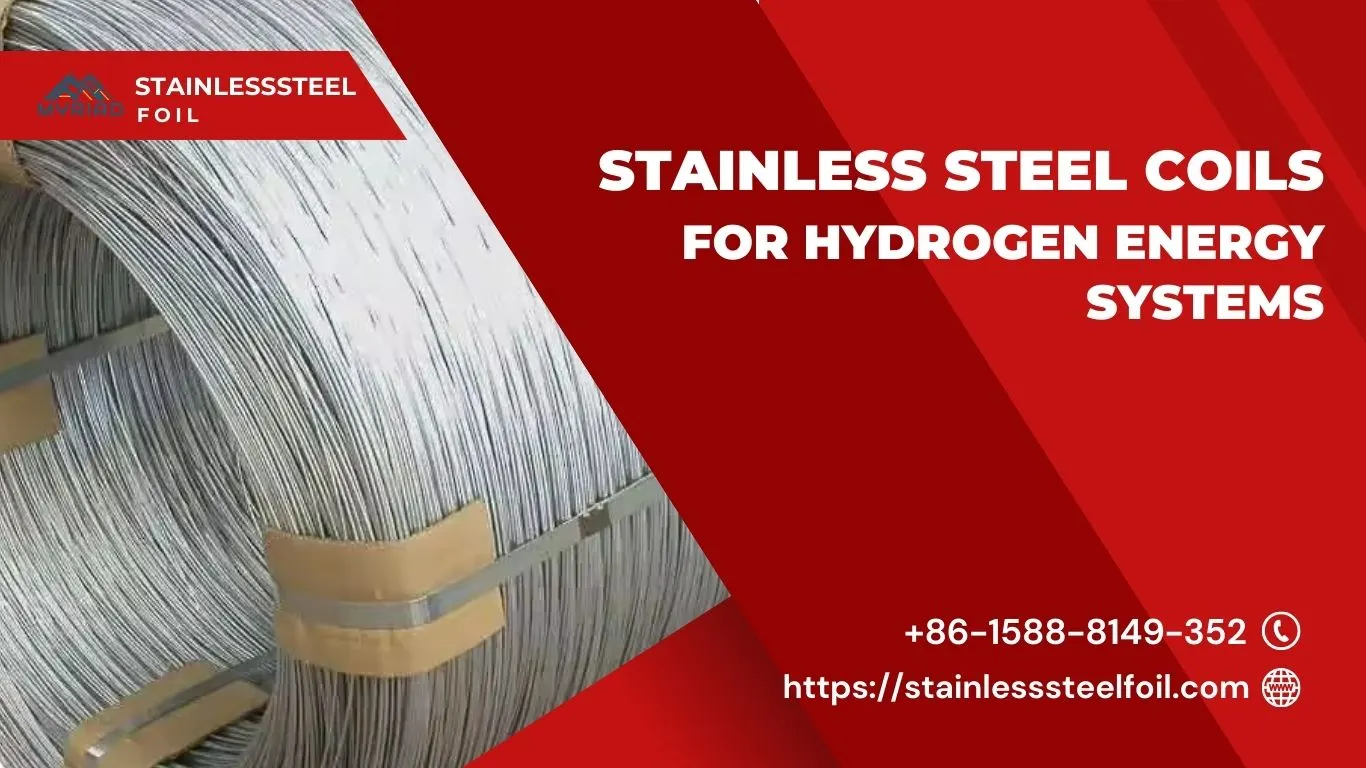
As the world steadily shifts toward cleaner and more sustainable energy sources, hydrogen energy has emerged as one of the most promising solutions. However, behind every successful hydrogen system lies a network of carefully engineered materials. Among them, Stainless Steel Coils guide play a vital and often overlooked role.
From hydrogen storage tanks to pipelines and electrolyzers stainless steel coils ensure safety, durability, and long-term efficiency. Therefore, understanding their importance is essential for engineers, investors, manufacturers, and sustainability advocates alike.
In this comprehensive guide, we will explore how Stainless Steel Coils support hydrogen energy systems, why they are preferred over other materials, and how businesses can leverage them for long-term success.
The Role of Stainless Steel Coils in Hydrogen Energy Systems
Before diving deeper, it is important to understand why material selection matters so much in hydrogen infrastructure.
Hydrogen is the smallest and lightest element in the universe. Because of this, it easily penetrates many materials. Over time, this penetration can weaken metals, leading to leaks, cracks, and failures.
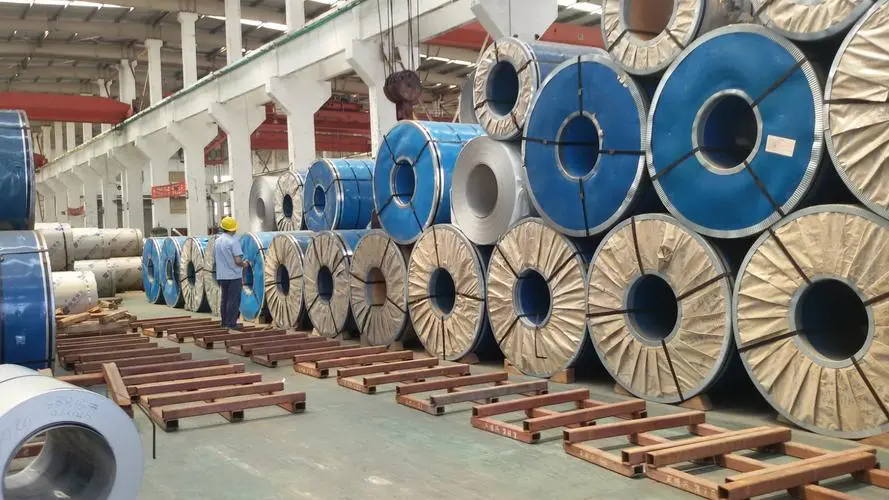
This phenomenon, known as hydrogen embrittlement, poses a serious risk in energy systems. Fortunately, high-quality Stainless Steel Coils are designed to resist this effect.
As explained in the detailed overview on stainless steel properties and applications, stainless steel contains chromium, which forms a protective oxide layer. This layer prevents corrosion and reduces material degradation.
Consequently, Stainless Steel Coils become a natural choice for hydrogen-related applications.
Why Stainless Steel Coils Are Ideal for Hydrogen Infrastructure
Superior Resistance to Hydrogen Embrittlement
First and foremost, hydrogen embrittlement can compromise structural integrity. However, certain stainless steel grades, especially austenitic types, offer excellent resistance.
Because of their microstructure, these coils maintain strength even under prolonged hydrogen exposure. As a result, equipment remains reliable for decades.
Exceptional Corrosion Protection
Hydrogen systems often operate in harsh environments. Moisture, temperature fluctuations, and chemical exposure are common.
Thankfully, Stainless Steel Coils form a passive chromium oxide layer. This layer protects the metal from rust and corrosion. Therefore, maintenance costs remain low.
To learn more about sustainable applications, you can explore this resource on stainless steel coils in renewable infrastructure.
High Mechanical Strength
Hydrogen storage requires high-pressure vessels. These vessels must withstand extreme stress.
Stainless Steel Coils provide excellent tensile strength and fatigue resistance. This makes them suitable for high-pressure pipelines and tanks.
Long Service Life
Because of their durability, Stainless Steel Coils offer extended service life. Over time, this reduces replacement costs and minimizes operational disruptions.
In the long run, this durability supports both economic and environmental sustainability.
Key Applications of Stainless Steel Coils in Hydrogen Energy Systems
Hydrogen Production Units
Electrolyzers use electricity to split water into hydrogen and oxygen. These devices rely on stainless steel components to prevent corrosion and contamination.
High-quality coils ensure stable performance under continuous operation.
Hydrogen Storage Tanks
Storage tanks must safely contain hydrogen at extremely high pressures. Stainless Steel Coils are used to manufacture tank shells and liners.
Their strength prevents deformation and leakage, even under repeated filling cycles.
Transportation Pipelines
Transporting hydrogen over long distances requires robust pipelines. Because hydrogen molecules are extremely small, leakage is a major concern.
However, properly processed Stainless Steel Coils minimize permeability and maintain pipeline integrity.
Fuel Cell Systems
Fuel cells convert hydrogen into electricity. Their internal components often use stainless steel sheets and coils for bipolar plates and casings.
These materials improve efficiency while resisting chemical reactions.
Manufacturing Process of Stainless Steel Coils for Energy Applications
The production quality of coils directly affects system performance. Therefore, manufacturers follow precise procedures.
A detailed explanation is available in this guide on the stainless steel coil manufacturing process.
Step 1: Raw Material Selection
Manufacturers begin with high-purity iron ore, chromium, and nickel. These elements determine corrosion resistance and strength.
Step 2: Melting and Casting
The raw materials are melted in electric arc furnaces. Then, molten steel is cast into slabs.
Step 3: Hot Rolling
Slabs pass through rolling mills at high temperatures. This step shapes them into thick sheets.
Step 4: Cold Rolling
After cooling, sheets undergo cold rolling. This process enhances surface finish and dimensional accuracy.
Recent market trends show production changes, as discussed in this report on China’s cold-rolled stainless steel production.
Step 5: Annealing and Pickling
Heat treatment restores ductility. Pickling removes surface impurities.
Step 6: Finishing and Inspection
Finally, coils are polished, inspected, and tested for quality.
For a more comprehensive overview, visit this stainless steel coil production guide.
Popular Grades of Stainless Steel Coils Used in Hydrogen Systems
Different hydrogen applications require different grades.
| Grade | Composition | Key Features | Typical Use |
|---|---|---|---|
| 304 | 18% Cr, 8% Ni | Good corrosion resistance | General piping |
| 316 | 16% Cr, 10% Ni, Mo | Superior corrosion resistance | Storage tanks |
| 321 | Titanium stabilized | High-temperature stability | Heat exchangers |
| 904L | High nickel | Extreme corrosion resistance | Chemical plants |
Among these, 316 grade is particularly popular. You can explore product specifications at 316 Stainless Steel Coil.
Environmental Benefits of Using Stainless Steel Coils
Sustainability is a core objective of hydrogen energy. Material choice directly affects environmental impact.
Recyclability
Stainless steel is 100% recyclable. Old coils can be melted and reused without losing quality.
Reduced Carbon Footprint
Although initial production consumes energy, long service life reduces replacement frequency.
More insights are available in this article on the environmental benefits of stainless steel coil.
Support for Circular Economy
Recycling supports a circular economy, minimizing waste and conserving resources.
Market Trends and Global Demand
The global hydrogen market continues to grow rapidly. According to industry estimates, hydrogen demand could reach 500 million tons annually by 2050.
As demand rises, the need for Stainless Steel Coils also increases.
Market fluctuations can be observed in reports such as this analysis of 304 cold-rolled coil pricing.
Manufacturers who adapt quickly will gain a competitive advantage.
Choosing the Right Supplier for Stainless Steel Coils
Selecting the right supplier is crucial for long-term project success.
When evaluating vendors, consider:
- Certification and quality standards
- Production capacity
- Customization options
- Delivery timelines
- After-sales support
You can explore a wide range of products at the stainless steel products section. For expert guidance, visiting the official website is highly recommended.
How Stainless Steel Coils Support Consumer and Industrial Applications
Beyond hydrogen systems, stainless steel coils serve multiple industries.
Examples include:
- Automotive manufacturing
- Construction
- Consumer electronics
- Medical equipment
A detailed overview can be found in this guide on stainless steel coil consumer goods uses.
This versatility further strengthens their market position.
Future Outlook: Stainless Steel Coils and Green Hydrogen
Green hydrogen, produced using renewable energy, represents the future of clean energy.
As investment in solar and wind power increases, electrolyzer capacity will expand. Consequently, demand for Stainless Steel Coils will rise.
Innovations in alloy composition, surface treatments, and manufacturing automation will further enhance performance.
In addition, smart monitoring systems will improve quality control. Together, these developments will redefine hydrogen infrastructure.
Summary
Stainless Steel Coils form the backbone of modern hydrogen energy systems. Their corrosion resistance, mechanical strength, recyclability, and long lifespan make them indispensable.
From production and storage to transportation and fuel cells, these coils ensure safety, efficiency, and sustainability.
As the world transitions toward cleaner energy, investing in high-quality stainless steel materials will remain a strategic priority for businesses and governments alike Stainless Steel Coils guide. Get for more information visit Stainless Steel foil and contact us.
FAQs
Why are Stainless Steel Coils important for hydrogen storage systems?
Stainless Steel Coils provide high strength and corrosion resistance, ensuring hydrogen storage tanks remain safe, durable, and leak-resistant over long periods.
Which grade of Stainless Steel Coils is best for hydrogen pipelines?
Generally, 316 Stainless Steel Coils are preferred for pipelines because they offer superior resistance to corrosion and hydrogen-related degradation.
Are Stainless Steel Coils environmentally friendly?
Yes, Stainless Steel Coils guide are fully recyclable and support sustainable manufacturing practices, making them ideal for green energy systems.
How long do Stainless Steel Coils last in hydrogen systems?
With proper maintenance, Stainless Steel Coils can last 30 to 50 years, even in demanding hydrogen environments.
Can Stainless Steel Coils resist hydrogen embrittlement?
Stainless Steel Coils guide, especially austenitic grades, offer strong resistance to hydrogen embrittlement.
Where can I purchase certified Stainless Steel Coils?
You can source certified Stainless Steel Coils directly from reputable suppliers such as stainlesssteelfoil.com.