Modern manufacturing,essential Stainless Steel Foil Sheet Cutting plays a critical role in industries ranging from aerospace to medical devices. As stainless steel foils become thinner and more specialized, the need for precise cutting methods and tight tolerances has never been greater.
Whether you are sourcing ultra-thin material for electronics or preparing precision components for industrial applications, understanding cutting techniques helps you reduce waste, improve consistency, and maintain performance standards.
Stainless steel itself is known for its corrosion resistance, strength, and versatility. According to Wikipedia’s explanation of stainless steel, its chromium content (minimum 10.5%) provides superior resistance to rust and oxidation. When this alloy is processed into foil form—often below 0.2 mm in thickness—cutting accuracy becomes far more complex.
If you are new to stainless steel foils, you can explore a detailed overview here: what is stainless steel foils
This article provides an in-depth guide to essential Stainless Steel Foil Sheet Cutting, including cutting methods, tolerances, equipment, challenges, and quality control considerations.
Stainless Steel Foil Before Cutting
Before diving into cutting methods, it’s important to understand the material itself.
Stainless steel foil is significantly thinner than standard sheet metal. In many industrial applications, foil thickness ranges from 0.001 mm to 0.1 mm. Because of this thin profile, even small cutting errors can result in distortion, burr formation, or dimensional inaccuracies.
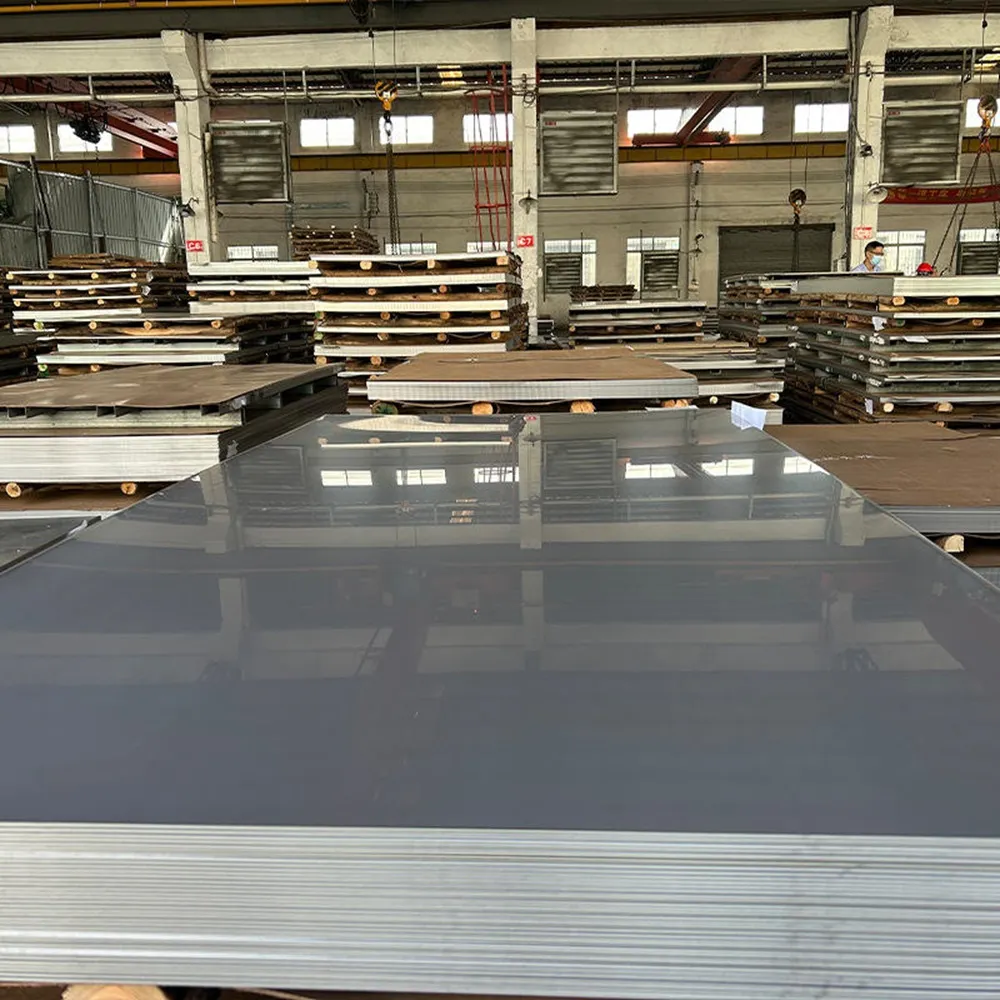
At stainless steel foil, you can explore different grades and specifications of stainless steel foils designed for industrial precision.
Common grades used in foil form include:
- 304 stainless steel
- 316 stainless steel
- 430 stainless steel
Each grade responds differently during Stainless Steel Foil Sheet Cutting due to variations in hardness and ductility.
Why Stainless Steel Foil Sheet Cutting Requires Precision
Cutting stainless steel foil is not the same as cutting standard sheet metal. The thinner the material, the higher the risk of:
- Edge distortion
- Micro-tearing
- Burr formation
- Heat warping
- Surface scratches
For example, in electronics manufacturing, even a ±0.02 mm variation can impact conductivity or assembly alignment.
Therefore, manufacturers must choose cutting techniques that match:
- Thickness
- Grade
- End-use application
- Required tolerance range
Main Methods of Stainless Steel Foil Sheet Cutting
Different industries use different cutting processes depending on production volume and precision requirements. Below are the most common methods.
Mechanical Shearing
Mechanical shearing is one of the oldest and most widely used methods in Stainless Steel Foil Sheet Cutting.
How It Works
Two blades pass each other in a scissor-like motion. The top blade moves downward while the bottom blade remains stationary.
Advantages
- Cost-effective
- Fast production speed
- Ideal for straight-line cuts
- Suitable for medium to high volumes
Limitations
- May produce burrs
- Limited for intricate shapes
- Requires precise blade clearance
For thin stainless steel foil, blade clearance must be extremely tight—usually 5–10% of material thickness—to prevent edge damage.
Mechanical shearing is commonly used when preparing stock from steel foil sheet for secondary processing.
Slitting
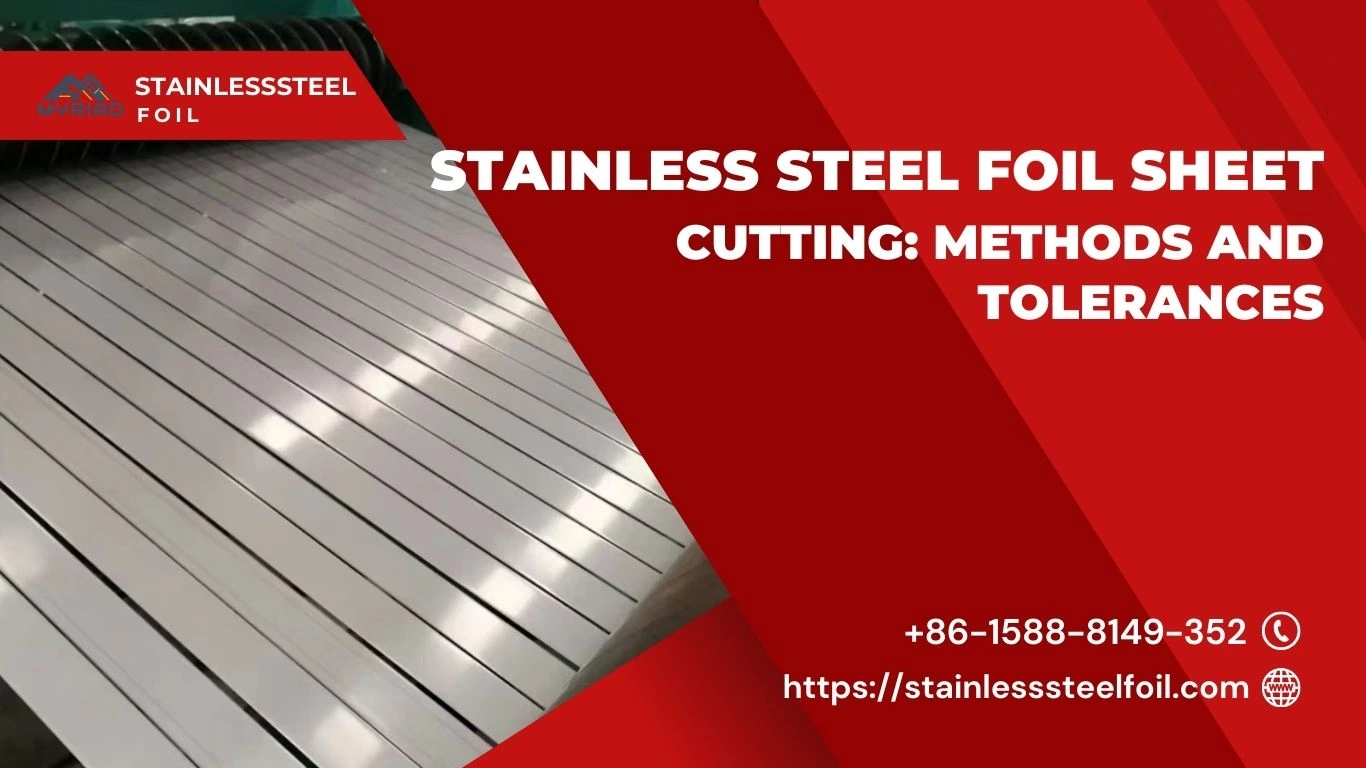
Slitting is a specialized form of Stainless Steel Foil Sheet Cutting used to divide large coils into narrower strips.
Process Overview
Rotary knives cut the foil while it feeds continuously through the machine.
Typical Tolerances
| Thickness | Width Tolerance |
|---|---|
| 0.05 mm | ±0.02 mm |
| 0.1 mm | ±0.03 mm |
| 0.2 mm | ±0.05 mm |
Slitting offers high-speed output and consistent strip widths, which makes it popular in automotive and battery production industries.
If you are sourcing pre-cut strips, review options available in the stainless steel foil products section.
Laser Cutting
Laser cutting has transformed Stainless Steel Foil Sheet Cutting by enabling complex geometries with minimal mechanical stress.
How It Works
A high-powered laser beam melts or vaporizes material along a programmed path.
Advantages
- Extremely precise
- Minimal physical contact
- Ideal for complex shapes
- Reduced tool wear
Considerations
- Heat-affected zone (HAZ)
- Higher operational cost
- Requires expert calibration
For ultra-thin foil, fiber lasers are preferred because they produce a narrower beam and less thermal distortion.
Laser cutting can achieve tolerances as tight as ±0.01 mm under controlled conditions.
Waterjet Cutting
Waterjet cutting uses high-pressure water mixed with abrasives to slice through metal.
Benefits
- No heat distortion
- Clean edges
- Suitable for sensitive materials
However, in Stainless Steel Foil Sheet Cutting, waterjet is less common for ultra-thin foil because the force of the water stream may cause flexing.
It works best for thicker foil sheets above 0.3 mm.
Die Cutting and Stamping
For high-volume manufacturing, die cutting provides consistency and speed.
Best Used For
- Gaskets
- Washers
- Medical components
- Electronic contacts
Once the die is fabricated, Stainless Steel Foil Sheet Cutting through stamping delivers excellent repeatability.
However, tooling costs are high initially.
Comparing Cutting Methods
| Method | Precision | Speed | Cost | Best For |
|---|---|---|---|---|
| Shearing | Medium | High | Low | Straight cuts |
| Slitting | High | Very High | Medium | Narrow strips |
| Laser | Very High | Medium | High | Complex shapes |
| Waterjet | High | Low | High | Heat-sensitive |
| Die Cutting | Very High | Very High | High setup | Mass production |
Choosing the right essential Stainless Steel Foil Sheet Cutting method depends on application, budget, and volume.
Tolerances in Stainless Steel Foil Sheet Cutting
Tolerance refers to acceptable variation in dimensions.
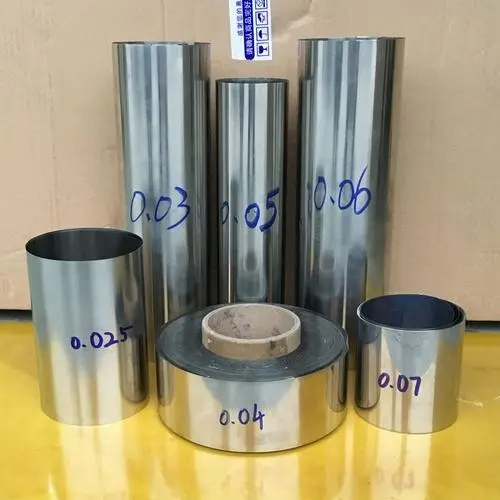
In precision industries, tolerances are often categorized as:
- Standard tolerance: ±0.05 mm
- Precision tolerance: ±0.02 mm
- Ultra-precision tolerance: ±0.01 mm
Several factors affect tolerances:
Material Thickness
Thinner foil demands tighter blade alignment.
Machine Calibration
Even slight misalignment impacts Stainless Steel Foil Sheet Cutting accuracy.
Operator Skill
Experienced technicians reduce defects significantly.
Material Grade
Harder alloys like 301 stainless steel respond differently than softer 304 grades.
For buyers wondering where to source tight-tolerance material, visit: where to buy stainless steel sheet
Surface Finish Considerations During Cutting
Surface integrity is as important as dimensional accuracy.
Common finishes include:
- 2B finish
- BA (Bright Annealed)
- Matte finish
During Stainless Steel Foil Sheet Cutting, improper handling can scratch or contaminate the surface.
Protective films are often applied before cutting to prevent damage.
Quality Control in Stainless Steel Foil Sheet Cutting
Quality assurance involves several inspection methods:
Micrometer Measurements
Digital calipers verify thickness and width.
Optical Inspection
Magnification identifies micro-burrs or edge cracks.
Laser Scanning Systems
Advanced production lines integrate real-time measurement systems.
According to industry data, automated inspection systems can reduce rejection rates by up to 30% compared to manual inspection.
Applications Requiring Precision Cutting
Stainless steel foils are used in:
Electronics
Medical instruments
Aerospace components
Automotive battery systems
Food processing equipment
Learn more about industry uses here:use of stainless steel foils
Each application demands specific standards in Stainless Steel Foil Sheet Cutting.
For example:
Medical components require burr-free edges.
Aerospace parts demand consistent tolerances.
Battery tabs require high conductivity and clean edges.
Challenges in Stainless Steel Foil Sheet Cutting
Even advanced systems face challenges.
Burr Formation
Occurs due to incorrect blade clearance.
Edge Roll-Over
Happens when blades are dull.
Heat Distortion
Common in poorly calibrated laser systems.
Material Springback
Thin foil may slightly deform after cutting.
Professional manufacturers mitigate these risks through proper tool maintenance and advanced automation.
If you are unsure which solution fits your needs, consult experts via: contact us
Environmental and Cost Considerations
Modern Stainless Steel Foil Sheet Cutting operations aim to reduce scrap and energy consumption.
Laser cutting offers high efficiency but consumes more electricity.
Mechanical methods produce minimal energy waste but may generate more scrap.
Recycling stainless steel scrap reduces raw material costs by up to 40% compared to virgin material processing.
Choosing the Right Supplier
Selecting a reliable supplier ensures:
Consistent thickness
Proper edge quality
Certified material grades
On-time delivery
You can explore certified options and detailed product specifications at: products stainless steel foil. Additionally, staying updated with technical insights through stainless steel foil blog can help you make informed decisions.
Future Trends in Stainless Steel Foil Sheet Cutting
Industry 4.0 is reshaping Stainless Steel Foil Sheet Cutting.
Emerging trends include:
AI-based cutting optimization
Automated defect detection
Ultra-fast fiber lasers
Nano-precision slitting systems
As industries demand lighter, thinner materials, cutting technology will continue evolving.
Summary
Stainless Steel Foil Sheet Cutting is a specialized process requiring precision, expertise, and the right technology. From mechanical shearing and slitting to laser and die cutting, each method offers unique advantages. Tolerances vary based on thickness, grade, and end-use application.
Choosing the right cutting method and supplier ensures clean edges, tight tolerances, and reliable performance. As industries evolve, precision cutting technology continues to advance, delivering better accuracy and efficiency. For premium stainless steel foil products and expert guidance, visit: stainless steel foil and contact us.
FAQs
What is the most precise method for Stainless Steel Foil Sheet Cutting?
Laser cutting generally provides the highest precision in essential Stainless Steel Foil Sheet Cutting, achieving tolerances as tight as ±0.01 mm under controlled conditions.
How thin can stainless steel foil be cut accurately?
Stainless Steel Foil Sheet Cutting can handle materials as thin as 0.01 mm with specialized equipment and precise calibration.
Does laser cutting affect the strength of stainless steel foil?
If not properly calibrated, heat from Stainless Steel Foil Sheet Cutting via laser may create a small heat-affected zone. However, modern fiber lasers minimize this issue.
What tolerance is acceptable in industrial applications?
Most essential Stainless Steel Foil Sheet Cutting operations maintain tolerances between ±0.02 mm and ±0.05 mm, depending on industry requirements.
Where can I buy precision-cut stainless steel foil?
You can source high-quality material prepared for Stainless Steel Foil Sheet Cutting at stainless steel foil.