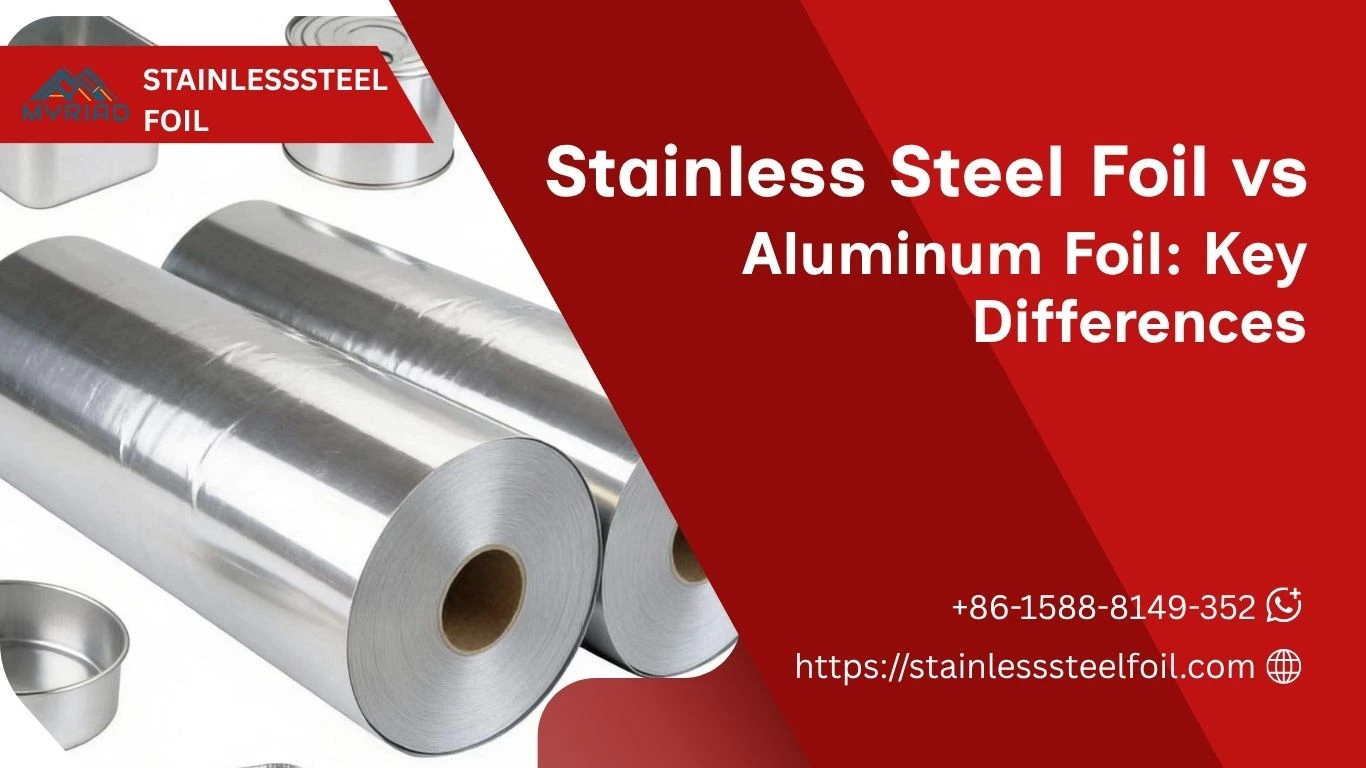
When it comes to thin metal materials used in industries, kitchens, and engineering applications, two options dominate the conversation: stainless steel foil and aluminum foil. While both serve similar purposes at a glance, their properties, performance, and applications differ significantly.
Understanding these differences is crucial if you want to make the right choice for your project. Whether you’re working in manufacturing, food packaging, electronics, or construction, selecting the correct material can impact durability, cost, and efficiency.
In this guide, we’ll break down the key differences between stainless steel foil and aluminum foil, helping you decide which material is best suited for your needs. If you’re new to this topic, you can also explore a detailed explanation of stainless steel foil on this informative guide.
What Is Stainless Steel Foil?
Stainless steel foil is an ultra-thin sheet of stainless steel, typically less than 0.2 mm thick. It combines the strength, corrosion resistance, and durability of stainless steel with flexibility and precision.
According to this authoritative resource on stainless steel, stainless steel is an alloy primarily made of iron, chromium, and sometimes nickel. The chromium content provides its well-known corrosion resistance.
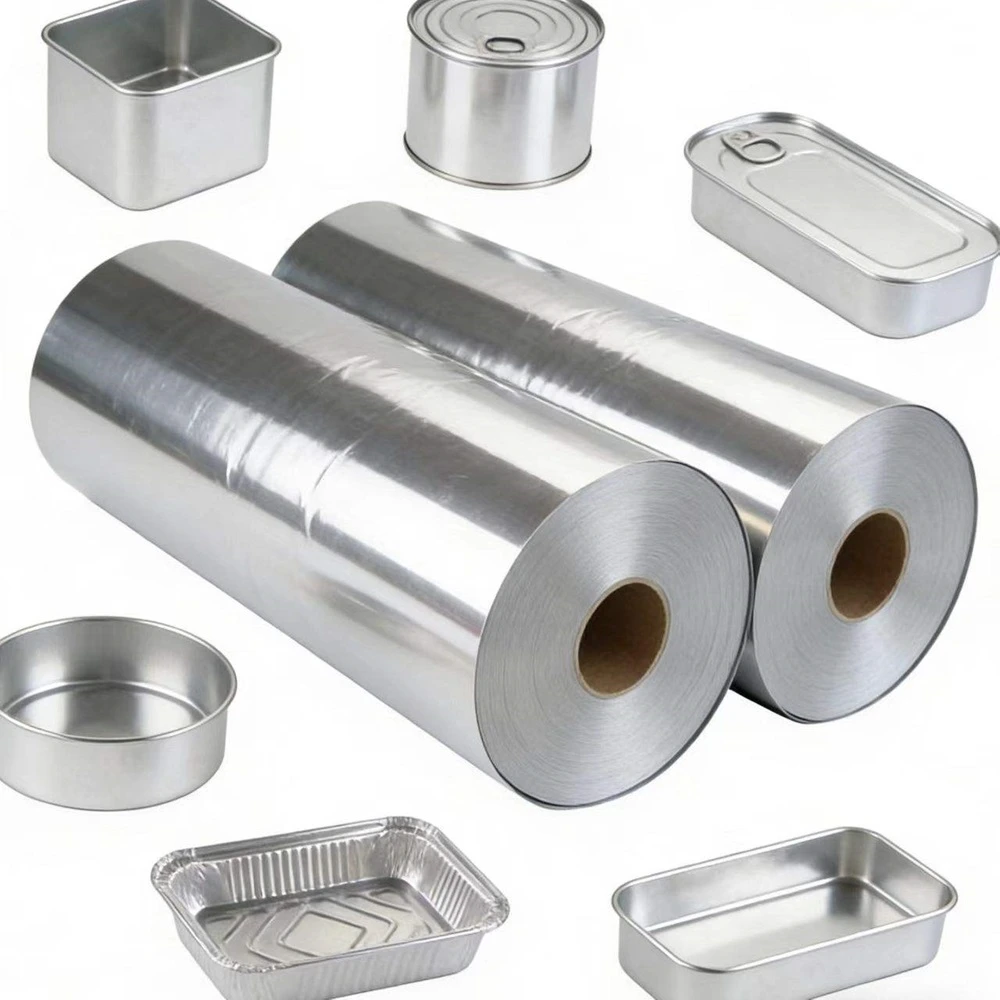
Manufacturers produce different grades of stainless steel foil, such as:
- 301 stainless steel foil (high strength and flexibility)
- 304 stainless steel foil (excellent corrosion resistance)
You can learn more about specific grades here:
For product options, browse the stainless steel foil product range.
What Is Aluminum Foil?
Aluminum foil is a thin sheet made from aluminum metal, widely used in packaging, insulation, and household cooking.
It is lightweight, highly conductive, and easy to shape. However, it lacks the strength and durability of stainless steel foil, especially in demanding industrial environments.
Aluminum foil is typically used in:
- Food wrapping
- Heat insulation
- Electrical shielding
- Disposable packaging
While it is cost-effective, it does not offer the same longevity or resistance to harsh conditions as stainless steel foil.
Differences Between Stainless Steel Foil and Aluminum Foil
1. Strength and Durability
One of the most important differences lies in mechanical strength.
Stainless steel foil is significantly stronger than aluminum foil. It resists tearing, deformation, and mechanical stress. This makes it ideal for demanding industrial applications.
Aluminum foil, on the other hand, is soft and prone to tearing. It performs well in low-stress environments but fails under heavy loads.
Conclusion: Stainless steel foil wins in strength and durability.
2. Corrosion Resistance
Stainless steel foil contains chromium, which forms a protective oxide layer. This layer prevents rust and corrosion even in harsh environments.
Aluminum foil also resists corrosion to some extent but reacts with acidic or alkaline substances. Over time, it can degrade.
Conclusion: Stainless steel foil offers superior corrosion resistance.
3. Temperature Resistance
Stainless steel foil can withstand extremely high temperatures, often exceeding 800°C depending on the grade.
Aluminum foil melts at around 660°C and loses strength at much lower temperatures.
This makes stainless steel foil suitable for:
- High-temperature insulation
- Aerospace applications
- Industrial furnaces
Conclusion: Stainless steel foil performs better in high-heat environments.
4. Weight and Flexibility
Aluminum foil is lightweight and highly flexible. It can be easily shaped and molded without much effort.
Stainless steel foil is heavier and slightly less flexible, although advanced processing has improved its formability.
Conclusion: Aluminum foil is better for lightweight applications.
5. Cost Comparison
Cost plays a major role in material selection.
Aluminum foil is generally cheaper due to:
- Lower raw material cost
- Easier manufacturing process
Stainless steel foil is more expensive but offers long-term value due to durability and reduced replacement costs.
Conclusion: Aluminum foil is cheaper upfront, but stainless steel foil is more cost-effective in the long run.
6. Electrical and Thermal Conductivity
Aluminum foil has excellent thermal and electrical conductivity. It is widely used in:
- Heat exchangers
- Electrical shielding
- HVAC systems
Stainless steel foil has lower conductivity but provides better structural stability.
Conclusion: Aluminum foil excels in conductivity.
Comparison Table
| Feature | Stainless Steel Foil | Aluminum Foil |
|---|---|---|
| Strength | Very high | Low |
| Corrosion Resistance | Excellent | Moderate |
| Heat Resistance | Very high | Medium |
| Weight | Heavier | Lightweight |
| Cost | Higher | Lower |
| Durability | Long-lasting | Short-term |
| Conductivity | Lower | High |
Applications of Stainless Steel Foil
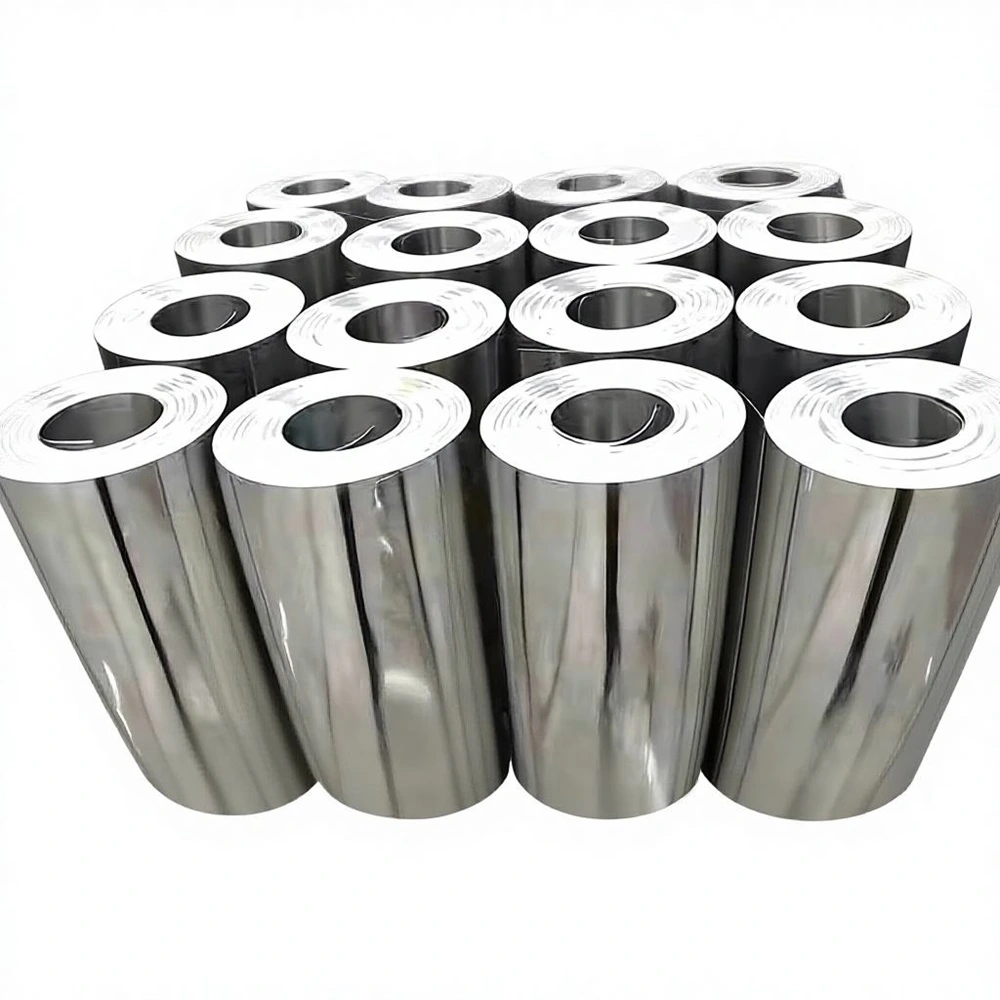
The unique properties of stainless steel foil make it suitable for a wide range of applications.
Industrial Uses
- Heat exchangers
- Gaskets and seals
- Chemical processing equipment
Electronics
- EMI/RFI shielding
- Battery components
Medical Industry
- Surgical instruments
- Sterile packaging
Construction
- Fire-resistant barriers
- Structural reinforcement
You can explore more solutions through the product catalog or the main homepage.
Applications of Aluminum Foil
Aluminum foil is widely used in everyday life and light industrial applications.
Uses
- Food packaging
- Cooking and baking
- Insulation
Industrial Uses
- HVAC systems
- Electrical shielding
- Flexible packaging
While useful, aluminum foil is rarely chosen for high-performance or long-term applications.
When Should You Choose Stainless Steel Foil?
You should choose stainless steel foil when:
- You need high strength and durability
- The environment involves heat or corrosion
- Long-term performance is critical
- Safety and reliability are priorities
For expert guidance, visit the contact page.
When Is Aluminum Foil the Better Option?
Aluminum foil is suitable when:
- Budget is limited
- Lightweight material is required
- The application is short-term
- High conductivity is needed
Environmental Impact Comparison
Sustainability is becoming increasingly important.
Stainless steel foil is:
- Fully recyclable
- Long-lasting
- Environmentally friendly over time
Aluminum foil is also recyclable but often used in disposable applications, leading to higher waste.
Conclusion: Stainless steel foil is more sustainable for long-term use.
Industry Trends and Market Insights
According to industry reports:
- The global stainless steel market is expected to grow steadily due to demand in construction and energy sectors.
- Aluminum remains dominant in packaging but faces sustainability concerns.
More industries are shifting toward stainless steel foil for durability and lifecycle cost benefits.
For updates, check the latest blog section.
FAQs
Q. What is stainless steel foil used for?
A. Stainless steel foil is used in industries such as aerospace, electronics, and construction due to its strength, heat resistance, and corrosion resistance.
Q. Is stainless steel foil better than aluminum foil?
A. Yes, stainless steel foil is better for durability, high temperatures, and corrosion resistance, while aluminum foil is better for lightweight and low-cost applications.
Q. Can stainless steel foil be used in cooking?
A. While less common, stainless steel foil can be used in specialized cooking environments where high heat and durability are required.
Q. Why is stainless steel foil more expensive?
A. Stainless steel foil costs more because of its alloy composition, manufacturing process, and superior performance characteristics.
Q. Is stainless steel foil environmentally friendly?
A. Yes, stainless steel foil is highly recyclable and lasts longer, making it a more sustainable option compared to disposable materials.
Summary
Choosing between stainless steel foil and aluminum foil depends on your specific needs. While aluminum foil offers affordability and flexibility, stainless steel foil stands out for its strength, durability, and resistance to heat and corrosion.
If your application demands long-term performance, reliability, and safety, stainless steel foil is the clear winner. For lighter, short-term uses, aluminum foil remains a practical choice.