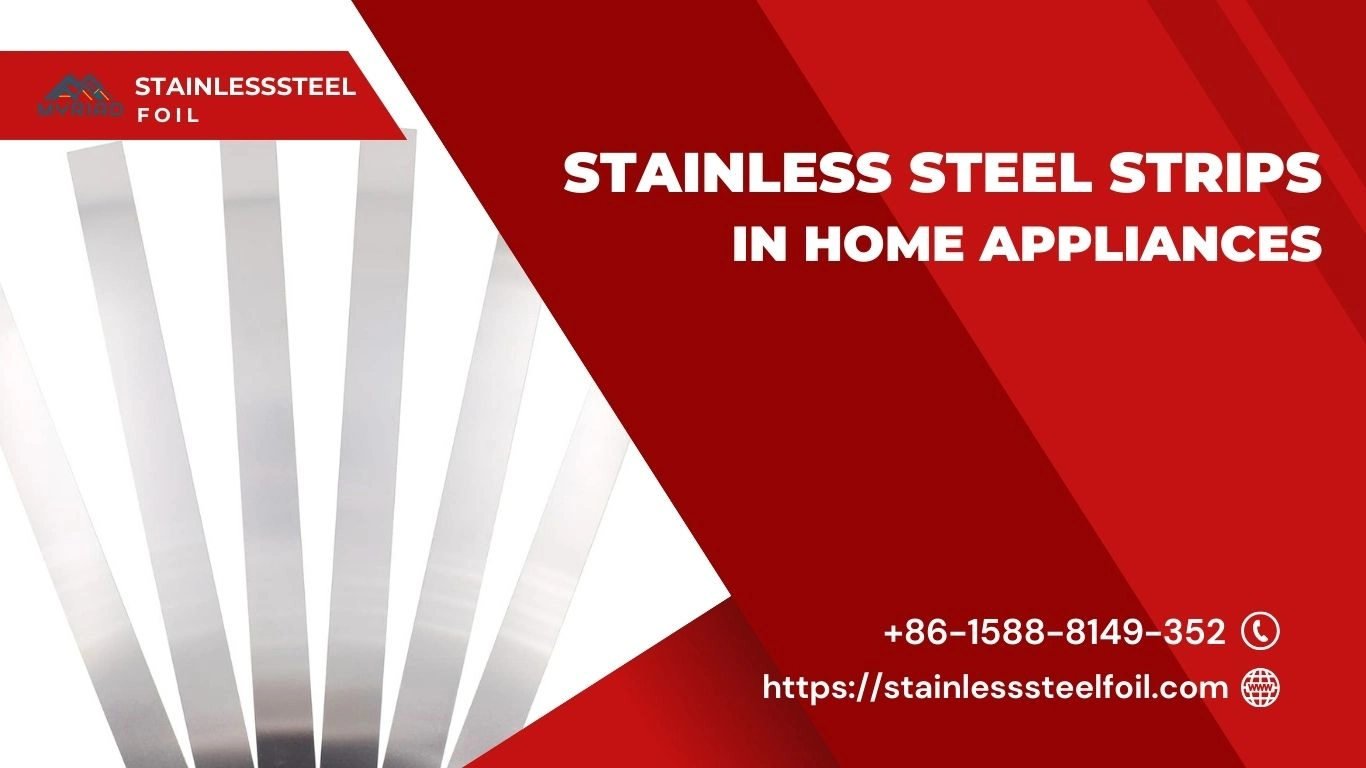
Modern home appliances depend heavily on Stainless Steel Strips for durability, hygiene, and consistent performance. From refrigerators and ovens to washing machines and dishwashers, stainless steel strips form the structural and functional backbone of appliances used daily in households worldwide. Their resistance to corrosion, controlled thickness, uniform strength, and long service life make them suitable for precision manufacturing in the appliance industry.
Manufacturers increasingly rely on stainless steel strips because these materials maintain their mechanical properties under heat, moisture, vibration, and repeated use. This article explains stainless steel properties, stainless steel composition percentage, what are the 4 types of stainless steel, what are the 3 grades of stainless steel, 5 types of stainless steel, pricing trends, and real-world appliance applications with technical depth and research-based clarity.
For premium stainless steel strip solutions, visit Stainless Steel Foil, a trusted supplier of stainless steel coils, foils, and precision strips used across global industries.
What Are Stainless Steel Strips
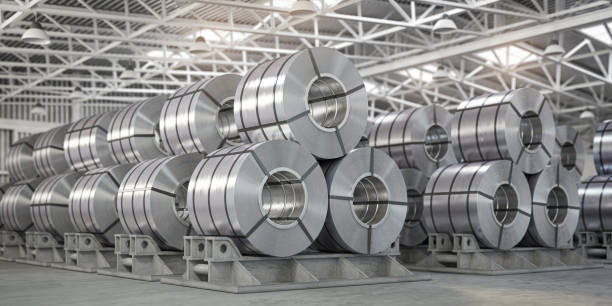
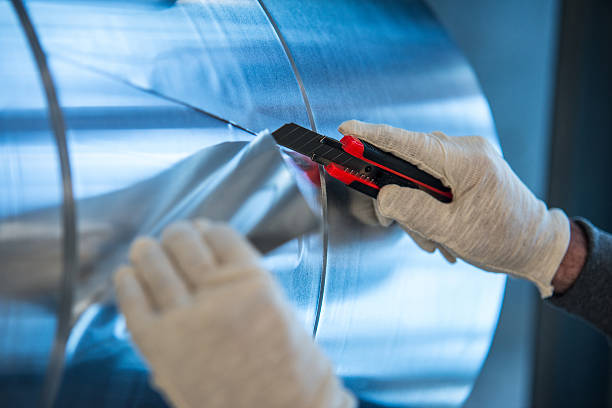
Stainless Steel Strips are flat-rolled stainless steel products manufactured in narrow widths with controlled thickness and surface finish. They are typically produced by cold rolling stainless steel coils to achieve dimensional accuracy and mechanical consistency. Stainless steel strips are commonly supplied in coils or cut lengths depending on the appliance manufacturing process.
The base material used for stainless steel strips comes from strip steel production standards, as explained by Strip Steel – Wikipedia. Stainless steel strip production emphasizes tight thickness tolerances, smooth surface finish, and uniform metallurgical structure.
In home appliances, stainless steel strips are used for structural frames, heating elements, control panels, trims, hinges, fasteners, and protective covers where reliability and hygiene are essential.
Why Stainless Steel Strips Are Used in Home Appliances
Home appliances operate under conditions involving moisture, heat, mechanical stress, and chemical exposure from detergents and food residues. Stainless steel strips offer stability under these conditions because of their chromium-rich oxide layer that protects against corrosion.
Appliance manufacturers select stainless steel strips for their ability to retain shape during stamping, bending, and welding processes. The material also meets food safety standards, making it suitable for kitchen and food-handling appliances.
Stainless steel strips sourced from Stainless Steel Products are engineered to match appliance-grade requirements, including surface finish uniformity and long-term oxidation resistance.
Stainless Steel Composition Percentage and Its Impact
The stainless steel composition percentage determines corrosion resistance, strength, magnetic behavior, and heat tolerance. Stainless steel is primarily composed of iron, chromium, and varying amounts of nickel, carbon, molybdenum, manganese, and silicon.
Typical Stainless Steel Composition Table
| Element | Percentage Range | Functional Role |
|---|---|---|
| Chromium | 10.5% – 30% | Corrosion resistance |
| Nickel | 0% – 14% | Ductility and toughness |
| Carbon | 0.03% – 1.2% | Strength and hardness |
| Molybdenum | 0% – 3% | Chloride resistance |
| Manganese | 0% – 2% | Deoxidation and strength |
| Silicon | 0% – 1% | Oxidation resistance |
In appliance manufacturing, chromium content above 16% ensures resistance to rust in humid kitchen environments, while controlled carbon levels improve formability during stamping.
What Are the 4 Types of Stainless Steel Used in Appliances
Understanding what are the 4 types of stainless steel helps appliance manufacturers choose the correct material based on performance requirements.
Austenitic Stainless Steel
Austenitic stainless steel is the most widely used type in home appliances. It contains high chromium and nickel content, providing excellent corrosion resistance and non-magnetic properties. Grades like 304 and 316 are commonly used for refrigerator interiors, microwave panels, and dishwasher tubs.
Ferritic Stainless Steel
Ferritic stainless steel contains chromium but minimal nickel. It offers good corrosion resistance and magnetic properties. Appliance manufacturers use ferritic grades for decorative panels, washing machine drums, and cost-controlled components.
Martensitic Stainless Steel
Martensitic stainless steel contains higher carbon content, allowing heat treatment for increased hardness. It is used for appliance parts requiring wear resistance, such as blades, shafts, and locking mechanisms.
Duplex Stainless Steel
Duplex stainless steel combines austenitic and ferritic structures. While less common in standard home appliances, it is used in high-performance equipment where strength and corrosion resistance are both required.
5 Types of Stainless Steel Explained for Appliance Applications
The 5 types of stainless steel commonly referenced in appliance manufacturing include austenitic, ferritic, martensitic, duplex, and precipitation-hardening stainless steel.
Precipitation-hardening stainless steel achieves high strength after heat treatment. Manufacturers use it in specialized appliance components that require dimensional stability under stress. Although less common in household products, it appears in premium equipment and industrial-grade appliances.
Each type influences how stainless steel strips perform during forming, welding, and surface finishing.
What Are the 3 Grades of Stainless Steel Most Used
When asking what are the 3 grades of stainless steel, appliance manufacturers usually refer to Grade 304, Grade 316, and Grade 430.
Grade 304 Stainless Steel
Grade 304 is the most widely used stainless steel grade in home appliances. It offers high corrosion resistance, excellent formability, and easy maintenance. Refrigerator doors, oven panels, and kitchen appliances frequently use 304 stainless steel strips.
Grade 316 Stainless Steel
Grade 316 contains molybdenum, which improves resistance to chlorides and harsh cleaning agents. Appliances exposed to salty environments or aggressive detergents benefit from 316 Stainless Steel Coil.
Grade 430 Stainless Steel
Grade 430 is a ferritic stainless steel grade used for decorative and structural components. It offers moderate corrosion resistance and cost efficiency, making it suitable for washing machines and appliance housings.
Stainless Steel Grades Chart for Home Appliances
| Grade | Type | Chromium (%) | Nickel (%) | Common Appliance Uses |
|---|---|---|---|---|
| 304 | Austenitic | 18–20 | 8–10.5 | Refrigerators, ovens |
| 316 | Austenitic | 16–18 | 10–14 | Dishwashers, marine areas |
| 430 | Ferritic | 16–18 | 0 | Washing machines |
| 410 | Martensitic | 11.5–13.5 | 0 | Shafts, fasteners |
| Duplex 2205 | Duplex | 22 | 5–6 | High-load equipment |
Stainless Steel Properties That Support Appliance Performance
Stainless steel properties make it suitable for home appliances where reliability is expected over many years. The material resists corrosion, maintains structural integrity under heat, and remains hygienic due to its non-porous surface.
Thermal stability allows stainless steel strips to perform consistently in ovens and heating elements. Mechanical strength ensures that panels and frames do not deform during long-term use. Electrical conductivity control supports appliance grounding systems.
Uses of Stainless Steel in Home Appliances
The uses of stainless steel in home appliances cover both functional and aesthetic applications. Manufacturers use stainless steel strips for appliance frames, panels, trims, hinges, fasteners, ventilation covers, and internal support structures.
Kitchen appliances benefit from stainless steel because the surface resists staining and bacterial growth. Laundry appliances rely on stainless steel drums to withstand water, detergents, and mechanical stress. Small appliances use stainless steel strips for durability and heat resistance.
Manufacturers often source ultra-thin precision materials from Stainless Steel Foil Products for compact and lightweight appliance components.
How Stainless Steel Strips Are Manufactured
Stainless steel strips are produced by hot rolling stainless steel tubes slabs into coils, followed by cold rolling to achieve precise thickness. Surface treatments such as annealing and pickling improve mechanical properties and corrosion resistance.
A detailed explanation of this process is available in How Stainless Steel Foil Is Made, which explains the transformation from hot-rolled coil to ultra-thin precision materials used in appliances.
Stainless Steel Price Factors in Appliance Manufacturing
Stainless steel price depends on raw material costs, alloy composition, market demand, and production complexity. Nickel and molybdenum content significantly influence pricing, which explains why Grade 316 costs more than Grade 304.
Appliance manufacturers manage costs by selecting appropriate grades that balance performance and budget.
Surface Finishes of Stainless Steel Strips for Appliances
Surface finish affects appearance, cleanability, and wear resistance. Common finishes used in appliances include 2B, BA, brushed, and polished finishes.
Brushed finishes reduce fingerprint visibility, making them suitable for refrigerator doors. Polished finishes enhance appearance in premium appliances. Internal components typically use matte finishes for functional efficiency.
Internal Quality Standards for Appliance-Grade Stainless Steel Strips
Appliance manufacturers follow strict quality standards related to thickness tolerance, flatness, surface cleanliness, and chemical composition. Stainless steel strips supplied through Stainless Steel Strips meet international standards such as ASTM, EN, and JIS.
Quality control ensures consistent forming behavior and weldability during mass production.
Sustainability and Recycling of Stainless Steel in Appliances
Stainless steel is fully recyclable without loss of properties. Appliance manufacturers value stainless steel strips because recycled content reduces environmental impact while maintaining performance standards.
The long service life of stainless steel appliances also contributes to reduced waste generation.
Why Choose Stainless Steel Foil for Appliance Materials
Stainless Steel Foil provides precision stainless steel strips, coils, and foils tailored for appliance manufacturing. The company offers consistent quality, controlled thickness, and customized solutions for industrial applications.
Manufacturers can explore technical resources and industry insights through the Stainless Steel Blog to stay informed about material trends.
For technical consultation and customized orders, manufacturers can connect through Contact Us.
Summary
Stainless Steel Strips play a central role in modern home appliances by delivering durability, hygiene, and mechanical reliability. Understanding stainless steel composition percentage, stainless steel properties, 5 types of stainless steel, what are the 4 types of stainless steel, what are the 3 grades of stainless steel, and stainless steel grades chart allows manufacturers to select materials suited to specific appliance functions.
From refrigerator panels to washing machine drums, stainless steel strips ensure consistent performance under daily use. With controlled pricing, recyclable properties, and long service life, stainless steel remains a preferred material in appliance manufacturing.
For high-quality appliance-grade stainless steel materials, explore Stainless Steel Foil and its complete range of industrial stainless steel solutions.
FAQs
What makes stainless steel strips suitable for home appliances
Stainless steel strips offer corrosion resistance, heat tolerance, mechanical strength, and hygienic surfaces, making them suitable for long-term appliance use.
Which stainless steel grade is best for kitchen appliances
Manufacturers widely use grade 304 for kitchen appliances because it resists corrosion and cleans easily. Industries prefer grade 316 in harsh environments.
Are stainless steel strips magnetic
Magnetic behavior depends on the type. Ferritic and martensitic stainless steels are magnetic, while austenitic grades are generally non-magnetic.
How does stainless steel composition affect performance
Chromium improves corrosion resistance, nickel enhances ductility, and molybdenum increases resistance to chemicals and chlorides.
Is stainless steel recyclable
Stainless steel is fully recyclable and retains its properties after recycling, making it environmentally responsible.