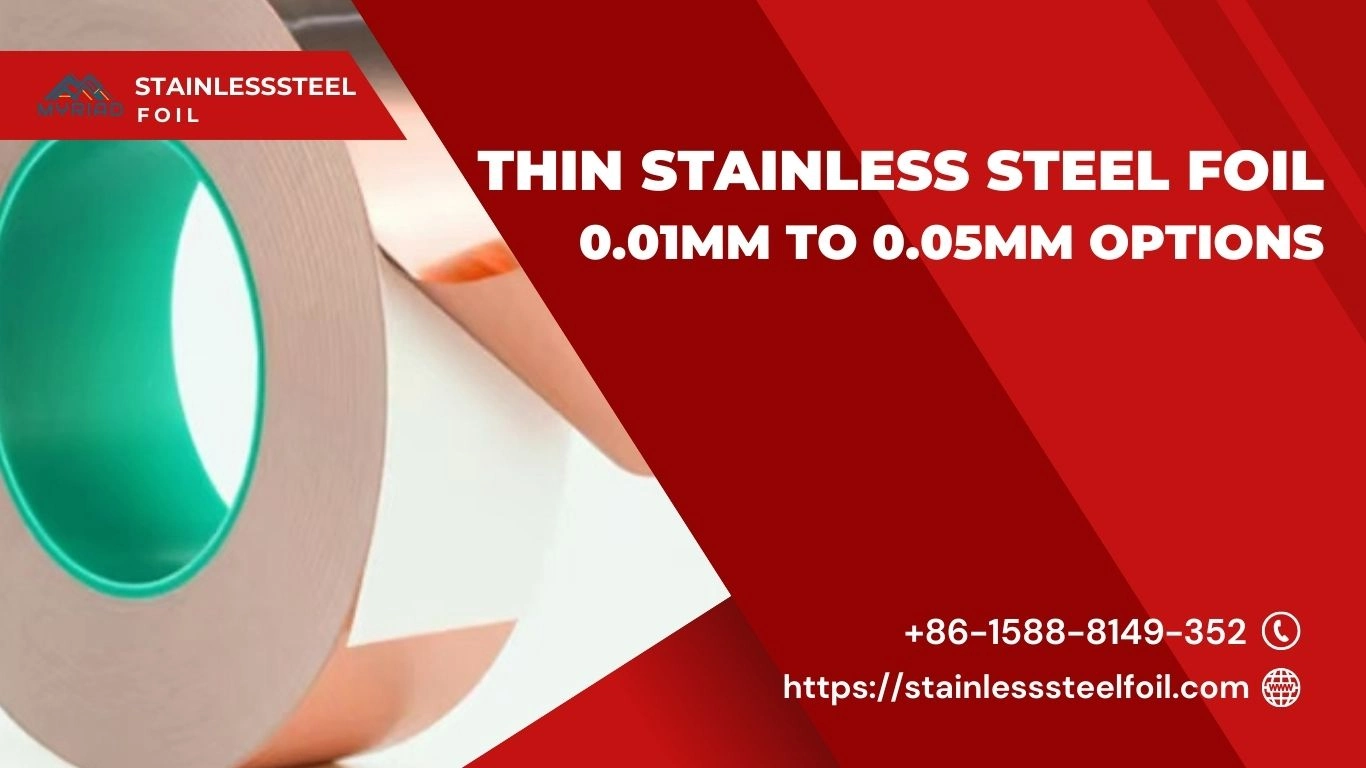
When precision matters at the micron level, thin stainless steel foil becomes more than just a material—it becomes a performance enabler. In thicknesses ranging from 0.01mm to 0.05mm, stainless steel foil delivers exceptional flexibility, corrosion resistance, thermal stability, and dimensional accuracy. These ultra-thin gauges are widely used in aerospace, electronics, heat treatment, medical devices, and energy systems where tolerances are tight and reliability is critical.
At Stainless Steel Foil, manufacturers and engineers can explore specialized grades and custom solutions tailored to demanding industrial applications. In this comprehensive guide, we’ll explore everything you need to know about thin stainless steel foil, including grades, properties, manufacturing methods, real-world applications, and expert buying considerations.
What Is Thin Stainless Steel Foil?
Thin stainless steel foil refers to stainless steel material rolled to a thickness below 0.1mm. In this article, we focus specifically on the 0.01mm to 0.05mm range, often categorized as ultra-thin foil.
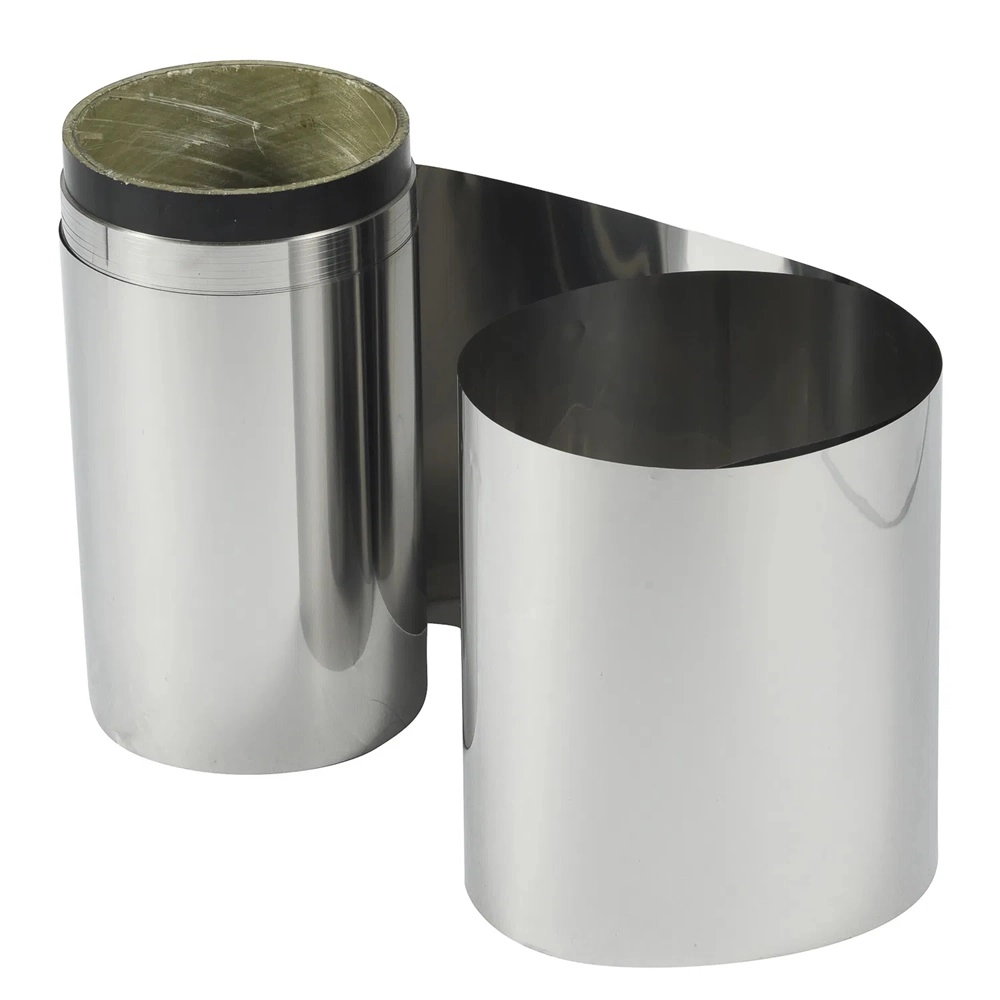
According to the technical overview on Wikipedia’s stainless steel page, stainless steel is an iron-based alloy containing at least 10.5% chromium, which provides corrosion resistance. When this alloy is processed into ultra-thin foil, it maintains its core metallurgical properties while offering remarkable flexibility and light weight.
Unlike standard sheets or plates, thin stainless steel foil can:
- Bend without cracking
- Withstand extreme temperatures
- Resist oxidation and chemical attack
- Maintain strength even at minimal thickness
These qualities make it indispensable in advanced engineering sectors.
Thickness Range: 0.01mm to 0.05mm Explained
Understanding thickness is crucial when selecting thin stainless steel foil.
| Thickness | Microns | Typical Applications |
|---|---|---|
| 0.01mm | 10 µm | Heat treating wrap, battery components |
| 0.02mm | 20 µm | Electronics shielding, precision stamping |
| 0.03mm | 30 µm | Medical instruments, flexible connectors |
| 0.05mm | 50 µm | Aerospace insulation, chemical barriers |
For comparison, a human hair is roughly 70 microns thick. That means 0.01mm foil is thinner than most human hair strands.
If you need ultra-precision material, explore the dedicated product page for 316L stainless steel foil ultrathin 0.01mm, which highlights exact specifications and performance standards.
Why 316L and 304 Grades Dominate Ultra-Thin Foil Applications
While several grades exist, 304 and 316L stainless steel are the most commonly used in thin stainless steel foil.
304 Stainless Steel
304 is versatile and cost-effective. It provides good corrosion resistance and formability. It works well in food-grade applications, electronic shielding, and decorative uses.
316L Stainless Steel
316L contains molybdenum, which improves resistance to chlorides and harsh chemicals. It also performs better in high-temperature environments.
For heat-intensive operations, you can read about temperature limits in this detailed guide on the heat tolerance of 316 stainless steel.
Manufacturers producing ultra-thin foil often rely on advanced rolling and annealing processes, as explained in this technical breakdown of how to manufacture ultrathin 316L stainless steel foil for heat treating.
Mechanical Properties of Thin Stainless Steel Foil
Even at 0.01mm thickness, thin stainless steel foil retains impressive strength.
Typical 316L properties include:
- Tensile Strength: 485 MPa (approx.)
- Yield Strength: 170 MPa
- Elongation: Up to 40%
- Melting Point: ~1400°C
These properties allow the foil to handle mechanical stress while remaining flexible.
Additionally, stainless steel foil exhibits:
- Low magnetic permeability (in annealed condition)
- Excellent fatigue resistance
- Superior oxidation resistance up to 870°C in continuous service
For more detailed insights into heat performance, refer to the comprehensive stainless steel foil heat treatment guide.
Manufacturing Process of Ultra-Thin Stainless Steel Foil
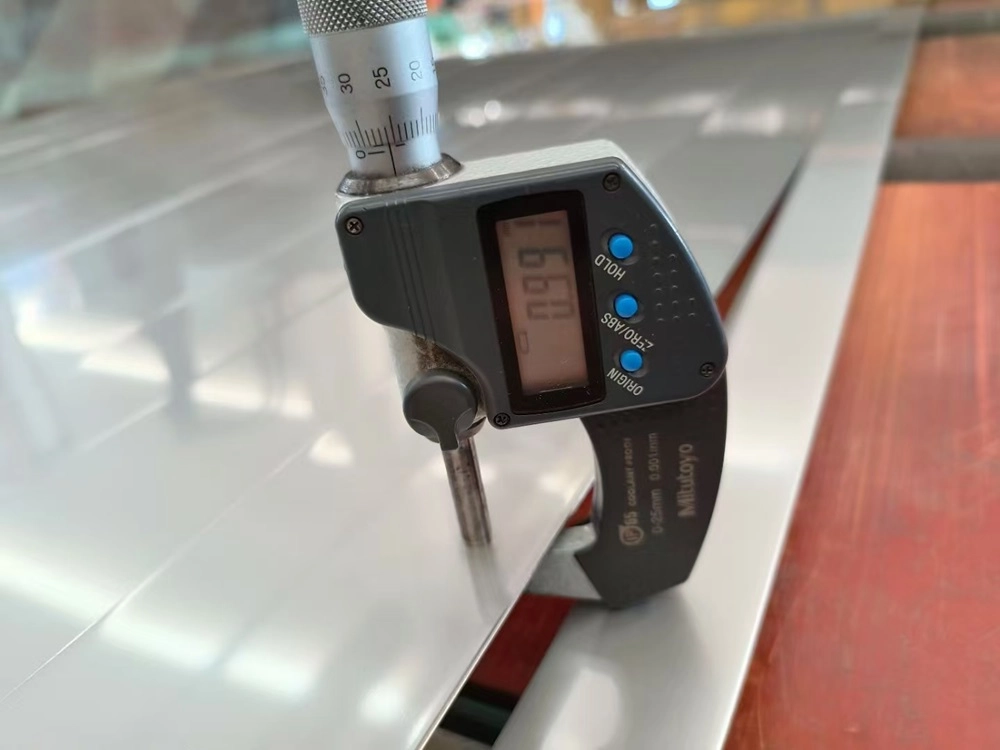
Producing thin stainless steel foil requires precision rolling technology.
Step 1: Hot Rolling
The steel slab is heated and reduced in thickness through rolling mills.
Step 2: Cold Rolling
Multiple cold-rolling passes gradually reduce thickness to micron-level precision.
Step 3: Annealing
Heat treatment restores ductility and relieves stress.
Step 4: Surface Finishing
Depending on application, the foil may receive:
- Bright annealed finish
- Matte finish
- Precision-polished surface
Advanced facilities like those featured at Stainless Steel Foil products page utilize automated thickness control systems to ensure consistency within ±1–2 microns.
Applications of Thin Stainless Steel Foil (0.01mm–0.05mm)
Thin stainless steel foil supports numerous industries. Below are some of the most important sectors.
Aerospace and Aviation
In aerospace, weight reduction is critical. Engineers use thin stainless steel foil for:
- Thermal insulation layers
- EMI shielding
- Flexible expansion joints
The material withstands temperature fluctuations without losing structural integrity.
Electronics and Energy Storage
Battery manufacturers often require 0.01mm stainless steel foil for:
- Lithium battery components
- Flexible circuit substrates
- Shielding films
Because stainless steel resists corrosion, it extends product lifespan.
Heat Treatment Wrapping
Ultra-thin foil acts as a protective barrier during vacuum heat treatment. It prevents oxidation and decarburization of metal parts.
Learn more about foil use in thermal processing in this detailed guide on the use of stainless steel foils.
Medical and Pharmaceutical Equipment
Due to its biocompatibility, 316L foil is ideal for:
- Surgical instrument components
- Medical sensors
- Sterile packaging barriers
Its corrosion resistance ensures compliance with hygiene standards.
Chemical Processing
Thin stainless steel foil functions as:
- Corrosion-resistant liners
- Gasket materials
- Precision diaphragms
Its durability in acidic or chloride environments makes it superior to aluminum foil alternatives.
Comparison: Stainless Steel Foil vs. Aluminum Foil
| Property | Stainless Steel Foil | Aluminum Foil |
|---|---|---|
| Corrosion Resistance | Excellent | Moderate |
| Strength | High | Low |
| Heat Resistance | Up to 1400°C | ~660°C |
| Reusability | High | Low |
| Cost | Higher | Lower |
While aluminum foil is cheaper, thin stainless steel foil outperforms it in industrial environments.
Surface Finishes and Customization Options
When sourcing from professional suppliers, customers can choose:
- Custom width and length
- Slit coils
- Precision cut sheets
- Annealed or hard temper
For example, the steel foil sheet page details sheet options suitable for precision fabrication.
If you require tailored specifications, the contact page allows direct consultation with technical experts.
Quality Standards and Certifications
High-quality thin stainless steel foil typically complies with:
- ASTM A240
- ASTM A666
- ISO 9001 manufacturing standards
Leading suppliers maintain rigorous inspection procedures including:
- Thickness measurement via micrometer
- Surface roughness testing
- Mechanical strength verification
Reliable vendors list certifications transparently on their main website, such as the homepage at Stainless Steel Foil.
How to Choose the Right Thin Stainless Steel Foil
Selecting the appropriate foil depends on several factors.
First, consider environmental exposure. Chloride environments require 316L. Second, determine heat exposure levels. High temperatures demand alloys with stable oxide layers.
Third, analyze mechanical stress. Flexible applications benefit from annealed foil. Hard temper foil works better for structural rigidity.
Finally, confirm thickness tolerance. Precision industries often require tolerance within ±2 microns.
You can browse the full selection of stainless steel foil products to compare specifications.
Cost Factors for Ultra-Thin Stainless Steel Foil
Several elements affect pricing:
- Raw material grade (304 vs. 316L)
- Thickness tolerance precision
- Order volume
- Surface finish requirements
- Custom cutting or slitting
Because ultra-thin rolling requires specialized equipment, 0.01mm foil commands higher pricing than 0.05mm.
However, durability and lifespan often offset initial investment costs.
Sustainability and Recyclability
Stainless steel is 100% recyclable. According to global industry data, over 80% of stainless steel is recycled at end-of-life.
Using thin stainless steel foil supports sustainable manufacturing because:
- It reduces material waste
- It offers long service life
- It minimizes replacement frequency
Recyclability further enhances its value in green engineering projects.
Future Trends in Thin Stainless Steel Foil
Emerging technologies continue to expand demand. Electric vehicles require lightweight shielding materials. Renewable energy systems use stainless steel foil for battery and hydrogen fuel cell components. Additionally, micro-electronics demand thinner and more flexible conductive substrates. Manufacturers investing in ultra-thin rolling capacity are positioning themselves at the forefront of advanced materials engineering.
Summary
Thin stainless steel foil in the 0.01mm to 0.05mm range offers unmatched precision, durability, and corrosion resistance for demanding industrial applications. From aerospace insulation to battery technology, this ultra-thin material combines flexibility with high mechanical strength.
Whether you require 304 or 316L grades, custom widths, or heat-resistant properties, sourcing from experienced manufacturers ensures consistent quality and performance. Explore professional-grade options today at StainlessSteelFoil.com to find the right foil for your project. Get for more information visit, stainless steel foil and contact us.
FAQs
What is thin stainless steel foil used for?
it is used in aerospace insulation, battery components, heat treatment wrapping, medical devices, and chemical processing equipment due to its strength and corrosion resistance.
How thin can stainless steel foil be manufactured?
High-precision rolling mills can produce it as thin as 0.01mm, depending on grade and temper requirements.
Is 316L better than 304 for thin stainless steel foil?
Yes, it provides superior corrosion resistance, especially in chloride-rich or high-temperature environments.
Can thin stainless steel foil withstand high heat?
this, especially 316L grade, can tolerate temperatures approaching 870°C in continuous service and even higher in short-term exposure.
How do I order custom thin stainless steel foil?
You can request custom specifications, including thickness and width, by contacting suppliers directly through their official website.