In modern engineering, precision is no longer optional—it is essential. Ultra-thin stainless steel foil guide has emerged as a critical material for industries that demand both performance and compact design. From microelectronics to advanced medical devices, this material delivers outstanding results where space and weight are limited.
Moreover, as industries continue to innovate, the need for thinner, stronger, and more reliable materials grows rapidly. Ultra-thin stainless steel foil meets this demand by combining durability, flexibility, and corrosion resistance in an incredibly thin format.
To understand its foundation, you can explore this detailed explanation of stainless steel, which highlights why this alloy performs so well in demanding environments.
What Is Ultra-Thin Stainless Steel Foil?
To begin with, ultra thin stainless steel foil refers to stainless steel that has been cold-rolled into extremely thin sheets, typically below 0.05 mm. In many advanced applications, manufacturers produce foil as thin as 0.01 mm or even less.
In contrast to traditional steel sheets, this foil offers superior flexibility and precision. As a result, it becomes ideal for applications that require tight tolerances and lightweight structures. If you are new to the material, you can explore a detailed introduction here what is stainless steel foil
Thickness Range of Ultra-Thin Stainless Steel Foil
When discussing ultra-thin stainless steel foil, thickness plays a defining role. In fact, even a small variation can significantly affect performance.
Typical Thickness Levels
| Thickness (mm) | Microns | Application Type |
|---|---|---|
| 0.05 mm | 50 µm | Industrial components |
| 0.02 mm | 20 µm | Electronics |
| 0.01 mm | 10 µm | Precision engineering |
| 0.005 mm | 5 µm | Microelectronics |
| 0.003 mm | 3 µm | Advanced research |
For comparison, a human hair measures around 70 microns. Therefore, ultra-thin stainless steel foil can be more than ten times thinner, yet it still maintains impressive strength. For instance, you can explore real-world ultra-thin options such as 316L stainless steel foil ultrathin 0.01mm
How Ultra-Thin Stainless Steel Foil Is Manufactured
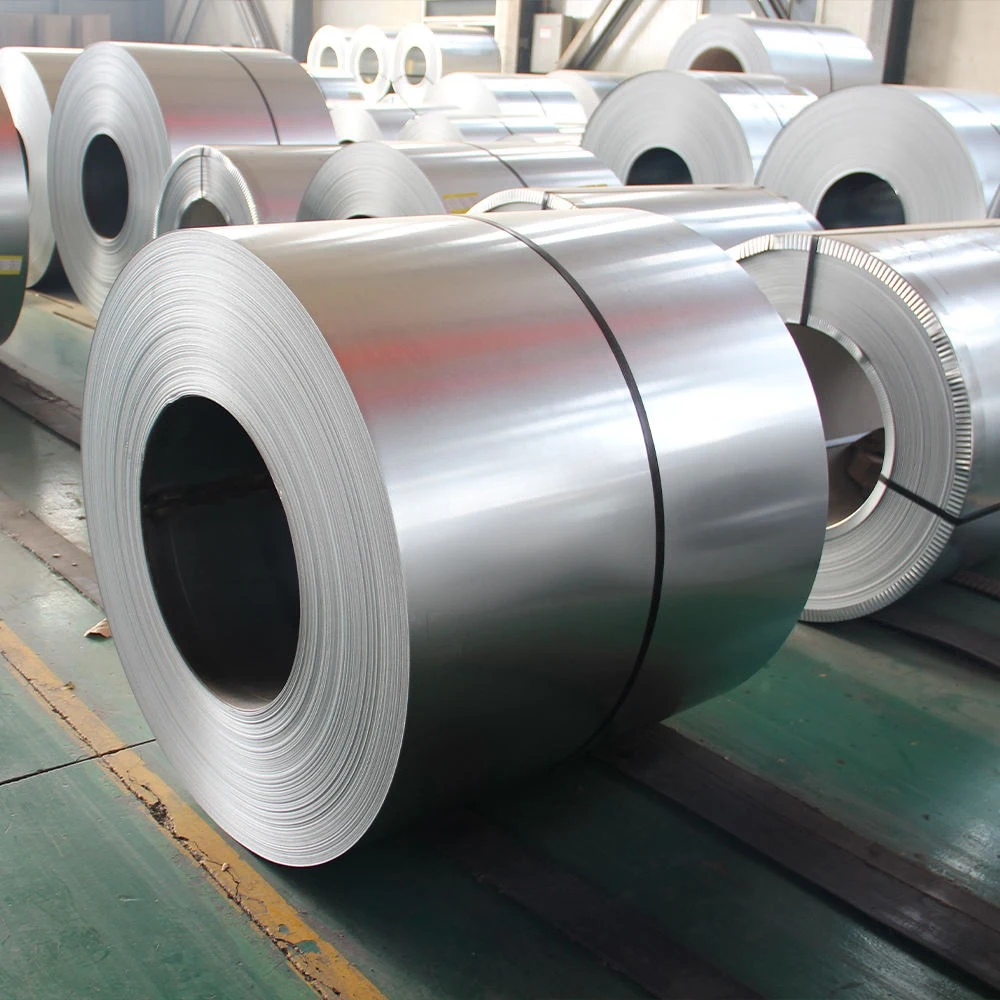
To achieve such thin dimensions, manufacturers follow a highly controlled process. Initially, they start with hot-rolled coils. Then, they gradually reduce thickness through multiple cold rolling stages.
As the process continues, annealing becomes essential. This step restores flexibility and prevents cracking. Without it, the foil would become brittle.
Furthermore, surface finishing ensures a smooth and uniform texture. This is especially important for electronics and medical applications.
To understand this in more detail, visit ultra thin stainless steel foil manufacturing process Additionally, this guide explains the transformation process clearly, stainless steel foil is made from hot rolled coil to ultra thin precision
Key Properties of Ultra-Thin Stainless Steel Foil
One of the main reasons industries rely on ultra-thin stainless steel foil is its exceptional set of properties.
First of all, it offers high strength despite its thinness. Even at just a few microns, the foil retains structural integrity.
Secondly, it provides excellent corrosion resistance. Thanks to chromium, a protective oxide layer forms on the surface.
In addition, it demonstrates strong thermal resistance, making it suitable for high-temperature environments.
At the same time, the foil remains highly flexible, allowing it to bend without cracking. This makes it ideal for compact and complex designs.
Finally, its smooth and hygienic surface makes it perfect for medical and food-related applications.
Grades Used in Ultra-Thin Stainless Steel Foil
Not all foils perform the same. Therefore, choosing the right grade is essential.
301 Stainless Steel Foil
To start with, 301 stainless steel foil offers excellent strength and fatigue resistance. Consequently, it is widely used in springs and structural applications.
Learn more here 301 stainless steel foil
304 Stainless Steel Foil
On the other hand, 304 stainless steel foil provides outstanding corrosion resistance and versatility. As a result, it is the most commonly used grade.
Explore details here 304 stainless steel foil
316L Stainless Steel Foil
Meanwhile, 316L stainless steel foil is ideal for harsh environments. In particular, it performs well in marine and chemical applications due to its superior corrosion resistance.
Applications of Ultra-Thin Stainless Steel Foil in Precision Industries
Electronics and Microelectronics
To begin with, the electronics industry heavily depends on ultra thin stainless steel foil. It is used in flexible circuits, EMI shielding, and battery components.
As devices become smaller, manufacturers increasingly rely on thinner materials.
Medical and Healthcare Industry
Similarly, the medical sector requires materials that are both hygienic and reliable. Therefore, ultra thin stainless steel foil is widely used in surgical tools, implants, and sterile packaging.
Aerospace and Defense
In aerospace, weight reduction is critical. As a result, engineers use ultra thin foil for thermal insulation and structural components.
Energy and Renewable Systems
At the same time, renewable energy technologies continue to grow. Ultra thin stainless steel foil supports fuel cells, solar panels, and heat exchangers.
Industrial Manufacturing
Finally, industrial applications include sealing, filtration, and chemical processing. Its durability ensures long-term performance.
You can explore available materials here stainless steel foil products
Ultra-Thin Stainless Steel Foil vs Standard Stainless Steel Sheets
Although both materials come from the same family, they serve different purposes.
| Feature | Ultra Thin Foil | Standard Sheet |
|---|---|---|
| Thickness | Below 0.05 mm | Above 0.2 mm |
| Flexibility | Extremely high | Moderate |
| Precision | Very high | Standard |
| Applications | Specialized | General |
Therefore, when precision matters, ultra thin stainless steel foil becomes the preferred choice.
Benefits of Ultra Thin Stainless Steel Foil
There are several reasons why industries prefer this material.
Firstly, it reduces overall product weight. Secondly, it improves efficiency in compact designs. In addition, it offers long-term durability.
Moreover, stainless steel materials dominate corrosion-resistant applications globally. This highlights their reliability.
Challenges in Producing Ultra Thin Stainless Steel Foil
However, producing ultra thin stainless steel foil is not without challenges.
For example, maintaining uniform thickness requires advanced machinery. Even small inconsistencies can lead to defects.
In addition, handling becomes more difficult as thickness decreases. The foil can easily wrinkle or tear if not managed carefully.
Furthermore, production costs increase significantly at lower thickness levels. Therefore, ultra-thin foil is typically used in high-value applications.
Industry Trends and Future Outlook
Looking ahead, the demand for ultra thin stainless steel foil continues to grow.
For instance, electric vehicles require lightweight materials. Meanwhile, microelectronics demand thinner and more precise components.
As a result, manufacturers are exploring nanotechnology to push thickness limits even further. To stay updated, visit the blog section
How to Choose the Right Ultra Thin Stainless Steel Foil
When selecting the right foil, several factors should be considered. First, determine the required thickness. Thinner foil works best for precision tasks.
Next, choose the appropriate grade. For example, 304 suits general use, while 316L performs better in harsh environments.
Finally, consider the surface finish. A smoother finish improves performance in sensitive applications. You can explore options here products page or contact experts via the contact page.
Summary
In conclusion, ultra thin stainless steel foil is a highly advanced material that combines strength, flexibility, and corrosion resistance at microscopic thickness levels. As industries continue to innovate, its importance will only increase.
By understanding thickness, properties, and applications, you can make informed decisions and fully leverage the benefits of ultra thin stainless steel foil.
FAQs
Q. How thin can ultra thin stainless steel foil get?
Ultra thin stainless steel foil Guide can reach thicknesses as low as 0.005 mm in commercial applications.
Q. What industries use ultra thin stainless steel foil?
A. Industries such as electronics, aerospace, and healthcare rely heavily on ultra thin stainless steel foil.
Q. Is ultra thin stainless steel foil strong?
A. Yes, ultra thin stainless steel foil maintains excellent strength despite its thin structure.
Q. What grade is best for ultra thin stainless steel foil?
A. The best grade for ultra thin stainless steel foil depends on the application, with 304 and 316L being common choices.
Q. Can ultra thin stainless steel foil resist corrosion?
A. Ultra thin stainless steel foil offers excellent corrosion resistance due to its chromium content.