Heat treatment is one of those critical processes where small material decisions quietly control the final outcome. Temperature accuracy matters. Atmosphere control matters. But one factor that often gets underestimated is stainless steel heat treat foil thickness.
Choose the wrong thickness and oxidation creeps in. Scale forms. Edges burn. Components warp. Choose the right thickness and the process becomes predictable, repeatable, and clean.
In this guide, we take a deep, practical look at stainless steel heat treat foil thickness, explaining what actually works, why thickness matters more than many assume, and how to match foil gauge to real-world heat treatment conditions. Whether you are heat treating tool steel in a small shop or running controlled furnaces in industrial production, understanding thickness selection will protect both your parts and your process.
Stainless Steel Heat Treat Foil and Its Purpose
Stainless steel heat treat foil is designed to create a protective envelope around metal parts during high-temperature processing. When sealed correctly, the foil limits oxygen exposure, prevents surface decarburization, and dramatically reduces scale formation.
Unlike coatings or inert gas systems, foil offers a simple physical barrier. That barrier’s effectiveness depends heavily on thickness. Too thin, and the foil tears or oxidizes prematurely. Too thick, and you increase cost while making wrapping more difficult.
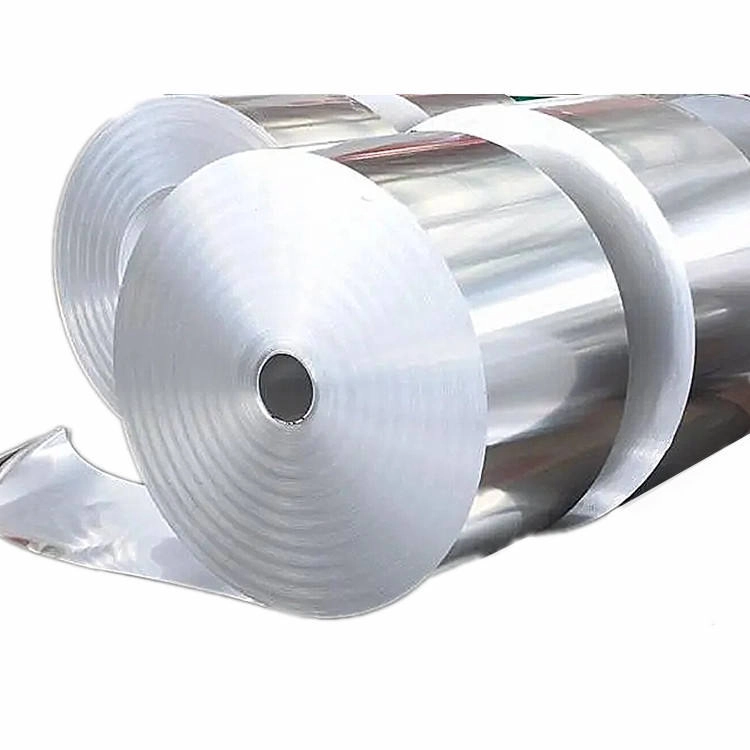
According to material science fundamentals explained in resources like Wikipedia’s stainless steel overview, stainless alloys rely on chromium oxide layers for corrosion resistance. At extreme temperatures, that protective layer can break down unless properly shielded. Heat treat foil thickness directly controls how long that shield survives.
For a broader introduction to foil applications, the use of stainless steel foils guide on our site provides helpful background.
Why Stainless Steel Heat Treat Foil Thickness Matters So Much
Thickness is not just a physical dimension. It determines mechanical strength, oxidation resistance, and service life at temperature.
Thin foil heats faster, folds easily, and costs less. That makes it attractive. However, thin foil oxidizes faster and becomes brittle sooner. Micro-tears during handling can ruin the atmosphere inside the wrap.
Thicker foil resists tearing, maintains integrity longer, and tolerates higher temperatures. But it requires careful folding, stronger sealing techniques, and higher material investment.
In practice, stainless steel heat treat foil thickness is a balancing act between durability and practicality.
Stainless Steel Heat Treat Foil Thickness Ranges
Most stainless steel heat treat foil is supplied in thicknesses ranging from 0.001 inch to 0.005 inch. Each range serves a specific purpose.
| Foil Thickness | Typical Use Case | Temperature Range |
|---|---|---|
| 0.001″ (25 µm) | Light-duty, short cycles | Up to 1800°F |
| 0.002″ (50 µm) | General-purpose heat treatment | Up to 2000°F |
| 0.003″ (75 µm) | Extended cycles, tool steel | Up to 2150°F |
| 0.004–0.005″ | Long soak times, high mass loads | Up to 2250°F |
These ranges are practical guidelines rather than absolute rules. Actual performance also depends on alloy grade, sealing quality, and furnace atmosphere.
For specific alloy behavior, the different grades of stainless steel foil and their uses article provides deeper insight.
Matching Stainless Steel Heat Treat Foil Thickness to Temperature
Temperature exposure is the first decision point when selecting foil thickness.
Below 1800°F, thin foil often performs well. Oxidation rates remain manageable, and cycle times are usually short. For small parts or prototypes, thinner foil can be sufficient.
Between 1800°F and 2000°F, oxidation accelerates. Here, 0.002″ stainless steel heat treat foil thickness becomes the industry workhorse. It balances durability with ease of handling and remains cost-effective for most applications.
Above 2000°F, especially near the upper limits of tool steel heat treatment, thin foil becomes unreliable. Thick foil slows oxygen diffusion and resists embrittlement longer.
If you regularly work with alloys such as A2, D2, or high-speed steels, reviewing what is the heat tolerance of 316 stainless steel helps explain why alloy choice and thickness must align.
Cycle Duration and Its Impact on Foil Thickness Selection
Time at temperature matters as much as peak temperature.
Short cycles expose foil briefly. Long soak times punish it. A thin foil that survives a 20-minute cycle may fail after two hours at the same temperature.
As a rule, longer cycles demand thicker stainless steel heat treat foil thickness, even if temperature remains constant. Thicker foil oxidizes more slowly, buying you time and stability.
This becomes critical in vacuum furnaces or batch heat treatment where parts remain hot for extended periods.
Part Geometry and Load Size Considerations
Sharp edges, corners, and heavy parts stress foil more than smooth, lightweight components.
Thin foil tears easily when wrapped around angular geometries. Even small punctures allow oxygen ingress. Thick foil stretches less and resists edge cutting.
Large loads also expand and contract more during heating and cooling. That movement pulls on seams and folds. Thicker foil tolerates this mechanical stress better.
If you heat treat complex assemblies or stacked parts, selecting a higher stainless steel heat treat foil thickness often prevents costly rework.
Sealing Quality and Foil Thickness Relationship
Thickness influences how well seams seal.
Thin foil folds tightly, but it also tears if overworked. Thick foil holds its shape but requires deliberate folding and crimping.
A poor seal negates even the best foil thickness. That is why thickness selection should always go hand-in-hand with proper wrapping technique. Our stainless steel foil heat treatment guide walks through sealing methods that match different foil gauges.
Cost Efficiency: Is Thicker Always Better?
Thicker foil costs more per square foot. It also increases labor time during wrapping. That cost adds up in high-volume operations.
However, failed heat treatment costs far more. Scrapped parts, reprocessing, and downtime quickly outweigh foil savings.
The smartest approach is not maximum thickness, but optimal stainless steel heat treat foil thickness for the job. For many shops, that sweet spot sits at 0.002″ or 0.003″.
Industrial Standards and Real-World Practice
While no universal standard mandates foil thickness, many heat treaters follow internal guidelines based on experience.
Aerospace and medical industries tend to favor thicker foil for consistency and traceability. Small fabrication shops often use thinner foil for flexibility and cost control.
Across industries, the trend remains consistent: as temperatures and expectations rise, so does foil thickness.
Stainless Steel Grades and Thickness Compatibility
Not all stainless foils behave the same at identical thicknesses. Chromium content, nickel levels, and alloy stability matter.
For example, 309 and 310 stainless foils resist oxidation better than 304 at high temperatures. That means a slightly thinner foil of a higher-grade alloy may outperform a thicker low-grade foil.
Choosing thickness without considering grade limits performance. The products section on our site lists available foil grades suited for various thickness ranges.
Mistakes When Choosing Heat Treat Foil Thickness
Many failures trace back to assumptions rather than data.
One common mistake is reusing foil that has already embrittled. Thickness does not reset oxidation history. Another mistake is using thin foil at high temperature simply because it “worked last time.”
Consistency requires respecting material limits. Thickness selection should be intentional, not habitual.
How Stainless Steel Heat Treat Foil Thickness Affects Surface Finish
Surface finish quality correlates directly with oxygen exposure.
Thin foil that oxidizes early allows scale formation. Thick foil maintains a low-oxygen environment longer, preserving surface integrity.
For precision components, tooling, and dies where post-processing must be minimal, selecting the correct stainless steel heat treat foil thickness becomes a quality control decision, not just a protective one.
Sustainability and Material Efficiency
Using foil that fails prematurely wastes material and energy. Conversely, over-specifying thickness increases consumption unnecessarily.
Optimizing thickness improves sustainability by reducing scrap rates and repeat cycles. It also aligns with efficient material use practices increasingly demanded by modern manufacturing.
When to Upgrade Foil Thickness
If you notice repeated oxidation, seam failure, or inconsistent results, thickness is often the silent culprit.
Upgrading thickness by just 0.001″ can significantly extend foil life. Many shops report immediate improvements after modest thickness increases.
If uncertainty remains, consulting experienced suppliers through contact us can clarify selection based on real operating conditions.
Summary
Selecting the right stainless steel heat treat foil thickness is not guesswork. It is a technical decision shaped by temperature, time, part geometry, alloy grade, and quality expectations. Thin foil offers flexibility and savings. Thick foil delivers durability and consistency. The best results come from understanding where each fits. When thickness aligns with application, heat treatment becomes predictable, surfaces stay clean, and parts perform as designed. That reliability is what separates controlled processes from costly surprises. For deeper technical insights and product options, explore the stainless steel foil blog or review our full material guides. Get For more information visit stainless steel foil and contact us.
FAQs
What is the best stainless steel heat treat foil thickness for general use?
For most applications, 0.002″ stainless steel heat treat foil thickness provides an ideal balance between durability, cost, and ease of handling.
Can thin stainless steel heat treat foil work at high temperatures?
Thin foil can survive short high-temperature cycles, but it should increase for longer or repeated exposure.
Does thicker foil improve sealing quality?
Thicker foil supports stronger seams, but proper folding technique matters as much as this itself.
How does foil thickness affect oxidation resistance?
Greater stainless steel heat treat foil thickness slows oxygen diffusion, delaying oxidation and preserving surface finish longer.
Is thicker foil always more cost-effective?
Not always. The most cost-effective stainless steel heat treat foil thickness is the one that prevents failure without unnecessary material use.