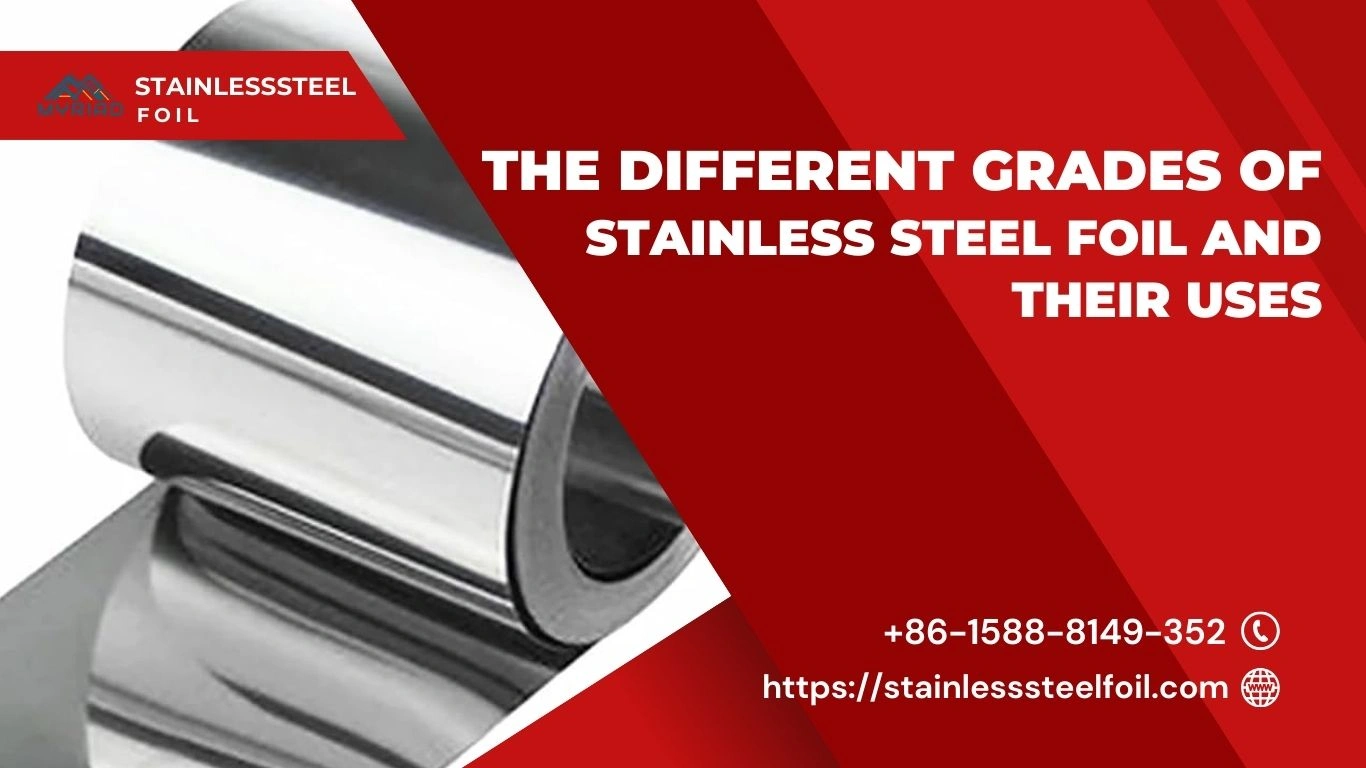
Stainless Steel Foil is one of the most versatile and reliable materials used across engineering, medical devices, consumer electronics, aerospace, kitchenware, packaging, and scientific applications. Its structure, durability, thermal stability, and corrosion resistance make it ideal for industries that demand thin, high-strength metallic layers.
A properly selected stainless steel grade ensures consistent performance, lifespan, and safety. The thin and precisely rolled foils supplied by advanced manufacturers such asStainlessSteelFoil.com play a significant role in delivering ultra-thin, precision-engineered materials that meet global quality demands.
For readers who want to understand what stainless steel is, here is a reliable external source:Stainless Steel – Wikipedia.
This blog explains every major grade of stainless steel foil, their composition, properties, uses, advantages, and limitations. You will also find a detailed stainless steel grades chart, comparisons, and high-performing materials trusted worldwide.
What is Stainless Steel Foil?
A complete guide to stainless steel foil is available here:What is Stainless Steel Foil?.
Stainless steel foil is a thin metallic sheet made from stainless steel, typically ranging from 0.005 mm to 0.2 mm in thickness. Despite being extremely thin, it maintains high strength, corrosion resistance, and thermal endurance.
The foil is produced through ultra-precise rolling techniques described in detail here:How Stainless Steel Foil Is Made — From Hot Rolled Coil to Ultra-Thin Precision.
Stainless Steel Composition Percentage
The properties of any stainless steel foil depend on its chemical composition. The main elements include:
| Element | Role |
|---|---|
| Iron (Fe) | Base metal |
| Chromium (Cr) | Provides corrosion resistance |
| Nickel (Ni) | Improves ductility and strength |
| Carbon (C) | Controls hardness and tensile strength |
| Manganese (Mn) | Enhances mechanical performance |
| Molybdenum (Mo) | Improves pitting resistance |
| Silicon (Si), Phosphorus (P), Sulfur (S) | Minor additives for stability |
Most stainless steels contain at least 10.5% chromium, which forms a passive oxide layer preventing rust.
Understanding the 5 Types of Stainless Steel
Many users look for 5 types of stainless steel, which generally refer to:
1. Austenitic Stainless Steel
Most common and widely used.
Contains high chromium and nickel.
Non-magnetic, excellent corrosion resistance.
Includes 304, 301, 316, 321 grades.
2. Ferritic Stainless Steel
Low nickel, moderate corrosion resistance.
Magnetic.
Includes 430, 409 grades.
3. Martensitic Stainless Steel
High carbon, high strength.
Hard and magnetic.
Includes 410, 420, 440C grades.
4. Duplex Stainless Steel
Mixture of ferritic + austenitic structures.
Twice the strength of regular steels.
5. Precipitation Hardening Stainless Steel
High-performance steels improved with heat treatment.
Includes 17-4PH.
What Are the 3 Most Common Grades of Stainless Steel?
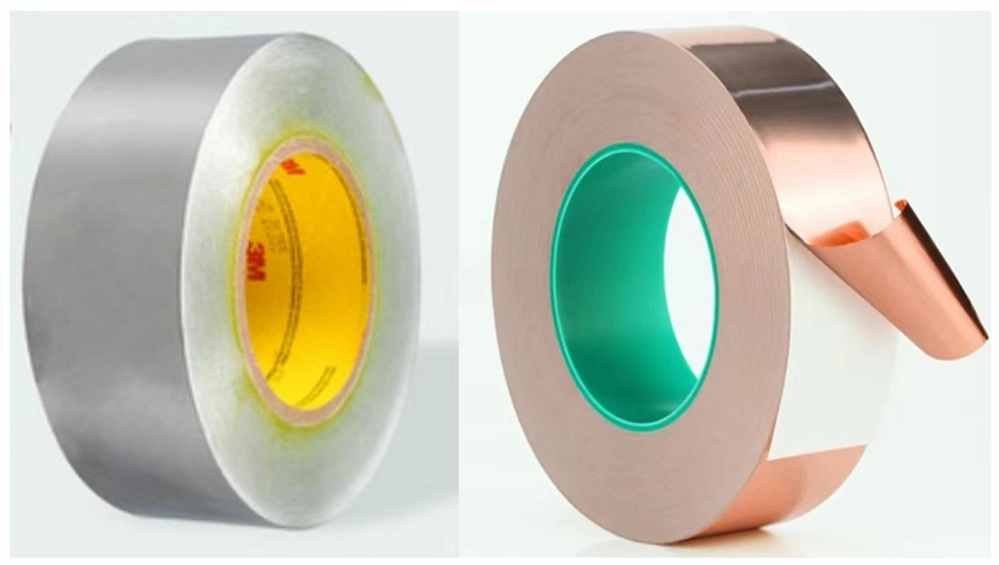
The three most widely used grades worldwide:
• 304
Versatile, corrosion-resistant, used in food, medical, electronics.
• 316
Superior corrosion resistance due to molybdenum.
• 430
Economical ferritic grade with moderate corrosion resistance.
What Are the 4 Types of Stainless Steel?
Industry standards also categorize steels into four families:
| Type | Characteristics |
|---|---|
| Austenitic | High chromium & nickel, non-magnetic |
| Ferritic | Low nickel, magnetic |
| Martensitic | High strength & hardness |
| Duplex | Strong and corrosion-resistant |
Stainless Steel Grades Chart
Below is a simplified grades chart used for foil manufacturing:
| Grade | Type | Cr (%) | Ni (%) | Carbon (%) | Key Properties |
|---|---|---|---|---|---|
| 301 | Austenitic | 16–18 | 6–8 | 0.15 max | High strength, flexible |
| 304 | Austenitic | 18–20 | 8–10.5 | 0.08 max | Excellent corrosion resistance |
| 316 | Austenitic | 16–18 | 10–14 | 0.08 max | Marine-grade, high corrosion resistance |
| 430 | Ferritic | 16–18 | 0.75 max | 0.12 max | Magnetic, economical |
| 410 | Martensitic | 11.5–13.5 | — | 0.15 max | High hardness |
Grades of Austenitic Stainless Steel Foil
Austenitic grades dominate the foil market because of their workability and corrosion resistance.
You can explore all stainless steel products here:Stainless Steel Foil Products.
301
More details:What is 301 Stainless Steel Foil?
Properties:
High tensile strength
Great for springs and flexible components
Good oxidation resistance
Uses:
Automotive shims
Electronic springs
Aerospace components
Industrial blades
304
Detailed packaging and specifications:304 Stainless Steel Foil Packaging
Properties:
Outstanding formability
Strong corrosion resistance
Safe for food and medical applications
Uses:
Heat exchangers
Medical equipment
Consumer electronics
Chemical-resistant liners
316
Properties:
Marine-grade corrosion resistance
Excellent pitting resistance due to Mo
High-temperature performance
Uses:
Ocean applications
Chemical processing
High-temperature insulation
Environmental monitoring devices
321
Properties:
Titanium stabilized
Excellent for high-temperature oxidation
Strong weldability
Uses:
Aerospace insulation
Exhaust components
High-temperature shields
Ferritic Stainless Steel Foil Grades
430
Properties:
Magnetic
Good oxidation resistance
Cost-effective
Uses:
Automotive trim
Appliances
Heat-resistant applications
Martensitic Stainless Steel Foil
410
Properties:
High hardness
Good wear resistance
Magnetic
Uses:
Industrial blades
Precision tools
Mechanical parts
Applications of Stainless Steel Foil Across Industries
This is used in:
Electronics
EMI shielding
Flexible connectors
Heat dissipation layers
Medical Devices
Surgical tools
Sensor components
Packaging
Aerospace
Thermal insulation
Structural shims
High-temperature barriers
Automotive
Exhaust systems
Catalytic converter insulation
Battery components
Food Industry
Hygiene equipment
Flexible containers
Heat-resistant packaging
Complete Guide to Stainless Steel Uses
You can explore additional product applications here: Products.
Why Stainless Steel Foil Surpasses Other Thin Metals
This is selected over copper, aluminum, or carbon steel because of:
Strong corrosion resistance
High-temperature stability
Longevity
Clean, hygienic surface
Resistant to chemicals and moisture
Easy recyclability
Its balance of strength and thinness makes it particularly valuable in electronics and medical sectors.
Where to Buy Stainless Steel Foil
You can directly purchase foil materials from a trusted source: Buy Products.
or contact the supplier for bulk inquiries: Contact US.
Summary
This is a high-performance material used in many advanced industrial applications thanks to its corrosion resistance, strength, and durability. The different grades — including 301, 304, 316, 321, 410, and 430 — offer unique characteristics that suit specialized environments. Understanding these grades helps engineers, manufacturers, and product designers select the right material for long-term performance.
For more detailed product information or to request custom stainless steel:StainlessSteelFoil.com.
FAQs
What is stainless steel foil used for?
It is used in aerospace insulation, electronics shielding, medical packaging, automotive parts, and chemical processing equipment.
What is the thinnest stainless steel available?
Manufacturers produce foils as thin as 0.005 mm, depending on the grade.
Which grade is best for marine applications?
316 stainless steel offers high pitting and corrosion resistance for marine use.
Is stainless steel magnetic?
Austenitic grades (304, 316) are non-magnetic.
Ferritic (430) and martensitic (410) grades are magnetic.
Where can I find detailed stainless steel manufacturing guides?
You can explore the entire blog section here Blog: https://stainlesssteelfoil.com/blog/