In the realm of industrial sealing, shielding, and structural repair, professionals demand nothing less than peak performance. Standard adhesive tapes simply cannot withstand the relentless demands of extreme temperatures, harsh chemicals, and constant physical wear — and this is precisely where stainless steel foil tape emerges as the gold standard in heavy-duty adhesive solutions.
Whether you are an engineer optimizing an HVAC system, an aerospace technician protecting sensitive electronics, or a homeowner seeking a lasting fix for a kitchen backsplash, grasping the science behind this material is essential. Engineered to thrive in the most demanding conditions, stainless steel foil tape operates across a temperature range of -40°C to 316°C (-40°F to 600°F), delivers tensile strength that can surpass 100,000 psi depending on alloy composition and thickness, and offers outstanding resistance to moisture, salt spray, and a broad spectrum of industrial chemicals. This piece explores the technical specifications, practical applications, and lasting advantages of choosing premium foil tape solutions for your next project.
What Exactly is Stainless Steel Foil Tape?
At its core, this specialized product is a thin stainless steel strip—usually Grade 304 or 316—coated with a high-performance adhesive. Unlike aluminum tapes, which are softer and more malleable, stainless steel foil tape offers a much higher level of tensile strength and puncture resistance. It is designed to act not just as a sealant, but as a protective barrier that mirrors the properties of solid steel.
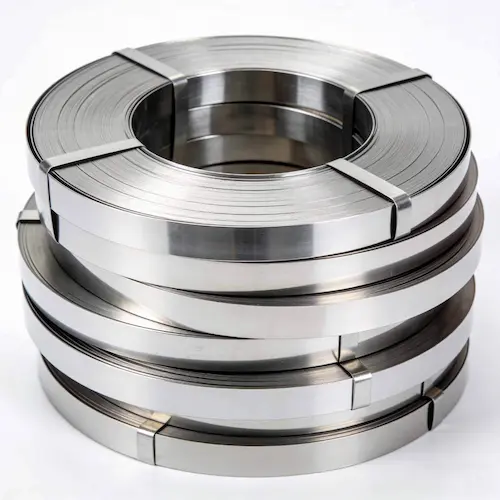
According to technical classifications found on Wikipedia’s guide to adhesive tapes, the effectiveness of a specialized tape is determined by the synergy between its backing material and its “tack” or adhesive strength. For stainless steel variants, the adhesive is typically an acrylic or silicone base, allowing it to maintain its grip in environments where temperatures might fluctuate from freezing lows to blistering highs.
If you are looking for specific dimensions or grades for a commercial project, you can explore the Stainless Steel Foil products catalog to find the right thickness for your needs.
Why Professionals Choose Stainless Steel Foil Tape Over Aluminum
When comparing stainless steel foil tape vs aluminum tape, it becomes immediately clear why stainless steel is the superior choice for demanding applications. While aluminum tape is a staple in many toolboxes, it carries notable limitations that stainless steel foil tape easily overcomes. The primary difference lies in each alloy’s inherent resistance to oxidation and mechanical stress. Aluminum is prone to tearing when applied over sharp edges or subjected to high-pressure airflows. Stainless steel, by contrast, maintains its structural integrity under significant physical load — making it the clear winner in any head-to-head comparison of stainless steel foil tape vs aluminum tape for industrial and heavy-duty use cases
A Comparative Look at Performance
| Corrosion Resistance | Moderate | Superior (Highly resistant to rust) |
| Tensile Strength | Low to Moderate | High (Resistant to punctures/tears) |
| Temperature Range | Up to 120°C | Up to 260°C (with silicone adhesive) |
| Aesthetic Match | Dull Silver | Brilliant Metallic Shine |
| Longevity | Medium-term | Permanent/Long-term |
The data suggests that for outdoor applications—especially in coastal areas where salt spray is a factor—the longevity of this tape makes it the more cost-effective choice over time, despite a higher initial price point.
Stainless Steel Foil Tape Applications Across Modern Industries
The versatility of this material is truly remarkable. Because it combines the flexibility of a tape with the ruggedness of a metal plate, it finds its way into some of the world’s most demanding sectors.
- HVAC and Nuclear Power Plants
In high-pressure ducting systems, air leaks lead to massive energy losses. Professionals use stainless steel foil tape to seal joints because it does not “creep” or lose its bond over decades. In nuclear facilities, where radiation resistance and fire safety are non-negotiable, the inorganic nature of the steel backing provides an essential safety layer that synthetic tapes cannot match.
- Marine and Chemical Processing
Saltwater is the enemy of most metals, but Grade 316 stainless steel is specifically engineered to resist chloride pitting. Utilizing self-adhesive stainless steel foil tape on pipes or hulls provides a protective shield that prevents localized corrosion. It is also a staple in chemical plants where acidic vapors would eat through standard plastic or rubberized seals within weeks.
- Electromagnetic Interference (EMI) Shielding
In our hyper-connected world, electronic interference can ruin the performance of sensitive medical or military equipment. It acts as a “Faraday cage” in miniature, blocking unwanted signals and protecting the integrity of data transmission. Its conductive properties make it an excellent choice for wrapping cables or lining equipment housings.
The Importance of Adhesive Chemistry
The “magic” of stainless steel foil tape isn’t just in the metal; it’s in the glue. Most industrial-grade tapes utilize a cross-linked acrylic adhesive. This type of bond actually grows stronger over the first 72 hours of application. Unlike rubber-based adhesives that can turn brittle and “shell off” when exposed to UV light, acrylic-backed stainless steel foil tape remains flexible and tacky even after years of direct sunlight.
For extreme-heat environments, such as those found near engines or industrial furnaces, silicone-based adhesives are used. These can withstand constant exposure to temperatures that would liquefy standard tape. When choosing a product, it is vital to match the adhesive type to your specific environmental constraints.
How to Apply Stainless Steel Foil Tape for Maximum Longevity
Even the highest-quality stainless steel foil tape will fail if the surface preparation is poor. To ensure a permanent bond that lasts for twenty years or more, professionals follow a strict application protocol.
First, the surface must be meticulously cleaned. Any trace of oil, grease, or dust will create a barrier between the adhesive and the substrate. Using an isopropyl alcohol wipe is generally the gold standard for preparation.
Second, temperature matters during the application phase. While the tape can survive in extreme cold, it should ideally be applied at room temperature to allow the adhesive to flow into the microscopic pores of the surface.
Third, use a squeegee or a roller. Because it is stiffer than plastic tapes, “finger pressure” is often insufficient to remove all air bubbles. A firm pass with a rolling tool ensures 100% surface contact, which is the key to preventing moisture from seeping under the edges.
How to Choose the Right Stainless Steel Foil Tape
Selecting stainless steel foil tape starts with environment assessment. High humidity? Go for 316-grade. Extreme heat? Prioritize silicone adhesive. Surface prep is key: clean with isopropyl alcohol for optimal bonding, as bare stainless steel’s high surface energy (700-1100 dynes/cm) ensures strong sticks.
Consider width (1-6 inches common) and length—pros buy in bulk rolls for economy. Test adhesion per ASTM standards; reputable tapes exceed 30 oz/inch peel strength. Budget pros: expect $20-50 per 50-yard roll, but longevity offsets cost. Avoid generics lacking certifications like UL or RoHS for safety-critical jobs.
Summary of Benefits
To wrap things up, stainless steel foil tape is far more than just a sticky strip of metal. It is a precision-engineered tool that provides:
- Exceptional thermal stability for high-heat environments.
- Unmatched corrosion resistance against salt, acids, and moisture.
- High tensile strength that prevents punctures and mechanical failure.
- Aesthetic consistency for modern industrial and residential designs.
Whether you are sealing a reactor or simply reinforcing a household fixture, choosing stainless steel foil tape ensures that your work stays intact for years to come. It represents the perfect intersection of chemical engineering and metallurgical science, providing a professional-grade solution for the world’s toughest sealing challenges. To explore stainless steel foils in greater detail, feel free to browse through this dedicated blog page.
FAQS
Q: What makes stainless steel foil tape different from regular adhesive tapes?
A: Unlike standard tapes, stainless steel foil tape offers superior resistance to extreme temperatures, corrosive chemicals, and physical abrasion — making it the preferred choice for industrial, HVAC, and aerospace applications.
Q: What temperature range can stainless steel foil tape withstand?
A: Stainless steel foil tape performs reliably across a temperature range of -40°C to 316°C (-40°F to 600°F), making it effective in both freezing and high-heat environments.
Q: Is stainless steel foil tape suitable for outdoor and moisture-prone environments?
A: Yes. Its corrosion-resistant properties make stainless steel foil tape an ideal solution for outdoor use and environments where humidity, salt spray, and chemical exposure are ongoing challenges.