When it comes to heat treatment and protecting metal tools, choosing the Best Stainless Steel Foil is not just a minor decision—it directly impacts surface finish, oxidation resistance, and overall tool quality. Whether you’re a professional heat treater or a workshop enthusiast, selecting the right foil grade can mean the difference between flawless results and costly rework.
In this in-depth guide, we’ll explore the best stainless steel foil grades for tool wrap, compare their properties, and help you make the right choice for your specific application.
What Is Stainless Steel Foil?
Before diving into grades, it’s essential to understand what stainless steel foil actually is.
According to this detailed explanation on what stainless steel foil is, stainless steel foil refers to ultra-thin sheets of stainless steel, typically less than 0.2 mm thick. These foils are widely used in heat treatment processes to create protective envelopes around tools.
For a broader scientific overview, you can also explore stainless steel on Wikipedia, which explains how chromium content gives stainless steel its corrosion-resistant properties.
In tool wrapping, stainless steel foil acts as a barrier against:
- Oxygen (prevents oxidation and scaling)
- Decarburization
- Contamination during heating cycles
Why Choosing the Best Stainless Steel Foil Matters
Many users underestimate the importance of selecting the right foil grade. However, during high-temperature processes like annealing or hardening, materials face extreme conditions.
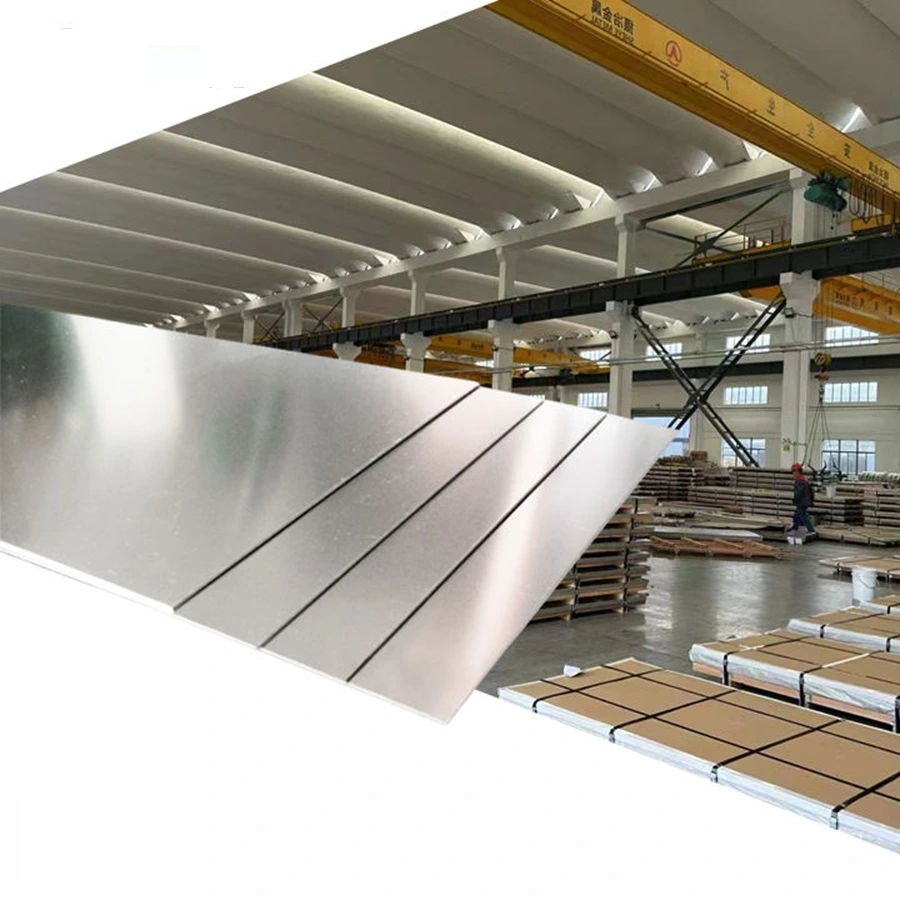
Using the Best Stainless Steel Foil ensures:
- Clean, scale-free tool surfaces
- Reduced post-processing time
- Consistent metallurgical results
- Lower rejection rates
If you’re regularly performing heat treatment, investing in high-quality foil from a reliable source like stainless steel foil products is essential.
Key Factors When Selecting Stainless Steel Foil for Tool Wrap
Choosing the right foil involves more than just picking a grade. Several factors play a role in performance:
Temperature Resistance
Each stainless steel grade has a maximum temperature limit. Tool wrap applications often exceed 1000°C.
Oxidation Resistance
Higher chromium and nickel content improves oxidation resistance, which is crucial for maintaining tool integrity.
Thickness
Foil thickness affects durability and sealing ability. Learn more about optimal thickness in this guide on stainless steel foil tool wrap thickness.
Mechanical Strength
Thicker or stronger foils resist tearing during wrapping and heating.
Cost Efficiency
Premium grades cost more but may save money by reducing tool damage and rework.
Best Stainless Steel Foil Grades for Tool Wrap
Let’s break down the most commonly used grades and determine which one qualifies as the Best Stainless Steel Foil for your needs.
304 Stainless Steel Foil – The Industry Standard
The most widely used option is 304 stainless steel foil. It offers a balanced combination of performance and affordability.
You can explore its properties in detail here:What is 304 stainless steel foil?
Key Features:
- Excellent oxidation resistance up to ~1100°C
- Good formability and flexibility
- Cost-effective for most applications
Best For:
- General heat treatment
- Tool wrapping for standard steels
- Medium to high-temperature applications
304 is often considered the Best Stainless Steel Foil due to its versatility.
321 Stainless Steel Foil – High-Temperature Specialist
321 stainless steel includes titanium, which stabilizes the structure at high temperatures.
Key Features:
- Superior resistance to intergranular corrosion
- Performs well above 1100°C
- Reduced carbide precipitation
Best For:
- Aerospace tools
- High-temperature heat cycles
- Precision applications
If your processes involve extreme heat, 321 may outperform 304 as the Best Stainless Steel Foil.
301 Stainless Steel Foil – Strength-Focused Option
For applications requiring high strength, 301 stainless steel foil is a strong candidate.
Learn more here:What is 301 stainless steel foil?
Key Features:
- Higher tensile strength than 304
- Good corrosion resistance
- Excellent spring properties
Best For:
- Applications requiring durability
- Reusable foil wraps
- Structural wrapping needs
While not always the Best Stainless Steel Foil for high heat, it excels in strength-based applications.
309 & 310 Stainless Steel Foils – Extreme Heat Champions
These grades are designed for extreme environments.
Key Features:
- Excellent oxidation resistance above 1100°C
- High chromium and nickel content
- Exceptional thermal stability
Best For:
- Furnace operations
- High-end industrial heat treatment
- Prolonged exposure to extreme heat
For the most demanding environments, these grades often become the Best Stainless Steel Foil choice.
Comparison Table of Stainless Steel Foil Grades
| Grade | Max Temperature | Strength | Oxidation Resistance | Cost | Best Use |
|---|---|---|---|---|---|
| 301 | ~900°C | High | Moderate | Low | Strength-focused applications |
| 304 | ~1100°C | Medium | High | Medium | General tool wrap |
| 321 | ~1150°C | Medium | Very High | Medium-High | High-temp stability |
| 309 | ~1200°C | Medium | Excellent | High | Extreme heat |
| 310 | ~1250°C | Medium | Outstanding | High | Ultra-high temperature |
What Thickness Works Best for Tool Wrap?
Thickness is just as important as grade selection.
According to heat treat foil thickness guidelines:
- 0.025 mm – 0.05 mm: Light-duty wrapping
- 0.05 mm – 0.1 mm: Standard tool wrap
- 0.1 mm+: Heavy-duty or repeated use
If you’re unsure, check this resource on precision stainless steel foil for more technical insights.
How Stainless Steel Foil Improves Heat Treatment Results
Using the Best Stainless Steel Foil transforms the entire heat treatment process.
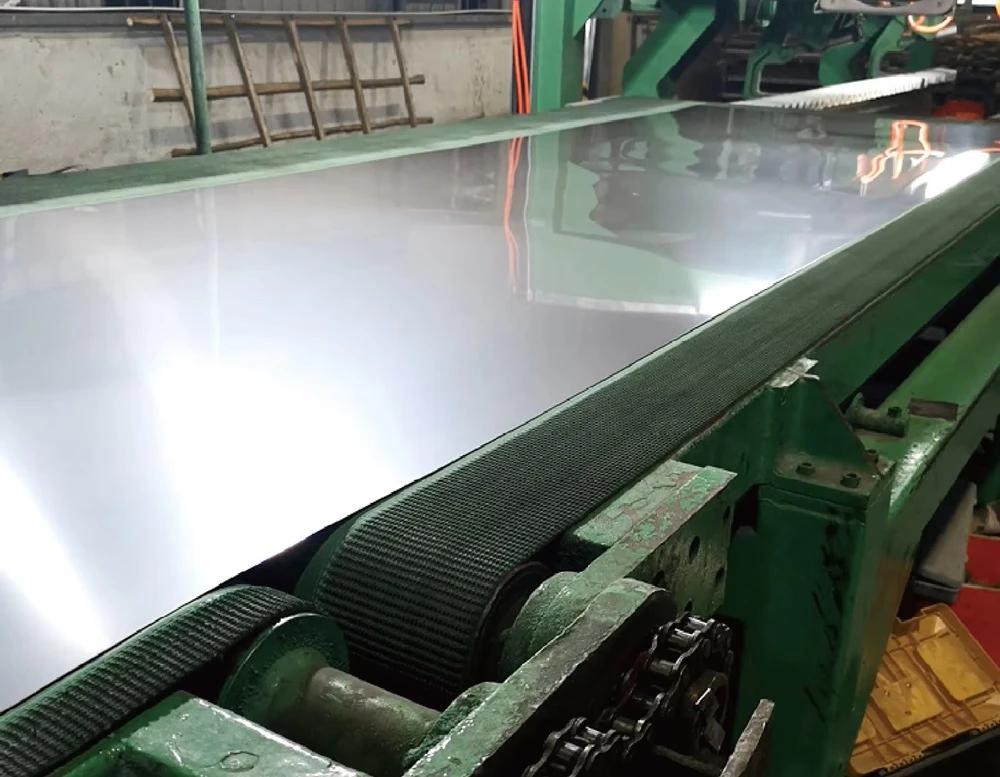
Detailed insights can be found here:
heat treatment with stainless steel foil
Key Benefits:
- Prevents oxidation and scaling
- Maintains surface hardness
- Eliminates decarburization
- Reduces need for polishing
You can also explore stainless steel foil for heat treatment for application-specific examples.
Mistakes When Choosing Stainless Steel Foil
Even experienced users sometimes make costly mistakes.
Choosing the Wrong Grade
Using 301 instead of 304 or 321 can lead to oxidation at high temperatures.
Using Thin Foil for Heavy Applications
Thin foil tears easily, compromising the protective seal.
Poor Sealing Techniques
Even the Best Stainless Steel Foil won’t work if the wrap is not airtight.
Ignoring Temperature Limits
Each grade has limits—exceeding them leads to failure.
Where to Buy High-Quality Stainless Steel Foil
Choosing the right supplier is just as important as selecting the grade.
You can explore premium options at:
For custom requirements or bulk orders, reach out via Contact Us
Summary
Selecting the Best Stainless Steel Foil for tool wrap is essential for achieving clean, high-quality heat treatment results. While 304 stainless steel foil remains the most versatile and widely used option, specialized grades like 321, 309, and 310 offer superior performance in extreme conditions.
The right choice depends on your specific requirements—temperature, durability, and budget all play a role. By understanding these factors and using high-quality foil from trusted sources, you can significantly improve efficiency, reduce defects, and extend the life of your tools. Get for more informaion visit stainless steel foil and contact us.
FAQs
What is the Best Stainless Steel Foil for tool wrap?
The Best Stainless Steel Foil for tool wrap is typically 304 stainless steel, as it offers excellent oxidation resistance, flexibility, and cost efficiency for most heat treatment applications.
Can I reuse stainless steel foil?
Yes, but reuse depends on condition. The Best Stainless Steel Foil can sometimes be reused if it remains intact and uncontaminated after heating.
Which foil grade is best for high temperatures above 1100°C?
For extreme heat, 309 or 310 grades are considered the Best Stainless Steel Foil due to their superior oxidation resistance and thermal stability.
How thick should stainless steel foil be for tool wrapping?
The Best Stainless Steel Foil thickness usually ranges from 0.05 mm to 0.1 mm for standard applications, depending on tool size and temperature.
Why is stainless steel foil used in heat treatment?
The Best Stainless Steel Foil prevents oxidation, scaling, and decarburization, ensuring clean and precise heat-treated surfaces.