When precision matters in heat treatment, choosing the correct Stainless Steel Foil Tool Wrap thickness can make the difference between flawless parts and costly oxidation damage. Whether you are hardening high-speed tool steel, annealing components, or vacuum-sealing parts for furnace cycles, the thickness of your foil wrap plays a critical role in protection, performance, and cost-efficiency.
In this comprehensive guide, we will explore everything you need to know about Stainless Steel Foil Tool Wrap thickness selection, including technical standards, material comparisons, real-world applications, and expert recommendations. If you are sourcing premium foil products, visit the official Stainless Steel Foil website for high-quality industrial-grade solutions.
What Is Stainless Steel Foil Tool Wrap?
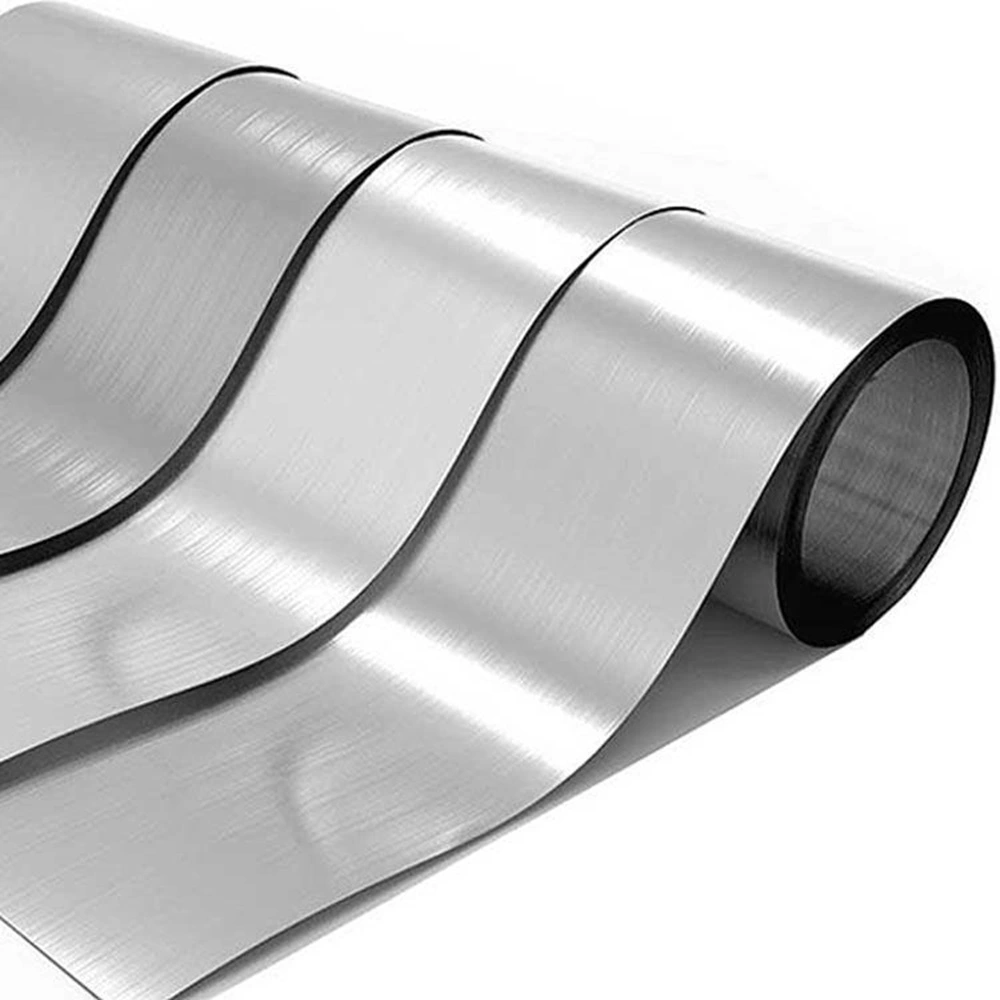
Stainless Steel Foil Tool Wrap is a thin sheet of stainless steel designed to protect tools and components during heat treatment. It forms a barrier envelope that prevents scaling, decarburization, and oxidation in high-temperature furnaces.
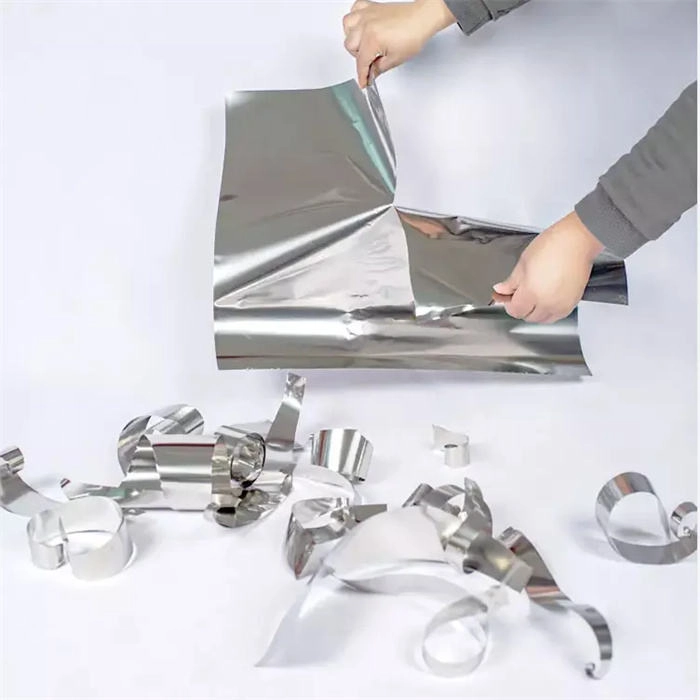
Unlike common household foils such as Aluminium foil, stainless steel foil withstands significantly higher temperatures and maintains structural integrity during extended heat cycles.
According to the material overview on Wikipedia’s stainless steel page, stainless steel contains chromium (minimum 10.5%), which forms a passive oxide layer that resists corrosion. This corrosion resistance makes it ideal for heat treatment wrapping.
Why Thickness Matters in Stainless Steel Foil Tool Wrap
Thickness directly affects three critical performance factors:
First, maximum temperature resistance.
Second, mechanical strength during handling.
Third, gas barrier performance inside the furnace.
If the foil is too thin, it may tear or fail under high temperatures. If it is too thick, it increases cost and reduces flexibility for tight wrapping.
Selecting the correct Stainless Steel Foil Tool Wrap thickness ensures:
- Reduced scale formation
- Minimized decarburization
- Better surface finish
- Lower material waste
- Improved tool longevity
You can explore available thickness options on the stainless steel foil products page.
Thickness Options for Stainless Steel Foil Tool Wrap
Below is a general industry reference table for common foil thicknesses used in tool wrapping:
| Thickness (inches) | Thickness (mm) | Typical Application | Max Temp Range |
|---|---|---|---|
| 0.001″ | 0.025 mm | Light-duty heat treating | Up to 1900°F |
| 0.002″ | 0.050 mm | General tool hardening | Up to 2100°F |
| 0.003″ | 0.076 mm | Heavy-duty industrial parts | Up to 2200°F |
| 0.004″ | 0.100 mm | High-mass components | Extreme cycles |
Most industrial users choose 0.002″ Stainless Steel Foil Tool Wrap for general tool steel hardening.
For specialized grades such as 316L foil used in high-temperature environments, refer to this in-depth guide on ultrathin 316L stainless steel foil manufacturing.
Stainless Steel Grades Used in Tool Wrap Foil
Not all stainless steel foils are created equal. The most common grades used include:
309 Stainless Steel
Offers excellent high-temperature oxidation resistance. Frequently used above 1900°F.
310 Stainless Steel
Handles extreme temperatures and repeated thermal cycling.
316 and 316L Stainless Steel
Known for superior corrosion resistance. Learn more about heat performance in this detailed article:
What is the Heat Tolerance of 316 Stainless Steel?
Understanding grade selection helps you match thickness with temperature requirements.
How to Choose the Right Stainless Steel Foil Tool Wrap Thickness
Choosing the correct thickness depends on five main factors.
Furnace Temperature
Higher temperatures require thicker foil. For example:
- Up to 1900°F: 0.001″ may suffice
- 1900–2100°F: 0.002″ recommended
- Above 2100°F: 0.003″ or thicker
If you regularly heat treat D2, H13, or M2 steel, 0.002″ Stainless Steel Foil Tool Wrap offers balanced durability and cost efficiency.
Tool Size and Mass
Large dies or molds retain heat longer. They require thicker foil to maintain envelope integrity.
Furnace Atmosphere
Vacuum and controlled atmospheres reduce oxidation. However, standard air furnaces demand thicker foil protection.
For deeper insight into heat treatment processes, review the Stainless Steel Foil Heat Treatment Guide.
Handling Requirements
Thin foil tears easily during folding and crimping. Shops that process high volumes often prefer 0.002″ or 0.003″ for easier handling.
Budget Considerations
Thicker foil costs more. However, failed batches cost significantly more than foil upgrades.
Comparing Stainless Steel Foil Tool Wrap vs Aluminum Foil
Some beginners attempt to use aluminum foil for heat treating. This is not recommended.
Aluminum melts at approximately 1220°F. Most tool steel heat treatment cycles exceed 1800°F.
In contrast, Stainless Steel Foil Tool Wrap maintains structural stability beyond 2000°F.
| Property | Aluminum Foil | Stainless Steel Foil Tool Wrap |
|---|---|---|
| Melting Point | ~1220°F | Above 2500°F |
| Oxidation Resistance | Low | High |
| Heat Treating Suitability | Not suitable | Ideal |
| Strength at High Temp | Weak | Strong |
For professional applications, always choose certified industrial stainless foil from trusted suppliers such as the Steel Foil Sheet collection.
Best Practices for Wrapping Tools with Stainless Steel Foil Tool Wrap
Proper wrapping ensures maximum performance.
Start by cutting a sheet large enough to fully enclose the tool. Leave extra space for folding seams.
Next, fold edges tightly. Use double folds to create airtight seams.
Avoid punctures. Even small holes allow oxygen inside.
For extra protection, add a small piece of paper inside the wrap. During heating, the paper consumes residual oxygen and creates a reducing environment.
You can explore additional applications in the article about the use of stainless steel foils.
Industry Statistics and Performance Insights
Research published in materials engineering journals indicates that oxidation can increase surface roughness by 20–40% when tools are unprotected during heat treatment.
Shops that use proper Stainless Steel Foil Tool Wrap report:
- Up to 90% reduction in scale formation
- 30% reduction in post-treatment grinding time
- Extended tool lifespan
These numbers highlight why thickness selection matters.
Cost vs Performance Analysis
While thicker Stainless Steel Foil Tool Wrap costs more per square foot, it reduces failure rates.
For example:
- 0.001″ foil may cost 15% less than 0.002″
- However, tearing risk increases by nearly 40% in heavy components
In industrial manufacturing, reliability outweighs minimal material savings.
Explore premium foil options directly through the products section.
Environmental and Sustainability Considerations
Stainless steel is 100% recyclable. According to global recycling data referenced on Wikipedia’s stainless steel page, stainless steel recycling rates exceed 80% in many regions.
Using Stainless Steel Foil Tool Wrap reduces scrap rates and improves overall sustainability in heat treatment operations.
Custom Thickness and Ultrathin Options
Some industries require ultrathin foil below 0.001″.
Advanced rolling technologies now allow manufacturers to produce precision ultrathin 316L foil for specialized aerospace and medical applications.
Learn more about custom manufacturing capabilities on the official blog section.
For custom requirements or bulk orders, reach out through the Contact Us page.
Summary
Selecting the correct Stainless Steel Foil Tool Wrap thickness is essential for successful heat treatment operations. The right gauge prevents oxidation, reduces scale, improves surface finish, and extends tool life.
For most industrial applications, 0.002″ thickness offers optimal performance. However, high-temperature or heavy-mass parts may require 0.003″ or thicker foil.
Always consider furnace temperature, part size, atmosphere, and handling requirements when selecting your Stainless Steel Foil Tool Wrap. For premium-grade stainless foil products, technical guidance, and custom thickness solutions, visit stainless steel foil com.
FAQs
What thickness of Stainless Steel Foil Tool Wrap is best for general tool steel?
For most applications between 1900°F and 2100°F, 0.002″ Stainless Steel Foil Tool Wrap offers the best balance of durability and flexibility.
Can I reuse Stainless Steel Foil Tool Wrap?
In most cases, Stainless Steel Foil Tool Wrap is designed for single-use because repeated heat cycles weaken structural integrity.
Does thicker Stainless Steel Foil Tool Wrap improve oxidation resistance?
Yes. Thicker Stainless Steel Foil Tool Wrap improves mechanical strength and reduces the risk of oxygen penetration during high-temperature cycles.
Is 316L suitable for Stainless Steel Foil Tool Wrap?
Yes. 316L Stainless Steel Foil Tool Wrap performs well in corrosive or high-humidity environments and offers excellent heat resistance.
Where can I buy industrial-grade Stainless Steel Foil Tool Wrap?
You can purchase certified Stainless Steel Foil Tool Wrap directly from the manufacturer at stainless-steel-foil.