In advanced manufacturing industries, heat treatment is more than just a technical process. It is a critical step that determines the final strength, durability, and reliability of metal components. Whether used in aerospace, automotive, electronics, or medical manufacturing, controlled heat treatment directly affects product performance. In this demanding environment, Stainless Steel Foil has become an essential material for protecting parts, improving surface quality, and ensuring consistent results.
From vacuum furnaces and annealing chambers to sintering and brazing processes, Stainless Steel Foil plays a vital role in modern thermal processing. Its exceptional heat resistance, chemical stability, and dimensional precision make it the preferred solution for manufacturers seeking accuracy and long-term reliability.
In this in-depth guide, we explore how stainless steel foil supports heat treatment applications, its technical advantages, grade selection, industry trends, and how to source high-quality materials for professional use.
Stainless Steel Foil in Heat Treatment Applications
Before exploring performance and applications, it is important to understand what stainless steel foil is and why it is so valuable in thermal processing.
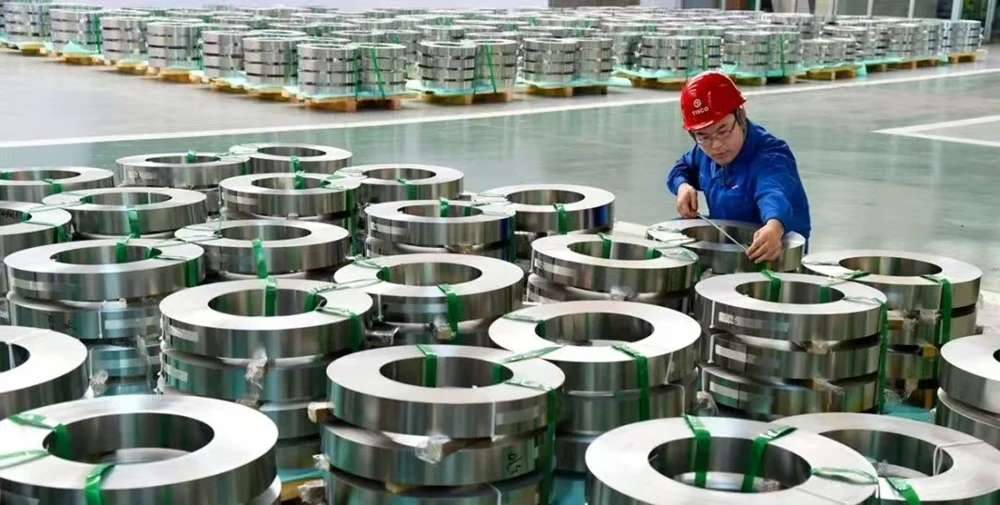
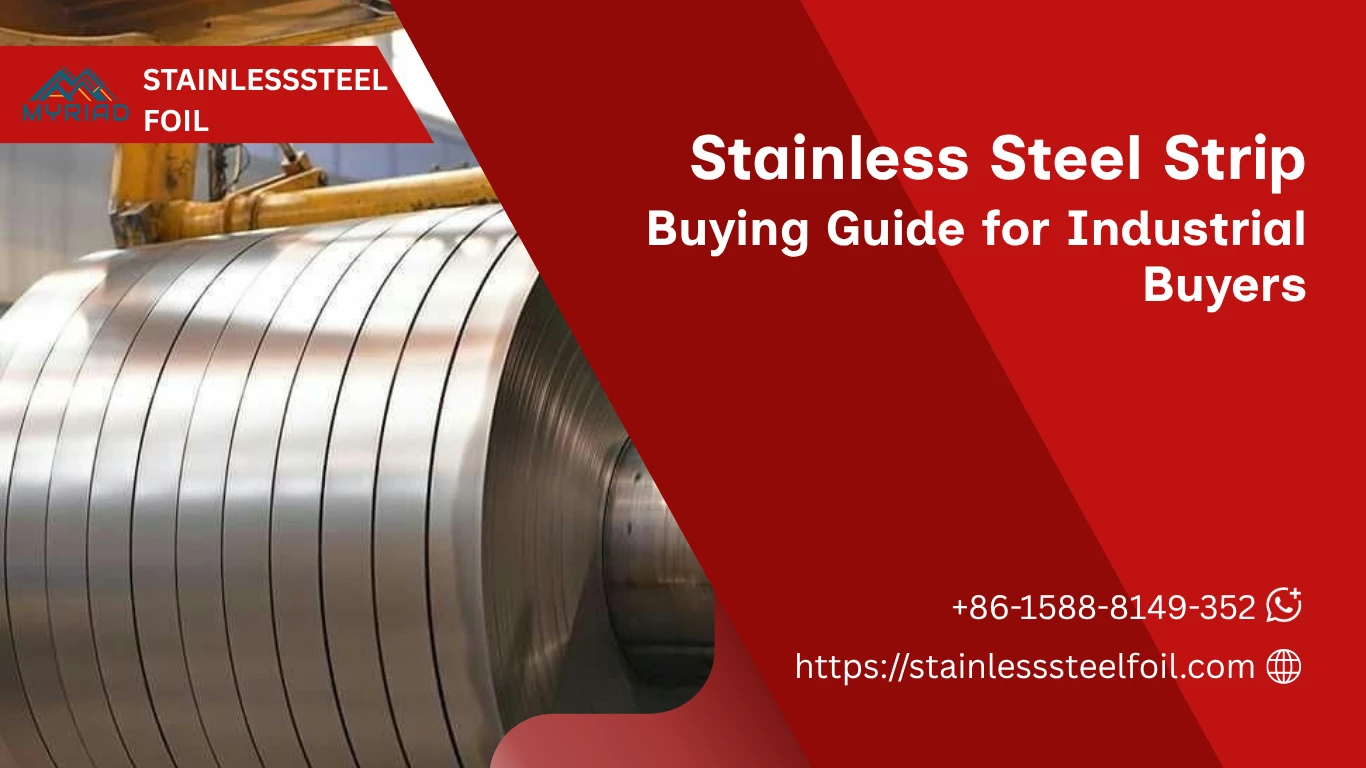
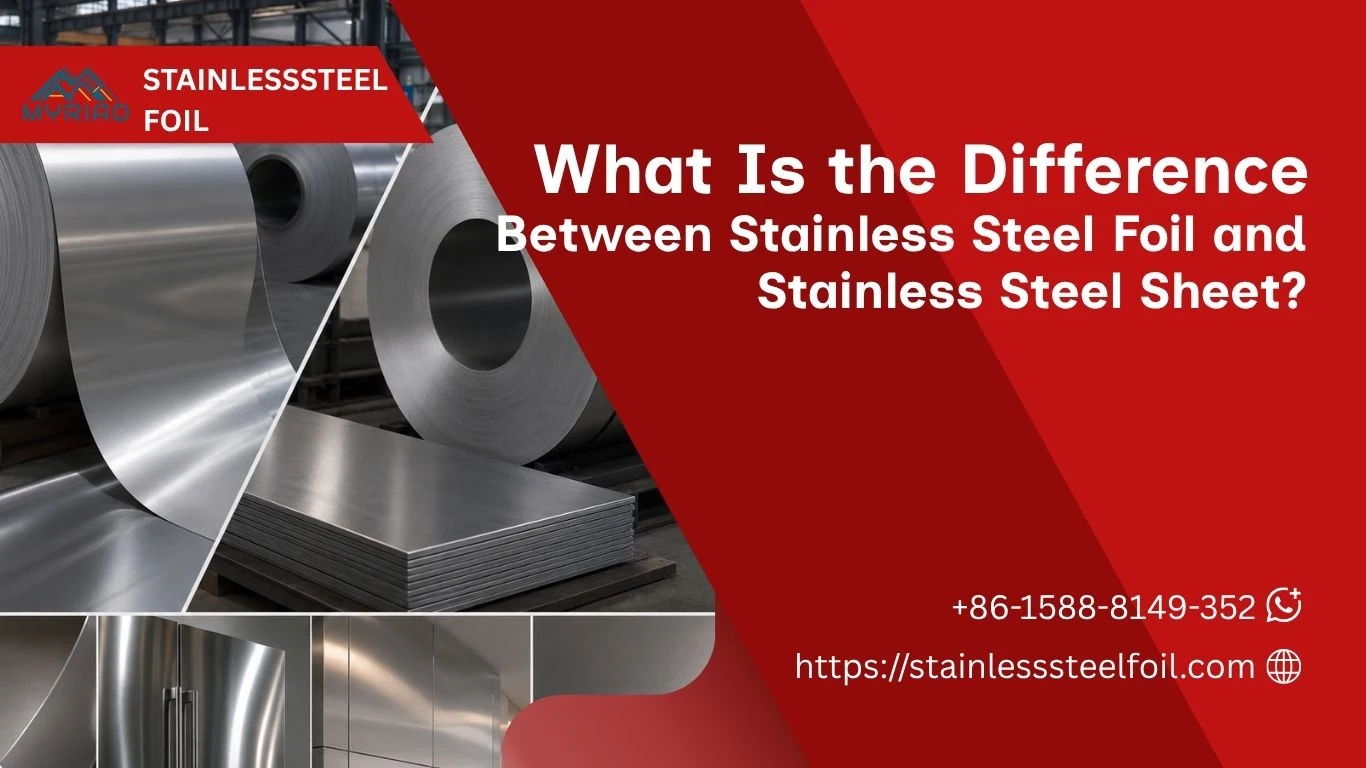
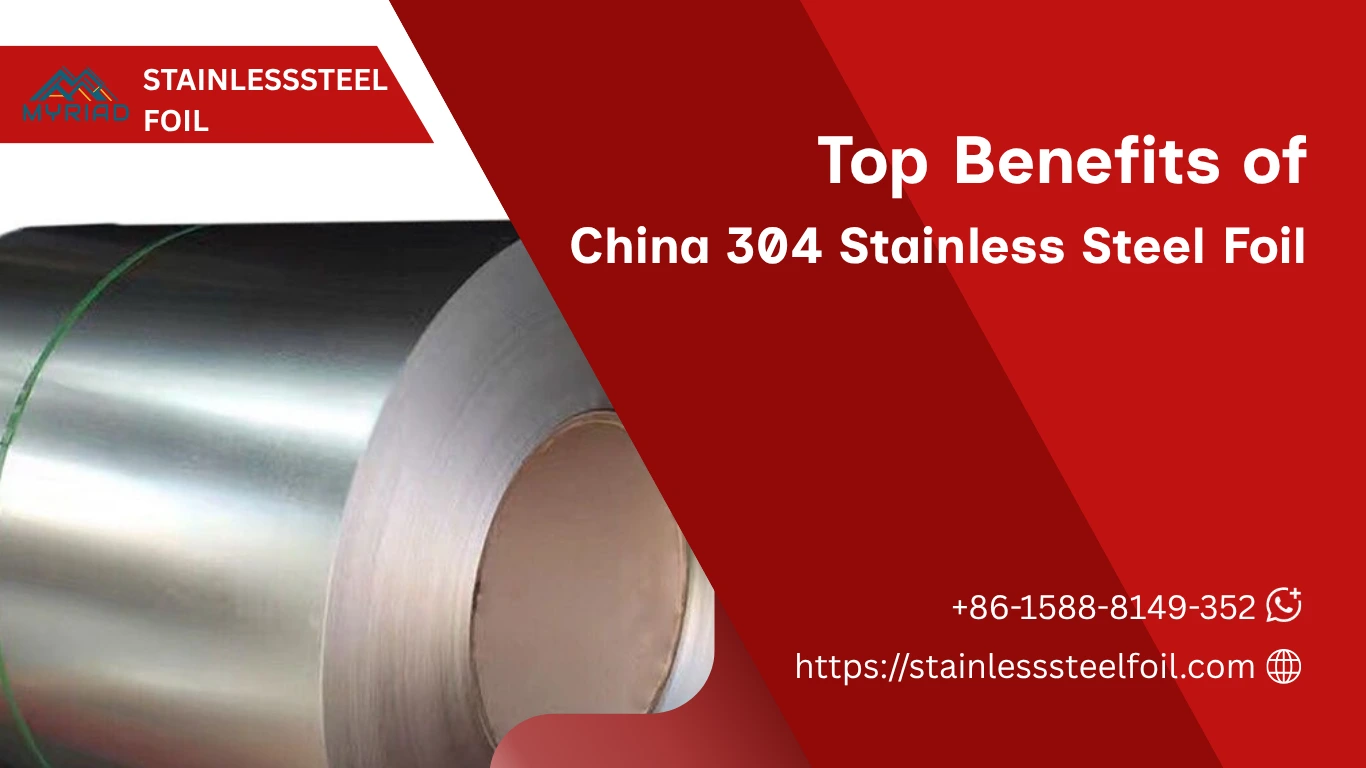
Stainless steel foil is an ultra-thin, flat-rolled form of stainless steel, typically ranging from a few microns to several tenths of a millimeter in thickness. It is produced through advanced cold rolling and finishing techniques that ensure uniform thickness and surface quality.
According to metallurgical definitions published by Wikipedia, stainless steel is an alloy containing at least 10.5% chromium. This chromium content forms a passive oxide layer that protects the metal from oxidation and corrosion, even under elevated temperatures.
This protective layer makes Stainless Steel Foil particularly suitable for heat treatment environments where oxygen, moisture, and reactive gases can damage conventional materials.
For a detailed overview of foil characteristics, visit the guide on what is stainless steel foil.
Why Stainless Steel Foil Is Essential in Heat Treatment Processes
Heat treatment exposes materials to extreme temperatures, sometimes exceeding 1,000°C. Under these conditions, many metals degrade, warp, or contaminate surrounding components. Stainless Steel Foil addresses these challenges in several important ways.
Superior Oxidation Resistance
During heat treatment, oxidation is one of the most common problems. When metal surfaces react with oxygen, scale forms, weakening the material and affecting surface finish. Stainless steel foil creates a protective barrier that minimizes oxygen exposure and prevents scaling.
High Thermal Stability
Unlike aluminum or carbon steel, Stainless Steel Foil retains its mechanical integrity at high temperatures. It resists softening, distortion, and cracking during prolonged heating cycles.
Chemical Compatibility
Many heat treatment environments involve hydrogen, nitrogen, argon, or vacuum atmospheres. Stainless steel foil remains stable in these environments and does not release harmful contaminants.
Dimensional Precision
Thin foil maintains consistent thickness and flatness, which is essential for wrapping, shielding, and separating components during thermal processing.
Major Heat Treatment Applications of Stainless Steel Foil
Protective Wrapping for Annealing and Hardening
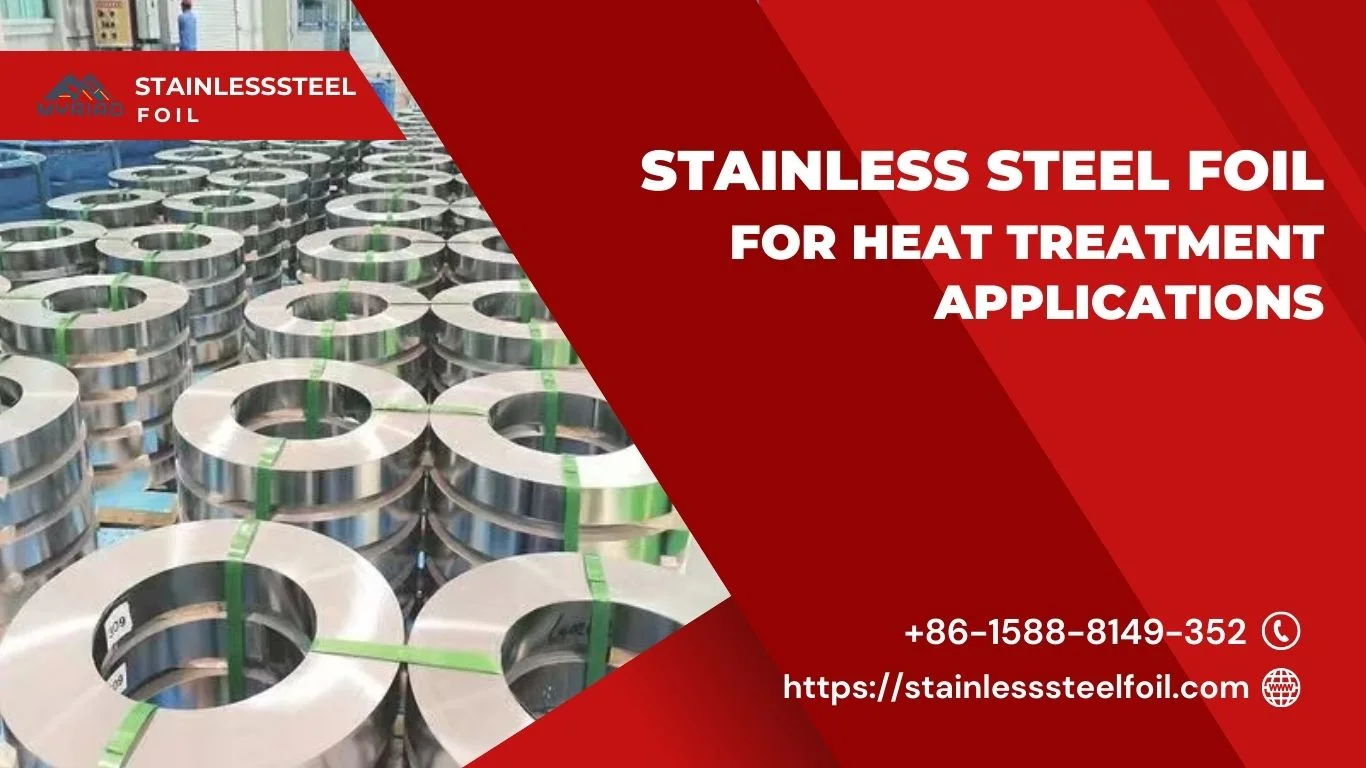
One of the most common uses of Stainless Steel Foil is protective wrapping. Manufacturers wrap parts in foil before placing them in furnaces. This technique:
- Prevents oxidation
- Reduces decarburization
- Improves surface finish
- Minimizes post-processing
It is widely used in tool steel hardening, aerospace component annealing, and precision mechanical parts.
Vacuum Furnace Shielding
Vacuum heat treatment requires clean, contamination-free environments. Stainless steel foil acts as a shielding layer that prevents direct contact between parts and furnace elements.
This improves temperature uniformity and reduces equipment wear.
Brazing and Sintering Support
In brazing and sintering, foil serves as a support or separator material. It helps maintain part alignment and prevents unwanted bonding.
High-purity Stainless Steel Foil is especially important in electronics and medical device manufacturing.
Diffusion Bonding and Hot Pressing
Advanced joining techniques rely on controlled heat and pressure. Stainless steel foil provides uniform load distribution and prevents surface damage during bonding.
Stainless Steel Grades Used in Heat Treatment Foils
Selecting the correct grade determines how well foil performs under thermal stress.
301 Stainless Steel Foil
301 offers high strength and good fatigue resistance. It is commonly used in applications requiring flexibility and repeated thermal cycling.
Learn more at what is 301 stainless steel foil.
304 Stainless Steel Foil
304 is the most widely used grade for heat treatment wrapping. It provides excellent oxidation resistance, formability, and cost efficiency.
Detailed information is available at what is 304 stainless steel foil.
316 Stainless Steel Foil
316 contains molybdenum, which improves resistance to aggressive chemicals and high-temperature corrosion. It is ideal for demanding environments. Explore this grade at what is 316 stainless steel foil.
Technical Comparison of Stainless Steel Foil Grades
| Grade | Corrosion Resistance | Strength | Common Applications |
|---|---|---|---|
| 301 | Moderate | High | Aerospace, Automotive |
| 304 | Excellent | Medium | Food, Medical, General |
| 316 | Superior | High | Marine, Pharmaceuticals |
This comparison explains why 304 and 316 dominate industrial Stainless Steel Foil applications.
Manufacturing Process: From Coil to Precision Foil
Producing stainless steel foil requires exceptional control and advanced technology.
Cold Rolling
Large stainless steel coils are repeatedly cold-rolled to reduce thickness. Each pass improves surface smoothness and dimensional accuracy.
Intermediate Annealing
Between rolling stages, annealing restores ductility and prevents cracking.
Precision Slitting
After reaching target thickness, coils are slit into narrow widths suitable for foil applications.
Surface Finishing
Foils may receive bright annealed, matte, or polished finishes depending on application requirements.
Final Inspection
Each batch undergoes inspection for thickness tolerance, pinholes, surface defects, and flatness. Only premium Stainless Steel Foil meets industrial standards.
Performance Advantages in Heat Treatment Operations
Improved Surface Quality
Foil wrapping minimizes oxidation and discoloration. This reduces the need for grinding, polishing, or chemical cleaning after heat treatment.
Reduced Processing Costs
By protecting components, stainless steel foil reduces scrap rates and rework. This leads to significant long-term savings.
Enhanced Process Control
Consistent foil quality improves temperature uniformity and atmosphere stability inside furnaces.
Extended Equipment Life
Shielding with foil reduces furnace contamination and element degradation, lowering maintenance costs.
Industry Trends Driving Demand for Stainless Steel Foil
Several global trends are increasing demand for heat treatment foils:
- Growth of aerospace manufacturing
- Expansion of electric vehicle production
- Miniaturization of electronic components
- Rising medical device standards
- Increased automation in heat treatment facilities
As component tolerances become tighter, reliance on high-quality Stainless Steel Foil continues to grow.
Choosing the Right Supplier for Stainless Steel Foil
Not all foils perform equally under thermal stress. Supplier selection directly affects process stability and product quality.
A reliable supplier should offer:
- Certified material traceability
- Consistent thickness control
- Custom cutting services
- Technical support
- Global logistics capabilities
Manufacturers can explore premium materials at Stainless Steel Foil and review available specifications on the products page.
For in-depth technical guidance, refer to the stainless steel foil heat treatment guide.
Cross-Industry Applications Supporting Innovation
Heat treatment foils are not limited to heavy industry. Similar materials are used in:
- Semiconductor manufacturing
- Medical implants
- Energy storage systems
- Precision sensors
Knowledge transfer between industries continues to improve Stainless Steel Foil performance and customization.
Customization and Advanced Processing Options
Modern suppliers now offer:
- Ultra-thin precision foils
- Laser-cut shapes
- Degreased and cleaned foils
- Custom alloy blends
- Pre-oxidized surfaces
These options help manufacturers integrate foil directly into automated production systems.
Quality Standards and Compliance
Industrial heat treatment foils must meet strict international standards, including:
- ASTM A240
- ASTM A480
- EN 10088
- ISO 9001
Certified Stainless Steel Foil ensures compatibility with aerospace, automotive, and medical regulations.
Staying Informed with Technical Resources
Continuous learning improves operational efficiency. Manufacturers can explore research articles and industry updates on the company blog.
For customized solutions and expert advice, visit the contact page.
Summary
Stainless Steel Foil delivers exceptional heat resistance, oxidation protection, chemical stability, and dimensional accuracy for demanding heat treatment applications.
From protective wrapping and furnace shielding to brazing support and diffusion bonding, stainless steel foil enhances process reliability and product quality. By selecting the right grade and partnering with trusted suppliers, manufacturers can reduce costs, improve yields, and meet evolving industry standards. For companies focused on long-term performance and operational excellence, Stainless Steel Foil remains an indispensable tool in advanced thermal processing.
FAQs
Why is Stainless Steel Foil used in heat treatment wrapping?
Stainless Steel Foil prevents oxidation, improves surface finish, and protects components during high-temperature processing.
Can Stainless Steel Foil be reused after heat treatment?
In some cases, Stainless Steel Foil can be reused if it remains intact and contamination-free, although reuse depends on process conditions.
Which grade of Stainless Steel Foil is best for vacuum furnaces?
For most vacuum furnaces, Stainless Steel Foil made from 304 or 316 grades provides excellent stability and cleanliness.
Does Stainless Steel Foil affect heat transfer during processing?
Stainless Steel Foil slightly modifies heat transfer but improves overall uniformity and protects sensitive surfaces.
Is Stainless Steel Foil suitable for continuous production lines?
Yes, high-quality Stainless Steel Foil supports automated and continuous heat treatment systems with consistent performance.