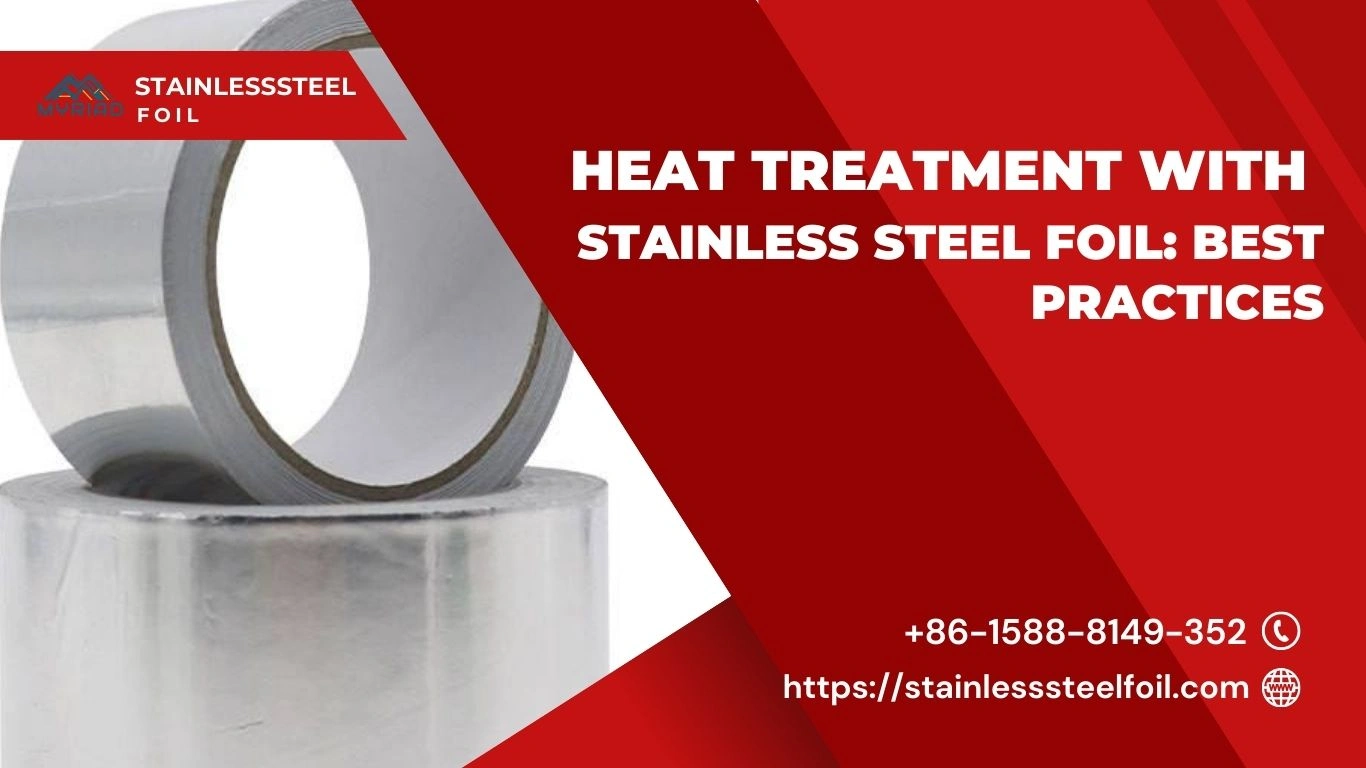
Heat treatment is one of those behind-the-scenes processes that quietly determines whether a metal component performs flawlessly or fails prematurely. In modern manufacturing, where tolerances are tighter and materials are pushed harder than ever, heat treatment with stainless steel foil has become an essential technique rather than an optional upgrade.
From aerospace tooling and medical devices to automotive components and industrial fasteners, plays a critical role in protecting surfaces, maintaining alloy integrity, and delivering consistent heat treatment results. Yet many fabricators and engineers still underestimate how much the right foil selection and handling practices can impact final outcomes.
This guide takes a practical, experience-driven look at heat treatment with stainless steel foil, explaining how it works, why it matters, and how to apply best practices for reliable, repeatable results.
To understand the broader role of stainless steel in industrial processing, it helps to begin with a foundational overview of the material itself, as outlined in this authoritative explanation of stainless steel and its properties.
Heat Treatment with Stainless Steel Foil
At its core, heat treatment modifies the internal structure of metal through controlled heating and cooling. The process enhances hardness, strength, ductility, or corrosion resistance depending on the alloy and application. However, exposure to high temperatures introduces risks—oxidation, decarburization, scale formation, and surface contamination.
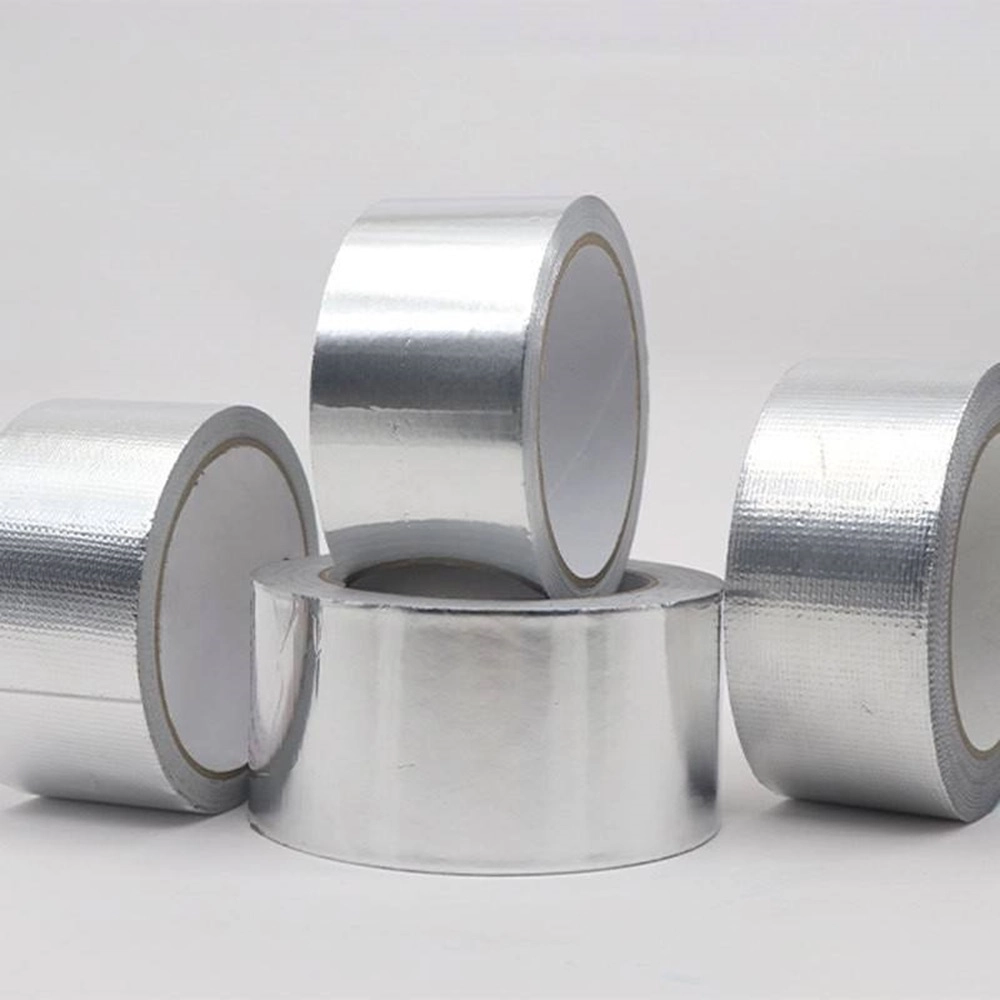
This is where heat treatment with stainless steel foil becomes indispensable.
it acts as a physical barrier during heat treatment cycles. When wrapped or sealed around parts, it limits oxygen exposure, preserves surface chemistry, and ensures uniform thermal conditions. Unlike coatings or gases that require complex systems, foil offers a direct, cost-effective solution with predictable results.
Manufacturers increasingly rely on stainless steel foil for both vacuum and atmosphere furnaces, particularly when surface finish and dimensional accuracy are critical.
Why Stainless Steel Foil Is Preferred in Heat Treatment Applications
Not all protective materials can withstand the harsh environment inside a heat treatment furnace. Stainless steel foil stands out because it combines high temperature resistance, oxidation stability, and mechanical flexibility.
During heat treatment with this, the foil maintains its integrity at elevated temperatures while preventing unwanted reactions between the furnace atmosphere and the workpiece. This is especially important for tool steels, stainless alloys, and precision components.
Another key advantage is consistency. Foil wrapping creates a controlled micro-environment around each part, reducing variability between batches. That consistency directly translates into improved quality control and fewer rejected components.
For a deeper look at how it is used across industries, this guide on the use of stainless steel foils offers valuable context.
How Heat Treatment with Stainless Steel Foil Works in Practice
The process itself is straightforward, but execution determines success.
Before heat treatment, components are cleaned thoroughly to remove oils, debris, or residues. it is then cut and folded around the part, often sealed with crimping or folding techniques to minimize air pockets. Once sealed, the wrapped part enters the furnace and undergoes the prescribed thermal cycle.
During heating, the foil limits oxygen ingress. As temperatures rise, the stainless steel foil forms a stable chromium oxide layer that further resists oxidation. When cooling begins, the foil continues to shield the surface until temperatures drop to safe levels.
This controlled environment is what makes heat treatment with stainless steel foil so effective for maintaining surface quality.
Selecting the Right Stainless Steel Foil Grade for Heat Treatment
Not all stainless steel foils perform equally at high temperatures. Grade selection depends on maximum furnace temperature, cycle duration, and alloy compatibility.
Common grades used in heat treatment include 309, 310, and 321 stainless steel foil. These alloys offer enhanced oxidation resistance and strength retention at elevated temperatures. In contrast, lower-temperature processes may use grades like 304 or 316 when conditions allow.
Understanding grade differences is critical, and this detailed breakdown of the different grades of stainless steel foil and their uses provides practical selection guidance.
For example, when processing components near the upper thermal limits of standard furnaces, grades with higher chromium and nickel content deliver superior performance and longer service life.
Temperature Limits and Performance Considerations
Every heat treatment process has temperature thresholds that must be respected. Exceeding the foil’s tolerance can lead to embrittlement, tearing, or compromised protection.
For instance, understanding the thermal behavior of specific alloys such as 316 stainless steel is essential. This resource on the heat tolerance of 316 stainless steel explains how alloy composition influences high-temperature performance.
In heat treatment with this, selecting a foil grade with a comfortable safety margin above the operating temperature reduces risk and ensures consistent results across repeated cycles.
Best Practices for Wrapping Stainless Steel Foil
Proper wrapping technique often separates successful heat treatment from disappointing outcomes.
The foil should fit snugly around the part without excessive tension. Sharp corners require additional layers or gentle folding to prevent tearing. Seams must be folded tightly, as even small gaps allow oxygen to enter and compromise surface integrity.
Equally important is foil thickness. Thinner foil improves heat transfer but sacrifices durability. Thicker foil offers better protection but may require longer soak times. Balancing these factors is a key element of best practices in this.
Avoiding Mistakes in Heat Treatment with Stainless Steel Foil
Despite its simplicity, foil-assisted heat treatment can fail when shortcuts are taken.
One frequent mistake is reusing foil beyond its effective lifespan. While some foils can withstand multiple cycles, repeated exposure weakens oxidation resistance. Another issue arises from improper sealing, which allows furnace gases to infiltrate the wrapped environment.
Contamination is another overlooked factor. Even trace residues on the workpiece or foil surface can react at high temperatures, undermining the benefits of foil protection.
Learning from proven methodologies, such as those outlined in this comprehensive stainless steel foil heat treatment guide, helps eliminate these avoidable issues.
Industrial Applications That Rely on Stainless Steel Foil Heat Treatment
The versatility of this it indispensable across a wide range of industries.
In aerospace manufacturing, heat treatment with stainless steel foil preserves the surface finish of high-value components where oxidation is unacceptable. Medical device manufacturers rely on foil wrapping to maintain biocompatibility and cleanliness during thermal processing.
Automotive suppliers use foil-assisted heat treatment to improve wear resistance in gears, springs, and fasteners without introducing scale. Tool and die makers depend on it to maintain precise dimensions in hardened tooling.
Each of these sectors benefits from the same core advantage—controlled heat treatment with minimal surface degradation.
Comparing Stainless Steel Foil to Alternative Protection Methods
Several alternatives exist, including inert gas atmospheres and vacuum furnaces. While effective, these systems often involve higher capital investment and operational complexity.
Heat treatment with this offers flexibility and scalability. It allows manufacturers to process mixed batches, run smaller lots, and adapt quickly to different component geometries without reconfiguring furnace systems.
In many cases, foil protection complements rather than replaces other methods, creating layered protection for critical applications.
Sustainability and Cost Efficiency
Beyond performance, stainless steel foil contributes to sustainability goals. Reduced scrap rates mean less material waste. Consistent results minimize rework and energy consumption associated with repeated heat treatment cycles.
When sourced from reliable suppliers, stainless steel foil offers predictable performance that supports long-term cost control. Exploring high-quality options through trusted product catalogs, such as the stainless steel foil offerings available at products, ensures consistent supply and quality.
Staying Current with Industry Knowledge
Heat treatment technology continues to evolve. New furnace designs, alloy developments, and process optimizations regularly influence best practices.
Staying informed through expert resources and industry insights, including updates shared on the stainless steel foil blog, helps manufacturers adapt to changing requirements and maintain competitive advantage.
Summary
When precision, surface integrity, and consistency matter, heat treatment with stainless steel foil delivers dependable results. By selecting the right foil grade, following proven wrapping techniques, and respecting temperature limits, manufacturers can protect their components and optimize performance. As industries continue to demand higher standards, stainless steel foil remains a practical, scalable solution that bridges traditional heat treatment methods with modern manufacturing expectations. For expert guidance or tailored solutions, manufacturers can always connect directly through the visit to stainless steel foil explore application-specific recommendations and contact us.
FAQs
What is the main purpose of heat treatment with stainless steel foil?
The primary purpose of it is to protect metal surfaces from oxidation and contamination during high-temperature processing, ensuring consistent mechanical properties and surface quality.
Which stainless steel foil grades are best for heat treatment applications?
Commonly used grades for it include 309 and 310 due to their superior oxidation resistance and stability at elevated temperatures.
Can stainless steel foil be reused for multiple heat treatment cycles?
In some cases, stainless steel foil can be reused, but for critical this applications, single-use foil ensures maximum protection and consistent results.
Does foil thickness affect heat treatment outcomes?
Yes, foil thickness influences heat transfer and durability. Selecting the right thickness is essential for effective it without compromising cycle efficiency.
it is suitable for vacuum furnace heat treatment?
Stainless steel foil works well in both vacuum and atmosphere furnaces, making heat treatment with stainless steel foil a versatile solution across furnace types.