If your business manufactures, packages, or processes food, the material you choose isn’t just a specification on a purchase order — it’s a decision that affects safety, compliance, shelf life, and your reputation with customers. Food grade stainless steel has become the industry standard for a reason: it resists corrosion, withstands repeated sanitation cycles, and doesn’t react with the products it touches. But not all stainless steel is created equal, and choosing the wrong grade, form, or supplier can lead to costly downtime, failed audits, or product contamination.
This guide breaks down exactly what to look for when sourcing food grade stainless steel, why 304 stainless steel foil has become a go-to material for food packaging and processing, the real benefits of stainless steel coil for high-volume manufacturing, and how to identify a food grade stainless steel supplier or food grade stainless steel manufacturer you can build a long-term partnership with.
What Is Food Grade Stainless Steel?
Food grade stainless steel refers to stainless steel alloys that meet strict hygiene and safety standards for direct or indirect contact with food, beverages, and pharmaceutical products. These alloys are non-porous, resistant to rust and pitting, and able to withstand high temperatures, acidic ingredients, and frequent washdowns without degrading or leaching harmful substances into food.
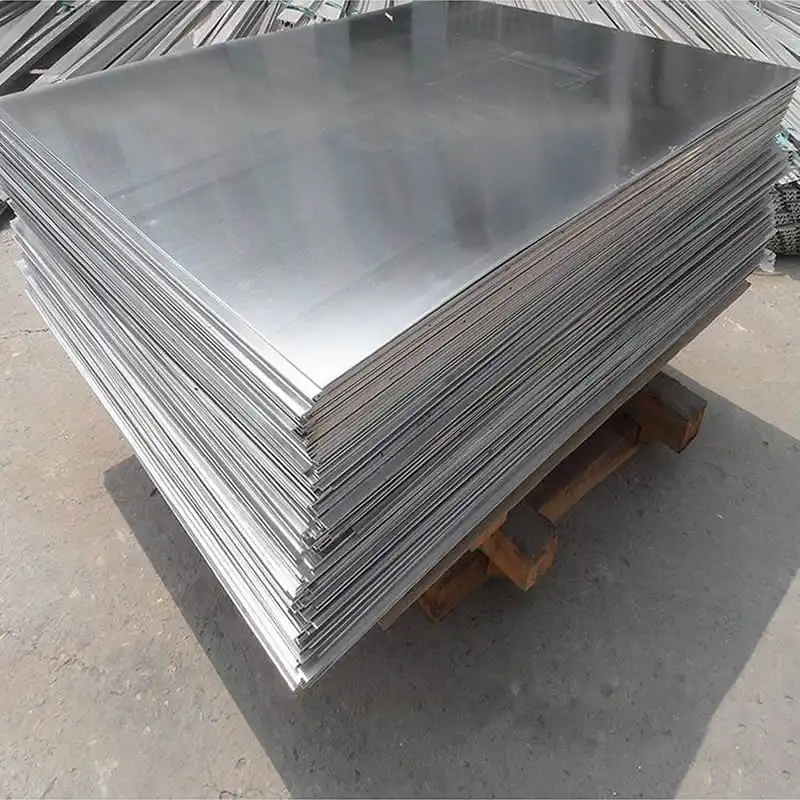
The two most common families used across the food industry are:
- 304 Stainless Steel — the most widely used grade for food equipment, containers, and packaging materials due to its excellent corrosion resistance and affordability.
- 316 Stainless Steel — used in more demanding environments, such as those involving high salt content or aggressive cleaning chemicals, thanks to its added molybdenum content.
For most commercial food operations — from bakeries and dairy processors to beverage bottlers and packaging companies — 304 grade strikes the right balance between performance and cost, which is why it’s the backbone of so many food-contact products, including foil, coil, sheet, and tubing.
Why 304 Stainless Steel Foil Is a Smart Choice for Food Businesses
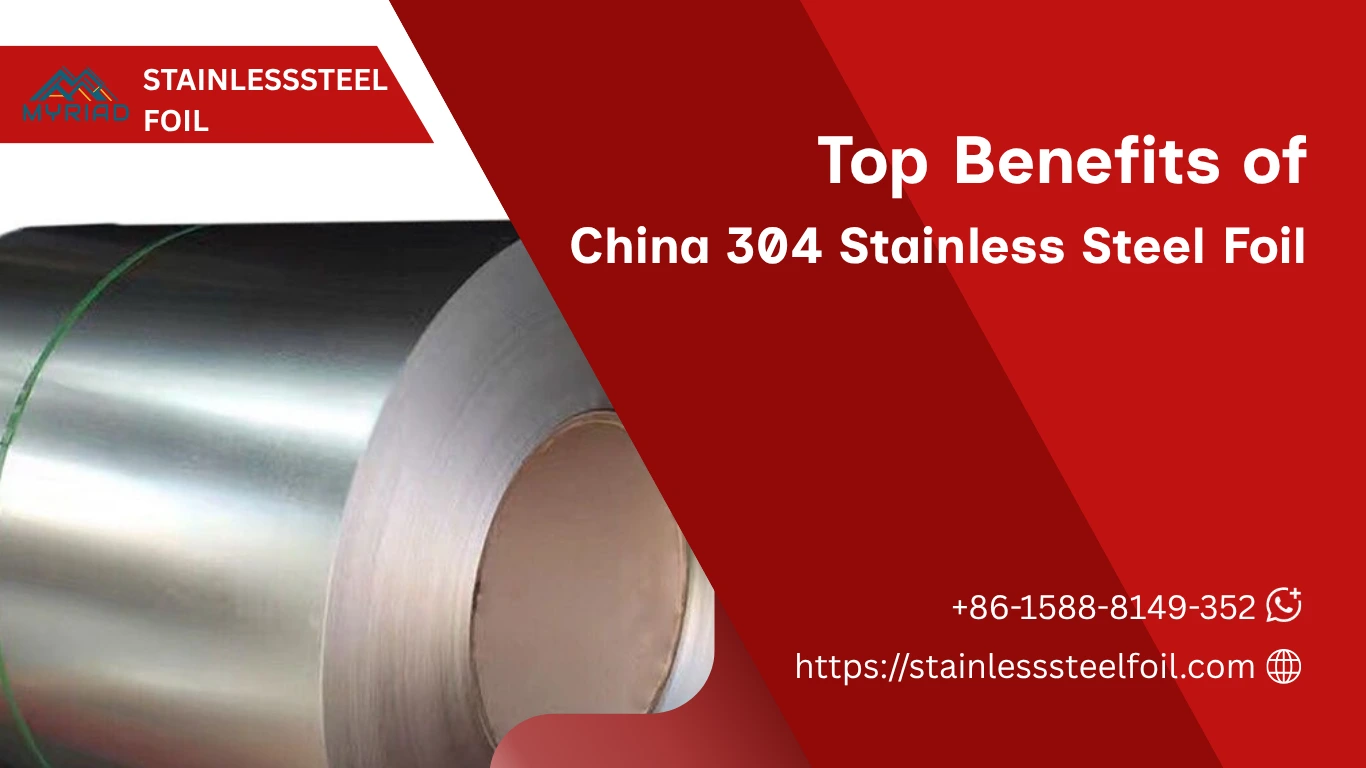
When businesses think of stainless steel, they often picture heavy equipment or countertops. But 304 stainless steel foil plays a critical, often overlooked role in food packaging, insulation barriers, and flexible container linings.
Here’s why food and packaging companies increasingly rely on it:
Superior Barrier Protection: 304 stainless steel foil creates an effective barrier against moisture, oxygen, and light — all of which accelerate food spoilage. This makes it ideal for extending shelf life in flexible packaging applications.
Heat Resistance for Processing and Sealing: Because 304 foil can withstand high temperatures without warping or degrading, it’s well-suited for thermal sealing processes, oven-safe packaging, and hot-fill applications common in the food industry.
Non-Reactive Surface: Unlike some metals that can react with acidic or salty foods, 304 stainless steel foil remains chemically stable, preserving the taste, color, and safety of the product inside.
Lightweight Yet Durable: Foil-thickness stainless steel offers strength and puncture resistance while remaining light enough for cost-efficient shipping and flexible packaging formats.
If your business is evaluating packaging upgrades or looking to reduce spoilage-related losses, sourcing high-quality 304 stainless steel foil from a reputable supplier should be a top priority.
Benefits of Stainless Steel Coil for Food Manufacturing Operations
For businesses running continuous production lines think canning facilities, dairy equipment fabricators, or commercial kitchen equipment manufacturers stainless steel coil is often the more practical raw material format. Understanding the benefits of stainless steel coil can help your procurement team make smarter, more cost-effective purchasing decisions.
Production Efficiency: Coiled stainless steel allows manufacturers to feed continuous lengths of material directly into fabrication or forming equipment, reducing downtime associated with switching out individual sheets.
Reduced Material Waste: Because coil can be cut precisely to the length needed for each run, businesses minimize offcuts and scrap, improving overall material yield and reducing costs.
Consistent Quality Across Long Runs: A single coil provides uniform thickness, finish, and composition across an entire production batch — critical for businesses that need to maintain consistent product specifications for regulatory compliance.
Easier Storage and Handling: Coils take up less floor space than stacked sheets and are easier to transport, making them a practical choice for facilities with limited warehouse space or high-volume throughput needs.
Versatility Across Applications: From food-grade tanks and conveyor systems to packaging machinery components, stainless steel coil can be slit, formed, or stamped into virtually any shape your production process requires.
For growing food and beverage businesses, investing in a reliable coil supply chain isn’t just about convenience; it directly impacts production costs, product consistency, and your ability to scale.
How to Choose the Right Food Grade Stainless Steel Supplier
Sourcing the material is only half the equation; who you source it from matters just as much. A trustworthy food grade stainless steel supplier should offer more than just competitive pricing. Here’s what your business should evaluate before signing a contract:
1. Certification and Compliance: Your supplier should be able to provide documentation proving compliance with food safety standards such as FDA regulations, NSF certification, or relevant international equivalents. Ask for mill certificates and traceability records for every batch.
2. Material Consistency: Request samples and specification sheets to confirm the supplier consistently delivers the exact grade, thickness, and finish your operation requires — batch after batch.
3. Range of Formats and Customization: The best suppliers offer stainless steel in multiple forms — foil, coil, sheet, strip, and tube — along with custom cutting, slitting, or finishing services tailored to your production needs.
4. Reliable Lead Times and Inventory: Food businesses can’t afford production delays. Choose a supplier with a strong track record of on-time delivery and sufficient inventory to handle both routine orders and unexpected demand spikes.
5. Technical Support: A knowledgeable supplier will help you select the right grade and gauge for your specific application, rather than simply pushing whatever is in stock.
Key Takeaways for Food Businesses Sourcing Stainless Steel
Choosing the right food grade stainless steel isn’t just a procurement task; it’s a decision that touches product safety, operational efficiency, and long-term cost control. Here’s a quick recap to guide your sourcing strategy:
- Understand the difference between 304 and 316 grades, and choose based on your specific processing environment.
- Consider 304 stainless steel foil for packaging and barrier applications where shelf life and heat resistance matter.
- Leverage the benefits of stainless steel coil for high-volume, continuous manufacturing operations.
- Vet any food grade stainless steel supplier for certifications, consistency, and reliability before committing to a contract.
- Evaluate whether working directly with a food grade stainless steel manufacturer makes sense for your volume and customization needs.
Final Summary
Selecting the right material and the right partner can be the difference between a smooth, compliant production line and costly disruptions down the road. If your business is evaluating suppliers or manufacturers for food grade stainless steel, whether in foil, coil, or sheet form, take the time to request certifications, samples, and references before making a final decision. A supplier who understands the unique demands of the food industry will not only meet your specifications but help you optimize your material usage, reduce waste, and stay ahead of compliance requirements as your business grows.
FAQs
What is food grade stainless steel?
Food grade stainless steel is a type of stainless steel specifically designed for direct contact with food and beverages. It offers excellent corrosion resistance, is non-reactive with most foods, and has a smooth surface that is easy to clean, making it ideal for food processing equipment, commercial kitchens, and food storage applications.
Which grade of food grade stainless steel is best for food processing?
The most commonly used grades are 304 and 316 stainless steel. Grade 304 is suitable for most food processing and kitchen equipment due to its excellent corrosion resistance and affordability. Grade 316 is recommended for environments exposed to salt, acidic foods, or harsh chemicals because it provides superior corrosion resistance.
Why is food grade stainless steel important for businesses?
Food grade stainless steel helps businesses maintain high hygiene standards, comply with food safety regulations, reduce maintenance costs, and extend the lifespan of equipment. It also minimizes the risk of food contamination, making it a reliable choice for food manufacturers and processing facilities.
What are the advantages of using food grade stainless steel over other materials?
Food grade stainless steel offers numerous benefits, including excellent corrosion resistance, high durability, easy cleaning, resistance to bacteria, long service life, recyclability, and low maintenance costs. These advantages make it a preferred material for food-related industries.
How do I choose the right food grade stainless steel supplier?
Choose a supplier that offers certified materials, consistent product quality, competitive pricing, reliable delivery, technical support, and customization options. A trusted supplier should also provide documentation such as Material Test Certificates and quality assurance reports.
What industries commonly use food grade stainless steel?
Food grade stainless steel is widely used in food processing, beverage production, dairy manufacturing, pharmaceutical production, commercial kitchens, catering equipment, food packaging, breweries, and industrial storage systems.