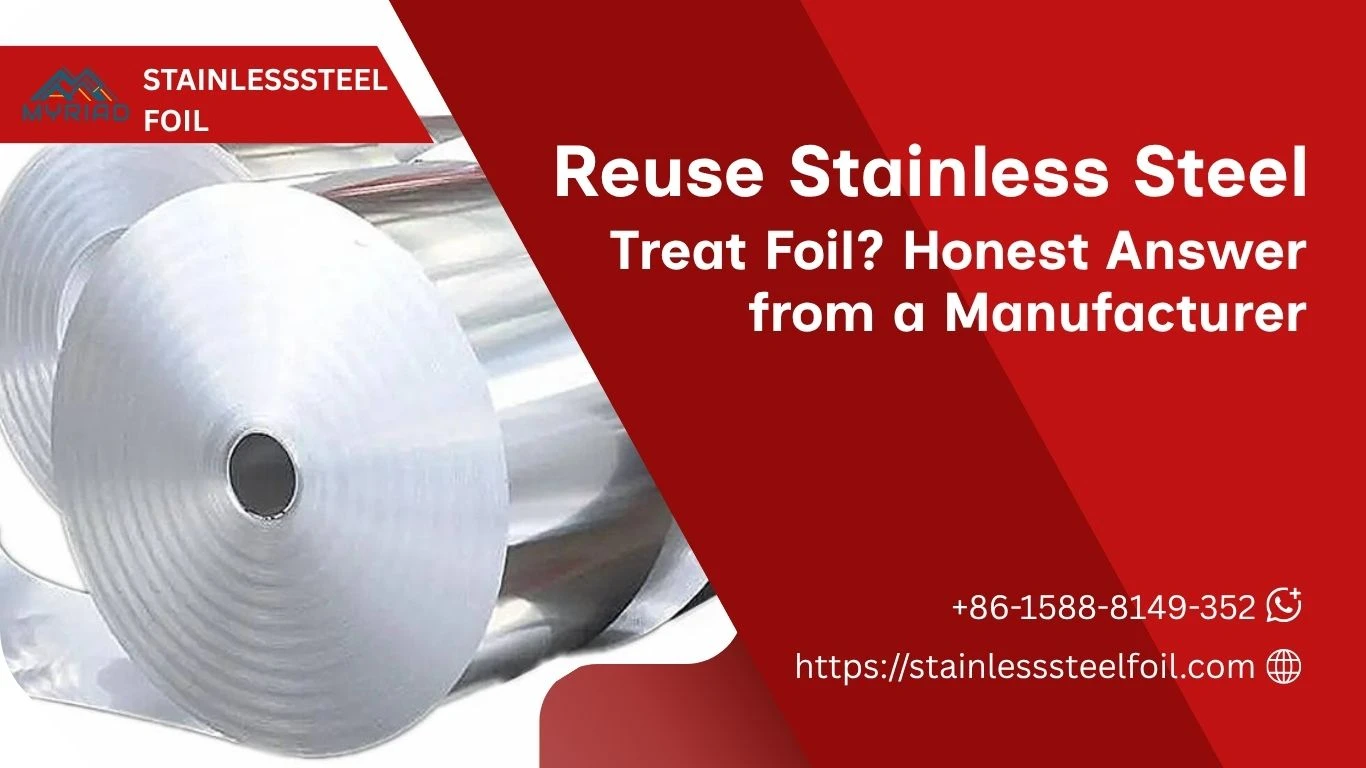
Heat treatment professionals often ask the same question after completing a successful cycle: Can Stainless Steel Heat Treat Foil be reused?
The short answer is yes, but not always.
As a manufacturer serving customers across aerospace, toolmaking, automotive, medical device production, and precision engineering industries, we hear this question regularly. Many companies want to reduce operating costs and material waste. Reusing foil seems like an easy way to achieve both goals. However, the real answer depends on several factors, including foil thickness, treatment temperature, atmosphere conditions, handling practices, and the condition of the foil after its first use.
In this guide, we will explain exactly when Stainless Steel Heat Treat Foil can be reused, when it should be discarded, and how manufacturers can maximize performance without risking expensive heat treatment failures.
If you are new to heat treatment foil applications, it helps to first understand what stainless steel foil is and how it performs in industrial environments.
Stainless Steel Heat Treat Foil
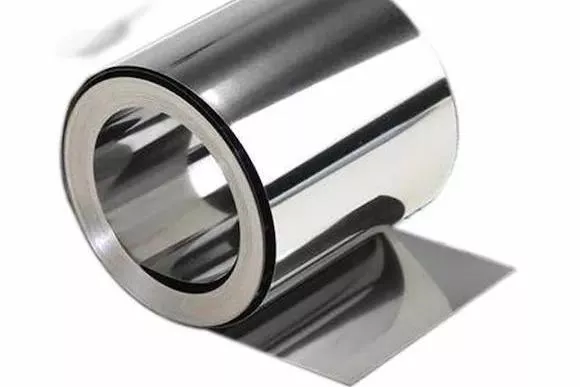
Stainless Steel Heat Treat Foil is a specialized high-temperature foil designed to protect metal parts during thermal processing. The foil creates a barrier that limits oxygen exposure inside the wrapped package. This protection helps prevent oxidation, decarburization, scaling, and surface contamination.
Many manufacturers rely on Stainless Steel Heat Treat Foil because it delivers cleaner surfaces after heat treatment and reduces post-processing costs.
For a detailed overview of available materials and specifications, manufacturers often review professional stainless steel foil products before selecting a grade.
Common applications include:
- Tool steel heat treatment
- Aerospace component processing
- Medical instrument manufacturing
- Spring steel heat treatment
- Precision engineering parts
- Vacuum and controlled atmosphere furnace operations
The foil is frequently used alongside materials such as stainless spring steel strip, 301 stainless steel strip, and spring temper stainless steel products that require superior surface protection during heating cycles.
The Honest Answer: Yes, But With Important Limitations
Many people expect a simple yes or no answer. The reality is more complicated. Some pieces of Stainless Steel Heat Treat Foil can successfully survive multiple cycles. Others become unsuitable after only one use.
The determining factor is not simply appearance. A foil package may still look acceptable while having microscopic damage that compromises protection during the next cycle.
Manufacturers should evaluate:
- Oxidation levels
- Brittleness
- Pinholes
- Cracking
- Seam integrity
- Contamination
- Temperature exposure history
If any of these issues exist, reusing the foil may create costly production risks.
What Happens to Heat Treat Foil During Use?
Every heat treatment cycle subjects the foil to thermal stress. As temperatures increase, the material expands. During cooling, it contracts. Repeated thermal cycling gradually alters the foil’s mechanical properties.
Exposure to temperatures exceeding 1800°F (982°C) accelerates these changes. At higher temperatures, grain growth and oxidation begin affecting the foil structure.
According to information published by stainless steel material references, prolonged high-temperature exposure can influence corrosion resistance and mechanical performance depending on alloy composition. The result is gradual degradation. Even premium foil eventually reaches a point where reuse becomes unsafe.
Factors That Determine Whether Stainless Steel Heat Treat Foil Can Be Reused
Foil Thickness Matters
Thickness is one of the most important variables. Thicker foil generally tolerates reuse better than ultra-thin material. A thicker barrier resists tearing and thermal fatigue more effectively. Manufacturers processing expensive components often choose heavier gauges for added reliability.
If you are comparing thickness options, reviewing heat treat foil thickness recommendations can help identify the best choice for your process.
Maximum Temperature Exposure
Temperature significantly impacts reuse potential.
| Heat Treatment Temperature | Typical Reuse Potential |
|---|---|
| Below 1600°F | Often reusable |
| 1600°F–1900°F | Limited reuse |
| Above 1900°F | Usually single use |
| Above 2100°F | Rarely reusable |
As temperature rises, oxidation and structural changes occur more rapidly.
Package Condition After Opening
Inspect the foil carefully.
If you notice:
- Tears
- Cracks
- Burn-through spots
- Brittle areas
- Oxidized seams
The foil should not be reused. Small defects can allow oxygen infiltration during future cycles.
Furnace Atmosphere
Controlled atmosphere furnaces generally create less foil degradation than air furnaces. Vacuum systems often allow foil packages to survive longer because oxidation exposure remains lower.
Signs That Your Stainless Steel Heat Treat Foil Should Be Replaced
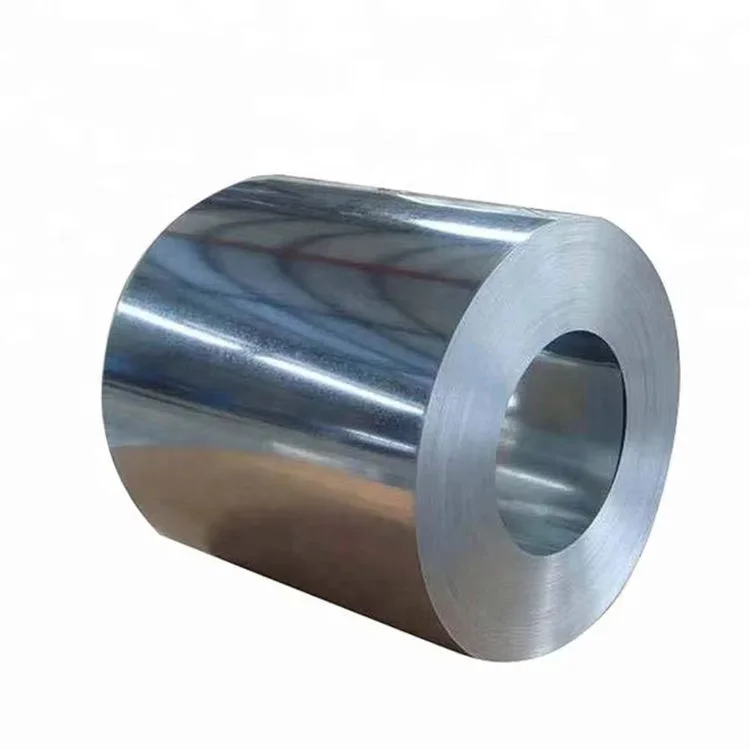
Experienced heat treat operators know that appearance tells an important story. Replace the foil immediately if you observe:
Excessive Discoloration
Heavy discoloration often indicates severe thermal exposure.
Cracking During Handling
Flexible foil can sometimes be reused. Brittle foil should be discarded.
Pinholes
Even tiny holes compromise protection.
Burned Seams
Failed seams create oxygen entry points.
Surface Contamination
Oil, scale, carbon deposits, or foreign materials can contaminate future batches.
Cost Savings Versus Risk
Many companies focus on material savings. That approach makes sense until a failed heat treatment cycle damages expensive components.
Consider the economics. A few dollars saved by reusing foil can quickly become thousands of dollars in scrap costs if oxidation or decarburization occurs.
For aerospace, medical, and precision engineering applications, most manufacturers prioritize consistency over maximum foil reuse.
That is why many professionals source reliable materials directly from experienced stainless steel foil manufacturers rather than stretching foil beyond its practical lifespan.
Best Practices for Reusing Stainless Steel Heat Treat Foil
If reuse is being considered, follow strict inspection procedures. First, allow the foil to cool completely. Next, open the package carefully to avoid introducing unnecessary damage. Inspect all surfaces under bright lighting. Check corners and folds where cracking commonly develops.
Remove any contaminants before storage. Store reusable foil in a clean, dry location away from moisture and chemical exposure. Most importantly, establish internal quality standards that define acceptable reuse conditions.
How Stainless Spring Steel Strip and 301 Stainless Steel Strip Benefit From Proper Foil Protection
Many heat treatment facilities process stainless spring steel strip, 301 stainless steel strip, and various grades of spring temper stainless steel.
These materials often require tight mechanical property control and clean surface finishes. When properly wrapped with Stainless Steel Heat Treat Foil, manufacturers achieve:
- Reduced scaling
- Better surface quality
- Less post-treatment cleaning
- Improved dimensional consistency
- Reduced oxidation
Companies processing spring materials frequently review technical resources such as stainless steel foil for heat treatment applications to optimize production results.
Choosing the Right Foil Grade for Maximum Service Life
Not all foil grades perform equally. Higher-performance alloys generally offer better oxidation resistance and improved durability. Before selecting a material, manufacturers should evaluate processing temperature, cycle duration, and atmosphere conditions.
Resources such as best stainless steel foil grades for heat applications provide useful guidance when comparing options. For demanding environments, investing in a premium grade often proves more economical than frequent foil replacement.
Manufacturer Recommendation: When Reuse Makes Sense
Based on practical manufacturing experience, reuse is reasonable when:
- Temperature exposure was moderate
- No visible damage exists
- Foil remains flexible
- Seams remain intact
- Contamination is absent
- Quality requirements permit reuse
Reuse is not recommended when:
- Processing critical aerospace components
- Treating medical parts
- Operating near maximum temperature limits
- Oxidation risk is unacceptable
- Foil integrity is uncertain
When in doubt, replacement is usually the safer choice. Additional technical guidance can be found through resources covering heat treatment with stainless steel foil and advanced thermal processing practices.
Contact a Heat Treat Foil Specialist
Every heat treatment operation is different. Factors such as alloy type, furnace design, processing temperature, and production volume all influence foil performance.
If you need help selecting the right material or determining whether reuse is appropriate for your application, visit the stainless steel foil blog for additional technical resources or reach out through the contact page for expert assistance.
Summary
So, can you reuse Stainless Steel Heat Treat Foil? Yes, in many situations you can. However, reuse should never be automatic. Every piece must be inspected carefully for cracks, oxidation, contamination, and structural damage. While reusing Stainless Steel Heat Treat Foil may reduce material costs, the risk of heat treatment failure can quickly outweigh those savings. Manufacturers who prioritize consistent quality evaluate foil condition carefully and replace it whenever uncertainty exists.
In most industrial environments, smart inspection practices are the key to maximizing value while maintaining reliable heat treatment results. Get for more information visit Stainless Steel and contact us.
FAQs
Q: Can Stainless Steel Heat Treat Foil be reused multiple times?
A: Yes. Stainless Steel Heat Treat Foil may be reused when it remains free from cracks, pinholes, contamination, and excessive oxidation.
Q: How do I know if Stainless Steel Heat Treat Foil is damaged?
A: Inspect the Stainless Steel Heat Treat Foil for brittleness, tears, seam failures, discoloration, and burn-through spots before reuse.
Q: Does foil thickness affect reuse potential?
A: Yes. Thicker Stainless Steel Heat Treat Foil generally withstands thermal cycling better and often provides a longer usable life.
Q: Is reusing foil safe for aerospace applications?
A: Most aerospace manufacturers use Stainless Steel Heat Treat Foil conservatively because consistency and reliability are more important than minor material savings.
Q: What materials commonly use heat treat foil protection?
A: Stainless Steel Heat Treat Foil is frequently used when processing stainless spring steel strip, 301 stainless steel strip, and spring temper stainless steel products.
Q: Can high-temperature cycles reduce foil lifespan?
A: Yes. Exposure to extreme temperatures significantly reduces the useful life of Stainless Steel Heat Treat Foil and often limits reuse opportunities.