The modern manufacturing, precision is no longer optional—it is expected. Industries ranging from electronics to medical devices depend on materials that offer strength, consistency, and reliability at extremely thin dimensions. This is where the Stainless Steel Foil Strips stands apart. Designed to deliver exceptional performance in ultra-thin gauges, it has become a core material in high-precision engineering and advanced industrial production.
Unlike conventional metal sheets, a Stainless Steel Foil Strips combines corrosion resistance, dimensional accuracy, and mechanical stability in thicknesses measured in microns. As global demand for lightweight, durable, and sustainable materials grows, manufacturers increasingly turn to this specialized stainless steel form for both functional and aesthetic purposes.
This in-depth guide explores what makes Stainless Steel Foil Strip unique, how it is manufactured, where it is used, and why it continues to outperform many alternative materials.
What Is a Stainless Steel Foil Strip?
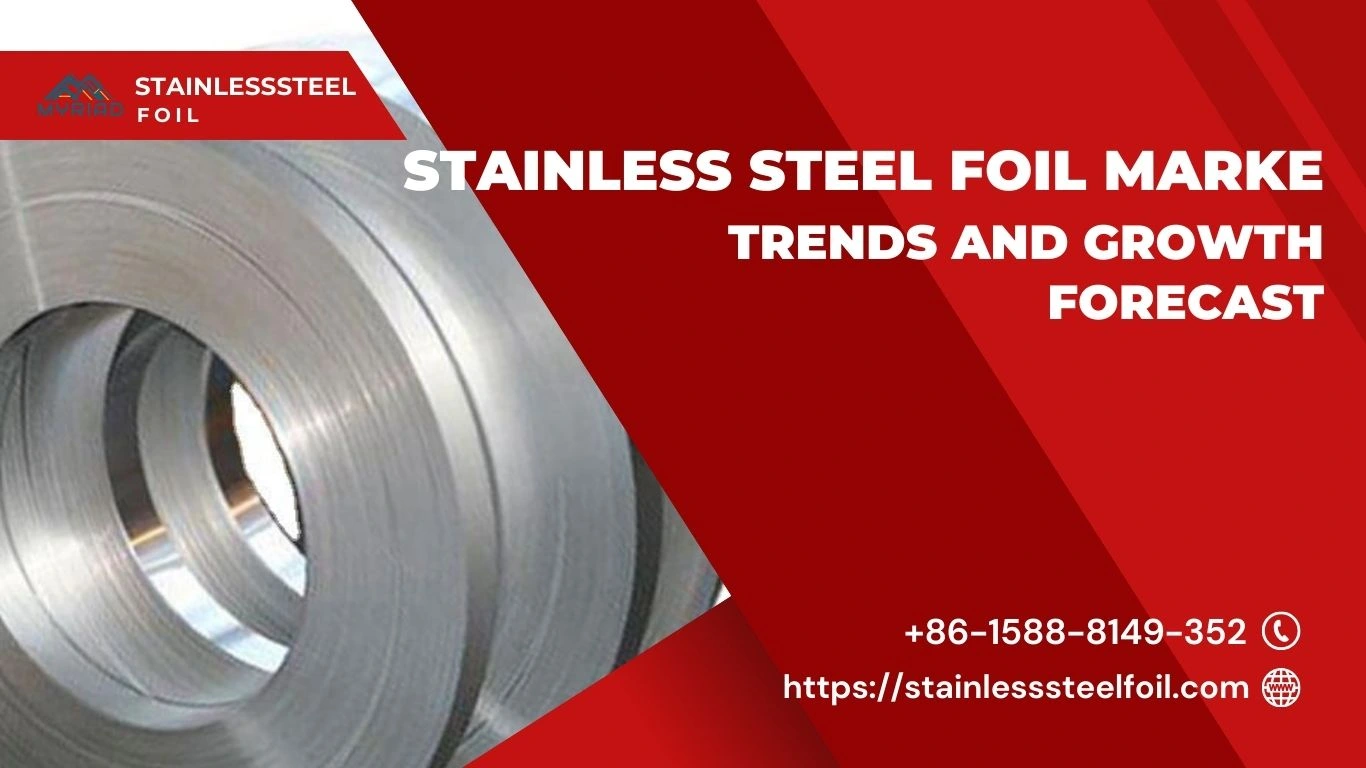
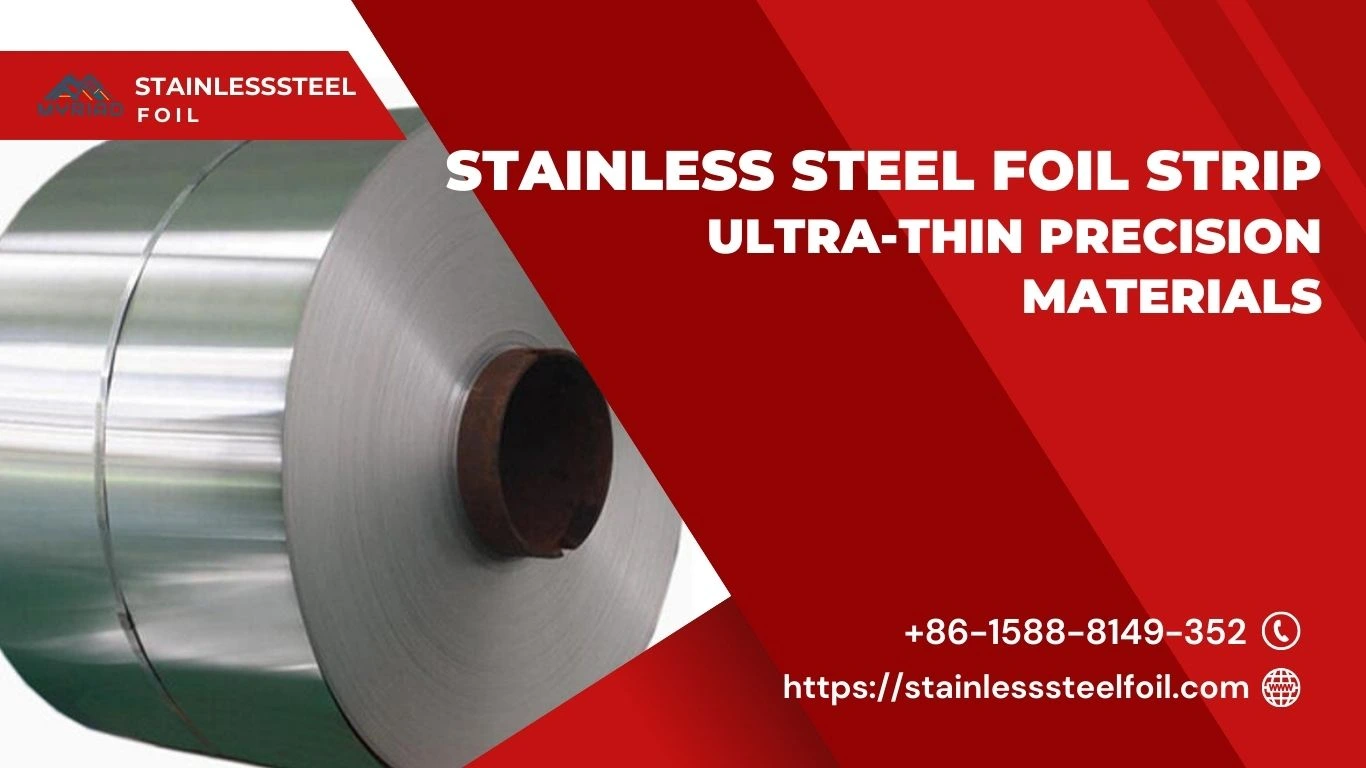
A Stainless Steel Foil Strip is an ultra-thin, flat-rolled stainless steel product, typically produced in thicknesses below 0.1 mm. Despite its thin profile, it retains the core properties of stainless steel—strength, corrosion resistance, and durability.
According to the global definition of stainless steel, it is an alloy containing a minimum of 10.5% chromium, which forms a passive protective layer on the surface. When processed into foil strip form, this alloy becomes highly adaptable for precision applications.
To understand the fundamentals in more detail, this guide on what stainless steel foils are explains the differences between foil, strip, and coil formats in practical terms: what is stainless steel foils.
How Stainless Steel Foil Strip Is Manufactured
The production of Stainless Steel Foil Strips begins with high-quality hot-rolled stainless steel coils. These coils undergo a series of cold-rolling processes that gradually reduce thickness while improving surface finish and dimensional accuracy.

Unlike standard rolling, foil strip manufacturing requires extreme control. Even minor thickness deviations can affect performance in electronics or medical components. This transformation process—from hot-rolled coil to ultra-thin precision foil—is explained in detail here:stainless steel foil is made from hot rolled coil to ultra thin precision
Annealing, surface polishing, and tension leveling follow rolling to ensure consistency, flatness, and mechanical stability. The final Stainless Steel Foil Strip delivers uniform thickness across its entire length, which is critical for automated production environments.
Why Stainless Steel Foil Strip Outperforms Other Thin Metals
Many industries compare Stainless Steel Foil_Strip with aluminum foil, copper foil, or nickel alloys. While each has its place, stainless steel consistently delivers a broader performance range.
Stainless steel_foil strip offers significantly higher tensile strength than aluminum foil at similar thicknesses. It also maintains structural integrity at elevated temperatures, where copper may soften. More importantly, stainless steel resists oxidation and chemical attack, making it ideal for harsh environments.
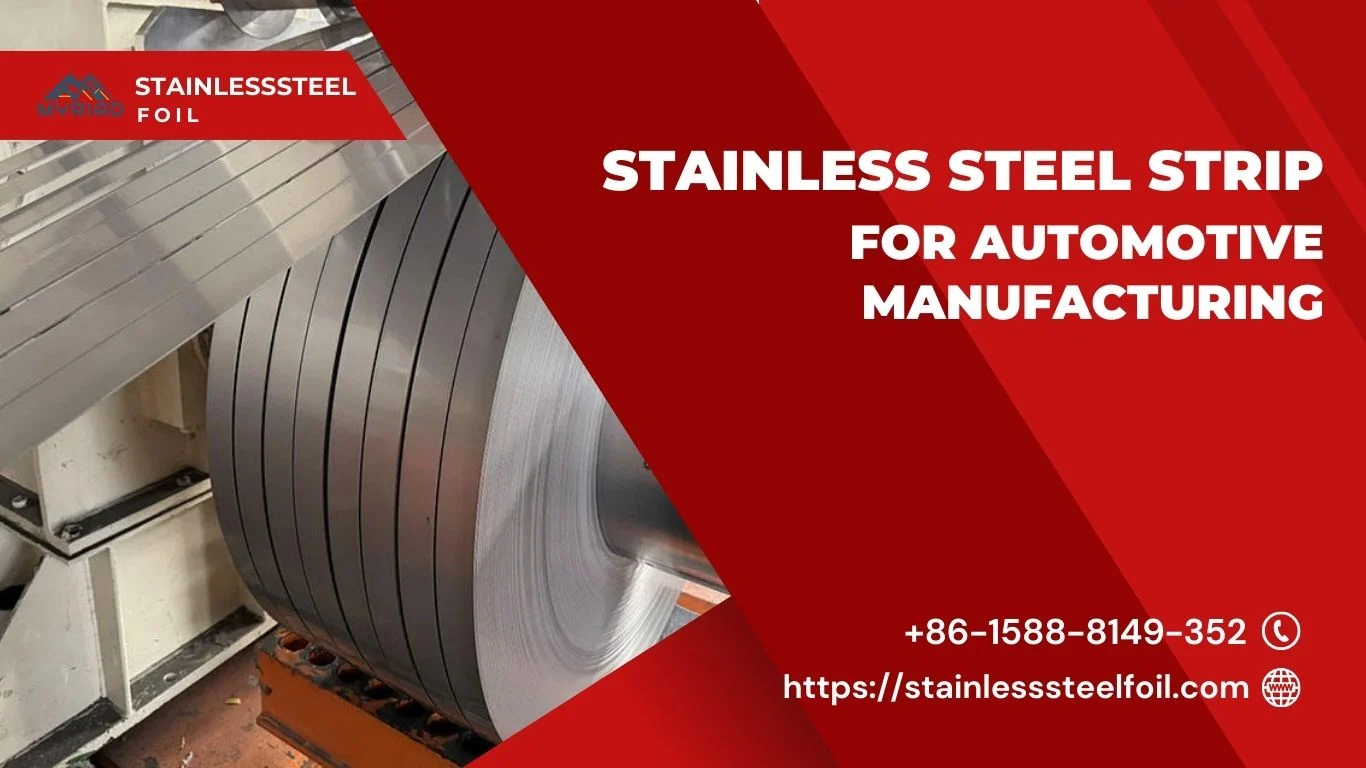
In precision stamping and forming, stainless steel strip maintains edge quality and dimensional stability better than softer metals. This advantage becomes especially clear in high-volume manufacturing lines using progressive dies, as outlined in this stamping-focused resource: stainless steel strip for stamping operations.
Grades Used in Stainless Steel Foil Strip
The performance of a Stainless Steel Foil Strips depends heavily on its grade. Among the most commonly used are austenitic stainless steels, especially 304 and 316 series alloys.
Grade 304 stainless steel-foil strip offers excellent corrosion resistance, good formability, and cost efficiency. It is widely used in consumer electronics, battery components, and precision springs. Grade 316 and 316L variants introduce molybdenum, enhancing resistance to chlorides and aggressive chemicals.
For applications requiring higher corrosion resistance, especially in medical or marine environments, understanding the difference between these grades is essential. This comparison of 316 vs 316L stainless steel strips provides practical insights:316 vs 316L stainless steel strip.
Stainless Steel Foil Strip vs Coil: Choosing the Right Format
Although they originate from similar raw materials, foil strip and coil formats serve different production needs. A Stainless Steel Foil Strip is slit to precise widths and optimized for automated feeding, stamping, or precision cutting.
Coils, on the other hand, are often wider and thicker, making them suitable for general fabrication rather than micro-precision work. This detailed breakdown explains which format works best depending on the application: stainless steel strip vs coil which format works for
For manufacturers focused on accuracy, repeatability, and minimal waste, foil strip format often delivers better efficiency and cost control.
Key Industrial Applications of Stainless Steel Foil Strip
The versatility of Stainless Steel Foil-Strips allows it to serve multiple high-tech industries without compromising performance.
In electronics, it is used for shielding, connectors, flexible circuits, and battery tabs due to its conductivity balance and corrosion resistance. In medical devices, ultra-thin foil strips support surgical tools, implants, and diagnostic equipment, where cleanliness and material stability are essential.

Home appliances also rely on stainless steel foil strips for heating elements, control components, and structural reinforcements. A closer look at appliance-specific uses can be found here: stainless steel strips in home appliances
Renewable energy systems, including solar panels and battery storage, benefit from the durability and recyclability of stainless steel foil strips. Its role in sustainable technology is discussed in this renewable energy resource: advantages stainless steel strips renewable energy systems.
Sustainability and Environmental Benefits
One often overlooked advantage of Stainless Steel Foil Strips is its environmental profile. Stainless steel is 100% recyclable without loss of quality. According to industry data, over 80% of stainless steel products contain recycled material.
Because foil strips are thin and lightweight, they reduce material consumption while maintaining performance. This efficiency lowers transportation emissions and energy usage across supply chains.
Manufacturers aiming for greener production often select stainless steel foil strip not just for performance, but also for its long-term environmental value.
Quality Considerations When Sourcing Stainless Steel Foil Strip
Choosing the right supplier matters as much as selecting the right grade. Consistency in thickness, surface finish, and mechanical properties defines product reliability.
When sourcing internationally, especially from large manufacturing hubs, understanding quality controls is critical. This practical guide on precautions when purchasing from stainless steel manufacturers highlights common pitfalls and best practices: precautions when purchasing from stainless steel manufacturers.
For verified product options and technical specifications, you can explore the full range of foil and strip products here: products
Future Trends in Stainless Steel Foil Strip Technology
As industries push toward miniaturization, demand for ultra-thin, high-performance materials continues to grow. Strip is evolving through improved rolling technology, tighter tolerances, and advanced surface treatments.
Emerging applications include electric vehicle batteries, flexible electronics, and micro-mechanical systems. These innovations ensure that stainless steel foil strip remains a foundational material in next-generation manufacturing.
To stay updated with industry trends and technical insights, visit the official blog.
Summary
Stainless Steel Foil Strip represents the perfect balance between strength and precision. Its ultra-thin structure, corrosion resistance, and versatility make it indispensable across modern industries. From electronics to renewable energy, this advanced material continues to define the future of high-performance manufacturing. For expert guidance or custom solutions, feel free to contact the stainless steel specialists here contact-us.
FAQs
What thickness defines a Stainless Steel Foil Strip?
A Stainless Steel Foil Strip typically has a thickness below 0.1 mm, designed for precision and lightweight applications.
Is Stainless Steel Foil_Strip suitable for stamping operations?
Yes, Stainless Steel Foil_Strip performs exceptionally well in high-precision stamping due to its strength and dimensional stability.
Which industries use Strip the most?
Electronics, medical devices, home appliances, and renewable energy sectors widely rely on Stainless Steel Foil Strips.
How does Stainless Steel Foil Strips resist corrosion?
The chromium content in Stainless Steel Foil Strips forms a passive oxide layer that protects against rust and chemical attack.
Can Stainless Steel Foil_Strip be recycled?
Yes, Stainless Steel Foil_Strips is fully recyclable and supports sustainable manufacturing practices.