When working with high-temperature applications or corrosive environments, choosing the right adhesive tape can make all the difference between project success and costly failures. Stainless steel foil tape and aluminum tape might look similar at first glance, but understanding their unique properties helps you select the perfect solution for your specific needs.
Many professionals and DIY enthusiasts struggle with this decision because both tapes offer excellent heat resistance and reflective properties. However, the differences in durability, corrosion resistance, and application requirements can significantly impact your project’s longevity and performance. Throughout this comprehensive guide, we’ll explore everything you need to know about these two popular metallic tapes, from their basic composition to real-world applications that demonstrate their strengths.
Whether you’re sealing HVAC ductwork, protecting electrical connections, or working on automotive repairs, this article will help you make an informed choice. We’ll compare stainless steel foil products with aluminum alternatives across multiple dimensions, ensuring you understand exactly which tape delivers the best value for your investment.
What is Stainless Steel Foil Tape?
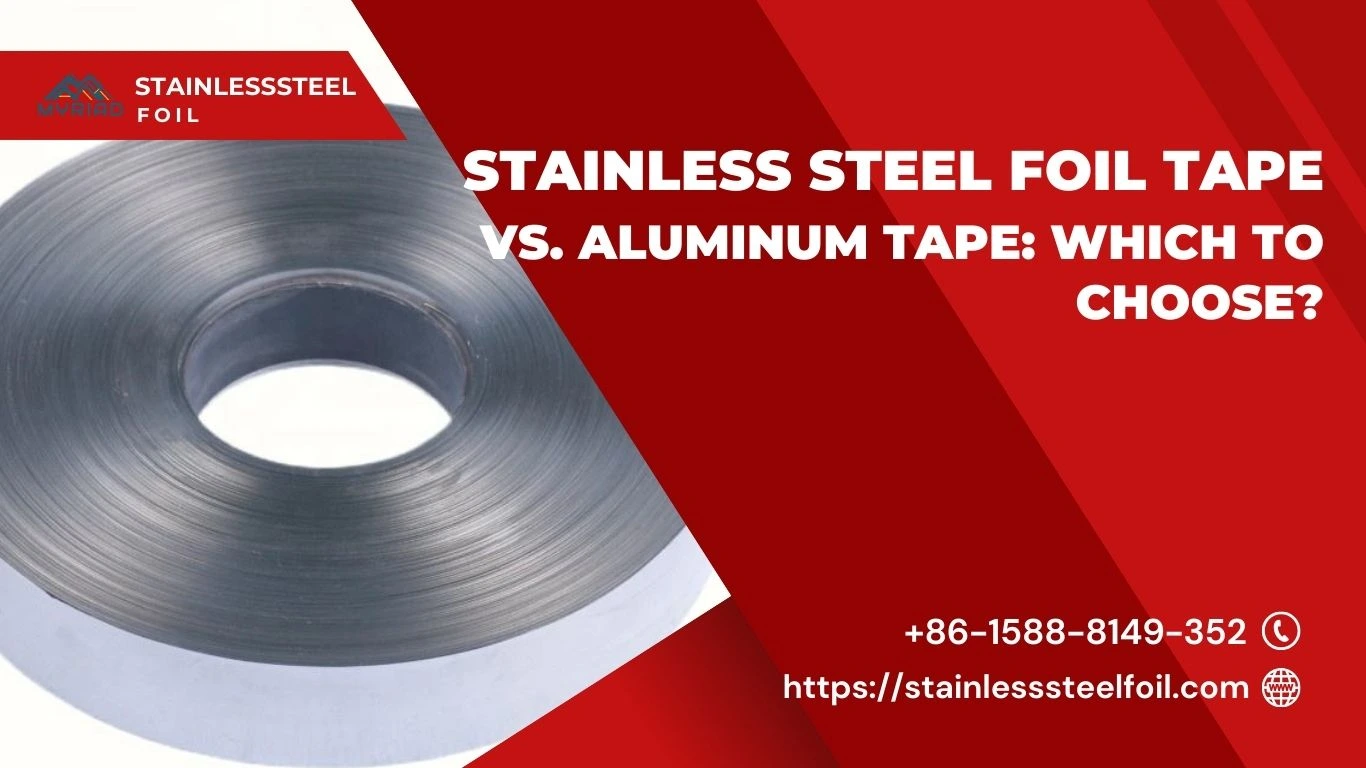
Stainless steel foil tape represents a premium adhesive solution crafted from thin stainless steel backing combined with pressure-sensitive adhesive. Unlike ordinary tapes, this specialized product contains chromium and nickel alloys that provide exceptional resistance to rust and corrosion. The manufacturing process involves rolling stainless steel into extremely thin sheets, typically ranging from 0.001 to 0.003 inches in thickness, then coating one side with industrial-grade adhesive.
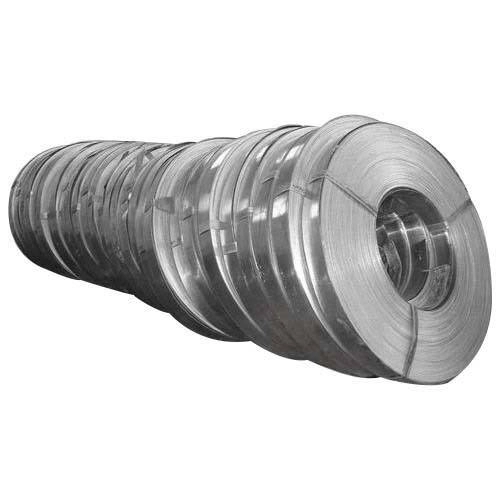
The composition of stainless steel includes approximately 10.5% chromium, which forms a protective oxide layer on the surface. This passive layer continuously regenerates when damaged, making stainless steel incredibly durable in challenging environments. Common grades used in foil tape production include 304 and 316 , each offering distinct advantages for different applications.
According to industry standards, it maintains its integrity in temperatures ranging from -100°F to 600°F, making it suitable for extreme thermal conditions. The adhesive backing, usually made from acrylic or silicone compounds, ensures strong bonding to various surfaces including metal, glass, plastic, and painted surfaces. This versatility makes it an essential tool for professionals working in aerospace, industrial manufacturing, and marine environments.
Many manufacturers offer self-adhesive with different adhesive strengths to match specific application requirements. The tape’s reflectivity helps reduce heat transfer, while its conductive properties make it ideal for electromagnetic interference shielding and grounding applications.
What is Aluminum Foil Tape?
Aluminum foil tape consists of pure aluminum backing bonded to pressure-sensitive adhesive, creating a flexible and conformable sealing solution. The aluminum used in these tapes typically measures between 0.0015 to 0.005 inches thick, providing excellent malleability that allows the tape to conform to irregular surfaces and tight corners. This conformability makes aluminum tape particularly popular in HVAC applications where ductwork often features complex shapes and angles.
The manufacturing process for aluminum tape begins with high-purity aluminum sheets that undergo rolling until they achieve the desired thickness. Manufacturers then apply adhesive coating, which may include acrylic, rubber-based, or silicone formulations depending on the intended use. The resulting product offers impressive heat reflectivity, bouncing back up to 97% of radiant heat according to thermal performance studies.
Temperature resistance for aluminum tape generally ranges from -65°F to 250°F, which proves adequate for most commercial and residential applications. The tape excels at moisture barriers, preventing water vapor transmission in insulation systems and preventing condensation damage. However, aluminum’s natural reactivity means the tape can corrode when exposed to alkaline environments or salt spray, limiting its usefulness in certain industrial settings.
Cost considerations make aluminum tape an attractive option for budget-conscious projects. The material costs significantly less than stainless steel alternatives, often running 40-60% cheaper for comparable lengths and widths. This economic advantage explains why aluminum tape dominates the consumer market for ductwork sealing and general-purpose metallic tape applications.
Comparing Stainless Steel Foil Tape and Aluminum Tape
When deciding between stainless steel foil tape and aluminum tape, several factors come into play. The following table summarizes the key differences:
| Feature | Stainless Steel Foil Tape | Aluminum Tape |
|---|---|---|
| Material Strength | Very high | Moderate |
| Corrosion Resistance | Excellent | Good |
| Temperature Resistance | Up to 800°C | Up to 200°C |
| Flexibility | Low | High |
| Typical Uses | Industrial sealing, surface protection, shielding | HVAC, insulation, general-purpose sealing |
| Cost | Higher | Lower |
Observation: Stainless steel foil tape is ideal for heavy-duty and high-temperature applications, while aluminum tape is better suited for lightweight, flexible applications.
Properties of Stainless Steel Foil Tape and Aluminum Tape
Understanding the material properties is crucial when selecting the right tape for your application.
Stainless Steel Foil Tape Properties
-
Corrosion Resistance: Stainless steel resists oxidation, moisture, and chemicals better than aluminum.
-
Mechanical Strength: It provides superior tensile strength, making it suitable for demanding industrial environments.
-
Temperature Tolerance: Can endure temperatures from -200°C up to 800°C, depending on the alloy.
-
Adhesive Performance: High-performance adhesives ensure the tape sticks reliably to metals, composites, and plastics.
For a deeper understanding of stainless steel foils, you can visit this page.
Aluminum Tape Properties
-
Corrosion Resistance: Aluminum forms a protective oxide layer but is less resistant than stainless steel in harsh conditions.
-
Flexibility: Its malleable structure allows wrapping around pipes, ducts, and irregular surfaces.
-
Temperature Resistance: Generally withstands temperatures up to 200°C.
-
Adhesive Performance: Works well on insulation, ductwork, and HVAC components, but not ideal for chemically aggressive environments.
Applications of Stainless Steel Foil Tape and Aluminum Tape
Both tapes have unique application areas, though there is some overlap.
Stainless Steel Foil Tape Applications
-
Industrial Sealing: Sealing joints in high-temperature or chemically corrosive environments.
-
Electromagnetic Shielding: Blocking electromagnetic interference (EMI) and radio-frequency interference (RFI).
-
Surface Protection: Protecting stainless steel surfaces during fabrication or transportation.
-
Automotive and Aerospace: Used in high-stress areas exposed to extreme heat.
You can explore self-adhesive stainless steel foil tapes here.
Aluminum Tape Applications
-
HVAC Systems: Sealing ductwork and insulation.
-
Insulation: Joining aluminum-faced insulation boards.
-
General Sealing: Temporary fixes, repairs, and lightweight applications.
-
Electrical Work: Providing a conductive path for grounding in certain scenarios.
Benefits of Stainless Steel Foil Tape and Aluminum Tape
Here’s a comparison of benefits to help you understand which tape offers more value in specific situations.
Benefits of Stainless Steel Foil Tape
-
Superior durability and longevity
-
High resistance to heat, chemicals, and corrosion
-
Excellent structural strength
-
Ideal for harsh industrial conditions
Benefits of Aluminum Tape
-
Cost-effective solution for general sealing
-
Lightweight and flexible for easy application
-
UV and moisture resistant
-
Works well for HVAC and insulation
Which to Choose?
Choosing the right tape depends largely on your application, budget, and environmental conditions.
-
Choose stainless steel foil tape if: You need high durability, chemical resistance, and temperature tolerance. It’s perfect for industrial machinery, aerospace, and food-grade sealing applications.
-
Choose aluminum tape if: You are working on HVAC systems, insulation, or lightweight projects where flexibility and easy handling matter more than extreme durability.
For industrial-grade applications, exploring stainless steel foil products ensures you get the right quality and thickness for your needs.
Summary
stainless steel foil tape and aluminum tape each have unique strengths. Stainless steel foil tape excels in durability, heat, and chemical resistance, making it the top choice for demanding industrial applications. Aluminum tape, while more flexible and lightweight, is ideal for HVAC, insulation, and general-purpose sealing. By understanding the differences in properties, applications, and benefits, you can make an informed choice that ensures both performance and cost-efficiency.For more information on stainless steel foil products, visit stainles ssteel foil or explore specific product options.
FAQs
What makes better than aluminum tape?
Stainless steel foil tape is stronger, more durable, and resistant to corrosion, making it superior for long-term applications compared to aluminum tape.
Can stainless steel foil tape be used in HVAC systems?
Yes, it can be used in HVAC systems, but aluminum tape is more common due to its affordability. this provides longer-lasting results.
Is aluminum tape suitable for outdoor use?
Aluminum tape can be used outdoors, but it is prone to corrosion and degradation. it is a better choice for outdoor applications.