Self-adhesive stainless steel foil tape has become an essential industrial and commercial material due to its durability, corrosion resistance, and strong bonding performance. Manufacturers, engineers, HVAC technicians, and fabrication professionals rely on this product for sealing, shielding, insulation, and surface protection tasks. This article explains adhesive types used in self-adhesive stainless steel foil tape, their working principles, performance differences, and correct application methods.
This guide is published for Stainless Steel Foil and aligns with real-world usage, production knowledge, and material science research.
What Is Self-Adhesive Stainless Steel Foil Tape?
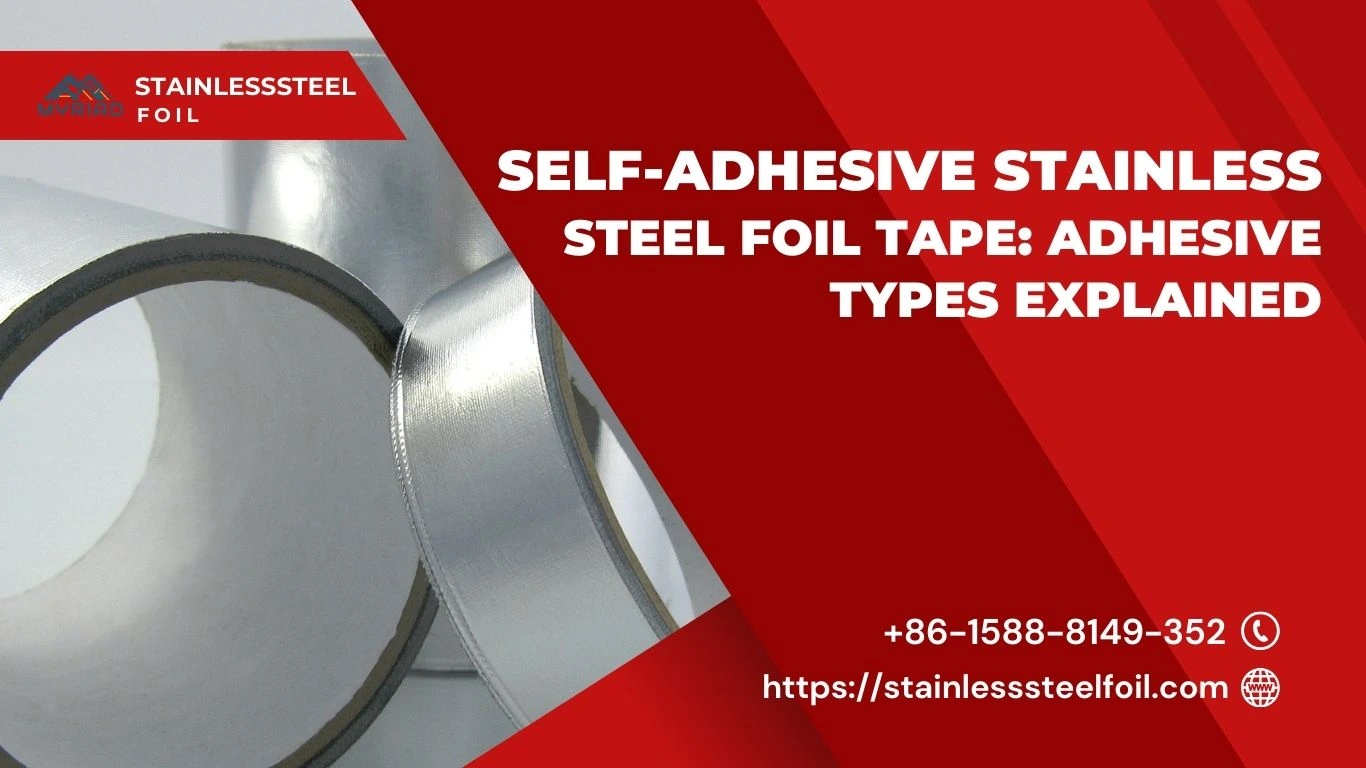
Self-adhesive stainless steel foil tape consists of a thin stainless steel foil layer combined with a pressure-sensitive adhesive backing. The foil layer provides mechanical strength, chemical resistance, and temperature stability, while the adhesive ensures secure attachment to various surfaces.
Stainless steel foil tape performs well in high-temperature environments, moisture-exposed zones, and chemically active settings. Industries use it in HVAC duct sealing, insulation wrapping, EMI shielding, corrosion prevention, surface repair, and industrial masking.
For a broader understanding of stainless steel properties, readers may consult Stainless steel on Wikipedia.
Why Stainless Steel Foil Tape Uses Adhesive Technology
Adhesive bonding allows stainless steel foil tape to attach without mechanical fasteners or welding. This method reduces installation time, prevents surface damage, and allows flexible application across uneven surfaces.
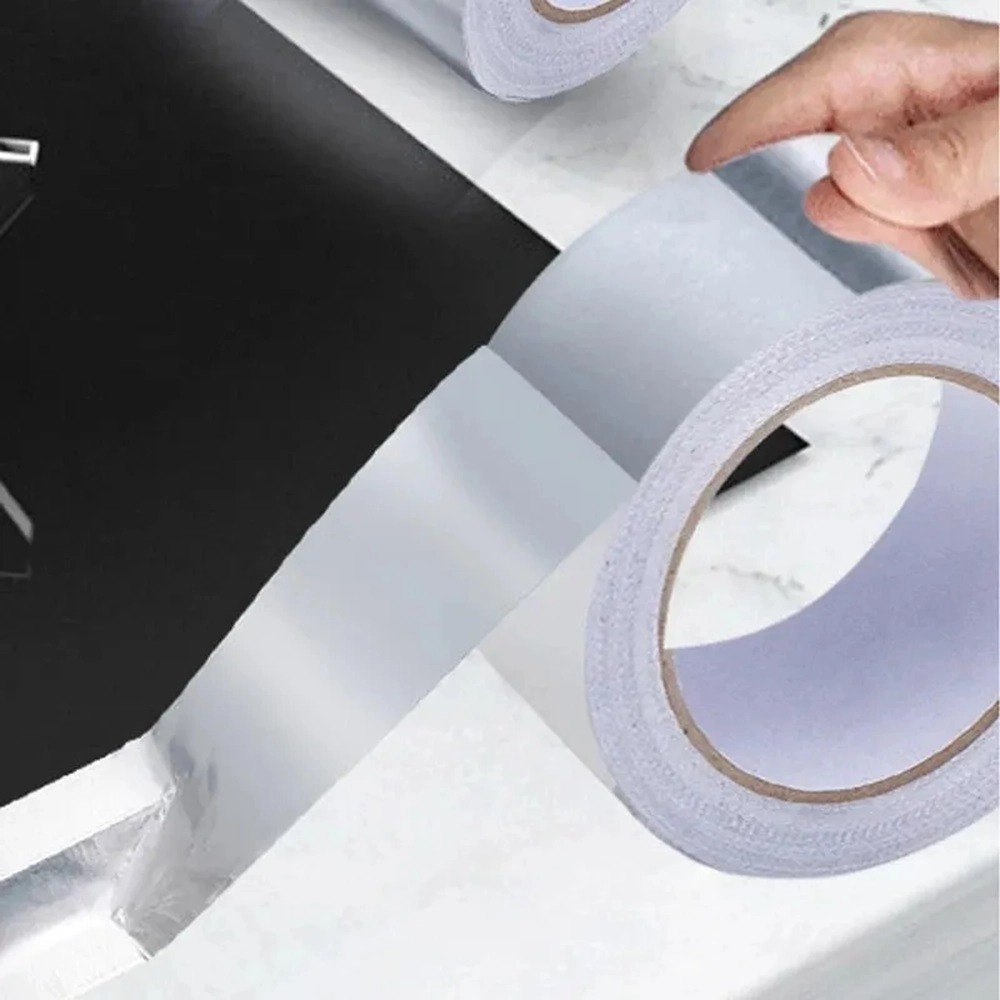
Adhesive technology also ensures uniform contact pressure, vibration resistance, and reliable performance under thermal cycling. Manufacturers select adhesives based on heat tolerance, chemical stability, bonding strength, and aging resistance.
Types of Adhesives Used in Self-Adhesive Stainless Steel Foil Tape

Different adhesive formulations serve specific applications. Understanding these adhesive types helps buyers select the right foil tape for operational demands.
Acrylic Adhesive for Stainless Steel Foil Tape
Composition and Characteristics
Acrylic adhesives consist of polymer-based compounds known for long-term durability and strong adhesion. Manufacturers favor acrylic systems due to their resistance to oxidation, UV exposure, and moisture.
Performance Advantages
Stable bonding under wide temperature ranges
Resistance to humidity and outdoor weather
Minimal adhesive degradation over time
Suitable for indoor and outdoor use
Acrylic adhesive stainless steel foil tape performs well in HVAC insulation, architectural applications, and industrial sealing tasks.
Temperature Range
Most acrylic adhesives maintain bonding performance between -30°C to 150°C, depending on formulation.
Silicone Adhesive in Stainless Steel Foil Tape
Composition and Structure
Silicone adhesives rely on siloxane polymer chains that provide flexibility and heat tolerance. These adhesives bond well under extreme thermal conditions.
Performance Benefits
Excellent heat resistance
Maintains adhesion under thermal shock
Resistant to oils and chemicals
Suitable for aerospace and electronics
Silicone adhesive stainless steel foil tape supports applications involving furnaces, exhaust systems, and thermal insulation layers.
Temperature Range
Silicone adhesives can withstand -60°C to 260°C, making them ideal for high-temperature environments.
Rubber-Based Adhesive Systems
Material Composition
Rubber-based adhesives use natural or synthetic rubber combined with tackifying resins. These adhesives deliver immediate bonding strength.
Key Features
High initial tack
Fast surface bonding
Effective on rough substrates
Limited heat resistance
Rubber adhesives work well in temporary applications, quick repairs, and controlled indoor environments.
Temperature Range
Typical operating temperatures range from -10°C to 80°C.
Modified Acrylic Adhesives
Engineering Design
Modified acrylic adhesives combine acrylic polymers with performance enhancers. These formulations improve shear strength and surface compatibility.
Functional Benefits
Improved adhesion to metals
Enhanced aging resistance
Balanced heat tolerance
Strong peel resistance
Industrial applications use modified acrylic adhesive stainless steel foil tape for insulation wraps and structural surface bonding.
Pressure-Sensitive Adhesives (PSA)
How PSA Works
Pressure-sensitive adhesives activate bonding through applied pressure rather than heat or curing. PSA systems allow instant adhesion and repositioning.
Application Benefits
Easy installation
Clean removal in specific grades
Consistent bonding pressure
Reduced installation tools
PSA stainless steel foil tape supports maintenance operations, shielding tasks, and industrial sealing.
Comparison Table: Adhesive Types in Stainless Steel Foil Tape
| Adhesive Type | Heat Resistance | Moisture Resistance | Typical Applications |
|---|---|---|---|
| Acrylic | Medium to High | Excellent | HVAC, construction |
| Silicone | Very High | Excellent | Aerospace, insulation |
| Rubber-Based | Low to Medium | Moderate | Temporary repairs |
| Modified Acrylic | High | High | Industrial bonding |
| PSA Systems | Medium | Good | Maintenance sealing |
Factors That Influence Adhesive Selection
Surface Compatibility
Smooth metal surfaces bond well with acrylic and silicone adhesives. Rough surfaces often require rubber-based formulations.
Temperature Exposure
High-temperature environments demand silicone adhesives. Standard indoor applications perform well with acrylic systems.
Chemical Exposure
Industries handling oils, solvents, or acids benefit from silicone or modified acrylic adhesives.
Installation Conditions
Cold weather installation may favor rubber-based adhesives due to their high initial tack.
Stainless Steel Grades Used in Foil Tape
Manufacturers select stainless steel grades based on corrosion resistance, flexibility, and strength.
Common grades include:
304 stainless steel foil
316 stainless steel foil
430 stainless steel foil
For marine and chemical environments, 316 stainless steel coil provides enhanced corrosion resistance due to molybdenum content.
Manufacturing Process of Self-Adhesive Stainless Steel Foil Tape
The production process begins with stainless steel coil rolling and annealing. Manufacturers then apply surface treatments to improve adhesive bonding. Adhesive coating occurs through precision lamination or coating techniques, followed by curing and quality inspection.
Readers interested in manufacturing stages can explore stainless steel coil production process guide.
Applications of Self-Adhesive Stainless Steel Foil Tape
HVAC and Insulation Systems
Foil tape seals duct joints, insulates pipelines, and prevents heat loss. Acrylic adhesive variants perform reliably in ventilation systems.
Industrial Equipment Protection
Manufacturers use stainless steel foil tape for abrasion resistance, thermal shielding, and surface protection.
Consumer Goods Manufacturing
Electronics, appliances, and kitchen equipment manufacturers apply foil tape for EMI shielding and surface reinforcement. Learn more from how stainless steel coil is used in the production of consumer goods.
Construction and Architecture
Architectural panels, roofing systems, and structural joints benefit from corrosion-resistant stainless steel foil tape.
Environmental Impact and Sustainability
Stainless steel foil tape supports sustainability due to its recyclability and long service life. Stainless steel retains structural integrity without releasing harmful substances.
Environmental benefits of stainless steel materials appear in detail at environmental benefits of stainless steel coil.
Quality Standards and Testing
Manufacturers test adhesive performance using peel strength, shear resistance, temperature cycling, and aging tests. Compliance with ASTM and ISO standards ensures consistent performance across applications.
Buying Self-Adhesive Stainless Steel Foil Tape
When sourcing stainless steel foil tape, buyers should evaluate:
Adhesive type
Foil thickness
Stainless steel grade
Temperature rating
Surface compatibility
Browse available materials at stainless steel foil products.
Installation Best Practices
Clean surfaces before application
Apply firm pressure evenly
Avoid air entrapment
Follow temperature guidelines
Correct installation extends adhesive life and improves performance.
Industry Trends and Market Growth
Demand for stainless steel foil tape continues to grow across HVAC, renewable energy, automotive, and electronics industries. Increased focus on energy efficiency and corrosion prevention drives adoption.
Readers seeking industry insights can explore the stainless steel blog section.
Contact and Custom Solutions
Custom adhesive formulations and foil dimensions support specialized projects. Businesses can request technical support and product guidance through contact stainless steel foil experts.
Summary
Self-adhesive stainless steel foil tape delivers durability, thermal resistance, and reliable bonding across industrial and commercial applications. Adhesive selection plays a decisive role in performance, with acrylic, silicone, rubber-based, and modified acrylic systems serving distinct needs. Understanding adhesive behavior, stainless steel grades, and application conditions ensures long-term reliability and efficiency.
Professionals seeking high-quality materials, technical knowledge, and expert guidance can rely on Stainless Steel Foil for trusted solutions and industry expertise.
FAQs
What adhesive works best for high temperatures?
Silicone adhesive performs best in high-temperature environments exceeding 200°C.
Can stainless steel foil tape resist moisture?
Yes. Acrylic and silicone adhesives provide excellent moisture resistance.
Does stainless steel foil tape work outdoors?
Outdoor applications benefit from acrylic adhesives due to UV and weather stability.
Which stainless steel grade suits chemical exposure?
316 stainless steel offers superior corrosion resistance in chemical environments.
Is stainless steel foil tape recyclable?
Yes. Stainless steel supports full recyclability without material degradation.