Heat treatment is a critical process in modern manufacturing. From aerospace components to precision cutting tools, metals often require controlled heating and cooling cycles to improve hardness, durability, and performance. However, one challenge consistently appears during heat treatment: oxidation and surface contamination.
That is where a Stainless Steel Foil Wrap becomes essential.
A properly sealed stainless steel foil wrap creates a protective environment around metal parts during furnace processing. It prevents oxygen exposure, reduces scaling, and helps maintain the surface quality of heat-treated components. When the foil is sealed correctly, it acts like a miniature protective atmosphere inside the furnace.
In this detailed guide, you will learn how to seal a Stainless Steel Foil Wrap for heat treating, why sealing matters, and which materials and techniques deliver the best results. Whether you are a machinist, heat treatment professional, or engineer, understanding the correct sealing method can significantly improve your heat treatment outcomes.
To understand the metal used in these wraps, you can review the technical overview of stainless steel, which explains how chromium provides corrosion resistance and heat stability.
Stainless Steel Foil Wrap
Before learning how to seal it, it helps to understand what a Stainless Steel Foil Wrap actually is.
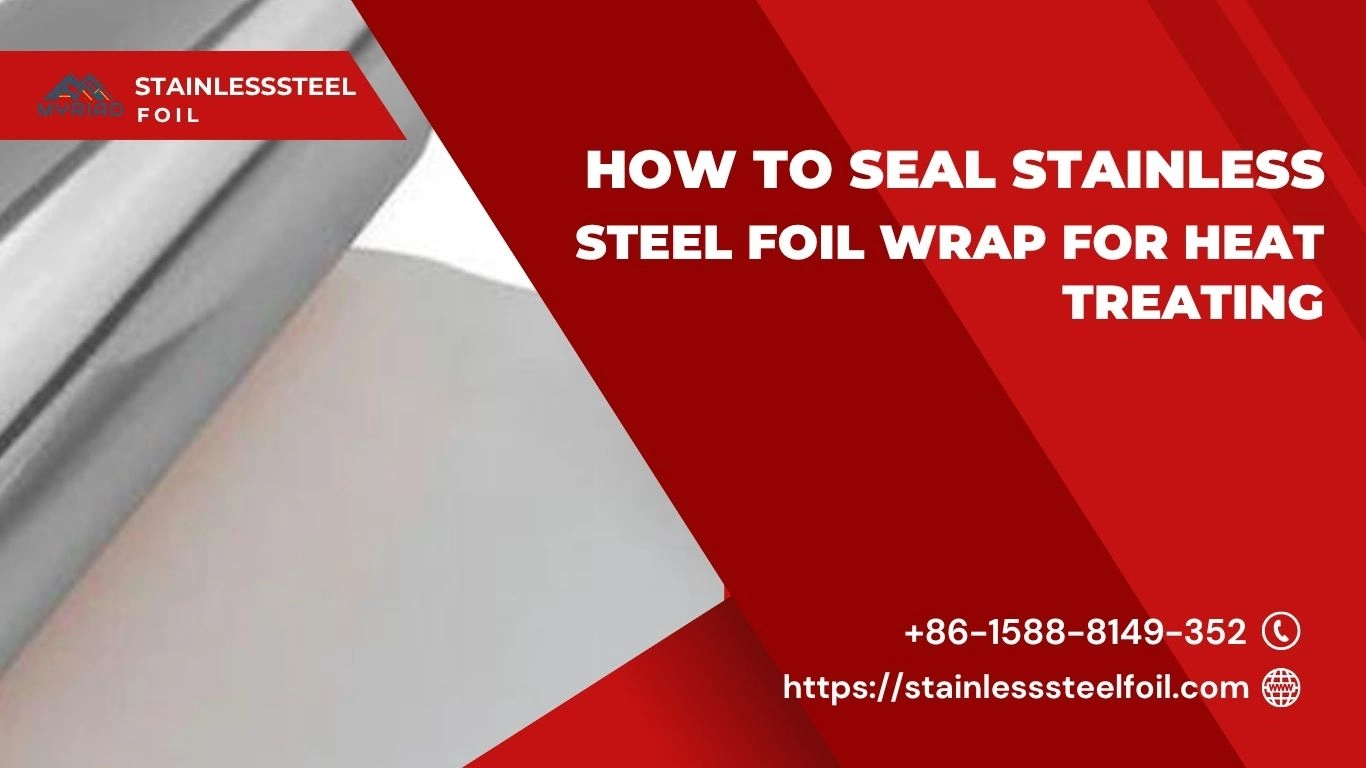
A stainless steel foil wrap is a thin sheet of stainless steel used to enclose metal parts during heat treatment. The foil acts as a barrier that prevents oxygen and contaminants from reaching the component’s surface.
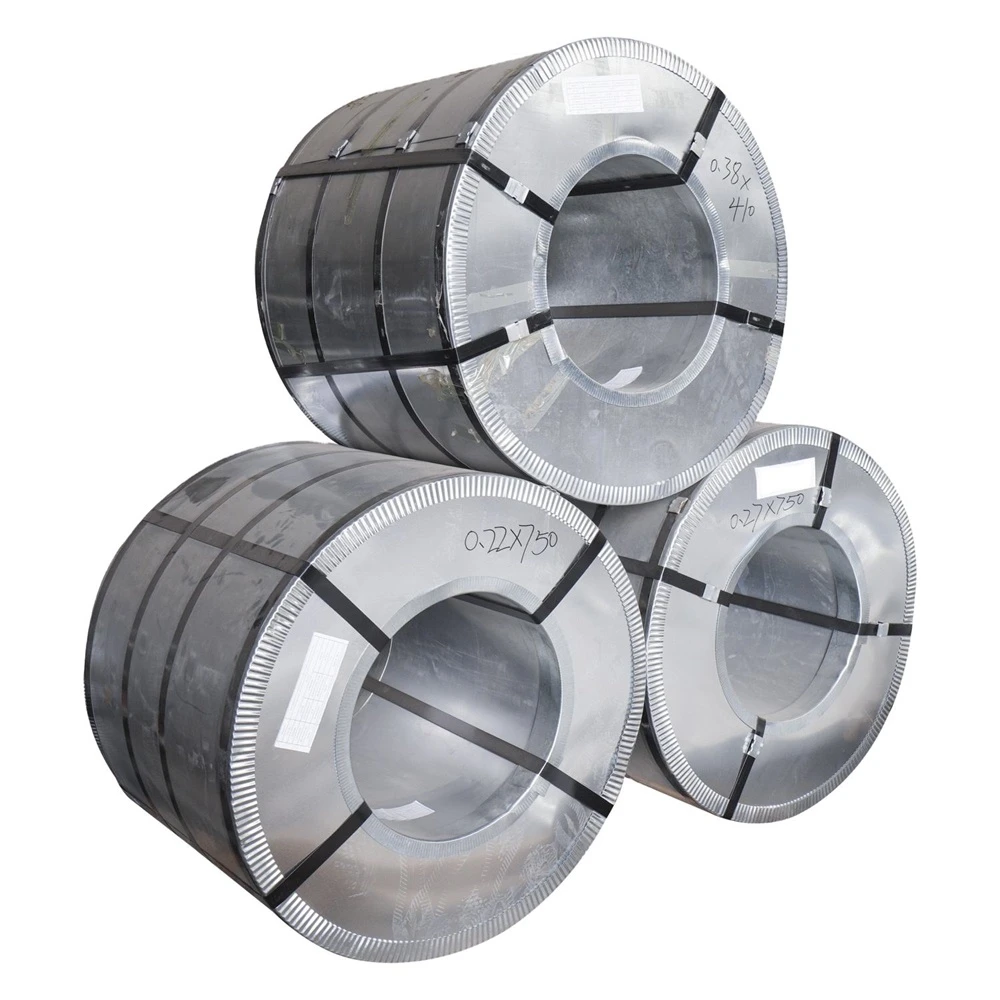
These foils are extremely thin, often ranging from 0.02 mm to 0.08 mm in thickness, yet they can withstand high temperatures inside industrial furnaces.
Because stainless steel retains strength and oxidation resistance at elevated temperatures, it is widely used in furnace environments. If you want a deeper overview of the material itself, this guide on what stainless steel foil is explains the manufacturing process and industrial applications.
Manufacturers commonly use stainless steel foil wraps for:
- Tool heat treatment
- Aerospace components
- Precision mechanical parts
- Hardened steel blades
When sealed correctly, a Stainless Steel Foil Wrap forms a nearly oxygen-free environment, which protects the part during heating.
Why Sealing Stainless Steel Foil Wrap Is Important
Many people assume that simply wrapping a component in foil is enough. In reality, the sealing process determines whether the wrap works effectively.
If the foil is not sealed tightly, oxygen can enter the wrap during heating. Once oxygen reaches the metal surface, oxidation begins immediately.
This oxidation creates scale and discoloration on the part. In some cases, it can also cause decarburization, which weakens the surface hardness of steel tools.
A properly sealed Stainless Steel Foil Wrap prevents this problem by isolating the metal from the furnace atmosphere.
In professional heat treatment shops, sealed foil wraps often eliminate the need for post-processing operations like grinding or polishing.
For a closer look at the role of foil in heat treatment environments, see this guide on stainless steel foil for heat treatment.
Choosing the Right Stainless Steel Foil Before Wrapping
Before sealing the wrap, selecting the correct foil grade and thickness is essential.
The most common materials used in heat treatment foil include 301 stainless steel and 304 stainless steel.
For example, 301 stainless steel foil offers excellent strength and flexibility, making it ideal for wrapping sharp or complex components. You can explore the material properties in this guide to 301 stainless steel foil.
Another widely used material is 304 stainless steel foil, which provides excellent corrosion resistance and good heat tolerance. More details are available in the article about 304 stainless steel foil.
The thickness of the foil also matters. Thin foil heats faster but may tear easily, while thicker foil offers stronger protection.
For most heat treatment applications, 0.025 mm to 0.05 mm thickness is commonly recommended.
If you want detailed guidance, this technical article explains stainless steel foil tool wrap thickness and when to use different gauges.
Tools Needed to Seal a Stainless Steel Foil Wrap
Sealing stainless steel foil does not require complex equipment. However, using the right tools improves the reliability of the wrap.
Most technicians use simple hand tools such as stainless steel scissors or foil cutters to shape the wrap. A smooth work surface also helps prevent accidental tearing during folding.
When sealing the wrap, the goal is to create tight folded seams that prevent oxygen from entering the enclosure.
Even a small gap can compromise the effectiveness of the wrap.
Step-by-Step Process: How to Seal Stainless Steel Foil Wrap for Heat Treating
Sealing a Stainless Steel Foil Wrap correctly requires careful folding and sealing techniques. The following process reflects the standard method used in many heat treatment workshops.
Step 1: Cut the Stainless Steel Foil
Start by cutting a piece of foil large enough to completely enclose the part. The foil should extend several centimeters beyond the component on each side.
Extra material ensures that you have enough surface area to create strong folds.
Precision stainless steel foils often come in sheets or rolls designed specifically for heat treatment applications. These products are available through specialized suppliers such as the precision stainless steel foil product line.
Step 2: Place the Part on the Foil
Position the metal component in the center of the foil sheet. Make sure the part is clean and free of oil or debris.
Contaminants can react during heating and affect the heat treatment process.
After placing the part, fold the foil over the component like wrapping a package.
Step 3: Fold the Edges Carefully
Next, fold the foil edges tightly along the sides of the component.
These folds should be sharp and compact. Each fold should compress the foil layers together to create a strong barrier.
Avoid loose folds because gaps can allow oxygen to enter the wrap.
This folding method is similar to sealing an airtight envelope.
Step 4: Seal the Final Edge
The final step involves sealing the last open edge of the foil wrap.
Heat treatment professionals usually fold the edge multiple times to create a tight seam. This repeated folding compresses the foil layers together and minimizes air infiltration.
Once sealed, the Stainless Steel Foil Wrap should resemble a tightly closed envelope around the part.
You can see additional sealing techniques explained in this article about stainless steel foil wrap used in industrial heat treatment processes.
How Stainless Steel Foil Wrap Prevents Oxidation
When properly sealed, a Stainless Steel Foil Wrap creates a controlled micro-environment around the component.
As the furnace heats the foil envelope, the oxygen trapped inside reacts quickly with the metal surfaces and becomes depleted.
Once the available oxygen is consumed, the remaining atmosphere inside the wrap becomes nearly inert.
This process dramatically reduces oxidation and scaling.
The result is a cleaner heat-treated component with better surface quality.
Mistakes When Sealing Stainless Steel Foil Wrap
Even experienced technicians sometimes make small mistakes that compromise the wrap.
One common issue is using foil that is too thin for the furnace temperature.
Another mistake involves leaving gaps or loose folds in the wrap seams.
If oxygen enters the enclosure during heating, oxidation can occur rapidly.
Another problem occurs when the foil is punctured by sharp edges on the part. In these cases, adding a protective layer or using thicker foil may help.
A helpful guide on selecting the correct material thickness can be found in the article about stainless steel heat treat foil thickness.
Industrial Applications of Stainless Steel Foil Wrap
The use of Stainless Steel Foil Wrap extends across many industries.
Tool manufacturers rely on foil wrapping when heat treating drill bits, dies, and cutting blades.
Aerospace companies use foil wraps to protect precision components during furnace processing.
Medical device manufacturers also use stainless steel foil to maintain clean and oxidation-free surfaces during heat treatment.
Because stainless steel foil is both durable and flexible, it remains one of the most reliable materials for protective heat treatment packaging.
If you want to explore additional technical resources and industry insights, the stainless steel foil blog provides further information.
Where to Buy High-Quality Stainless Steel Foil
Using high-quality foil is just as important as sealing the wrap correctly.
Manufacturers should choose suppliers that offer consistent thickness tolerance and high-temperature performance.
Companies searching for industrial foil materials can explore the stainless steel foil product catalog or learn more about foil manufacturing expertise at stainless steel foil.
For technical inquiries, custom foil sizes, or heat treatment recommendations, the engineering team can also be contacted through the contact page.
Summary
Sealing a Stainless Steel Foil Wrap correctly is essential for successful heat treatment. When wrapped and sealed properly, stainless steel foil protects metal parts from oxidation, scaling, and contamination during furnace processing.
The key steps include selecting the correct foil grade and thickness, carefully folding the foil around the component, and creating tight sealed seams.
These simple techniques help create a protective micro-environment that ensures cleaner surfaces and better heat treatment results.
As heat treatment technology continues to evolve, Stainless Steel Foil Wrap solutions remain one of the most effective and reliable methods for protecting metal components during high-temperature processing.
FAQs
Why is a Stainless Steel Foil Wrap used for heat treating?
A Stainless Steel Foil Wrap protects metal parts from oxidation during heat treatment by creating a sealed environment that prevents oxygen exposure.
Can Stainless Steel Foil Wrap handle high furnace temperatures?
Yes, most Stainless Steel Foil Wrap materials are designed to withstand temperatures above 800°C, making them suitable for many heat treatment processes.
How tight should a Stainless Steel Foil Wrap be sealed?
A Stainless Steel Foil Wrap should be sealed with multiple tight folds so that oxygen cannot enter the enclosure during heating.
What thickness is best for a Stainless Steel Foil Wrap?
The best thickness for a Stainless Steel Foil Wrap usually ranges between 0.025 mm and 0.05 mm, depending on furnace temperature and part geometry.
Can Stainless Steel Foil Wrap be reused?
In most cases, a Stainless Steel Foil Wrap is used only once because the material may weaken after exposure to high temperatures.