
How to Clean Rust From Stainless Steel?
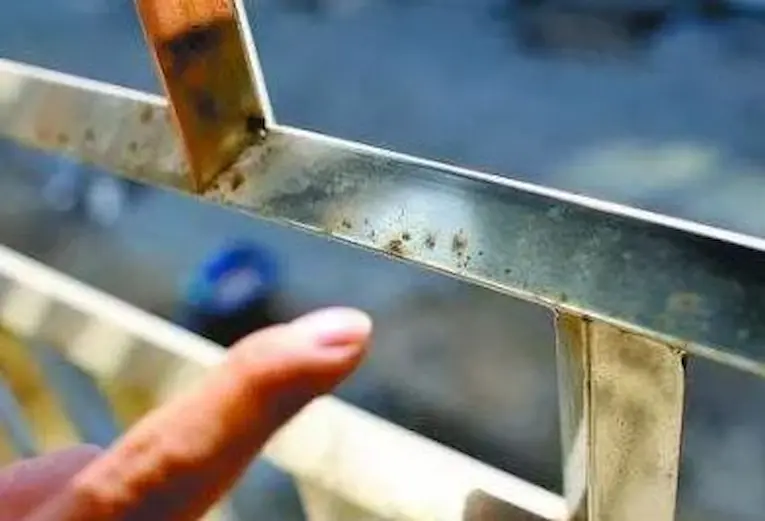
Start with the least abrasive method suitable for the finish.
Chemical methods
For light staining, start with a cleaner and soft cloth approved by the equipment manufacturer for that finish. Follow its rinsing and drying instructions. Do not use gasoline or engine oil for routine cleaning. Have persistent rust, pitting or weld discoloration assessed by a qualified technician; industrial pickling or passivation is not routine cleaning.
Citric Acid Method
- 10% citric acid solution
- Apply for 15-30 minutes
- Rinse thoroughly with deionized water
- Safe for food-grade surfaces
Phosphoric Acid Solution
- Specialized stainless steel cleaners
- Follow manufacturer’s instructions
- Ideal for moderate rust
Mechanical method
Sandblasting, using glass or ceramic particle shot blasting, annihilation, brushing, and polishing. It is possible to use mechanical methods to wipe off the contamination caused by previously removed materials, polishing materials, or oblivious materials. All kinds of pollution, especially foreign iron particles, can become a source of corrosion, especially in humid environments. Therefore, mechanically cleaned surfaces should be properly cleaned under dry conditions. The use of mechanical methods can only clean the surface, and cannot change the corrosion resistance of the material itself. Therefore, it is recommended to re-polishing with polishing equipment after mechanical cleaning and sealing with polishing wax.
Is 301 Stainless Steel Magnetic?
Light Surface Rust
- Non-abrasive Cleaning
- Soft cloth with mild detergent
- Rub in direction of grain
- Rinse thoroughly
- Dry completely
Stubborn Rust
For deeper oxidation:
- Fine-grit (400+) non-metallic pads
- Work in direction of grain
- Clean residue completely
- Apply passive layer protection
Why does stainless steel rust?
Despite its name, stainless steel can indeed rust. Let me explain the science behind this phenomenon and why it occurs.
Primary Causes of Rust
Passive Layer Breakdown
A chromium-rich passive layer helps protect stainless steel. Local damage or contamination can allow corrosion to develop.
Key factors that break down the passive layer:
- Chemical Exposure
- Chlorides (sea water, de-icing salts)
- Strong acids
- Alkaline solutions
- Physical Damage
- Surface scratches
- Contamination with carbon steel particles
- Abrasive cleaning materials
Environmental Factors
Common Conditions Leading to Rust
- Oxygen-Deficient Areas
- Crevices
- Threaded connections
- Under deposits
- High-Risk Environments
- Coastal locations
- Industrial atmospheres
- Areas with high humidity
Prevention Strategy
Grade selection, maintenance and the service environment all affect corrosion risk.
- Material Selection
- Choose appropriate grade for environment
- Consider higher alloy grades for severe conditions
- Verify material certification
- Maintenance Practice
- Regular cleaning
- Proper surface finish
- Avoid cross-contamination
- Maintain passive layer